

Imagine this: You’ve just bought your dream car, and you can’t wait to take it out for a spin. But wait, you need to put license plates on your car before hitting the road legally.
Whether it’s your first car or you’ve done this before, installing license plates might seem a bit puzzling. But don’t worry, you’re about to discover how simple it can be. You’ll learn the step-by-step process to securely attach your plates, ensuring you’re all set to drive with confidence.
Think of it as your personalized guide to making sure your car is ready to show off its new identity. Get ready to dive in, because mastering this small task will make your car ownership experience smoother and stress-free. Let’s get started!

Credit: www.facebook.com
Gather Necessary Tools
Begin by gathering essential tools like a screwdriver, license plate holder, and screws. Ensure you have matching screws for your vehicle’s plate holder. Proper tools make installation quick and easy.
Putting license plates on a car might seem straightforward, but having the right tools can make the process smooth and hassle-free. Before you start, take a moment to gather everything you need. This simple preparation can save you time and keep frustration at bay. You don’t want to be mid-task, only to realize you’re missing a crucial tool. So, let’s ensure you’re all set before you get started. Having the right tools on hand is crucial to successfully attaching your license plates. Start with a simple checklist to ensure you have everything ready.- Phillips Head Screwdriver: This tool is essential for removing old screws and attaching new plates. Keep it handy.
- Flat Head Screwdriver: Sometimes, a flat head screwdriver can be useful, especially if your car requires different types of screws.
- Screws: Check your vehicle’s requirements. Some cars need specific types or sizes of screws. It’s better to have a few options available.
- License Plate Frame: Consider a frame to protect your plates and give them a polished look. It’s not mandatory, but it can enhance the appearance.
- Cleaning Cloth: Before attaching new plates, wipe the area clean. A simple cloth can ensure the surface is free of dirt and debris.
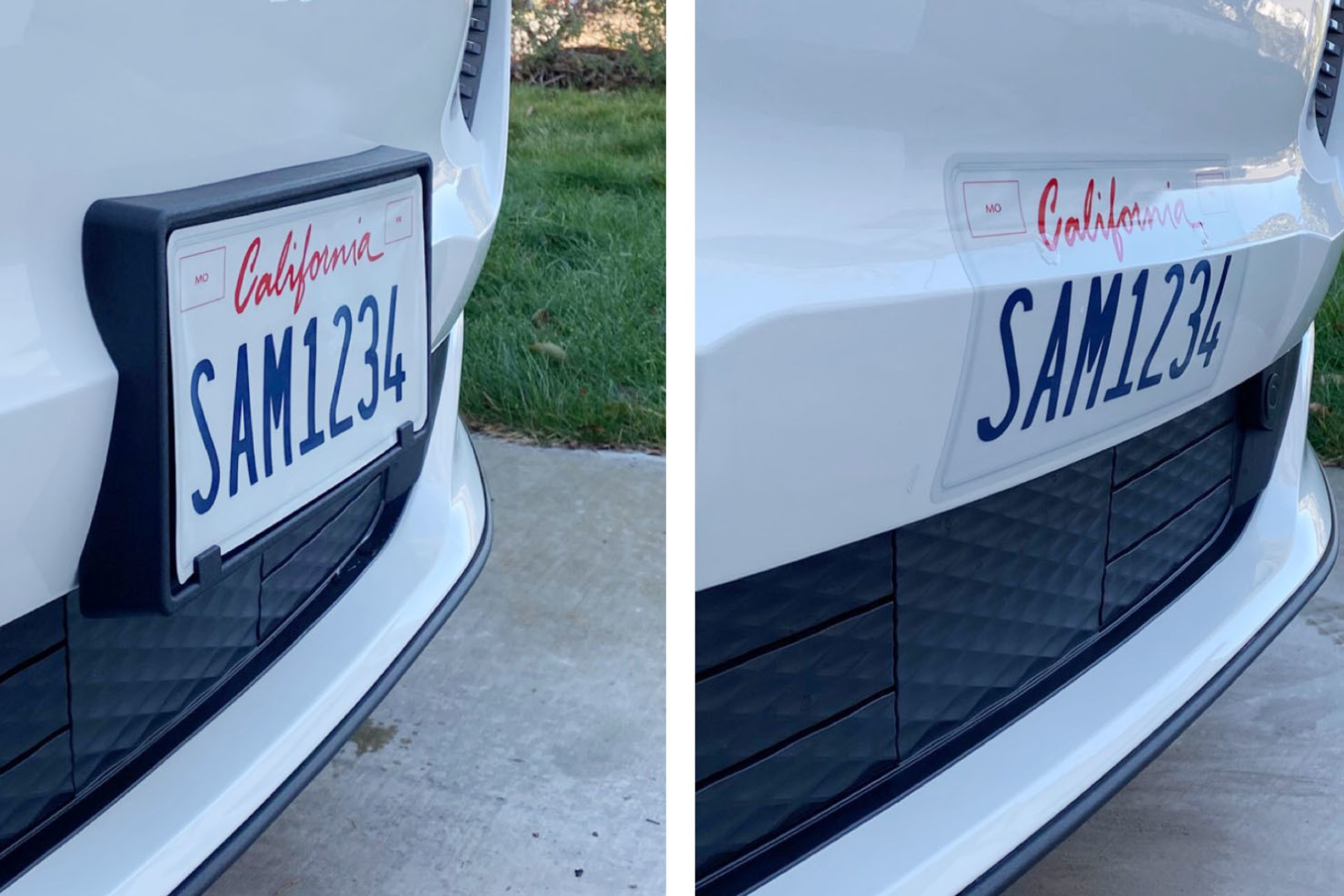
Credit: sfstandard.com
Select Correct License Plate
Choose the right license plate for your car by checking state regulations. Secure it with screws and a screwdriver, ensuring it’s firmly attached. Double-check alignment to avoid any issues while driving.
Selecting the correct license plate for your car is more important than many realize. A mismatch can lead to legal issues, fines, or even impoundment. This step is not just about aesthetics or customization; it’s about ensuring everything aligns properly with your vehicle’s registration.Verify Plate Matches Registration
Before you attach a new license plate, double-check that it matches the registration details of your car. Look at the number and letter sequence on the plate and compare it with your vehicle registration document. This is crucial because even a minor mistake can lead to legal troubles. Imagine driving confidently, only to be pulled over because of a simple oversight.Check Plate Condition
Inspect the physical condition of the license plate. It should be free of rust, dents, or peeling paint. A damaged plate can be difficult to read and might not be accepted by authorities. If you notice any issues, consider requesting a replacement from your local DMV. After all, a clear and intact plate not only keeps you legal but also maintains your vehicle’s polished look. Taking these steps ensures that you’re not only compliant but also prepared for any scrutiny on the road. Wouldn’t you feel more at ease knowing your plates are up to standard and perfectly matched?Remove Old License Plate
Remove the old license plate by unscrewing it from the car. Secure the new license plate using screws through the designated holes. Ensure that the plate is firmly attached and visible.
Removing the old license plate is the first step in installing new plates. This task requires a few basic tools and a little patience. Start by finding the fasteners that hold the plate in place. Most cars use simple screws for this purpose.Unscrew Fasteners
Use a screwdriver to unscrew the fasteners. Choose the right type of screwdriver, either a flathead or Phillips. Some vehicles may have bolts instead. In that case, use a wrench. Turn the screwdriver counterclockwise to loosen the screws. Be gentle to avoid damaging the screws or car surface. If screws are rusty, apply a lubricant like WD-40. This helps loosen them. Once loosened, remove the screws completely.Retain Screws For New Plate
Keep the screws in a safe place. You will need them for the new plate. Place them in a small container or pocket. This ensures they do not get lost. If screws are worn, consider buying new ones. Ensure they match the old size and type. New screws provide a tighter fit and prevent plate rattling. Properly retained screws make the next step easier.Position New License Plate
Positioning a new license plate involves securing it to the designated spots on your vehicle. Ensure the plate is visible and follows local regulations. Use screws provided with the car or plates, and tighten them carefully to avoid damage.
Positioning a new license plate on your car might seem like a simple task, but it’s crucial to get it right. A misplaced plate can lead to fines or even damage to your vehicle. Whether you’re replacing an old plate or installing one for the first time, following these steps ensures a proper fit and compliance with legal requirements. It also keeps your car looking sharp and road-ready.Align Plate With Holes
Begin by holding the new license plate up to your car’s designated area. Most vehicles have pre-drilled holes, making alignment straightforward. Make sure the plate’s holes match up with the holes on your vehicle. It’s easy to overlook, but double-checking saves you from unnecessary adjustments later. If your car doesn’t have pre-drilled holes, you might need a drill to create some. Always measure twice and drill once to ensure precision.Ensure Plate Is Right-side Up
Now, this might sound obvious, but you’d be surprised how often plates are installed upside down. Look closely at the design and any text on the plate. The state name or logo should be at the top. Consider any additional decals or stickers. They should be visible and correctly oriented. A quick glance at neighboring vehicles can help confirm the correct orientation. Remember, a well-positioned plate not only meets legal standards but also reflects your attention to detail. Taking these steps ensures your license plate is secure and correctly displayed. Have you ever faced issues because of a misaligned plate? Share your stories and tips in the comments!Secure New License Plate
Securely attach your new license plate by aligning it with the designated holes on your car. Use screws to fasten it tightly, ensuring it’s securely in place. Regularly check to confirm it’s firmly attached and visible.
Securing a new license plate is crucial for legal driving. Without it, you might face fines or penalties. The process involves a few simple steps. Make sure you have the right tools. Usually, you need a screwdriver. Most cars have a spot ready for license plates.Tighten Screws Firmly
Use the screwdriver to insert screws into the holes. Ensure they align with the car’s mounting bracket. Turn the screws clockwise. This ensures the plate stays in place. Firmly secured plates are less likely to fall off. Check all screws for tightness.Avoid Over-tightening
Over-tightening can cause damage. It may strip the screw threads. This makes future removal difficult. Stop tightening once resistance is felt. The plate should not wiggle. If it does, tighten slightly more.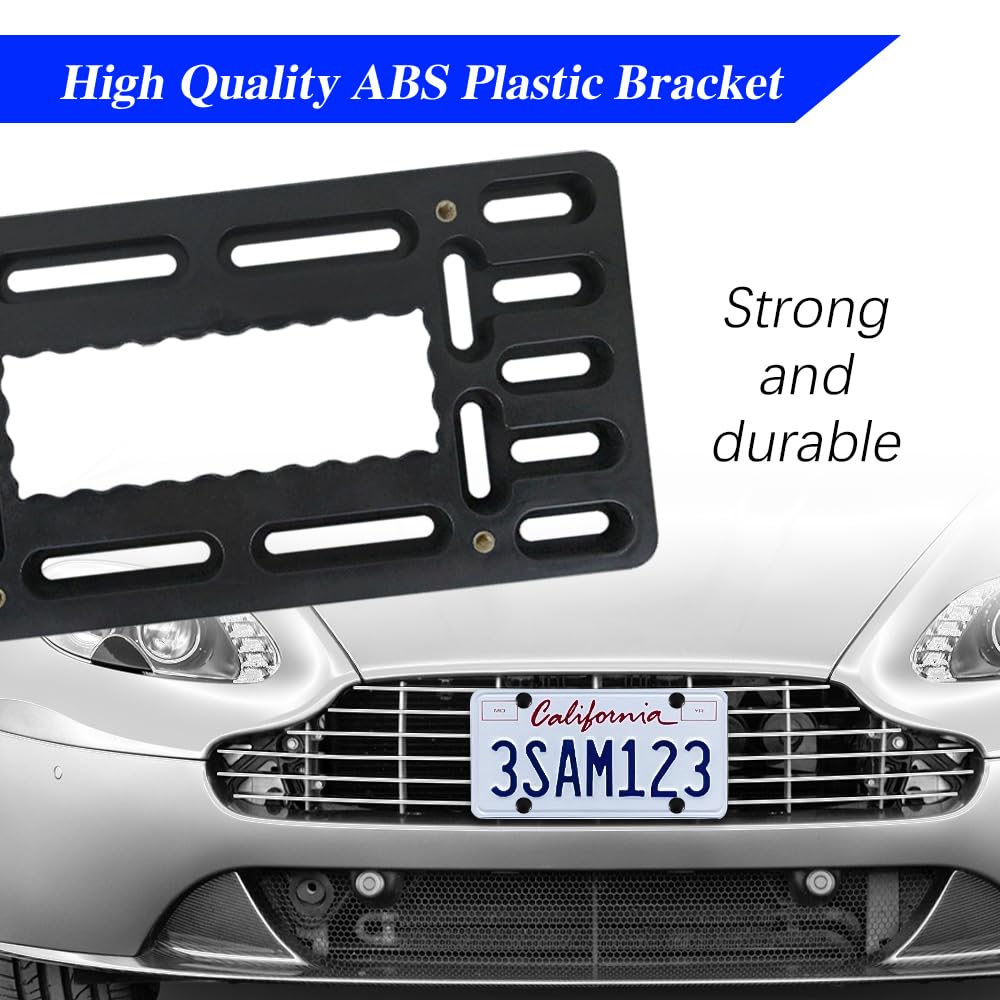
Credit: www.amazon.com
Verify Plate Installation
Ensure your car’s license plates are securely installed. Begin by aligning the plate with the mounting holes on the vehicle. Insert screws and tighten them using a screwdriver for a snug fit, avoiding over-tightening to prevent damage.
Verifying the installation of your license plates is crucial. It ensures they remain secure and visible. This step prevents potential fines or accidents. Here’s how you can confirm your plates are correctly installed.Check Plate Stability
Gently push the plates to check their firmness. They should not wobble or shift. Confirm each screw is tightened properly. Loose screws may cause the plate to fall. If the plate moves, tighten the screws further. A stable plate withstands wind and vibrations.Ensure Plate Visibility
Make sure the plate is not obstructed. Clear any dirt or debris from the surface. The plate must be readable from a distance. Check the angle of the plate. It should face outward, not tilted. This positioning ensures visibility for other drivers.Dispose Of Old License Plate
Attach the license plates using screws and a screwdriver. Align the holes on the plate with the car’s mounting bracket. Secure them tightly to ensure the plates don’t move while driving.
Disposing of old license plates might seem like a straightforward task, but it requires a bit of thought and action. You can’t just toss them in the trash like yesterday’s newspaper. Instead, consider the environmental impact and local rules governing their disposal. Your old plates deserve a responsible farewell, and here’s how to give them one.Recycle Properly
Before you toss your old license plates, think about recycling. Many local recycling centers accept metal items, including license plates. Check if your community has a special program for recycling metals or vehicle-related items. This simple act helps reduce waste and promotes sustainability. Imagine the difference you make by ensuring your plates don’t end up in a landfill.Check Local Regulations
Before you decide on recycling, it’s essential to check local regulations. Some states require you to return old plates to the DMV for proper disposal. Research what your state mandates for license plate disposal. This ensures you’re following the law and avoiding any potential fines. Have you ever wondered why such regulations exist? They help prevent misuse or theft, giving you peace of mind that your plates won’t be used illegally.Check Legal Requirements
Understanding the legal requirements is crucial before installing license plates on your car. Different regions have specific rules regarding placement and visibility, ensuring compliance to avoid fines. Always check local regulations for guidance on the correct procedures.
Putting license plates on your car may seem simple. Yet, it’s crucial to start by checking legal requirements. Each state has its own rules. Ignoring them can lead to fines or penalties. Before you attach those plates, ensure you know the laws.State-specific Laws
Every state has unique regulations for license plates. Some states require plates on both the front and back. Others may need only a rear plate. Research your state’s specific laws. This ensures compliance and avoids any legal issues. Some states also have rules about plate visibility. Make sure the plate is clearly visible at all times.Display Guidelines
Proper display of license plates is essential. Ensure the plate is securely fastened to the car. Use screws or bolts that fit well. Avoid using tape or temporary fixes. Plates must be clean and easy to read. Dirt or damage can obscure important details. Check the plate’s positioning. It should be in the designated area on the car. This positioning helps law enforcement and cameras read it accurately.Frequently Asked Questions
How To Attach A License Plate To A Car?
Clean the area with a cloth. Align the plate with the holes. Insert screws through the plate and into the mount. Tighten screws securely. Ensure the plate is visible and readable.
How To Put A License Plate On A Car Without Holes?
Use adhesive mounting strips or brackets specifically designed for license plates. Clean the surface thoroughly before applying. Ensure the strips or brackets are securely attached. Always check local regulations to ensure compliance. This method avoids drilling holes and maintains the car’s aesthetic.
Is It Best To Stick Or Screw Number Plates?
Screws provide a secure attachment for number plates, reducing theft risk. Stickers offer a cleaner look but may peel over time. Choose screws for durability, especially in harsh weather conditions. Always ensure compliance with local regulations regarding number plate installation methods for safety and legality.
Are License Plates Easy To Put On?
Yes, license plates are generally easy to put on. Most vehicles require basic tools like a screwdriver. Follow the instructions provided with your vehicle or plate for the best results. Always ensure the plate is securely fastened to avoid any issues while driving.
Conclusion
Attaching license plates is simple and essential. It keeps your car street legal. Follow the steps for a hassle-free process. Make sure your tools are ready. Check the screws and holes for alignment. Tighten them securely for safety. Regular checks prevent issues.
Remember, proper installation avoids fines. Drive confidently knowing your plates are secure. Practice makes it easier each time. Help friends with their plates too. Share your knowledge. Enjoy the drive with peace of mind. Plates on, and you’re all set!