
Have you ever wondered what goes on behind the scenes at a car wash? You drive in with a dusty vehicle, and just minutes later, you emerge with a sparkling clean ride.
It almost feels like magic, doesn’t it? But there’s a lot more happening than meets the eye. Understanding how car washes work can not only satisfy your curiosity but also help you make smarter choices about keeping your car looking its best.
Whether you’re a car enthusiast or just someone who wants to keep their vehicle clean without the hassle, knowing how car washes operate can change the way you think about that routine trip to the wash. Dive into the details, and you’ll discover the fascinating mechanics that make car washes so effective and efficient. Keep reading to learn about the secrets behind the suds and why your car always leaves looking fresh and new!
Credit: www.mattiascarwash.com
Types Of Car Washes
Car washes come in various types, each offering unique benefits. Understanding these types can help you choose the best one for your vehicle. Here, we explore different car wash options available to drivers.
Self-service Stations
Self-service stations allow you to wash your car manually. They provide water hoses, soap, and brushes. You control the washing process. Spend as much time as needed on each part of your car. This option is cost-effective and ideal for those who enjoy a hands-on approach.
Automated Drive-through
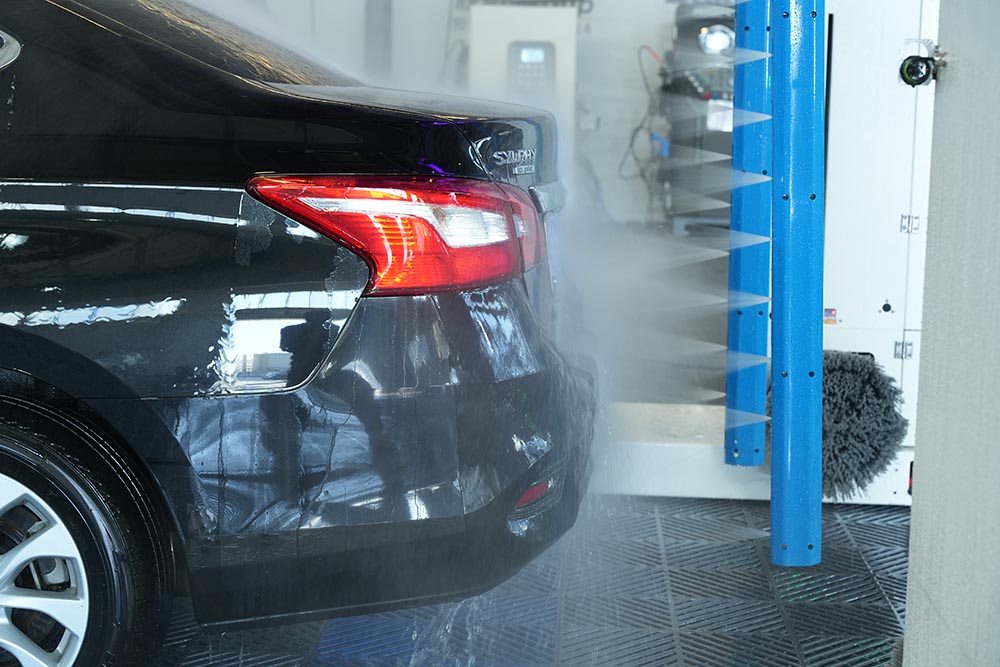
Automated drive-through car washes are convenient and quick. You drive your car onto a conveyor belt. The machine does the washing for you. Brushes and sprayers clean your car as it moves through. This option is perfect for busy individuals seeking a fast service.
Full-service Wash
Full-service washes offer a comprehensive cleaning experience. Staff members wash your car inside and out. They vacuum, clean windows, and polish surfaces. This type delivers a thorough clean, saving you time and effort. It’s suitable for those wanting detailed attention to their vehicle.
Touchless Car Wash
Touchless car washes use high-pressure water and chemicals. They clean your car without physical contact. This reduces the risk of scratches. Sensors guide the process, ensuring precision. This option is great for those concerned about their car’s paint job.

Credit: www.youtube.com
Key Components Of A Car Wash
Understanding how car washes work involves knowing their key components. Water jets, soap applicators, and brushes clean the car’s surface. Dryers remove excess water, leaving a shiny finish.
Car washes are a fascinating blend of technology and technique, designed to give your car that showroom shine. Understanding the key components of a car wash can help you appreciate the process and maybe even improve your own car cleaning routine. Each part plays a crucial role in ensuring your vehicle is thoroughly cleaned and maintained.Water Supply And Recycling
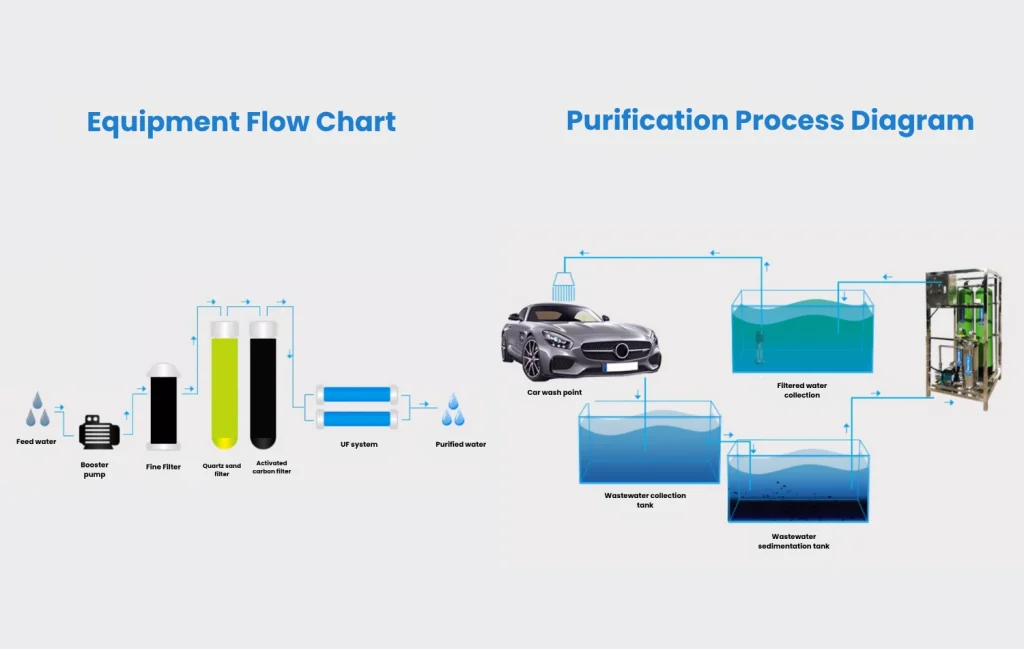
Water is the lifeline of any car wash. It’s pumped from a reliable source, often filtered to remove impurities, ensuring it’s clean enough for washing. Modern car washes are environmentally conscious, employing recycling systems that capture used water, treat it, and reuse it. This not only saves water but also reduces operating costs. Have you ever considered how much water a traditional car wash saves compared to washing your car at home?Soap And Cleaning Agents
The choice of soap can make or break a car wash. High-quality cleaning agents are specifically formulated to break down dirt and grime without damaging your car’s paint. They often come in concentrated forms, mixed with water, providing the perfect balance between cleanliness and protection. Next time you get a wash, notice the rich lather and fresh scent; it’s all part of the experience.Brushes And Cloth Materials
Brushes play a crucial role, especially in automatic car washes. They’re designed to gently scrub your car’s surface, removing dirt without scratching. These brushes are often made from soft materials like nylon. Meanwhile, cloth materials used in hand washes offer a gentle touch, ensuring your car’s paint remains pristine. Did you know that some car enthusiasts swear by microfiber cloths for their superior cleaning ability?Drying Systems
No car wash is complete without a proper drying system. Automatic dryers use powerful fans to blow water off your car, preventing water spots and streaks. Some systems even use heated air for faster drying. Manual drying involves skilled hands wielding absorbent towels, ensuring every drop is wiped away. Have you ever tried drying your car at home without leaving water spots? It’s a real challenge! Understanding these components can help you appreciate the expertise involved in car washes. Next time you drive through one, take a moment to think about the technology and care behind the scenes.The Car Wash Process
The car wash process is a fascinating blend of science and technology. Each step ensures your vehicle looks clean and polished. Let’s explore each stage of this process.
Initial Rinse
The car wash begins with an initial rinse. This step removes loose dirt and debris. High-pressure water jets spray the car’s surface. This prepares the car for deeper cleaning.
Soap Application
Next, soap is applied to the car. Special detergents break down grime and grease. Machines or workers apply the soap evenly. This step ensures thorough coverage for effective cleaning.
Scrubbing And Cleaning
Scrubbing follows soap application. Brushes or cloths scrub the car’s surface. This removes stubborn dirt and stains. Automated systems or manual labor can perform this task.
Rinsing
After scrubbing, it’s time for rinsing. Clean water washes away soap and loosened dirt. High-pressure nozzles ensure no residue remains. This step leaves the car sparkling clean.
Drying Phase
The final step is drying. Powerful blowers remove water from the car’s surface. Some car washes also use soft towels. This step prevents water spots and streaks.

Credit: www.labrotovap.com
Benefits Of Regular Car Washing
Regular car washing keeps your vehicle in top condition. It offers several benefits beyond just a clean look. Understanding these benefits can motivate you to wash your car more often.
Maintaining Appearance
A clean car looks more appealing and feels fresh. Regular washing removes dirt and grime. It keeps the car shiny and attractive. A well-maintained look boosts your confidence while driving.
Protecting Paintwork
Dirt and pollutants can damage your car’s paint. Regular washing helps remove these harmful elements. This protects the paint and keeps it looking new. It also prevents scratches and dullness.
Preventing Rust And Corrosion
Moisture and salt can cause rust and corrosion. Washing your car helps remove these elements. This prevents rust from forming and extends the car’s life. A rust-free car performs better on the road.
Enhancing Resale Value
A clean car attracts more buyers and fetches a better price. Regular washing maintains the car’s condition. It also keeps the interiors clean and fresh. A well-maintained car is easier to sell.
Eco-friendly Car Wash Options
Eco-friendly car washes use less water and biodegradable soaps. These methods include steam cleaning and waterless washes. Machines efficiently remove dirt, while environmentally friendly solutions prevent pollution.
Are you looking to clean your car without harming the planet? Eco-friendly car wash options offer a sustainable way to keep your vehicle spotless while conserving resources. These methods not only protect the environment but also ensure your car gets the care it deserves. Let’s explore some of the green alternatives available today.Water Conservation Techniques
Water is a precious resource, and traditional car washes can use gallons of it per wash. Eco-friendly car washes often implement water recycling systems, capturing and reusing water to minimize waste. You might be surprised to learn that some locations even use waterless car wash solutions, which can be a great option for those in drought-prone areas. Have you ever considered how much water you could save by choosing these options? By opting for a car wash that prioritizes water conservation, you’re making a conscious decision to reduce your environmental footprint.Biodegradable Soaps
Many conventional car wash soaps contain harsh chemicals that can harm aquatic life once they enter the water system. Eco-friendly car washes use biodegradable soaps that break down naturally, minimizing their impact on the environment. These soaps clean effectively without the need for harmful additives. Think about the last time you washed your car at home. Did you check the soap’s ingredients? Choosing biodegradable options ensures you’re not only caring for your car but also protecting our ecosystems.Energy-efficient Systems
Reducing energy consumption is another crucial aspect of eco-friendly car washes. Many facilities now utilize solar panels or energy-efficient lighting to power their operations, significantly cutting down on electricity use. These systems not only benefit the environment but can also reduce operational costs, which sometimes translates to savings for you. Does your regular car wash employ any energy-efficient practices? Next time, ask about their energy use and consider supporting businesses that take extra steps to reduce their carbon footprint. Choosing eco-friendly car washes is an easy way to make a positive impact. With options like water conservation, biodegradable soaps, and energy-efficient systems, you’re empowered to make choices that benefit both your vehicle and the planet.Diy Car Wash Tips
Washing your car yourself can be a rewarding experience. It saves money, gives you control over the process, and ensures a personal touch that automatic car washes can’t match. But to make the most of your DIY car wash, it’s crucial to have the right tools and techniques.
Essential Equipment
Before you roll up your sleeves, gather the necessary equipment. You’ll need a bucket, a hose with a nozzle, and a quality car wash soap. Avoid using household detergents as they can strip the wax from your car’s paint.
A microfiber mitt is essential to prevent scratches, and a soft towel will ensure a streak-free finish. Don’t forget a wheel brush for those hard-to-reach areas.
Step-by-step Guide
- Rinse:Start by rinsing your car to remove loose dirt. This prevents scratches during washing.
- Wash:Mix the car wash soap with water in the bucket. Use the mitt to wash the car, starting from the top and working your way down.
- Rinse Again:Rinse each section after washing to prevent soap from drying on the paint.
- Dry:Use a soft towel to dry the car, paying attention to water spots. A quick spray wax can add extra shine.
Common Mistakes To Avoid
Many people make the mistake of washing their car in direct sunlight. This can cause soap and water to dry quickly, leaving spots. Choose a shaded area or wash during cooler parts of the day.
Another common error is using the same mitt for wheels and paint. Wheels often have grit that can scratch your paint, so use a separate brush. Lastly, skipping the drying step can lead to water spots and streaks.
Isn’t it satisfying to see your reflection on a spotless car? With these tips, your DIY car wash can be both efficient and effective. What unique methods have you discovered in your car washing routine?
Choosing The Right Car Wash
Choosing the right car wash involves understanding how they operate. Automated washes use high-powered jets and brushes to clean vehicles quickly. Hand washes offer a detailed touch, ensuring every corner is spotless. Select based on convenience, budget, and your car’s specific needs.
Choosing the right car wash is more than just a matter of convenience—it’s about finding the best fit for your vehicle’s needs and your personal preferences. With so many options available, understanding what to look for can save you time and money while ensuring your car gets the care it deserves. Let’s break down the key factors to consider when selecting the ideal car wash for you.Evaluating Your Needs
First, think about what your car specifically requires. Is it a quick rinse or a deep clean with waxing? If you drive frequently, you might need a more thorough service to remove grime and dust. A simple drive-through might suffice for a quick cleanup, but for more detailed attention, a hand wash might be better. Consider the type of vehicle you own. A luxury car may need gentler cleaning methods compared to an off-road vehicle. Do you have any special preferences, like eco-friendly products or waterless washes?Cost Considerations
Budget is crucial when choosing a car wash. Prices vary widely, from a few dollars for a basic wash to over $50 for a comprehensive package. Think about how often you plan to wash your car. If it’s regularly, a subscription or loyalty program could be cost-effective. Balance the cost with the quality of service to ensure you’re getting value for your money.Location And Convenience
A conveniently located car wash can save you a lot of hassle. Is there one on your route to work or near your home? Look for car washes that fit into your daily schedule. Some facilities even offer mobile services, coming directly to your home or office for added convenience.Customer Reviews And Ratings
Customer feedback can provide valuable insights into the quality of service. Check online reviews and ratings to see what others have experienced. Are there any recurring complaints or praises? A high rating with detailed reviews can indicate reliability and satisfaction. Don’t just rely on star ratings; read the comments for more in-depth perspectives. By considering these aspects, you can confidently choose a car wash that meets your needs and keeps your vehicle looking its best. What do you prioritize when selecting a car wash?Frequently Asked Questions
How Does An Automatic Car Wash Work?
An automatic car wash uses conveyor systems to guide vehicles through cleaning stages. These stages include pre-soaking, washing, rinsing, and drying. Brushes, cloth strips, and high-pressure jets clean the car. Sensors ensure precision, while dryers remove excess water. This process is efficient and typically takes only a few minutes.
What Is A Touchless Car Wash?
A touchless car wash cleans cars without physical contact. High-pressure water jets and specialized detergents remove dirt and grime. This method minimizes the risk of scratches and is ideal for delicate finishes. Despite its gentle approach, it effectively cleans surfaces, reaching difficult areas without leaving residues.
How Do Self-service Car Washes Operate?
Self-service car washes allow users to clean their vehicles manually. Customers use hoses, brushes, and vacuums, controlling the cleaning process. Coin-operated or card machines activate water and soap dispensers. This option is cost-effective and offers flexibility, as users can focus on specific areas needing attention.
Are Hand Car Washes Better For The Car?
Hand car washes offer a personalized cleaning approach. Trained staff carefully wash and dry each vehicle, ensuring attention to detail. This method reduces the risk of missed spots and potential paint damage. While often more expensive, hand washing provides a thorough clean, maintaining the car’s finish and value.
Conclusion
Car washes simplify vehicle cleaning. Machines and people clean cars fast. Each step has a purpose. Soap removes dirt. Water rinses away residue. Wax shines surfaces. Dryers finish the job. It’s efficient. Saves time. Keeps cars looking new. Regular washes protect paint.
Prevent rust. Maintain value. Car washes offer convenience. Affordable prices. Easy access. A clean car boosts pride. Enhances appearance. Drives smoother. Understanding the process helps you choose the best service. Enjoy the benefits. Keep your car in top shape. Make your drive enjoyable.
Feel confident. Keep it clean.