
Have you ever wondered what happens inside an automatic car wash? You drive your car in, and just a few minutes later, it’s sparkling clean without you lifting a finger.
It’s almost like magic, isn’t it? But there’s a fascinating process behind the scenes that makes it all happen. Understanding how automatic car washes work not only satisfies your curiosity but could also help you choose the best wash for your car.
This article will uncover the mystery of those swirling brushes and jets of water, revealing how technology and precision come together to give your vehicle that fresh-from-the-showroom shine. So, let’s dive in and discover the secrets of automatic car washes—your car will thank you!
Types Of Automatic Car Washes
Automatic car washes offer various methods to clean vehicles efficiently. Touchless systems use high-pressure jets and detergents, while soft-touch washes employ rotating brushes for gentle cleaning. Both options provide thorough washes, ensuring vehicles look spotless without manual effort.
When you pull into an automatic car wash, do you ever wonder about the different types available? Understanding the options can help you choose the best one for your vehicle’s needs. Let’s explore the various types of automatic car washes and what each offers.Touchless Systems
Touchless systems are popular for their gentle approach. They rely on high-pressure jets of water and powerful detergents to clean your car without physical contact. This is ideal for those worried about scratches from brushes or cloths. One weekend, I tried a touchless car wash after a dusty road trip. The process was quick, and the results were impressive. If you value speed and safety, touchless could be your go-to option.Brush-based Systems
Brush-based systems use soft cloth or foam brushes to scrub your car clean. They are effective at removing stubborn dirt and grime that water jets might miss. These systems often include a combination of pre-soaking, washing, and rinsing stages. The first time I used a brush-based wash, I was apprehensive about potential scratches. However, modern systems are designed to be gentle while thorough. Would you trade a bit of contact for a deeper clean?Self-service Bays
Self-service bays offer a hands-on approach. You drive into a bay equipped with hoses, brushes, and cleaning agents, allowing you to wash your car manually. This option is perfect for those who enjoy a personal touch. On a sunny Saturday, I spent an hour at a self-service bay, meticulously cleaning every nook and cranny. It felt rewarding to see my car gleaming under the afternoon sun. Which type of automatic car wash suits you best? Each has its unique advantages, and the choice often comes down to personal preference and your car’s specific needs.
Credit: www.amazon.com
Pre-wash Preparation
Pre-wash preparation involves removing loose dirt and debris from the car’s surface. This step enhances the effectiveness of the automatic car wash. Proper preparation ensures a smoother and more thorough cleaning process.
Before you drive through an automatic car wash, there’s a crucial step that sets the stage for a thorough cleaning: pre-wash preparation. This phase ensures that your car is ready to face the whirling brushes and powerful jets. By preparing effectively, you not only protect your vehicle but also enhance the car wash’s effectiveness.Assessing Vehicle Size
Pulling up to the car wash, you may notice the sensors and attendants at the entrance. These aren’t just for show. They play a pivotal role in assessing your vehicle’s size. Whether you drive a compact sedan or a hulking SUV, the car wash needs to adjust its equipment accordingly. Have you ever thought about how these systems adapt to different vehicles? It’s like a tailor adjusting a suit to fit just right. This ensures that your car is scrubbed evenly without any missed spots or potential damage.Removing Loose Debris
Before any soap touches your car, the first order of business is to remove loose debris. This might include leaves, dirt, or even the occasional fast-food wrapper stuck in the grille. You might have experienced a wash where leftover debris ended up scratching the paint. Not ideal, right? Attendants or machines use high-pressure air or water to dislodge these particles. Imagine this as shaking the dust off a rug before vacuuming. It ensures the subsequent cleaning steps are more effective and your car comes out spotless. By understanding these steps, you can appreciate the art and science behind automatic car washes. Next time you roll into one, you’ll know exactly how the magic happens.Initial Rinse Process
The initial rinse process is the first step in an automatic car wash. It prepares the vehicle for a thorough cleaning. This step is crucial for removing loose dirt and debris. Let’s dive into the key stages of this process.
High-pressure Water Jets
High-pressure water jets target the car’s surface. They blast away dirt and grime. This method ensures dirt does not scratch the paint. The jets use water at high speeds. This helps reach even the toughest spots. It is an efficient way to clean the vehicle.
Chemical Application
After the high-pressure rinse, chemicals are applied. These chemicals break down stubborn dirt. They cover the car evenly, ensuring no spot is missed. The chemicals are safe for paint and finish. They prepare the car for deeper cleaning in the next steps.
Credit: kkewash.com
Main Cleaning Stage
The main cleaning stage in an automatic car wash is crucial. It transforms your dirty car into a shiny vehicle. This stage involves several processes that ensure thorough cleaning.
Soap And Detergent Application
First, a mixture of soap and detergent is applied. These chemicals break down dirt and grime. High-pressure jets spray the soapy solution onto the car. This ensures even coverage over the entire surface. The soap softens stubborn dirt particles. It prepares them for the scrubbing process.
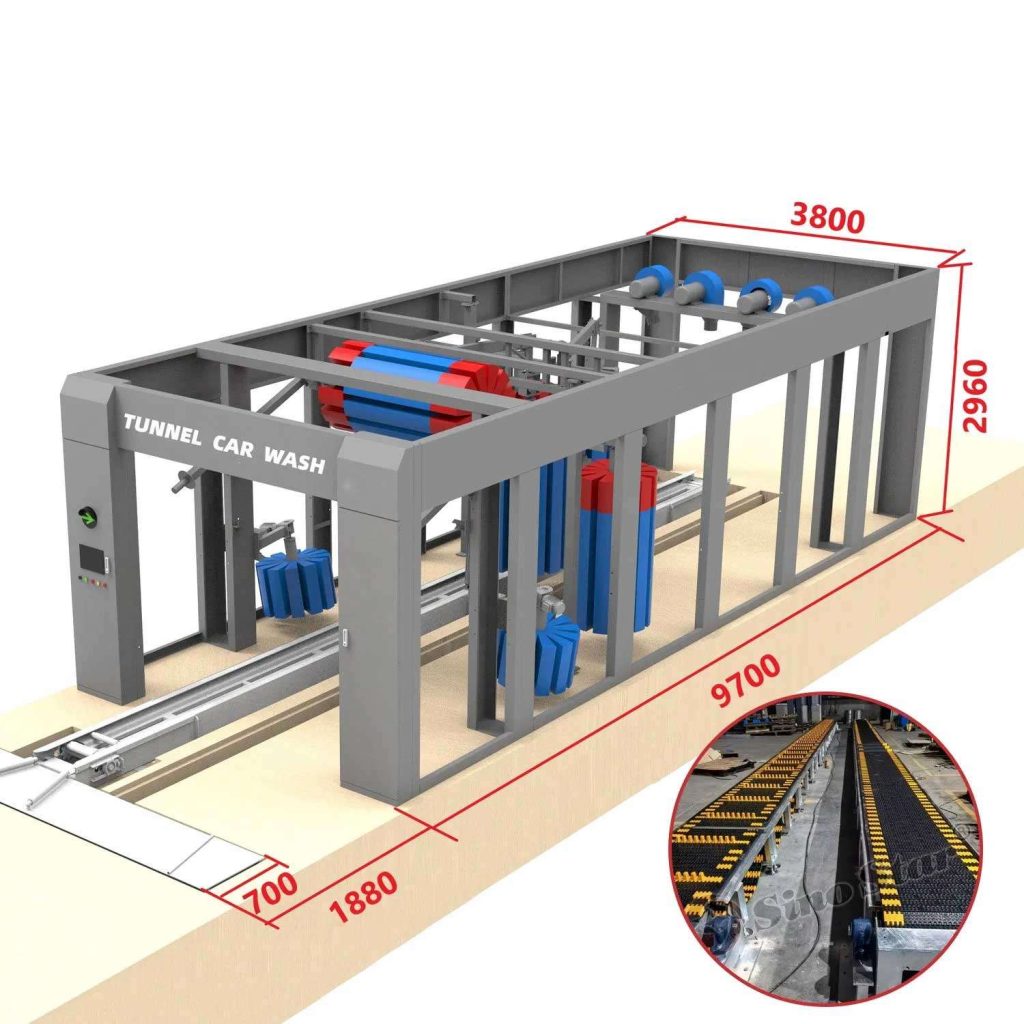
Brush Or Cloth Mechanisms
Next, the car moves through brush or cloth mechanisms. These are designed to scrub the car’s surface. Brushes are often made of soft materials. They rotate rapidly to remove dirt. Cloth strips gently wipe the car, ensuring no scratches. Both methods clean the car’s exterior effectively. They reach areas that are hard to clean by hand.
Rinsing Techniques
Automatic car washes have revolutionized the way we clean our vehicles, providing convenience and efficiency. One crucial phase in the car wash process is rinsing. Without proper rinsing techniques, your car could end up with soap residue or water spots. Let’s dive into two popular rinsing methods used in automatic car washes.
Freshwater Rinsing
Freshwater rinsing is a straightforward technique where clean water is sprayed over the vehicle to remove soap and dirt. This method uses high-pressure nozzles to ensure every inch of the car is covered, leaving no trace of cleaning agents behind. Have you ever noticed how some washes leave streaks on your windows? That’s often due to inadequate rinsing.
In automatic car washes, freshwater rinsing is typically the first rinse cycle after washing. It ensures that the surface is free from any leftover chemicals that might damage the paint or finish. Next time you drive through an automatic wash, pay attention to the force of the water jets—it’s all part of ensuring a thorough rinse.
Spot-free Rinse
Spot-free rinse is a game-changer for anyone tired of water spots blemishing their car’s shine. This technique involves using purified water, often treated through reverse osmosis, to rinse the car. Purified water lacks minerals, which are the main culprits of water spots.
How does it work? After the freshwater rinse, the spot-free rinse is applied to prevent any residual water from leaving marks as it dries. Ever wondered why your car looks spotless after certain washes? It’s the magic of spot-free rinsing. This method ensures that when your car air-dries, it remains pristine and gleaming.
Both rinsing techniques play vital roles in achieving a clean, polished finish. Understanding these can help you choose the right car wash service that meets your needs. Which rinsing method do you think your car wash uses? Next time you visit, make a mental note!
Drying Procedures
Automatic car washes use powerful dryers to remove water from vehicles. High-speed blowers direct air over the car’s surface. This process helps in quickly eliminating water, leaving the car dry and ready to go.
Drying procedures in automatic car washes are crucial for a spotless finish. After washing, cars need effective drying to prevent water spots. These spots can ruin the shine and appearance. Drying is achieved using advanced systems designed for efficiency and speed.Blower Systems
Blower systems use powerful fans to remove water. They direct air over the car’s surface. This method effectively pushes water away. Blowers are strategically placed for optimal coverage. They ensure every angle receives attention. The air pressure is adjusted to suit different car models. This prevents any damage during the drying process.Air Drying Options
Air drying offers various options for different needs. Some systems use heated air for faster drying. Heat helps evaporate remaining droplets quickly. Others rely on ambient air to gently dry the surface. This method is energy-efficient and eco-friendly. Adjustable nozzles can target specific areas. This ensures thorough drying, leaving no spots behind.Special Features
Automatic car washes are a marvel of modern convenience, providing a quick and efficient way to get your vehicle sparkling clean without any effort on your part. But beyond the basic wash, these systems offer special features that can enhance the care of your car. Understanding these features can help you make the most of your car wash experience. Let’s dive into some of these unique offerings.
Wax And Sealant Application
Have you ever wondered how your car maintains its shine after a wash? Many automatic car washes include a wax and sealant application as part of their service. This process not only adds a glossy finish but also protects the paint by creating a barrier against dirt and environmental elements.
Typically, the wax is sprayed onto your vehicle after the washing phase. It’s then buffed or air-dried to ensure even coverage. The sealant works as a long-term protector, helping keep your car looking new for longer. Next time you’re at the car wash, notice the extra sparkle and consider how it helps preserve your vehicle’s exterior.
Tire And Wheel Cleaning
While a shiny car is great, clean tires and wheels can make a huge difference in the overall look. Automatic car washes often include specialized brushes and sprays designed to target the dirt and grime that accumulate on your tires and rims.
These systems use high-pressure jets to remove stubborn dirt, followed by a targeted cleaning solution that tackles brake dust and road residue. Have you ever driven away from a car wash and felt like your car had new shoes? That’s the magic of thorough tire and wheel cleaning. It’s something you might not notice immediately, but it can transform the appearance of your car.
Safety And Maintenance
Automatic car washes use powerful jets to spray water and soap over vehicles. Brushes and sensors clean and polish cars efficiently. Regular maintenance ensures safe operation and prevents equipment damage.
Safety and maintenance are crucial aspects of automatic car washes that ensure a smooth and reliable experience for every vehicle passing through. Keeping the equipment in top-notch condition is not only essential for delivering a spotless wash but also for guaranteeing the safety of your car. Understanding the technology and maintenance practices behind these systems can enhance your trust and satisfaction every time you drive in.Sensor Technology
Modern automatic car washes rely heavily on sensor technology to adapt to various vehicle sizes and shapes. These sensors are strategically placed to detect the contours of your car, ensuring brushes and sprays adjust accordingly. This precision minimizes the risk of scratches or damage, allowing you to relax as your car gets cleaned. Advanced sensors can also identify the presence of roof racks or extended mirrors, further customizing the wash process. The technology safeguards your vehicle by preventing harsh contact, which is a common concern among car owners. Have you ever wondered how smoothly your sunroof stays protected? That’s the power of accurate sensors at work.Regular Equipment Checks
Routine maintenance of car wash equipment is paramount to ensure both efficiency and safety. Regular checks include inspecting brushes for wear and tear, ensuring no abrasive materials can harm your vehicle’s paint. Additionally, water pressure systems are evaluated to maintain optimal cleaning power without risking damage. Technicians frequently calibrate sensors and adjust mechanical parts to avoid malfunctions. This practice not only extends the life of the equipment but also ensures a consistent, high-quality wash. Next time you use an automatic car wash, think about how these behind-the-scenes efforts contribute to a seamless experience.Environmental Considerations
Automatic car washes have become a staple in modern life, offering convenience and efficiency. However, the environmental impact of these services is a growing concern. Can a quick wash protect the planet? Let’s dive into the eco-friendly practices employed by automatic car washes that aim to minimize their footprint.
Water Recycling Systems
Water conservation is a top priority for automatic car washes. Many facilities now use advanced water recycling systems. These systems capture, filter, and reuse water, reducing overall consumption.
Imagine a system where used water doesn’t just vanish. Instead, it undergoes rigorous filtration, removing dirt and chemicals before being reused. This process not only saves precious resources but also lowers operational costs.
Have you ever thought about the gallons of water saved with each wash? It’s a simple step towards sustainability, turning each car wash into a responsible choice.
Eco-friendly Detergents
Detergents play a crucial role in cleaning your vehicle. But traditional soaps can harm the environment. That’s where eco-friendly detergents come into play.
These products are biodegradable and non-toxic, ensuring they don’t pollute water systems. Choosing a car wash that uses these detergents means you’re contributing to a healthier planet.
Next time you drive into an automatic car wash, consider asking about the detergents they use. Your curiosity can inspire change and encourage more eco-friendly practices.

Credit: www.tiktok.com
Benefits Of Automatic Car Washes
Automatic car washes offer many benefits for busy individuals. They save time and provide consistent cleaning results. Understanding these advantages can help you appreciate their convenience.
Time Efficiency
Automatic car washes are quick. They clean your car in minutes. Manual washing takes much longer. A short visit to an automatic wash saves you valuable time. You can fit a wash into your busy schedule easily.
Consistent Results
Automatic car washes deliver uniform results. Machines follow the same process every time. This ensures your car is cleaned thoroughly and evenly. You avoid missed spots that occur with manual washing. The technology used ensures precision in cleaning.
Frequently Asked Questions
How Do Automatic Car Washes Clean Cars?
Automatic car washes use a series of automated machines and brushes. They apply soap, water, and wax to clean your vehicle. Sensors and rollers guide the car through each stage. The process is quick and efficient, ensuring a thorough clean without manual effort.
Are Automatic Car Washes Safe For All Vehicles?
Most automatic car washes are safe for standard vehicles. They can potentially harm delicate paint or accessories. It’s essential to check the car wash’s guidelines. Some facilities offer touchless options for added safety. Always ensure your vehicle’s windows and sunroof are closed before entering.
How Long Does An Automatic Car Wash Take?
An automatic car wash typically takes 5 to 10 minutes. The duration depends on the service package chosen. Basic washes are faster, while premium options might take longer. Additional services like waxing or undercarriage cleaning can extend the time slightly.
Do Automatic Car Washes Use Recycled Water?
Many automatic car washes use recycled water to conserve resources. They filter and treat water to remove contaminants. This practice is environmentally friendly and reduces overall water usage. However, not all facilities use recycled water, so it’s good to check beforehand.
Conclusion
Automatic car washes offer convenience and efficiency. They clean vehicles quickly and thoroughly. The process includes washing, rinsing, and drying. Sensors guide the machines to ensure precision. This eliminates the need for manual scrubbing. So, it’s less effort for car owners.
The technology is safe for various vehicle types. It protects the paint and finish. Regular visits to an automatic car wash keep cars looking fresh. This service saves time and maintains car value. It’s a practical choice for busy schedules.
Drive in, relax, and leave with a sparkling clean car.