
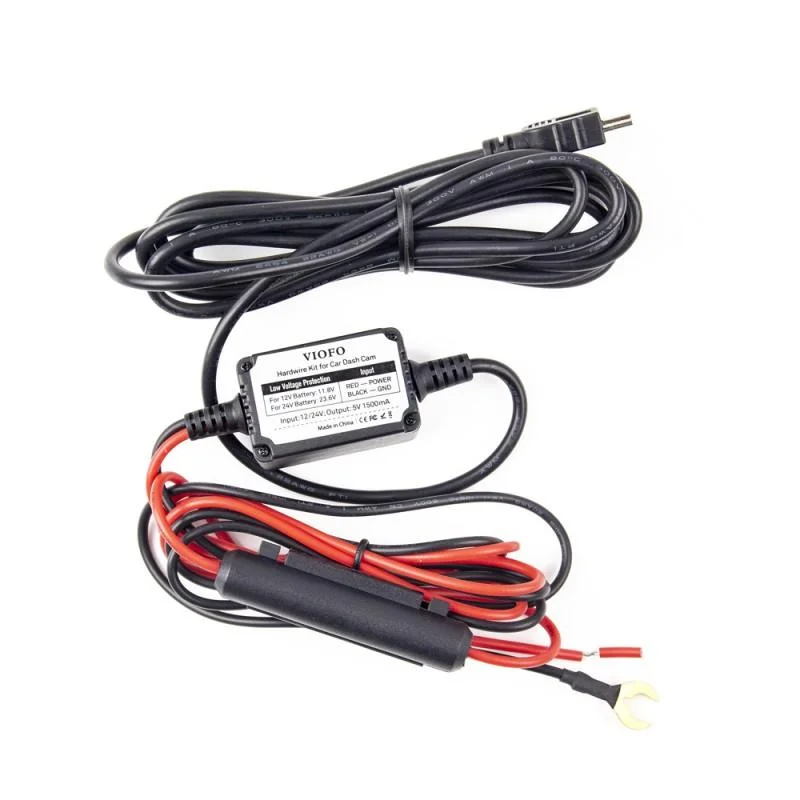
You’ve probably heard that hardwiring a dash cam can be a great way to secure your vehicle, capturing every drive with precision. But, like many car owners, you might be wondering: “Does hardwiring my dash cam drain my car battery?”
This question is crucial, especially if you rely on your vehicle daily and want to avoid unexpected battery issues. The idea of having your car battery drained because of a dash cam can be unsettling. You deserve peace of mind, knowing your dash cam can work efficiently without compromising your car’s battery health.
We’ll delve into the impact of hardwired dash cams on battery life, offering insights and solutions to keep your vehicle running smoothly. Stick around to uncover the truth and learn practical tips that ensure your dash cam works in harmony with your car’s electrical system.
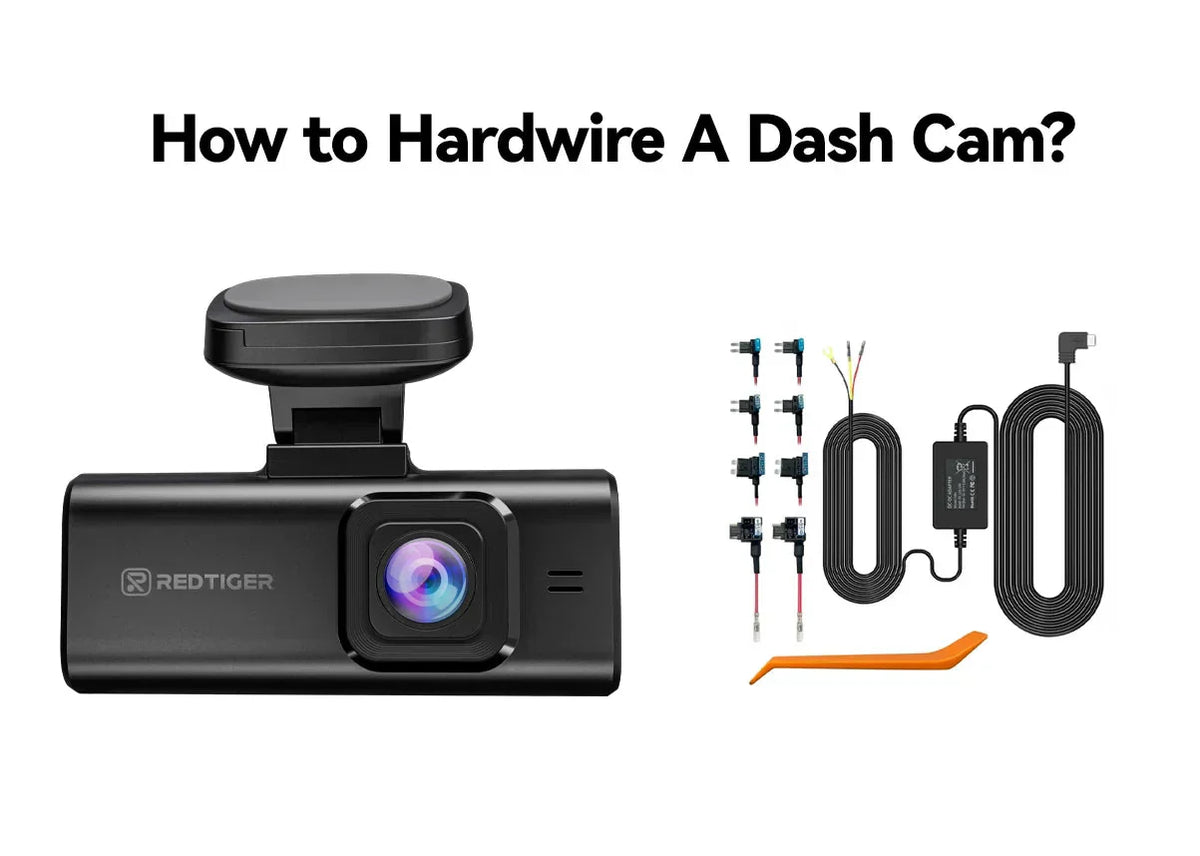
Credit: www.redtigercam.com
Dash Cam Basics
Dash cams are essential gadgets for modern drivers. They offer peace of mind and security. Understanding their basics helps you make informed decisions about using them.
Purpose And Benefits
Dash cams serve multiple purposes. They record driving events, providing evidence in accidents. This can protect you from false claims. They also capture unexpected moments on the road. Some dash cams even monitor parked cars. They can deter theft or vandalism. The benefits of having a dash cam are clear. They enhance safety and accountability.
Types Of Dash Cams
Dash cams come in various types. Basic dash cams record the front view. Dual dash cams capture front and rear views. Some models have wide-angle lenses. This increases the field of view. There are also smart dash cams. These connect to smartphones for easy video access. Choose the type that suits your needs best.

Credit: www.facebook.com
Hardwiring Dash Cams
Hardwiring dash cams is becoming popular among car owners. This method provides a reliable power source for your dash cam. It connects directly to your car’s electrical system. Many drivers prefer this setup for continuous recording. Let’s explore the installation process and advantages.
Installation Process
Installing a hardwired dash cam requires some technical knowledge. First, choose the right dash cam model for your vehicle. Then, gather necessary tools like wire cutters and connectors. Locate the fuse box in your car. Identify a fuse that provides constant power. Use a fuse tap to connect the dash cam power cable. Ensure the wire is neatly tucked away. Test the setup to confirm the dash cam is working. The process might require patience and precision.
Advantages Of Hardwiring
Hardwiring offers several benefits for dash cam users. It ensures the dash cam always has power. This means it can record even when the car is off. Hardwired setups often support parking mode. This feature is useful for recording incidents when parked. There’s no need to worry about battery life. Hardwiring can also reduce cable clutter inside the vehicle. It provides a clean, professional installation look. The dash cam becomes a seamless part of your car’s system.
Battery Drain Concerns
Many drivers are concerned about whether hardwiring a dash cam could lead to battery drain. After all, the idea of a dead car battery is a nightmare for anyone who relies on their vehicle daily. Understanding the balance between convenience and the potential risk of battery drain is crucial. Let’s dive deeper into the concerns associated with battery drain.
Power Consumption Factors
Dash cams can vary significantly in their power consumption. Some models are designed to be energy-efficient, drawing minimal power from your car’s battery. Others may consume more power, especially if they offer high-resolution video recording or additional features like GPS.
Knowing the power consumption of your specific dash cam model is essential. A simple check with the manufacturer or a glance at the device specifications can save you from future headaches. If your dash cam has a high power draw, consider using it only when the engine is running.
Standby Mode Impact
Many dash cams come with a standby mode, allowing them to remain on without recording. This mode is designed to minimize battery usage, but it can still have an impact over time. It’s like having a tiny nightlight continuously glowing in your car.
Have you ever accidentally left your car’s lights on overnight? That slow drain can be similar to a dash cam in standby mode. If your dash cam stays in standby mode while your car is parked for extended periods, it might contribute to battery drain. You may want to check if your dash cam has a setting to automatically turn off when your car is not in use.
So, what can you do to prevent battery drain while enjoying the benefits of a dash cam? Consider installing a battery monitoring device or choosing a dash cam model with a low standby power consumption. Have you ever faced a situation where your car battery died unexpectedly? How did you handle it? Share your experiences and insights in the comments below.
Preventing Battery Drain
Hardwiring a dash cam can drain your car battery if not installed correctly. Using a battery protection device helps prevent excessive battery drain. It’s essential to monitor the voltage level to ensure your battery stays healthy.
Preventing battery drain is crucial for maintaining car performance. Hardwiring a dash cam can sometimes lead to unwanted battery depletion. Luckily, there are effective strategies to mitigate this risk.Using Battery Management Systems
Battery management systems can safeguard your car’s battery. These systems monitor voltage levels and disconnect the dash cam when levels drop too low. This ensures the dash cam doesn’t drain the battery completely. Many modern vehicles come equipped with these systems, enhancing battery protection. Investing in an external battery management device can further prevent battery drain.Time-lapse Recording
Time-lapse recording can conserve battery power. This feature captures fewer frames per second, reducing power consumption. It allows continuous recording while minimizing battery drain. Most dash cams have this setting, and activating it can extend battery life. It’s a simple adjustment that offers significant benefits. This feature is especially useful for parked vehicles, keeping surveillance active without straining the battery.Myths And Facts
Many drivers worry about dash cams and battery drain. Stories and assumptions spread confusion. This section clears up these myths with facts and science.
Common Misconceptions
Some believe hardwiring a dash cam always drains the battery. They think the camera runs continuously, depleting power. Another myth is that hardwired dash cams are harmful to the vehicle’s electrical system. These misconceptions cause unnecessary fear and hesitation.
Scientific Findings
Research shows that hardwiring a dash cam does not automatically drain the battery. Modern dash cams have smart features to prevent battery depletion. They have voltage cut-off systems that stop drawing power when the battery is low. This ensures the car battery remains healthy.
Dash cams consume minimal power, especially in standby mode. The power usage is comparable to a small LED light. Scientific studies confirm that a well-installed dash cam is safe for car batteries.
Expert Opinions
Expert opinions suggest that a hardwired dash cam may drain a car battery if not installed correctly. Proper installation and using a battery management system can prevent drainage issues, ensuring your car’s battery remains healthy.
When considering whether hardwiring a dash cam drains a car battery, expert opinions offer valuable insights. Understanding perspectives from both automotive technicians and dash cam manufacturers can help car owners make informed decisions. This section delves into expert advice on this topic.Automotive Technicians’ Insights
Automotive technicians often address battery concerns. They emphasize the importance of proper installation. Hardwiring a dash cam can be safe if done correctly. Technicians advise using a power management system. This system prevents the dash cam from draining the battery. Many technicians recommend professional installation. They ensure the dash cam connects to the correct power source. This reduces the risk of battery drainage. Technicians also suggest regular battery checks. This helps maintain battery health, especially with additional devices installed.Dash Cam Manufacturers’ Input
Dash cam manufacturers provide guidance on installation. Many offer power-saving features in their devices. These features help protect the car battery. Manufacturers often include voltage cut-off settings. This prevents the dash cam from using power when the battery is low. Some manufacturers recommend using a dedicated hardwiring kit. These kits often include battery protection modules. They ensure the dash cam stops drawing power if the battery reaches a critical level. Manufacturers also stress following the installation manual. Proper setup ensures the dash cam functions without harming the battery.User Experiences
Hardwiring a dash cam often raises concerns about battery drainage. Proper installation ensures minimal impact on battery life. Use a low-voltage protection device to safeguard your car’s battery.
User experiences with hardwiring dash cams often vary significantly. Many drivers wonder if this setup drains their car battery. Let’s explore what real users have to say about it.Real-life Scenarios
Some drivers report minimal impact on their battery. They installed high-quality dash cams with low power consumption. These devices use parking mode smartly, only activating when necessary. Others share experiences of battery issues. Often, these issues arise with older batteries or inefficient power management settings.Success Stories
Many users find success through careful installation. They consult professionals or follow detailed guides to avoid mistakes. Some invest in battery protection devices. These devices ensure the dash cam powers down before draining the battery too much. Users with newer vehicles often experience fewer problems. Modern cars typically have more robust electrical systems.Future Innovations
The future of dash cams is bright and full of potential, especially when it comes to innovations that could address the issue of battery drainage. As technology evolves, manufacturers are looking at ways to make dash cams smarter and more efficient. These innovations promise to enhance your driving experience without compromising your car’s battery life.
New Technologies
Imagine a dash cam that knows when to power down and when to activate, based on your driving habits. This isn’t science fiction; it’s the direction new technologies are heading. Smart sensors could detect motion and turn the cam on only when necessary, reducing the strain on your battery. Moreover, advances in energy-efficient components mean that future dash cams could operate using less power, making hardwiring less of a concern.
Eco-friendly Solutions
Could solar-powered dash cams be the answer? Some developers are already experimenting with eco-friendly solutions that harness solar energy to power devices. This way, your dash cam could operate independently from your car battery. Besides, think about the environmental benefits. You’d be reducing your carbon footprint while ensuring your dash cam is ready whenever you need it.
As technology continues to evolve, how do you see the future of dash cams impacting your driving experience? Will these innovations change the way we think about vehicle accessories and their energy consumption?

Credit: wolfbox.com
Frequently Asked Questions
Does Hardwiring A Dash Cam Affect Battery Life?
Hardwiring a dash cam can slightly drain the battery if the car is off. However, most modern dash cams have voltage cut-off features. This prevents battery drainage. Ensure your dash cam is installed correctly to avoid any issues.
Can A Dash Cam Kill My Car Battery?
A dash cam typically won’t kill your car battery if installed properly. Most dash cams have built-in voltage protection. This ensures they turn off before draining too much power. Always check compatibility with your vehicle’s electrical system.
How Long Does A Hardwired Dash Cam Run?
A hardwired dash cam can run continuously while driving. When parked, it depends on the battery and settings. Most dash cams have a parking mode feature. This allows them to record events without draining the battery excessively.
What Is The Best Way To Hardwire A Dash Cam?
The best way is to use a fuse tap to connect the dash cam. This ensures a secure and efficient power source. Consult a professional or follow the manufacturer’s instructions. Proper installation is crucial for optimal performance and battery safety.
Conclusion
Hardwiring a dash cam can affect your car battery. It’s crucial to install it correctly. Use a professional for installation. Ensure the power source cuts off with the engine. This prevents battery drain. Regularly check your car’s battery health. Consider a battery monitoring device.
It keeps the dash cam from draining power. A good practice for long car life. Proper setup ensures peace of mind. Drive with confidence. Your dash cam won’t leave you stranded. Keep your car and tech running smoothly. Enjoy safe travels with smart solutions.