

Imagine cruising down the road, enjoying the drive, when suddenly you hear a grinding noise every time you brake. Your heart skips a beat as you wonder if your car’s brake pads are worn out.
But how can you be sure? Does your car have an indicator light to warn you about brake pad wear? If you’ve ever found yourself asking this question, you’re in the right place. This article will guide you through the mystery of brake pad indicator lights and what they mean for your safety on the road.
By understanding the details, you’ll gain peace of mind and ensure your driving experience remains smooth and secure. Keep reading to discover what your car’s dashboard might be telling you about your brake pads.
Brake Pad Indicator Lights
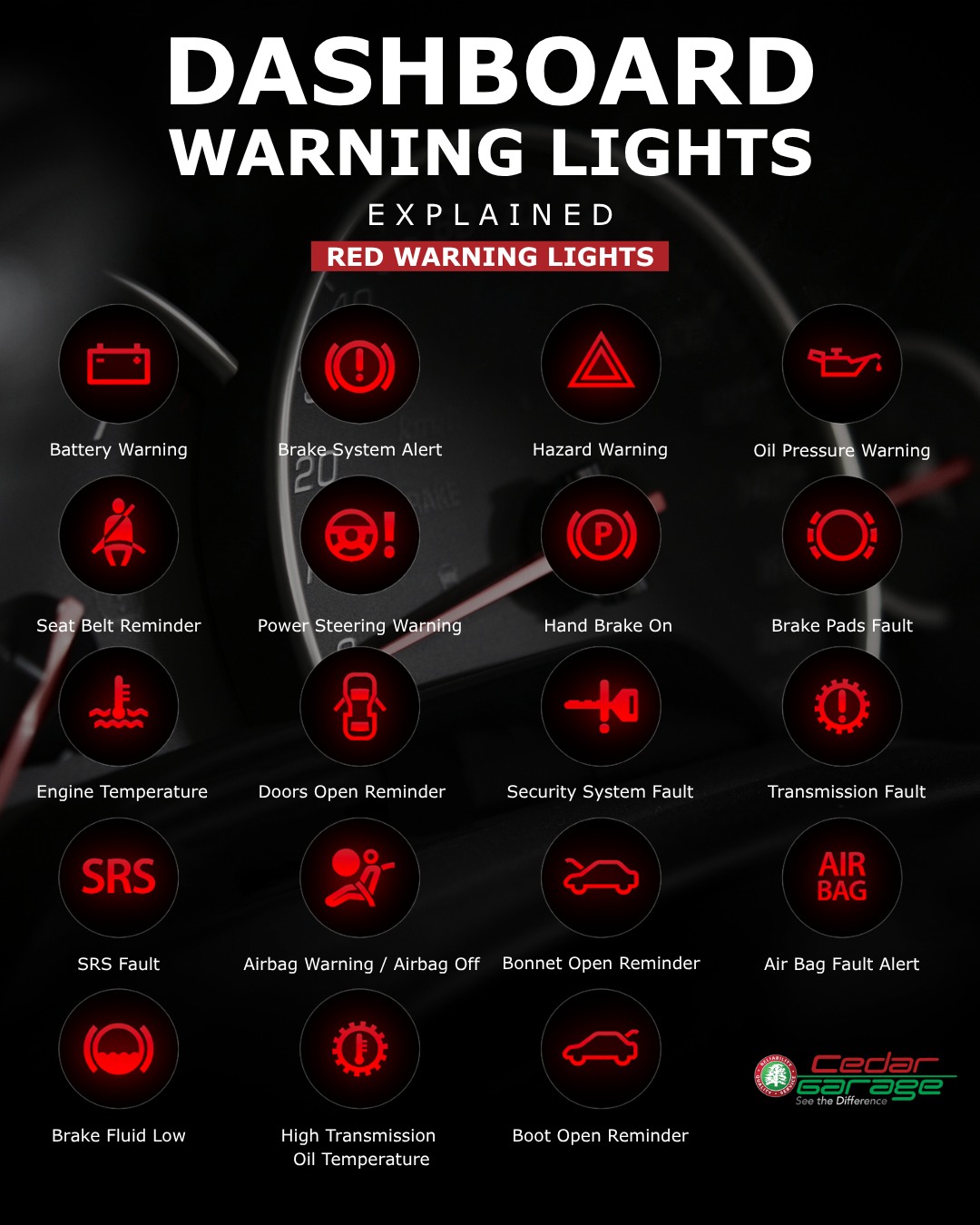
Brake Pad Indicator Lights are essential components in modern vehicles, serving as a crucial safety feature. These lights alert you when your brake pads are worn out and need replacement, ensuring your car maintains optimal braking performance. But does every car have them?
Purpose Of Indicator Lights
The primary purpose of brake pad indicator lights is to enhance your safety by notifying you of worn brake pads. Regularly checking these lights can prevent potential accidents caused by brake failure. Think of them as your car’s way of communicating its needs directly to you. It’s comforting to know your vehicle is looking out for your safety.
While driving, it’s easy to overlook the importance of maintaining brake pads until it’s too late. Indicator lights serve as a proactive reminder, allowing you to address issues before they escalate. Imagine the peace of mind knowing you can rely on these signals to keep your car safe.
Common Types Of Indicator Lights
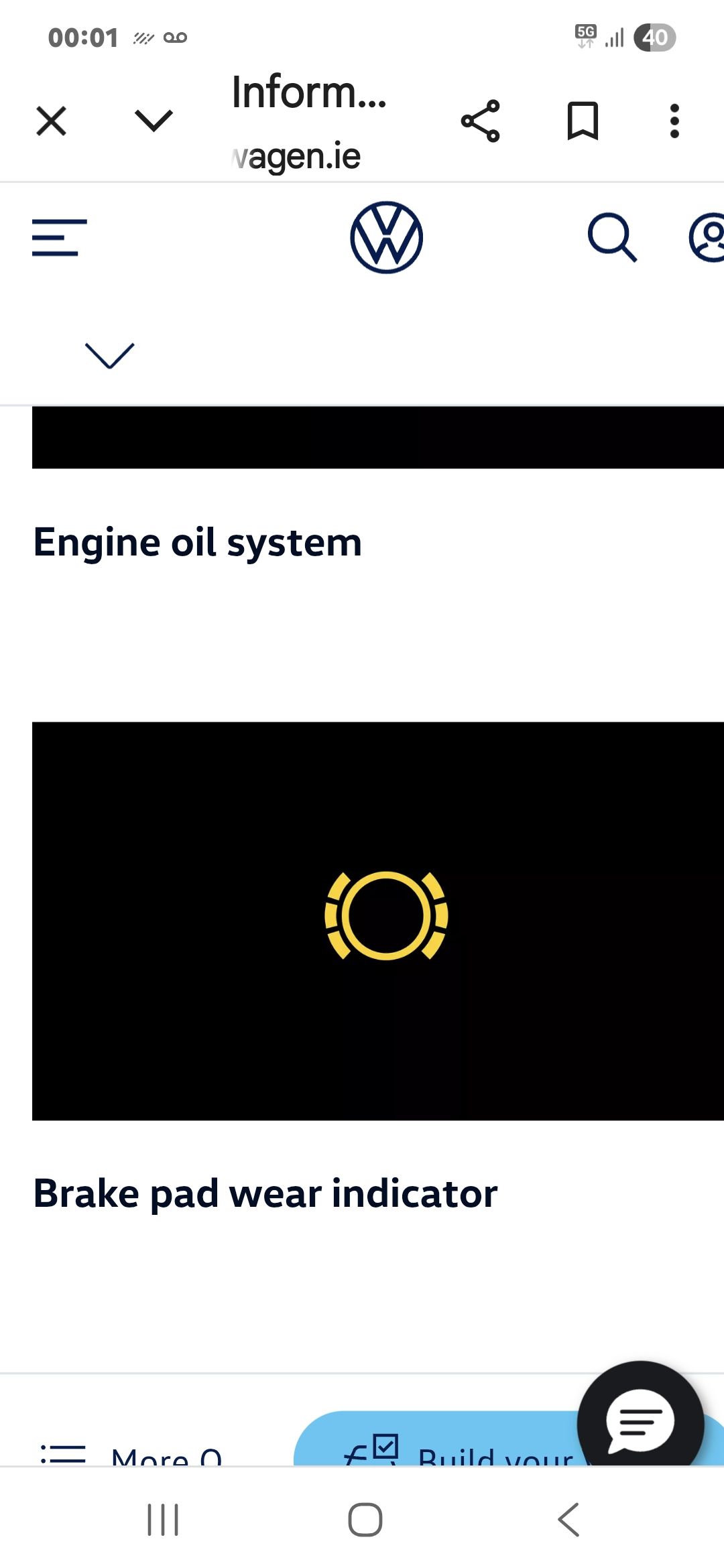
There are various types of brake pad indicator lights, each designed to cater to different vehicle models. The most common type is the dashboard light that illuminates when the sensors detect excessive wear. This straightforward signal is hard to miss, ensuring you take immediate action.
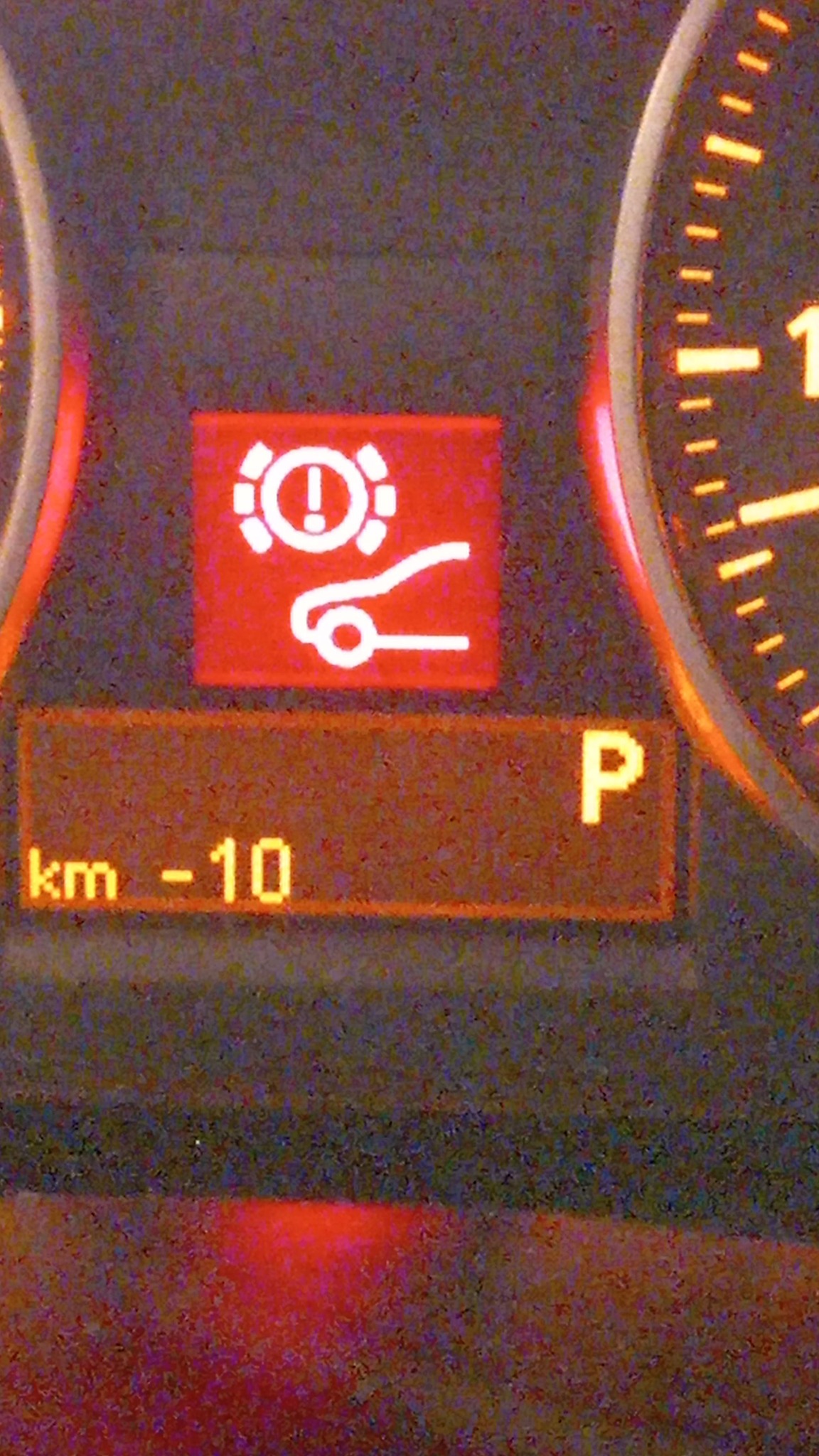
Some cars have advanced systems that provide more detailed information about brake pad conditions. These systems might display messages like “Check Brake Pads” or “Brake Service Required” on digital screens. Such detailed alerts can guide you to take specific actions, ensuring your car remains in top-notch condition.
Have you ever noticed a high-pitched squealing sound when applying brakes? Some vehicles use auditory indicators as a sign of worn brake pads. This sound serves as an additional alert, nudging you to inspect your brakes even if the dashboard light hasn’t turned on.
Does your vehicle have indicator lights for brake pads? Knowing the types of indicators can help you stay ahead in maintaining your vehicle’s braking system. Be proactive and ensure your car’s safety features are functioning correctly.
Credit: m.facebook.com
Variations Among Car Models
When it comes to understanding your car’s brake system, you might wonder whether every vehicle has an indicator light for brake pads. The answer is not as straightforward as you might think. Variations among car models play a significant role in determining the presence of these indicator lights. Some cars come equipped with advanced warning systems, while others rely on traditional methods to alert you to brake pad issues. Let’s explore how different car models cater to brake pad monitoring.
Luxury Vs. Budget Vehicles
Luxury vehicles often boast a plethora of technological features. It’s no surprise that they usually have sophisticated brake pad indicator lights. These cars are designed for maximum comfort and safety, offering real-time updates on your brake system’s health. Imagine driving a high-end sedan that alerts you the moment your brake pads start wearing thin. It’s a seamless experience that offers peace of mind.
In contrast, budget vehicles may prioritize affordability over advanced features. While they may have basic indicators for critical issues, a brake pad indicator light might not be standard. You might need to rely on physical inspections or auditory cues like squealing noises to assess brake pad condition. It’s a trade-off between cost and convenience that can affect your driving experience.
Differences In Old Vs. New Models
Older car models often lack the sophisticated technology found in newer vehicles. You might find yourself remembering to check your brake pads manually or scheduling regular maintenance checks. While these cars may have a simple warning system for brake issues, they might not specifically target brake pad wear.
Newer models, on the other hand, frequently integrate comprehensive monitoring systems. These cars may provide dashboard alerts, notifying you when your brake pads need attention. This advancement in technology helps ensure safer driving conditions and reduces the likelihood of brake failures. Ask yourself: Is your car’s age affecting your ability to keep track of brake pad health?
Technological Advancements
Technological advancements in cars have transformed the driving experience. Today, many cars offer features that enhance safety and performance. One significant development is the indicator light for brake pads. This feature alerts drivers about brake pad wear, ensuring timely maintenance. Not all cars have this feature, but it is becoming more common.
Integration With Brake Systems
The integration of indicator lights with brake systems is a major advancement. Modern cars use sensors to monitor brake pad wear. These sensors send signals to the car’s computer system. When pads wear down, the indicator light on the dashboard turns on. This alerts drivers to replace the brake pads soon. Such integration helps in maintaining optimal brake performance.
Impact Of Electronic Systems
Electronic systems play a crucial role in this technology. They provide accurate and real-time data about brake pad condition. This data helps in preventing brake failure. Electronic systems also enhance vehicle diagnostics. They allow technicians to quickly identify and fix brake issues. This reduces maintenance time and improves vehicle safety.
Alternatives To Indicator Lights
While indicator lights for brake pads can be a convenient feature in modern vehicles, not every car is equipped with them. Fortunately, there are several alternative methods to ensure your brake pads are in good condition. These methods can be just as effective and may even offer a more hands-on approach to car maintenance. Whether you’re a seasoned car enthusiast or a casual driver, understanding these alternatives can keep your car running smoothly and safely.
Visual Inspections
Visual inspections are a straightforward and effective way to monitor the health of your brake pads. By regularly checking the thickness of the brake pads, you can determine if they need replacing. Many brake pads have a wear indicator that looks like a thin groove; if this groove is nearly worn away, it’s time for new pads.
Don’t forget to look out for excessive dust or unusual wear patterns. These could signal underlying issues that need professional attention. A simple flashlight can be your best friend during these inspections, illuminating areas that are hard to see.
Regular Maintenance Checks
Regular maintenance checks are crucial for the longevity of your vehicle. Scheduling routine inspections with a trusted mechanic can help catch any brake issues early. These checks often include a thorough examination of the brake system, ensuring that everything is functioning as it should.
It’s also beneficial to keep a record of these checks. This documentation can provide valuable insights into the wear and tear of your brake pads over time. Consider setting reminders to schedule these checks, especially before long road trips or during seasonal changes.
Are you relying solely on technology to warn you of potential brake issues? Remember, a proactive approach can prevent unexpected surprises on the road. Embrace these alternatives to indicator lights and maintain control over your vehicle’s safety.
Importance Of Brake Pad Maintenance
Maintaining brake pads is crucial for vehicle safety. They ensure your car stops effectively. Over time, brake pads wear down. This increases the risk of accidents. Regular checks prevent this danger. Timely maintenance enhances performance and safety.
Safety Considerations
Brake pads are vital for safe driving. Worn pads increase stopping distance. This can lead to collisions. Good brake pads offer better control. They help in emergency stops. Regular inspection prevents brake failure. Safe brakes protect you and others.
Cost Implications
Ignoring brake maintenance can be costly. Worn pads damage other parts. This increases repair expenses. Replacing pads is cheaper than fixing major damage. Regular checks save money in the long run. Proper maintenance avoids costly breakdowns.
Credit: www.facebook.com
Credit: www.facebook.com
Frequently Asked Questions
Does My Car Have A Brake Pad Wear Indicator?
Check your car manual or dashboard for a brake pad wear indicator light. Many modern cars include this feature. If unsure, consult your mechanic for confirmation.
Do You Get A Warning Light For Brake Pads?
Many modern cars have a warning light for brake pads. This light indicates the need for replacement. Regularly check your vehicle manual for specifics. Always address brake pad warnings promptly for safety.
Do All Brake Pads Have Squealers?
Not all brake pads have squealers. Some come with wear indicators, while others don’t. Squealers alert drivers to worn-out pads, ensuring timely replacement. Always check product specifications to know if squealers are included. Regularly inspect your brakes to maintain safety and performance.
Is There An Indicator Light For Brakes?
Yes, vehicles typically have a brake indicator light. It alerts drivers to brake system issues. If illuminated, check brakes immediately for safety. Consult your vehicle manual for specific guidance. Regular maintenance ensures optimal brake function.
Conclusion
Understanding brake pad indicators is crucial for car safety. Not all cars have this feature. So, check your car’s manual. Know the signs of worn brake pads. Listen for unusual noises when braking. Feel for a spongy brake pedal. Regular brake checks can prevent accidents.
Visit a mechanic if unsure. Safety should always be a priority. Keep your car in good condition. Regular maintenance saves money in the long run. Protect yourself and others on the road. Stay informed, stay safe.