
Have you ever wondered if your dash cam keeps working even when your car is off? Imagine this: you park your car, lock it up, and walk away.
But what happens if an incident occurs while you’re not around? This question can leave many drivers feeling uncertain and curious. Understanding how your dash cam operates when your car is off could be crucial in capturing unexpected events and ensuring your peace of mind.
You’ll discover whether your dash cam continues to keep watch, and what features you might need to ensure your vehicle’s safety even when you’re not behind the wheel. Stay with us, as unraveling the mystery of your dash cam’s capabilities might just be the key to safeguarding your car against unforeseen situations.
Dash Cam Basics
Dash cams have become essential for many drivers. These compact devices record video footage while you drive. They capture events on the road, offering evidence in case of accidents.
Functionality And Components
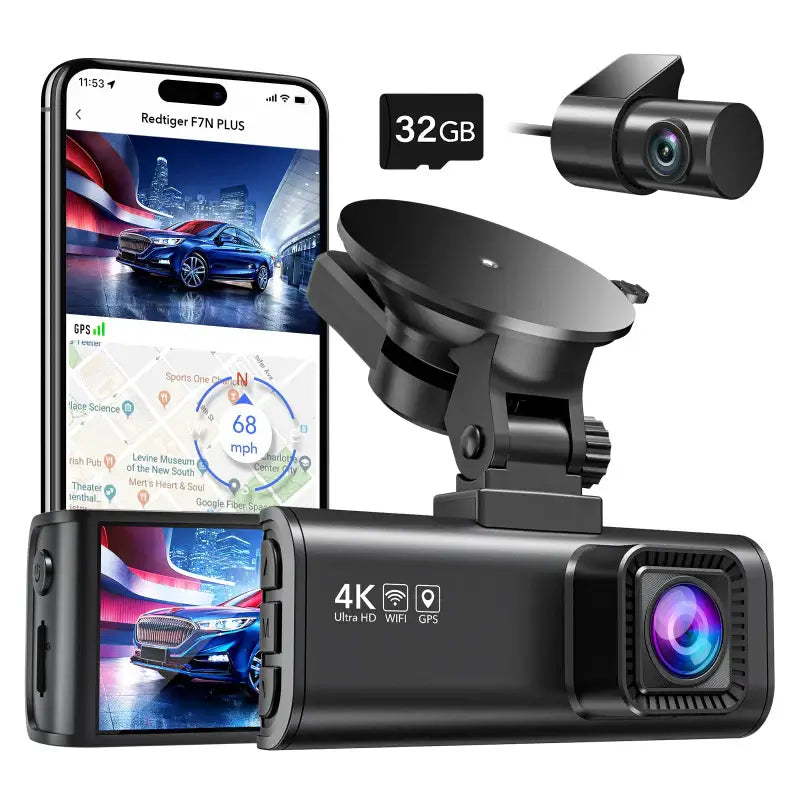
Dash cams consist of a camera, storage, and power source. The camera records high-quality video. Storage is usually a microSD card, storing hours of footage. Power comes from the car’s battery or a separate source.
Some dash cams have GPS to track location and speed. Others have motion sensors and night vision. These features enhance recording capability, ensuring reliable footage.
Types Of Dash Cams
There are several types of dash cams available. Single-channel dash cams record the front view only. Dual-channel dash cams capture both front and rear views. This type offers more comprehensive coverage.
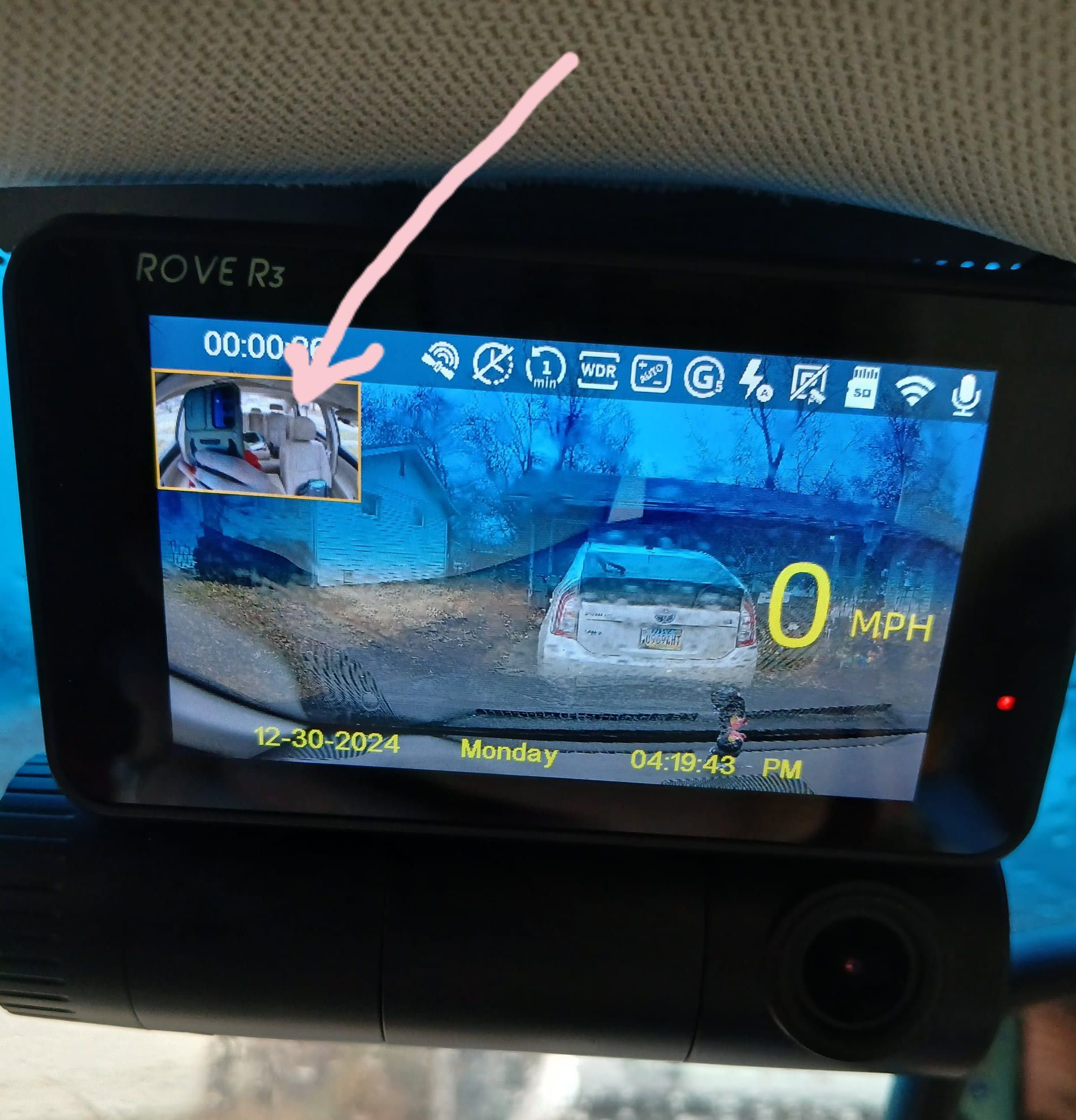
Another type is the cabin-facing dash cam. It records the interior of the vehicle. This is useful for taxis and ride-sharing drivers. Some dash cams are equipped with Wi-Fi. This allows easy transfer of footage to a smartphone or computer.
Credit: www.facebook.com
Power Source Options
Dash cams can function even when the car is off if connected to a continuous power source. Options include hardwiring the dash cam to the vehicle’s battery or using external battery packs. These methods ensure uninterrupted recording, providing security and peace of mind.
When your car is off, you might wonder if your dash cam continues to work. The answer often lies in the power source options available for your dash cam. Understanding these options can help you decide what suits your needs best and ensure your dash cam is always ready to capture important footage.Internal Battery
Dash cams with internal batteries offer flexibility. While they can operate when the car is off, the recording time is limited. Typically, these batteries last for about 30 to 60 minutes. This is handy for short stops or if you need to quickly grab footage without turning on your vehicle. However, relying solely on the internal battery might not be enough for long durations.External Power Supply
An external power supply is a robust option for extended recording. You can use a hardwire kit to connect the dash cam directly to your car’s fuse box. This ensures continuous power even when your car is parked. Alternatively, some users opt for a portable power bank. This method is convenient but requires regular charging. It’s crucial to consider how much power your dash cam consumes to choose the right external source.Parking Mode Features
Many modern dash cams come equipped with parking mode features. These features are designed to monitor your car when it’s off, using minimal power. They often activate when motion or impact is detected, capturing crucial events like hit-and-run accidents. Some dash cams use buffered parking mode, recording continuously but saving only the relevant footage. Explore if your dash cam supports this feature, as it adds an extra layer of security without draining the battery. Have you ever considered how important it is to capture unexpected events while your car is parked? Your choice of power source can be the difference between having the footage you need and missing critical moments.Impact On Car Battery
Dash cams can drain a car battery if they’re left on while the car is off. Many dash cams have a parking mode, which activates when the car is off. This mode uses the battery, potentially causing it to drain faster if not monitored.
When considering whether a dash cam works when your car is off, one crucial aspect to examine is the impact on your car battery. Dash cams can be a valuable tool for recording while parked, capturing incidents, or safeguarding against theft. However, the power draw from these devices can affect your vehicle’s battery life. Understanding how this works and taking preventive steps can help you use your dash cam without compromising your car’s battery health.Battery Drain Concerns
Dash cams can potentially drain your car battery if left running for extended periods when the vehicle is off. This is particularly true if your dash cam lacks a parking mode feature, which is designed to minimize power usage when the car is not running. If your dash cam continuously records without a power management feature, it could lead to a dead battery, especially in older vehicles or those with weaker batteries. Imagine returning to your car after a long day, only to find it won’t start—frustrating, isn’t it? To mitigate this, it’s essential to know your dash cam’s power consumption rate. Check the device’s specifications or consult with the manufacturer to understand how much power it uses when the car is off.Preventive Measures
There are practical steps you can take to prevent battery drain while still benefitting from your dash cam’s features. One effective method is to use a dash cam with a built-in battery or capacitor. These models store energy and can operate for a short time after the ignition is turned off. Another preventive measure is installing a dash cam with parking mode, which activates only when motion or impact is detected, significantly reducing battery consumption. Additionally, consider using a hardwiring kit with a low-voltage cutoff feature, which automatically shuts off the dash cam when the battery reaches a certain level to prevent complete drainage. Regularly monitoring your car’s battery health is also advisable. A healthy battery is less susceptible to being drained by dash cam usage. Wouldn’t it be reassuring to know your dash cam is protecting your vehicle without compromising its ability to start? By taking these measures, you can enjoy the benefits of a dash cam without worrying about battery issues. How do you ensure your dash cam doesn’t drain your car battery?
Credit: www.youtube.com
Installation Techniques
Dash cams can work when the car is off if they have a continuous power supply. Hardwiring kits connect the dash cam to the car’s fuse box, allowing it to operate even when the engine is off. Battery-powered options also provide power when the vehicle is not running.
Installing a dash cam requires thoughtful techniques to ensure it functions even when the car is off. Understanding how these devices are powered can help you choose the right installation method. Let’s explore two common methods for keeping your dash cam active: hardwiring and using power banks.Hardwiring Dash Cams
Hardwiring connects the dash cam directly to the car’s electrical system. This method ensures continuous power. It keeps the camera running even when the ignition is off. Locate the fuse box in your vehicle. Choose a fuse that provides constant power. Use a fuse tap to connect the dash cam. This approach prevents battery drainage by using a low-power setting.Using Power Banks
Power banks offer a portable solution. They provide power to the dash cam independently of the car. Choose a high-capacity power bank. Connect it to the dash cam using a USB cable. This method is simple and versatile. It allows the dash cam to record without relying on the car’s battery. Recharge the power bank regularly to ensure uninterrupted operation.Dash Cam Models
Dash cam models vary widely in features and functionality. Some are basic, capturing footage while driving. Others offer advanced capabilities like parking mode, recording even when the car is off. Choosing the right model depends on your needs and budget. Understanding different models helps in making an informed decision.
Models Designed For Parking Mode
Parking mode dash cams operate when the car is off. They monitor surroundings for motion or impact. These models have built-in batteries or use car battery connections. Some models include a buffered recording feature. This captures a few seconds before an event. Motion detection and time-lapse recording are common features.
Popular Brands And Features
Many brands offer parking mode dash cams. Garmin, BlackVue, and Thinkware are popular choices. Garmin models often include GPS and voice control. BlackVue excels in cloud connectivity and remote viewing. Thinkware focuses on safety alerts and advanced parking mode. Features vary across models within each brand. Consider reliability, video quality, and ease of use when selecting a brand.
Credit: www.grdian.com
Legal Considerations
Understanding the legal considerations of dash cams is crucial. They offer security benefits, but legal nuances exist. When your car is off, the dash cam might still record. This can raise legal questions.
Recording Laws
Recording laws vary by location. Some places require consent from all parties being recorded. Others allow one-party consent. Check local laws before using your dash cam. Non-compliance can lead to fines or legal issues.
Privacy Issues
Dash cams can capture sensitive information. People recorded may have privacy concerns. Always respect privacy rights. Inform passengers if the dash cam records when the car is off. Avoid pointing the camera towards private properties.
User Experiences
A dash cam can work even when the car is off, depending on the model and power source. Some dash cams have built-in batteries or use low power modes to capture footage continuously. Others might need a hardwired connection to the vehicle’s battery for uninterrupted recording.
User experiences with dash cams vary widely. Many users share their stories on how dash cams perform when the car is off. These experiences provide insight into real-world scenarios. Let’s explore some testimonials and challenges faced by users.Testimonials And Reviews
Many users appreciate the security dash cams offer. One user stated their dash cam recorded a hit-and-run. The vehicle was parked, yet the camera captured everything. Another user shared a different story. Their dash cam helped after a break-in. The footage aided the police investigation. Reviews often highlight battery life concerns. Some dash cams can drain the car battery. Users suggest using models with parking mode. This feature activates only when motion is detected.Common Challenges
Dash cam installation can be tricky for some. Connecting to the car’s fuse box is a common hurdle. Users report mixed success with this method. Another challenge is memory card capacity. Long recordings require large storage space. Users often need to clear old footage regularly. Weather conditions can affect dash cam performance. Extreme temperatures may cause cameras to malfunction. Users recommend checking specifications for temperature range. This ensures reliable performance in all conditions. Regular updates are also important. Firmware updates fix bugs and improve functionality.Frequently Asked Questions
Do Dash Cams Record When The Car Is Off?
Dash cams usually do not record when the car is off. However, some models have parking mode which allows recording even when the engine is off. This feature is designed to capture incidents while the vehicle is parked, using the dash cam’s internal battery or a hardwired connection.
How Does Parking Mode Work In Dash Cams?
Parking mode works by using sensors to detect motion or impacts. When triggered, the dash cam starts recording. It relies on a built-in battery or a direct connection to the car’s battery. This mode is ideal for capturing events like theft or vandalism when the car is stationary.
Can Dash Cams Drain Car Battery When Off?
Dash cams can drain the car battery if left connected in parking mode. To prevent battery depletion, many dash cams have low-voltage cutoff features. This automatically turns off the dash cam if the car battery drops below a certain voltage, ensuring the vehicle’s battery remains healthy.
What Is The Lifespan Of A Dash Cam Battery?
The lifespan of a dash cam battery varies by model and usage. Typically, built-in batteries last for 30 minutes to a couple of hours on parking mode. Regularly charging and proper maintenance can extend battery life. It’s important to check the battery capacity before purchase for extended recording needs.
Conclusion
Dash cams offer great security for your vehicle. They can work when the car is off, but require specific setups. Parking mode and hardwiring can help. These options ensure continuous recording. This keeps your car protected even when parked. Always check your dash cam’s features.
Some need extra equipment for parking mode. Consider battery life and storage capacity too. Investing in a good dash cam setup can offer peace of mind. Stay informed and choose the best option for your needs. Your car’s safety matters.