
Imagine this: You park your car in a busy city street, head to your destination, and hours later return to find a mysterious dent or scratch. Frustrating, isn’t it?
You might wonder if your dash cam could have captured the culprit while your car was stationary. This scenario isn’t just a figment of imagination; it’s a common concern for many drivers. You want your dash cam to be your all-seeing guardian, even when you’re not behind the wheel.
But does it work when your car is parked? Understanding this aspect can save you from headaches and give you peace of mind. Dive into the details, and discover how a dash cam can be your vigilant protector, whether your car is cruising down the highway or quietly parked.
Dash Cam Basics
Dash cams are small cameras installed in vehicles. They record your journeys and provide crucial evidence in accidents. Many people wonder if dash cams work when the car is parked. Understanding the basics can help you decide if a dash cam is right for you.
Functionality Overview
Dash cams typically record video while you drive. They capture footage from the front and sometimes rear of your car. Most dash cams start recording when you turn on your car. But some models offer parking mode. This mode records activity around your vehicle when parked. Parking mode usually activates through motion detection or impact sensors. This feature can help capture incidents like hit-and-runs.
Types Of Dash Cams
Several types of dash cams are available. Basic dash cams record only while driving. They are affordable and simple to use. Dual-channel dash cams record both front and rear views. They provide more comprehensive coverage. Advanced dash cams offer parking mode and other features. They might require a hardwire kit for power when the car is off. Some dash cams even come with GPS and Wi-Fi capabilities.
Parking Mode Features
Discover how parking mode features allow dash cams to work even when the car is parked. This function monitors your vehicle, capturing incidents or movements, ensuring peace of mind while you’re away.
Parking Mode Features Imagine returning to your car only to find a mysterious dent or scratch. Frustrating, right? This is where the parking mode feature of a dash cam becomes your silent guardian. It watches over your vehicle even when you’re not around, capturing incidents that occur while your car is parked. But how exactly does this feature work, and what should you know to make the most of it?What Is Parking Mode
Parking mode is a special function in many dash cams designed to monitor your car while it’s parked. Unlike regular recording, it only activates when movement or impact is detected. This ensures that the dash cam isn’t constantly recording, saving both storage space and battery life. Some dash cams use motion sensors, while others rely on impact sensors or both. This feature is invaluable in crowded parking lots or on busy streets. It can capture video evidence in case of theft, hit-and-runs, or vandalism.Activation And Operation
Activating parking mode can be as simple as toggling a setting in the dash cam’s menu. Some models switch automatically from driving mode to parking mode once the engine is turned off. Others may require a hardwired kit to connect the dash cam to your car’s battery for continuous power. Once activated, the camera stands by, ready to record any suspicious activity. If movement or impact is detected, the dash cam begins recording, capturing vital footage. This footage can be crucial for insurance claims or identifying culprits. When choosing a dash cam with parking mode, consider its power consumption and recording quality. A model with low power consumption can protect your car without draining the battery. High-quality video ensures clear evidence, even in low light conditions. Does your dash cam have parking mode? If not, you might be missing out on a valuable layer of protection.Power Source Options
When your car is parked, you might wonder how your dash cam continues to function. The secret lies in its power source options, which ensure your dash cam stays active to record crucial footage even when you’re not around. Understanding these options can help you make the best choice for your needs.
Battery-operated Dash Cams
Battery-operated dash cams are a convenient choice if you prefer simplicity. They rely on internal batteries to operate, which means no complicated installation. However, battery life can vary greatly.
Some models last a few hours, while others might stretch to an entire day. Consider how long your car is parked to determine if this option suits you.
Is it worth swapping out batteries frequently to ensure constant surveillance?
Hardwired Dash Cams
Hardwired dash cams offer a more permanent solution. They connect directly to your car’s electrical system, ensuring a constant power supply. Installation might require professional help but is well worth the investment.
This setup allows for continuous recording, even if your car is parked for extended periods. Plus, it eliminates the hassle of battery replacement.
Are you ready to commit to the effort and cost for peace of mind?
External Battery Packs
External battery packs provide flexibility and extended power options. These packs can be charged separately and then connected to your dash cam. This makes them ideal for prolonged parking situations.
They’re portable and easy to swap out, but remember to keep them charged. It’s a balance between convenience and maintenance.
Could this be your perfect compromise between battery life and ease of use?
Recording Capabilities
Have you ever wondered if your dash cam continues to function when your car is parked? Understanding the recording capabilities of your dash cam is essential for ensuring your vehicle’s security, even when you’re not around. This section will delve into the different recording modes that modern dash cams offer, enabling you to make the most out of your device.
Continuous Recording
Continuous recording is a feature that keeps your dash cam running at all times, even when your car is parked. This mode is perfect for capturing everything around your vehicle without any breaks. However, be mindful of your car battery’s health, as continuous recording can drain it over time.
Many users feel at ease knowing that every moment is being documented. Imagine returning to your car after shopping, only to find a new dent; continuous recording could hold the key to identifying the culprit.
Motion Detection
Motion detection is a smart feature that activates the dash cam only when movement is detected around the vehicle. This mode conserves battery life and storage space, as it doesn’t record when there’s no activity. It’s ideal for monitoring parking lots or your driveway.
Picture this: you leave your car at the airport parking for a week. Motion detection ensures you’re only capturing relevant footage, without sifting through hours of idle recordings.
Impact Detection
Impact detection, also known as G-sensor technology, triggers the dash cam when it senses a sudden jolt or shock, such as a collision. This mode is crucial for capturing critical moments that could serve as evidence in disputes or insurance claims.
Have you ever worried about hit-and-run incidents? Impact detection is your silent guardian, ready to record the vital seconds before and after an unexpected impact.
Do these features align with your security needs? Consider your daily routines and parking situations to choose the best recording mode for your lifestyle. Your dash cam is more than just a gadget—it’s a vigilant protector while you’re away from your vehicle.
Benefits Of Parking Mode
Parking mode in dash cams offers protection even when the car is stationary. It records events around your vehicle, safeguarding against theft or vandalism. This feature ensures peace of mind by capturing crucial footage when your car is unattended.
The ‘Parking Mode’ feature of dash cams offers notable benefits for car owners. It ensures your vehicle remains protected even when parked. This functionality is a game-changer for enhancing security and providing clear evidence during incidents.Security Enhancement
Parking mode boosts your car’s security. It records any suspicious activity around your parked vehicle. This feature acts as a deterrent to potential theft or vandalism. Dash cams capture clear footage, making it easier to identify culprits. Having recorded evidence can assist in filing police reports. This peace of mind is invaluable for car owners.Accident Evidence
Dash cams with parking mode provide crucial accident evidence. They record footage during minor bumps or major collisions. This is useful for proving fault in insurance claims. The recorded videos offer unbiased proof of events. They help resolve disputes and avoid fraudulent claims. This feature saves time and simplifies the claims process.Limitations And Challenges
Understanding if a dash cam works when the car is parked involves recognizing its limitations and challenges. Power supply and storage capacity can limit functionality. Additionally, not all dash cams have parking mode, and installation may require professional help for continuous power.
Parking your car with peace of mind is a dream for many. A dash cam can help, but it’s not without its quirks. While these devices offer a layer of security, they come with their own set of limitations and challenges. Understanding these can help you decide if a dash cam is right for your parked car.Battery Drain Issues
Leaving your dash cam running while parked can significantly drain your car’s battery. Many dash cams rely on the car’s battery for power, which means the longer it records, the more energy it consumes. You might find your car struggling to start after a long day parked with the dash cam running. Some dash cams offer parking mode features that are designed to use less power, but even these can impact battery life. Consider using a dash cam with its own battery or a separate power source to avoid this issue. Are you ready to risk your car not starting just to catch a potential incident on camera?Storage Capacity Concerns
Continuous recording can quickly fill up your dash cam’s storage. If your dash cam lacks sufficient storage, you might miss capturing crucial moments. This is especially challenging if you park in high-traffic areas where incidents are more likely. To manage this, look for dash cams that offer loop recording, which automatically overwrites old footage. However, this means you need to regularly check and back up important footage before it’s erased. Are you prepared to stay on top of your dash cam’s storage needs to ensure you capture every necessary detail?Installation Tips
Installing a dash cam can be straightforward. Yet, to ensure it works when parked, proper installation is vital. This guide provides practical tips for a successful setup.
Choosing The Right Dash Cam
Select a dash cam with parking mode features. This allows it to record while parked. Ensure it has a reliable power source. Hardwiring kits are ideal for this purpose. Consider models with motion detection. They activate recording when motion is sensed.
Optimizing Setup
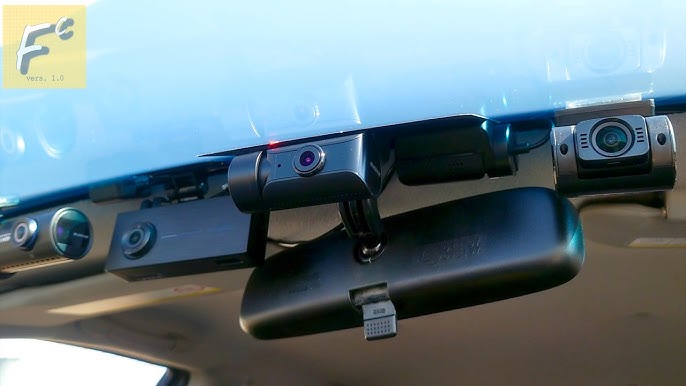
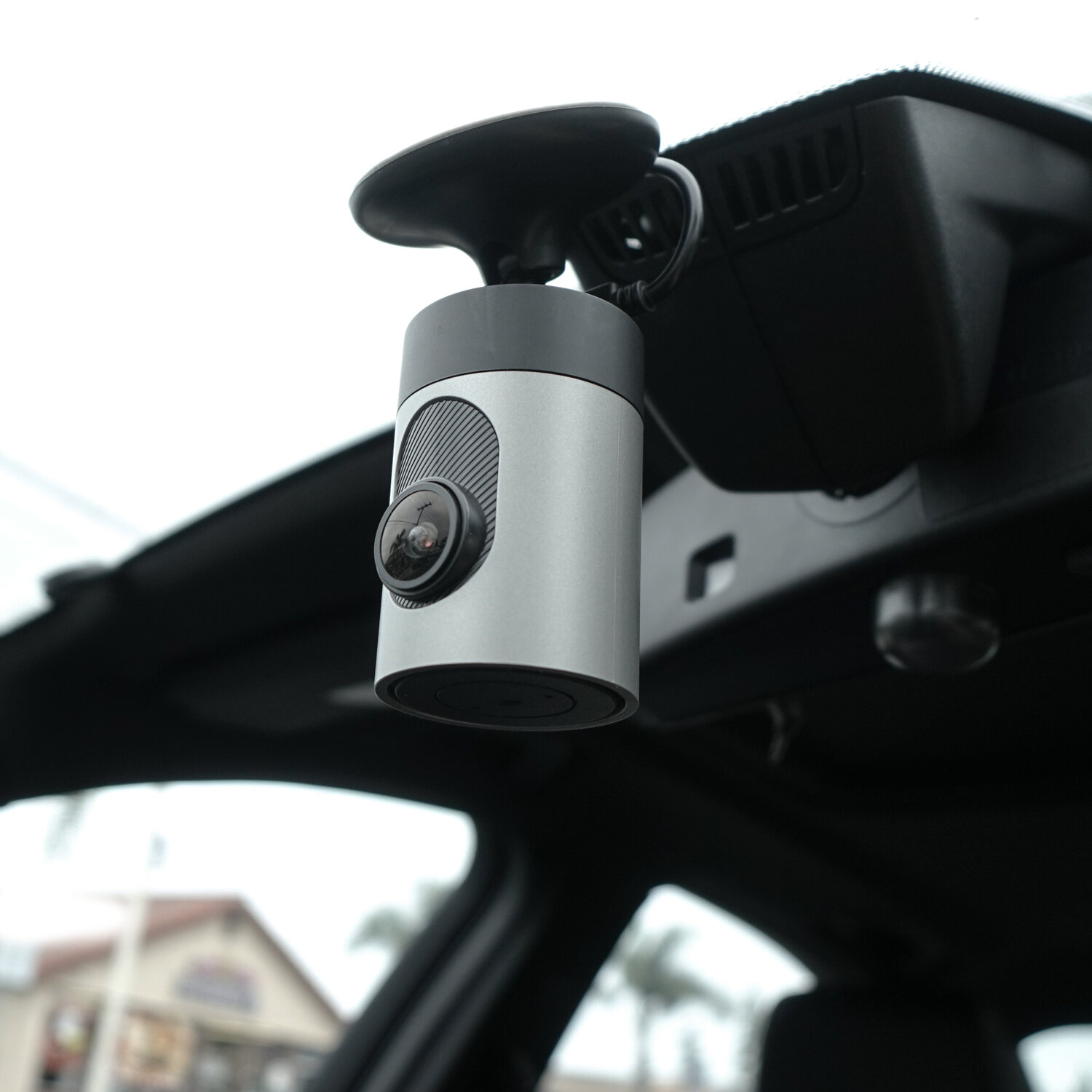
Position your dash cam for the best view. Place it near the rear-view mirror for a clear road view. Ensure it’s not obstructing your vision. Secure the wiring neatly around the edges. This prevents distractions and maintains a clean look.
Use a hardwiring kit for power. Connect it to the vehicle’s fuse box. This ensures the camera stays on while parked. Avoid using the cigarette lighter socket. It may not provide power when the car is off.
- Test the dash cam after installation.
- Check if it records during parking mode.
- Adjust settings for sensitivity and recording duration.
Credit: www.grdian.com
Real-world Scenarios
Real-world scenarios often showcase the value of dash cams when cars are parked. These devices capture crucial footage during unexpected events. They offer peace of mind for vehicle owners.
Case Studies
Several case studies highlight dash cam effectiveness. One example involves a parked car damaged in a hit-and-run. The dash cam recorded the license plate of the fleeing vehicle. This footage helped police find the culprit. Another study shows a dash cam capturing a vandalism incident. The car owner used the video as evidence in court. These cases prove dash cams are valuable even when cars are stationary.
User Experiences
Many users share their dash cam stories online. One user reported catching a thief trying to break into their car. The dash cam’s night vision captured clear images of the suspect. Another user mentioned a neighbor accidentally hitting their parked car. The dash cam footage resolved the dispute amicably. These real-life experiences demonstrate the practical benefits of having a dash cam. Users feel secure knowing their vehicles are monitored.
Future Of Dash Cam Technology
The future of dash cam technology is incredibly exciting, promising advancements that could redefine vehicle security and convenience. As you consider whether a dash cam works when your car is parked, it’s crucial to understand how emerging innovations are set to transform this essential device. With continuous improvements, dash cams are becoming more than just a safety tool—they’re evolving into smart companions that enhance your driving experience.
Upcoming Innovations
Imagine a dash cam that not only records while you drive but also keeps an eye on your vehicle when parked. Upcoming innovations include enhanced motion detection technology, allowing dash cams to activate upon sensing movement around your car. Some models already offer cloud connectivity, storing footage in real-time, ensuring you can access it anytime, anywhere.
Artificial intelligence is also making its way into dash cams, offering features like automatic incident detection and categorization. This means your dash cam could soon alert you to suspicious activities or potential accidents without you having to sift through hours of footage. As these innovations become mainstream, your dash cam will become a crucial part of your vehicle’s security system.
Market Trends
The dash cam market is buzzing with trends that reflect a growing demand for smarter, more efficient devices. Many manufacturers are focusing on compact designs that blend seamlessly with your car’s interior, ensuring aesthetics don’t compromise functionality. There’s a rising interest in 360-degree cameras, providing comprehensive views that traditional dash cams might miss.
Another trend is the integration of dash cams with other smart car technologies. Some models are now compatible with mobile apps, allowing you to control and view footage directly from your smartphone. This integration enhances user experience, making it easier for you to manage your car’s security remotely. As these trends continue, you might find yourself relying on your dash cam not just for recording drives, but as a proactive measure to safeguard your vehicle.
So, what’s next for dash cams? Are we ready for devices that predict and prevent accidents? As technology advances, the possibilities are endless, and the role of dash cams in vehicle security is set to expand significantly. Are you prepared to embrace these changes and make the most of what future dash cams have to offer?

Credit: www.redtigercam.com

Credit: www.youtube.com
Frequently Asked Questions
Do Dash Cams Record While Parked?
Yes, some dash cams have a parking mode feature. This allows them to record when the car is parked. They usually use motion detection or impact sensors to start recording. Make sure your dash cam has a reliable power source to ensure continuous operation.
Is A Battery Needed For Parking Mode?
Yes, a battery or external power source is needed for parking mode. Dash cams rely on power to operate when the car is off. Many models come with built-in batteries or can be hardwired to the vehicle’s electrical system for constant power.
How Can I Install A Dash Cam For Parking?
Installing a dash cam for parking involves hardwiring it to your car’s power system. This ensures it has power even when the engine is off. You might need professional installation to avoid draining your car’s battery and ensure proper functionality.
Are Dash Cams Effective For Parked Cars?
Yes, dash cams are effective for parked cars with parking mode. They can capture incidents like theft or vandalism. Their effectiveness depends on the model and features, such as motion detection and video quality. Always select a dash cam suited for your specific needs.
Conclusion
A parked car can benefit from a dash cam. It captures incidents when you’re away. This device provides security. It records events around your vehicle. Some dash cams have motion sensors. They activate upon movement. It’s important to choose one with parking mode.
This ensures continuous protection. A dash cam offers peace of mind. It helps in case of damage or theft. Check for battery life and storage options. These features are crucial for parked recording. Investing in a dash cam is wise.
It safeguards your car even when parked. Keep your vehicle safe with this useful tool.