

Imagine driving down a scenic road, the sun shining through the trees, and suddenly, out of nowhere, a careless driver swerves into your lane. In moments like these, a dash cam can be your silent witness, providing clear evidence of what really happened.
You might be wondering, “Do I need a dash cam for my car? ” The answer might surprise you. A dash cam isn’t just a tool for recording accidents; it can also protect you from fraudulent claims, provide peace of mind, and even capture unexpected moments on the road.
As you explore whether a dash cam is a worthy investment, consider how it can safeguard your journeys and offer security in the unpredictable world of driving. Dive deeper into this article to uncover the compelling reasons why a dash cam might be your next must-have car accessory.
Benefits Of Using A Dash Cam
Dash cams are becoming popular among drivers for good reasons. They offer several benefits that enhance the driving experience. Whether for safety, evidence collection, or insurance fraud prevention, a dash cam proves to be a valuable addition to any vehicle.
Enhanced Road Safety
Dash cams encourage safer driving habits. Knowing you are being recorded can lead to more cautious driving. This reduces the risk of accidents. A safer road environment benefits everyone.
Accident Evidence Collection
Accidents happen unexpectedly. A dash cam captures real-time footage. This footage serves as crucial evidence. It helps to clarify events during disputes. Such evidence is vital in legal situations.
Insurance Fraud Prevention
Insurance fraud is a concern for many drivers. Dash cams help in preventing false claims. The footage can prove your innocence. This saves you from unnecessary expenses and stress.
Parking Protection
Parking lots can be risky. Incidents like hit-and-runs are common. A dash cam can record suspicious activities. This offers peace of mind when your car is unattended. It acts as a deterrent to potential vandals.
Types Of Dash Cams
Exploring dash cam types can help drivers choose wisely. Basic models offer front view recording, while dual cams capture front and rear. Advanced models include GPS tracking and night vision. Each type serves different needs, from simple protection to comprehensive surveillance.
In today’s fast-paced world, dash cams have become valuable companions for drivers. Understanding the different types can help you choose the right one for your needs. Dash cams vary greatly in features and function, catering to various driving situations and preferences. Let’s explore some popular types.Front-facing Dash Cams
Front-facing dash cams are the most common type. They capture footage from the front of your vehicle. Ideal for recording incidents on the road, they provide evidence during accidents. Installation is usually simple, with a focus on capturing clear, high-definition video.Dual-lens Dash Cams
Dual-lens dash cams offer both front and rear views. They are perfect for those wanting comprehensive coverage. This type records what’s happening in front and behind your car. With dual lenses, you gain peace of mind knowing your entire journey is documented.Interior Dash Cams
Interior dash cams focus on the inside of your vehicle. They are useful for ride-share drivers or parents monitoring young passengers. These cams ensure safety by recording interactions within the car. Interior cams often feature night vision for clear footage, regardless of lighting.Smart Dash Cams
Smart dash cams are the tech-savvy choice. They connect to your smartphone, allowing remote access and control. Equipped with GPS, Wi-Fi, and cloud storage, smart cams offer advanced features. These high-tech options suit drivers who appreciate the latest technology.Key Features To Consider
When considering a dash cam for your car, focusing on key features can significantly enhance your driving experience. Not all dash cams are created equal, and understanding what to look for can make all the difference. Let’s dive into the must-have features that will ensure you get the most out of your investment.
Video Quality
The clarity of your footage is paramount. High-definition video quality, ideally 1080p or above, ensures that details such as license plates and road signs are easily discernible. This clarity becomes crucial in the event of an accident or when providing evidence to authorities.
Storage Capacity
You don’t want to constantly worry about running out of space. Look for dash cams that support large memory cards, at least 32GB or higher. This will allow for longer recording times and more peace of mind while on the road.
Night Vision
Driving doesn’t stop when the sun goes down, and neither should your dash cam’s performance. Ensure the dash cam has a good night vision feature, so it records clear footage even in low-light conditions. This can be a lifesaver when driving on dimly lit roads.
Gps And Speed Tracking
Having GPS and speed tracking in your dash cam can add an extra layer of security. It records your exact location and speed, which can be vital information if you need to dispute a speeding ticket or any other road incident.
Wi-fi Connectivity
Imagine being able to instantly access your footage without removing the memory card. Wi-Fi connectivity allows you to download videos directly to your smartphone. This feature is incredibly handy for quickly sharing footage with insurance companies or law enforcement.
When choosing a dash cam, which feature do you find most essential? Share your thoughts and experiences in the comments below!

Credit: www.which.co.uk
Legal Implications
The use of dash cams in vehicles has grown rapidly. Understanding the legal implications is crucial. Dash cams can provide critical evidence. But recording laws and privacy concerns vary. Knowing how dash cam footage is used in court is essential.
Recording Laws By Region
Different regions have unique recording laws. Some areas require consent from all parties. Others allow recording without consent. Be aware of local laws. Violating these laws could lead to penalties. Research your region’s rules before using a dash cam.
Privacy Concerns
Dash cams can raise privacy issues. Recording people without their knowledge can be a problem. Ensure your dash cam does not capture private areas. Respecting privacy is important. This helps avoid legal troubles and maintains trust.
Dash Cam Footage In Court
Dash cam footage is often valuable in court. It can clarify events during accidents. But not all footage is admissible. Ensure your recordings comply with laws. Properly recorded footage can strengthen your case. Consult legal professionals for advice.
Installation And Maintenance
Installing a dash cam enhances your car’s security by recording crucial events. Regular maintenance ensures optimal performance and longevity.
Installing a dash cam in your car can offer peace of mind. It records events on the road, providing evidence in case of accidents. Proper installation and maintenance ensure the dash cam works well. This section helps you decide between DIY or professional installation. It also offers tips for keeping your dash cam in top shape and troubleshooting common issues.Diy Vs Professional Installation
Choosing how to install your dash cam depends on your comfort level with tech. A DIY installation can be cost-effective if you feel confident. Most dash cams come with easy-to-follow instructions. Basic tools like screwdrivers may be needed. Ensure the cam is securely mounted and the wires are neatly tucked away. Professional installation guarantees a clean setup. Experts have the skills and tools for a seamless job. They ensure the camera is positioned for optimal recording. This option is ideal for those who prefer a hassle-free experience.Regular Maintenance Tips
Maintaining your dash cam is crucial for reliable performance. Regularly check and clean the lens to keep video clear. Dust and grime can affect recording quality. Inspect cables and connections to prevent loose wires. Ensure the memory card has enough space. Clear old files periodically to avoid storage issues. Update the software for new features and improved functionality.Troubleshooting Common Issues
Dash cams may sometimes face issues. If your camera doesn’t turn on, check the power connection. Ensure the power cable is plugged in securely. If the video is blurry, clean the lens gently with a soft cloth. For storage problems, format the memory card to free up space. If the cam freezes, a simple restart may resolve the issue. Check for software updates that can fix bugs.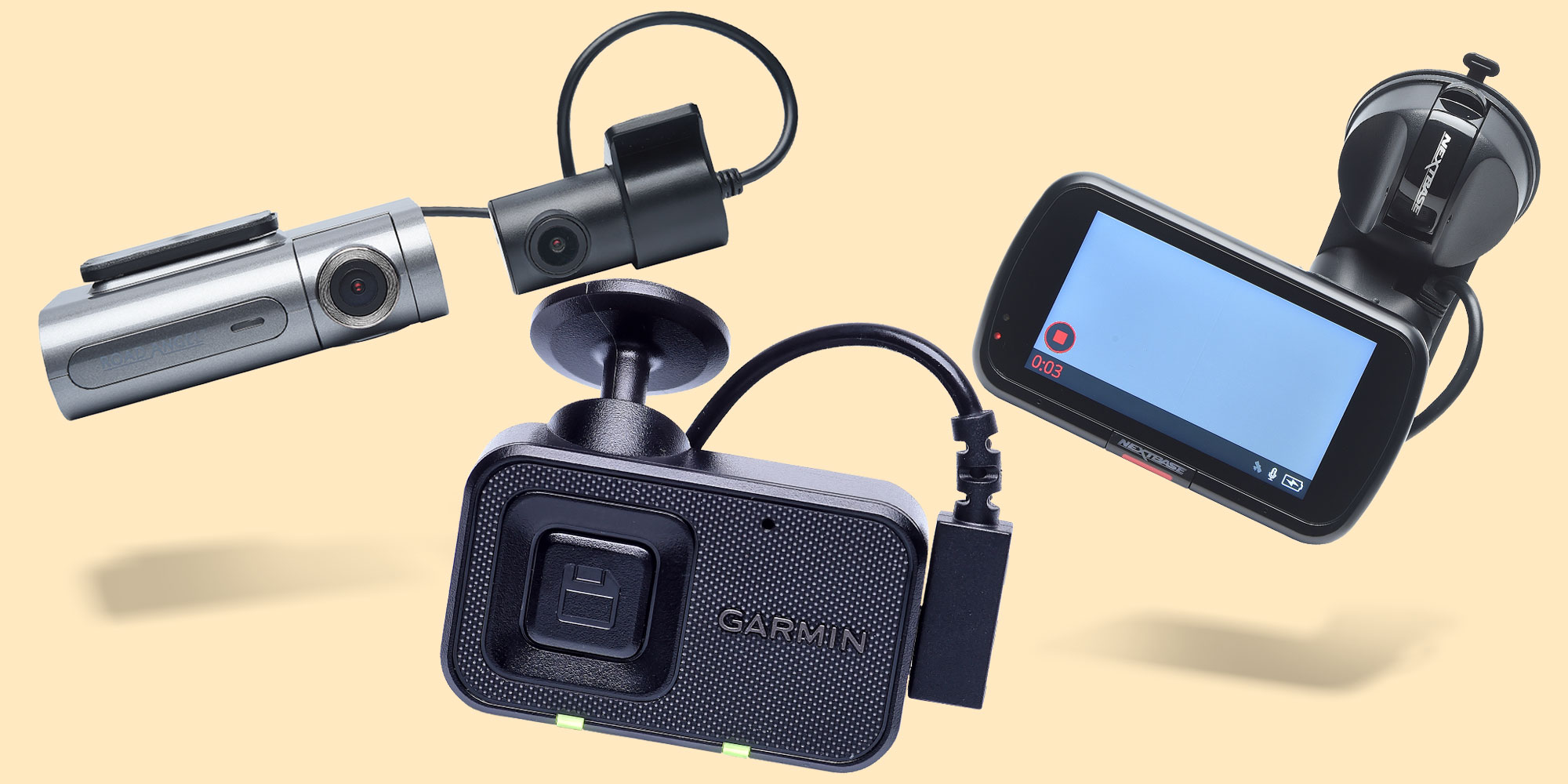
Credit: www.which.co.uk
Cost-benefit Analysis
Considering a dash cam for your car involves weighing costs against benefits. This analysis helps decide if the investment is worthwhile. Let’s explore the financial aspects involved.
Initial Investment
Dash cams vary in price. Basic models start around $50. Advanced models with features like GPS and night vision can cost over $200. Installation is usually simple, often requiring no professional help. A dash cam with higher resolution might mean a higher price. Choose based on your needs and budget.
Long-term Savings
Dash cams can reduce insurance premiums. Some insurers offer discounts if you have one installed. They provide evidence in accidents, potentially saving on legal fees. A dash cam can help avoid false claims. This saves money and stress over time.
Potential Financial Risks
Without a dash cam, you risk false insurance claims. These can lead to increased premiums. In disputes, lack of evidence can cost more in repairs or legal fees. A dash cam helps protect against these financial risks. Consider these potential costs when deciding on a dash cam.
Alternatives To Dash Cams
Smartphones and portable cameras can serve as alternatives to dash cams. They offer video recording with flexible mounting options.
When considering whether you need a dash cam, exploring alternatives is wise. Dash cams provide great security, but not everyone wants or needs them. There are several other options to consider for recording your drives. Each comes with its own set of features and limitations.Smartphone Apps
Smartphone apps can serve as a simple alternative to dash cams. Many apps offer video recording while you drive. They use your phone’s camera to capture footage. Some even have features like speed tracking. Many are free or low-cost. The downside? They drain your phone’s battery quickly. They also use a lot of storage space. You might need a car mount for stability. But, it’s an easy way to start recording your trips.Surveillance Systems
Home surveillance systems can monitor your car. If parked within range, they capture any suspicious activity. These systems offer high-quality video. They provide a broader view than dash cams. But, they only work when the car is stationary. Installation can be complex. And they don’t record your driving. They’re more for security when you’re not in the car.Pros And Cons Of Alternatives
Each alternative has its pros and cons. Smartphone apps are accessible and easy to use. But they require constant charging and storage management. Surveillance systems offer great security for parked cars. Yet, they don’t help while driving. They need proper installation and positioning. Consider what best suits your needs before deciding.
Credit: www.reddit.com
Frequently Asked Questions
What Are The Benefits Of A Dash Cam?
A dash cam provides video evidence during accidents, helping with insurance claims. It can capture reckless driving and parking incidents. Some dash cams offer GPS tracking and speed monitoring. They enhance security by recording suspicious activities around your vehicle. Overall, dash cams improve driver accountability and safety.
Can Dash Cams Lower My Insurance Rates?
Some insurance companies offer discounts for having a dash cam. It provides evidence in case of accidents, reducing fraudulent claims. Insurers may see dash cams as a proactive safety measure. However, check with your provider, as policies differ. Having a dash cam could potentially save you money.
Are Dash Cams Easy To Install?
Most dash cams are simple to install, requiring basic tools. They usually attach to the windshield or dashboard. Many models offer plug-and-play functionality with minimal wiring. Instructions are often included for straightforward setup. Professional installation is an option if you’re unsure.
Overall, installation is generally user-friendly.
How Do Dash Cams Store Footage?
Dash cams store footage on microSD cards, allowing for easy transfer. When the card fills, newer footage overwrites older videos. Some models offer cloud storage for backups. Storage capacity varies, so check the specifications. Regularly reviewing and saving important footage ensures you don’t lose critical evidence.
Conclusion
A dash cam can offer peace of mind. It records vital moments on the road. Accidents, disputes, or unexpected events get documented. You might find it helpful. Every driver faces uncertainties. A dash cam provides evidence. Think about your daily driving needs.
Consider your budget too. Dash cams vary in price. They come with different features. Some are basic, others advanced. Weigh the pros and cons. Decide if it suits your lifestyle. Remember, safety is key. A dash cam could be a wise investment.
Protect yourself and your vehicle. Stay safe and informed on your journeys.