

Imagine you’re driving on a foggy morning, where visibility is almost zero. You might wonder if your car needs fog lights to safely navigate through the haze.
Do cars have to have fog lights? This question can stir confusion and curiosity, especially if you find yourself in challenging weather conditions. You want to ensure your safety and that of your loved ones, but are fog lights really necessary?
This article will uncover the truth behind fog lights, their importance, and whether your vehicle should be equipped with them. Dive in to discover how fog lights can change your driving experience and protect you when the road ahead is obscured.
Purpose Of Fog Lights
Fog lights are not just an accessory; they serve a specific purpose that can enhance your driving experience. They are designed to improve visibility in challenging weather conditions like fog, heavy rain, or snow. But what exactly makes them so crucial?
What Are Fog Lights?
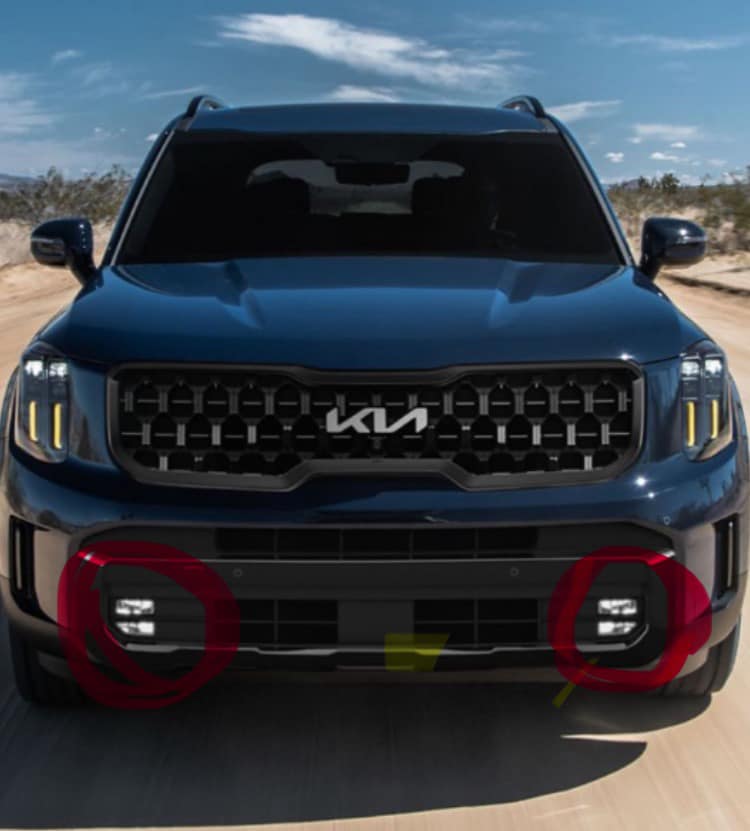
Fog lights are specialized lights positioned lower on a vehicle, typically mounted on the front bumper. Their placement is strategic, allowing them to cut through fog and illuminate the road directly in front of you. They produce a wide beam of light that is angled towards the ground, minimizing reflection and glare.
How Do Fog Lights Enhance Safety?
Driving in foggy conditions can be nerve-wracking, as reduced visibility increases the risk of accidents. Fog lights help by providing a clearer view of the road, enabling you to spot potential hazards earlier. This can be particularly beneficial on winding roads or in areas with frequent wildlife crossings.
When Should You Use Fog Lights?
Fog lights are most effective in low visibility situations. If you find yourself driving through thick fog, heavy rain, or snowstorms, turning on your fog lights can significantly improve your ability to see and be seen by other drivers. However, they are not meant for use in clear conditions as they can blind oncoming traffic.
Are Fog Lights A Legal Requirement?
While not mandatory in all regions, fog lights are a valuable feature that can enhance safety. Some countries require cars to have them, while others don’t. It’s important to know the regulations in your area and ensure your vehicle complies with them.
Next time you’re driving in less-than-ideal weather, will you remember to use your fog lights? Their purpose is clear—they’re there to keep you safe. So, don’t underestimate their importance when the weather turns sour.
Legal Requirements
When considering the necessity of fog lights on your car, understanding the legal requirements is crucial. Fog lights can enhance visibility in adverse weather conditions, but their use isn’t universally mandated. Legal stipulations vary widely across different regions, influencing whether you need to install them on your vehicle.
Regulations By Country
The requirement for fog lights varies significantly from one country to another. In the United States, fog lights are not a legal necessity, but they are often included in vehicle designs as an optional feature. Conversely, in countries like the United Kingdom, regulations are stricter, requiring rear fog lights on all vehicles to ensure safety during dense fog conditions.
In Australia, front fog lights are not compulsory, but rear fog lights are mandatory for newly manufactured vehicles. The European Union has a more unified approach, mandating rear fog lights while leaving front fog lights optional. This divergence can impact your vehicle’s compliance if you plan to drive in multiple countries.
Impact On Vehicle Design
Legal requirements significantly influence how manufacturers design vehicles. In regions where fog lights are mandatory, car manufacturers often incorporate them into the standard design to meet local regulations. This can affect the overall aesthetic and functionality of the vehicle, as designers work to seamlessly integrate the lights into the car’s exterior.
In areas where fog lights are optional, manufacturers might offer them as part of an upgrade package. This choice allows consumers to decide based on their driving habits and local weather conditions. Have you ever noticed how some cars look sleeker without the added bulk of fog lights? This design flexibility can also affect the car’s market appeal.
Understanding these legal requirements not only ensures compliance but also influences your purchase decisions. Would you prioritize a car with fog lights knowing the legal and practical implications? Balancing aesthetics, safety, and legal compliance can be tricky, but it’s crucial for an informed decision.
Benefits Of Fog Lights
Fog lights are often considered an essential feature for vehicles, especially when driving in challenging weather conditions. While not mandatory in many regions, they offer a variety of benefits that can significantly enhance your driving experience and safety. Let’s dive into why fog lights might be a valuable addition to your car.
Enhanced Visibility In Poor Conditions
Fog lights are designed to improve visibility when driving through fog, heavy rain, or snow. Their unique beam pattern cuts through the murkiness, allowing you to see the road more clearly. Imagine driving on a foggy morning; standard headlights can reflect off the fog, creating a white wall effect. Fog lights minimize this reflection, helping you spot obstacles and lane markings that could otherwise be missed. This can make all the difference in ensuring you reach your destination safely.
Improved Safety Measures
Fog lights not only enhance your visibility but also increase your vehicle’s visibility to others. In low-visibility conditions, it’s crucial that other drivers can see you to avoid collisions. By illuminating your vehicle’s presence, fog lights play a pivotal role in preventing accidents. Furthermore, fog lights are typically mounted lower on the vehicle, reducing glare and enhancing safety for oncoming drivers. Have you ever wondered how a simple addition can reduce stress and improve safety on the road? Fog lights might just be the answer.
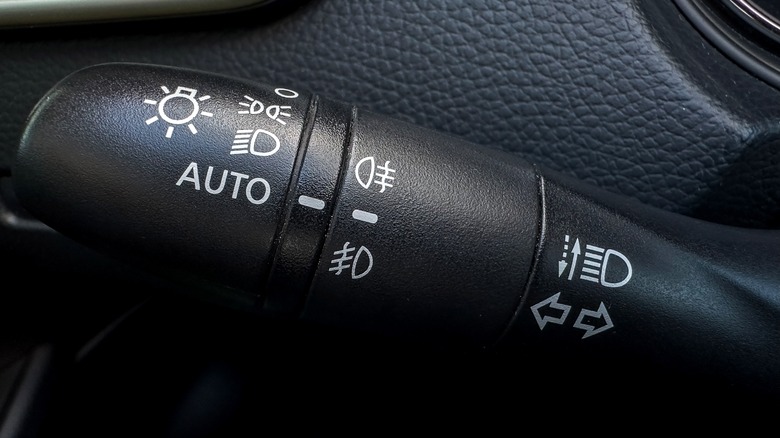
Credit: www.jalopnik.com
Drawbacks Of Fog Lights
Fog lights are not mandatory for cars, and their drawbacks include potential glare for oncoming traffic. They can also be less effective in clear weather conditions, leading to unnecessary energy use.
Fog lights are often seen as a crucial addition to any vehicle, especially in areas prone to heavy mist and fog. However, they aren’t without their drawbacks. While they can enhance visibility in specific conditions, they might not always be the best choice for every driver or situation. Let’s dive deeper into some of the downsides of having fog lights on your car.Potential For Misuse
Fog lights, despite their name, are not meant to be used in all weather conditions. Yet, many drivers use them incorrectly, which can lead to dangerous situations. When used in clear weather, they can blind oncoming traffic, creating unnecessary risks. Have you ever been in a situation where the glare from another car’s fog lights made it difficult for you to see? It’s a common issue and highlights the importance of using fog lights only when necessary. It’s essential to understand the difference between enhancing your visibility and compromising someone else’s.Cost And Maintenance
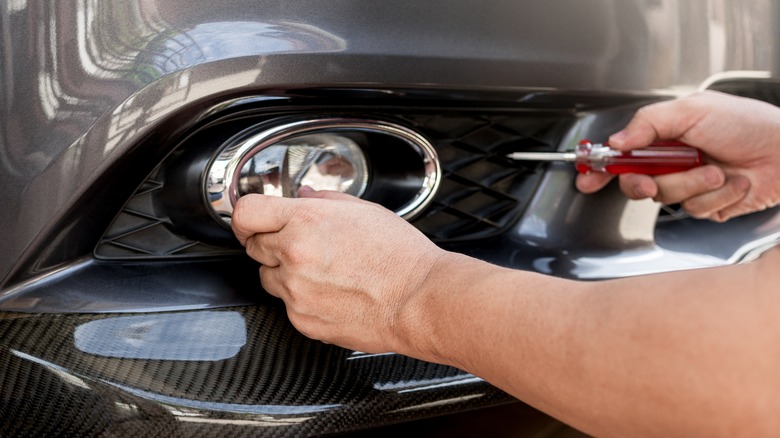
Adding fog lights to your vehicle can be an expensive affair. They come with initial purchase costs, and their maintenance isn’t negligible. Over time, the bulbs might need replacement, and the housing can become damaged due to road debris. Is the added cost worth it if you rarely encounter foggy conditions? Many drivers find that the expense outweighs the benefits, especially if they live in areas with minimal fog. Consider whether the investment aligns with your driving needs and environment. In conclusion, while fog lights can be beneficial, they’re not always essential. Weighing their drawbacks can help you make an informed decision about whether they’re right for your vehicle.Alternatives To Fog Lights
Cars don’t necessarily need fog lights. Alternatives include LED light bars and high beam headlights, offering better visibility in foggy conditions. These options can enhance safety without the need for dedicated fog lights.
Are you pondering over whether fog lights are essential for your car? Well, you’re not alone. While fog lights can enhance visibility in certain conditions, they aren’t the only option available. There are several modern alternatives that offer improved lighting solutions without the need for traditional fog lights. Let’s explore some of these exciting options.Adaptive Headlights
Adaptive headlights are a game-changer in automotive lighting technology. Unlike traditional headlights, they adjust their direction based on your steering input and speed. This means better visibility on winding roads or during sharp turns. Imagine driving on a foggy night, and your headlights automatically angle themselves to illuminate the curves of the road. It’s like having a smart assistant guiding your way. Adaptive headlights reduce blind spots and ensure you see more of what’s ahead, helping you drive safely in challenging conditions.Led And Laser Lights
LED and laser lights are becoming increasingly popular due to their efficiency and brightness. They provide a cleaner, whiter light that closely resembles daylight, which can be incredibly useful in foggy or low-light situations. LED lights consume less energy and have a longer lifespan than traditional bulbs. You can have brighter lights without worrying about frequent replacements. Laser lights, though a bit more advanced, offer even greater illumination distance, making them a worthy consideration for those who often drive in adverse weather. Both LED and laser lights are not only functional but also add a modern touch to your vehicle’s aesthetics. Have you ever thought about how a simple upgrade like lighting could enhance both the safety and style of your car?Considerations For Car Owners
When deciding whether your car needs fog lights, several factors come into play. These considerations are essential for ensuring your vehicle suits your driving needs and personal preferences. Understanding the implications of fog lights can help you make an informed choice that enhances your driving experience.
Driving Environment
Your driving environment is a crucial factor in determining the necessity of fog lights. If you frequently drive in areas prone to fog, heavy rain, or snow, fog lights can significantly improve visibility and safety. Imagine navigating through dense fog without them; the experience can be unnerving. However, if your locale boasts clear skies most of the year, you might find fog lights less essential. Consider how often adverse weather conditions affect your route.
Personal Preferences
Personal preferences also play a role in whether you choose to have fog lights. Some drivers appreciate the aesthetic appeal and the added assurance of having them, even if they rarely encounter foggy conditions. Others prioritize a minimalist look and prefer fewer attachments on their vehicle. Reflect on your style and comfort level. Would you feel more secure with additional lighting options, or do you lean towards simplicity?
Think about these aspects as you assess your car’s lighting needs. Do you value practicality over style, or vice versa? Your choices should align with how you want your driving experience to feel, ensuring your vehicle is equipped to handle your everyday journeys.
Future Of Fog Lighting Technology
The future of fog lighting technology is bright and promising. As automotive innovation progresses, so does the potential for fog lights to become smarter and more efficient. You might wonder how these changes will affect your driving experience, especially in adverse weather conditions.
Innovations In Lighting
Modern fog lights are evolving beyond simple illumination. LED technology, for instance, offers better visibility and energy efficiency. Imagine driving on a foggy road where your lights cut through the mist, enhancing safety without draining your car’s battery.
Moreover, laser lights are emerging as a game-changer, promising longer reach and better precision. These advancements ensure you’re not just seeing further but also seeing more clearly.
Integration With Smart Systems
Fog lights are increasingly integrated with smart vehicle systems. Picture your car automatically adjusting its lighting based on weather conditions. This isn’t just futuristic; it’s happening now.
Such integration ensures optimal brightness and angle, reducing glare and maximizing visibility. You’re no longer at the mercy of manual adjustments; your car does it for you.
As you ponder these innovations, consider how these advancements could change your perception of safety on the road. How might smart fog lighting alter your driving habits? The future is not just about better lights; it’s about smarter driving experiences. What changes are you ready to embrace?
Credit: www.jalopnik.com
Credit: www.facebook.com
Frequently Asked Questions
Can A Car Not Have Fog Lights?
Yes, a car can lack fog lights. Many vehicles come without them as standard. Fog lights are optional and not mandatory for all cars. Check your vehicle’s specifications or consult the manufacturer for details. Ensure your headlights and taillights are effective in low-visibility conditions.
Are Fog Lights Required On A Car?
Fog lights are not legally required on cars. They enhance visibility in foggy conditions. Check local regulations for specifics. Always use fog lights responsibly to avoid blinding other drivers. Proper use enhances safety during low visibility situations. Keep your car’s lighting system maintained for optimal performance.
What Lights To Use If You Don’t Have Fog Lights?
Use low beam headlights in foggy conditions for better visibility. They reduce glare and improve road clarity. Consider using rear fog lights if available, ensuring other drivers can see you. Always drive cautiously and maintain a safe distance.
Why Are Cars Removing Fog Lamps?
Manufacturers remove fog lamps due to advanced LED headlights offering better visibility. Modern vehicles integrate adaptive lighting systems, reducing fog lamp necessity. Fog lamps also add extra production costs. Aerodynamic designs improve fuel efficiency, which can be compromised by additional lights.
Enhanced vehicle safety technologies further decrease reliance on traditional fog lamps.
Conclusion
Fog lights offer safety benefits in poor visibility. They help drivers see better during foggy conditions. Not every car requires fog lights by law. But they are useful for safe driving. Weather and location affect their importance. Before buying, check if your car needs them.
Some drivers find them helpful. Others may not. Consider your driving conditions. Think about your safety needs. Choose wisely based on your travel habits. Fog lights are a good option for safer driving. Always prioritize safety on the road.