
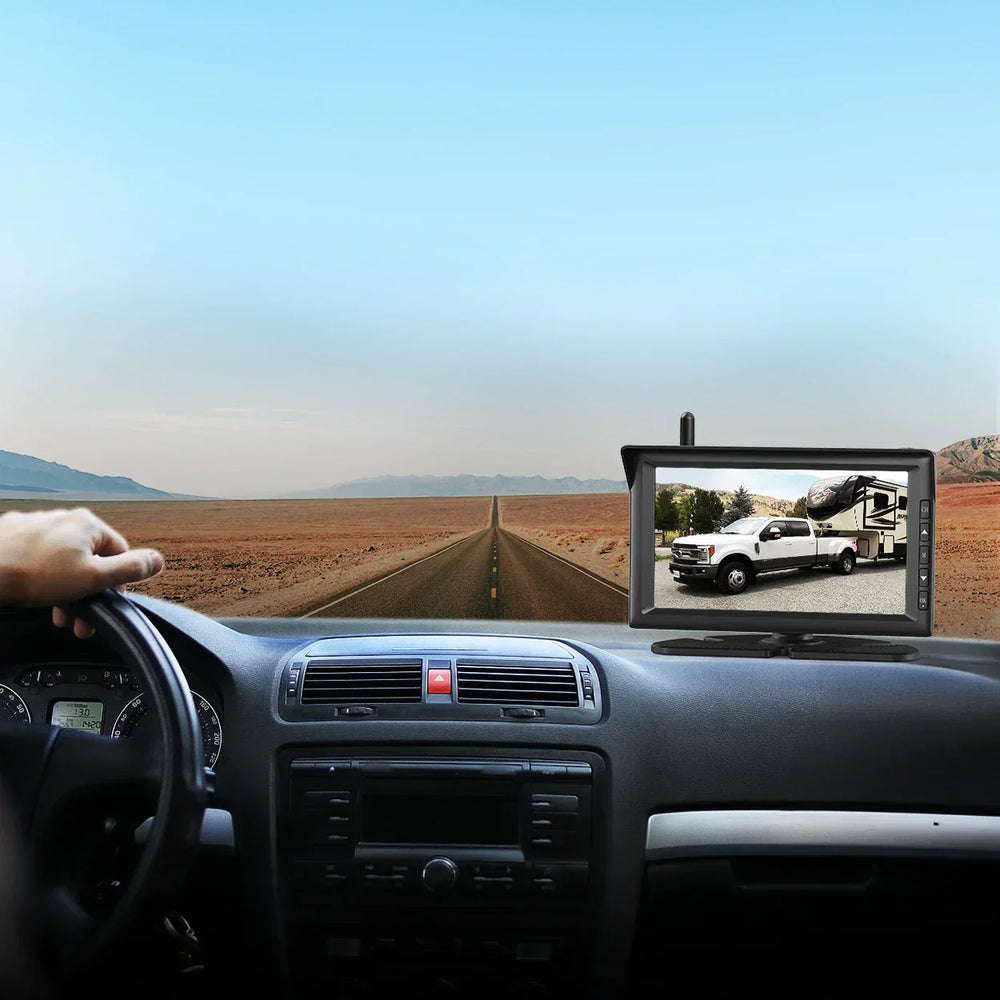
Imagine you’re reversing your car, and a child suddenly darts behind it. It’s a scenario no one wants to experience.
As a driver, you want to ensure your car is equipped with the best safety features, and you may wonder if backup cameras are a necessity. Are they just a nice-to-have, or are they essential for protecting your loved ones and those around you?
You might be surprised by how this small piece of technology can make a big difference in your driving experience. We’ll explore the importance of backup cameras, the laws surrounding their use, and whether your car needs one to keep you and others safe. Stick around to discover how this feature could change the way you drive forever.

Credit: www.auto-vox.com
Importance Of Backup Cameras
Backup cameras have become more than just a luxury feature in modern vehicles; they are a vital component for enhancing road safety. These cameras provide an additional set of eyes, helping drivers maneuver their vehicles with greater precision. But why is their importance so widely recognized?
Enhanced Safety For All
Imagine reversing your car in a busy parking lot. With a backup camera, you can easily spot obstacles that might be below your line of sight, such as small children or pets. This significantly reduces the risk of accidents, offering peace of mind not just for you but also for pedestrians around you.
Ease Of Parking
Have you ever felt anxious trying to park in tight spaces? Backup cameras make parallel parking and tight maneuvers a breeze. You can see exactly where your car is headed, reducing the chances of minor dents or scrapes. It’s like having a personal assistant guiding you with every move.
Boosted Driver Confidence
Backup cameras empower you to drive with confidence. Knowing you have an additional tool to assist you in tricky situations can alleviate stress and improve your overall driving experience. It’s not just about safety; it’s about enjoying the journey without unnecessary worry.
Technological Integration
Today’s cars are equipped with advanced tech that seamlessly integrates with backup cameras. Think about how cameras sync with parking sensors, providing a comprehensive view of your surroundings. This integration ensures you’re well-informed about what’s happening around your vehicle, making driving smarter and safer.
Government Regulations
Did you know that in many countries, backup cameras are now a legal requirement for new cars? These regulations highlight their importance in promoting road safety. As technology evolves, so do safety standards, ensuring that every driver has access to essential safety features.
Backup cameras are not just about convenience; they are a necessity for modern driving. Next time you use one, think about the layers of safety and assurance it provides. Isn’t it time to appreciate the technology that’s keeping our roads safer for everyone?
Credit: abc13.com
Legal Requirements
Backup cameras have transitioned from being a luxury feature to a legal requirement in many countries. As technology advances, governments aim to enhance road safety by mandating these devices in vehicles. But what does this mean for you as a car owner or buyer? Let’s dive into the legal requirements surrounding backup cameras in different regions and their impact on the automotive industry.
Regulations In Different Countries
Countries around the world have adopted varying regulations regarding backup cameras. In the United States, the National Highway Traffic Safety Administration (NHTSA) has mandated that all new vehicles weighing under 10,000 pounds must be equipped with backup cameras starting from 2018. This law was born from a desire to reduce backup-related accidents, especially those involving children and pedestrians.
In Europe, regulations are less stringent, allowing manufacturers to include backup cameras as optional features. However, many European countries are considering mandatory measures due to rising concerns about safety. Meanwhile, Canada has followed suit with the U.S., enforcing similar laws to ensure better visibility for drivers.
Impact On Car Manufacturers
The mandate for backup cameras has significantly influenced car manufacturers worldwide. Automakers had to adapt quickly to comply with these regulations, which meant redesigning models to integrate this technology seamlessly. For some companies, this was a straightforward task, while others had to overhaul their production processes.
This shift also opened doors for innovation, encouraging manufacturers to develop advanced camera systems with features like 360-degree views and enhanced night vision. As a buyer, you benefit from these technological improvements, getting better value and safety with your purchase. But do these advancements justify the cost increase for vehicles?
Ultimately, the legal requirements for backup cameras reflect a broader commitment to road safety. As technology evolves, so do expectations for what constitutes a safe driving experience. Are you aware of the regulations in your country, and how they affect your car buying decisions?
Safety Benefits
Backup cameras have become a standard feature in many vehicles, offering a range of safety benefits that can greatly enhance your driving experience. These cameras are not just about convenience; they play a crucial role in preventing accidents and improving overall road safety. Let’s dive into some of the key safety benefits that make backup cameras indispensable for modern drivers.
Accident Prevention
Backup cameras significantly reduce the risk of accidents by providing a clear view of the area directly behind your vehicle. This is especially helpful in crowded parking lots or when reversing out of a driveway. Imagine a busy supermarket parking lot where visibility is often compromised by other parked vehicles and pedestrians. A backup camera can alert you to obstacles you might otherwise miss, preventing potential collisions.
Moreover, these cameras often come with audible warnings that beep when you are too close to an object. This added layer of safety can save you from costly repairs and insurance claims. Have you ever accidentally backed into a shopping cart? A backup camera might have prevented that mishap.
Enhanced Visibility
One of the standout benefits of backup cameras is the enhanced visibility they provide. Traditional rearview mirrors have blind spots that can obscure your view, but a backup camera offers a wide-angle perspective. This can make a significant difference when backing up in tight spaces or when your vehicle is packed with luggage that obstructs the rear window.
Consider the times when heavy rain or fog makes it difficult to see clearly through the rear window. A backup camera cuts through these visibility issues, offering a clear image that helps you navigate safely. Plus, many cameras have night vision capabilities, ensuring you have a reliable view even in the dark.
Investing in a vehicle with a backup camera, or installing one in your current car, is a proactive step towards enhancing safety on the road. These devices not only protect you and your vehicle but also ensure the safety of pedestrians and other drivers. Isn’t it worth considering for peace of mind?
Technological Innovations
In the fast-evolving world of automotive technology, backup cameras have become more than just a luxury. These devices represent a significant leap in making driving safer and more efficient. As you drive your car, have you ever wondered how these cameras are integrated with other systems and what advanced features they offer?
Advanced Features
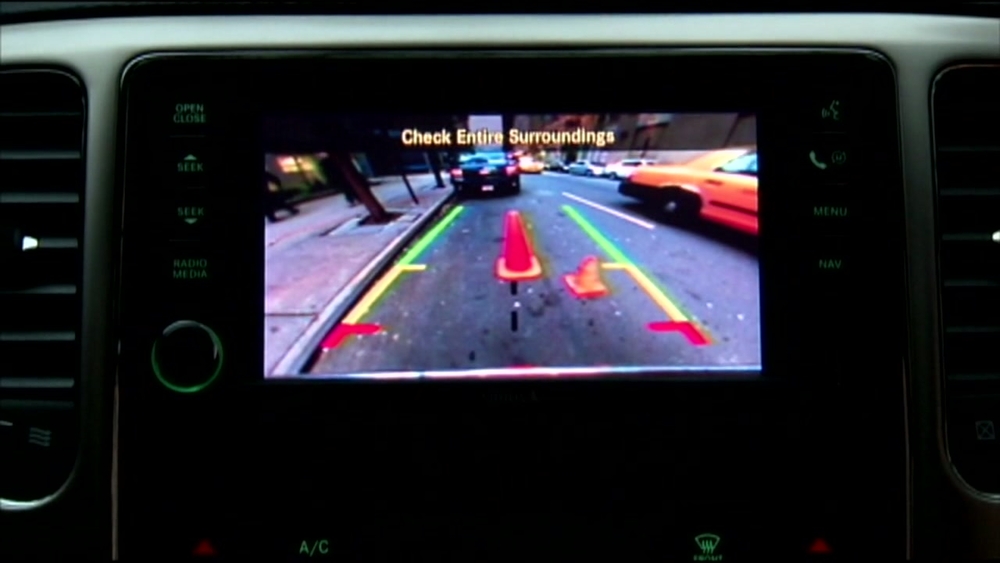
Backup cameras today do more than just show what’s behind your car. They come equipped with sensors that alert you to nearby obstacles, ensuring you don’t miss anything in your blind spot. Some advanced models offer night vision, providing clear images even in the dark. Imagine being able to park your car with precision, thanks to grid lines that guide you into tight spots. These features can make your driving experience smoother and safer.
Integration With Other Systems
Modern backup cameras are not standalone devices; they’re integrated into your car’s ecosystem. When you engage reverse gear, the camera automatically activates. But did you know these systems can work in tandem with parking assistance technology? If your car has a display screen, the camera feed synchronizes with it, providing you with real-time visuals and auditory signals. This seamless integration enhances your driving experience, making it more intuitive and less stressful.
Consumer Perspectives
Backup cameras have become a standard feature in many vehicles, but how do consumers really feel about them? Understanding consumer perspectives can provide valuable insights into their importance and impact on daily driving. Let’s delve into what users think about backup cameras and how public opinion has shaped their adoption.
User Experience
Many drivers find backup cameras enhance their driving experience significantly. They provide a clear view of the area directly behind the vehicle, reducing blind spots and making parking much easier. Imagine the stress of parallel parking in a tight spot without the aid of a backup camera. Users often express that this technology gives them confidence, especially in crowded urban settings.
However, not everyone sees them as a necessity. Some drivers, particularly those accustomed to older vehicles, might feel comfortable relying on traditional mirrors. It’s worth considering if backup cameras are seen as an essential safety feature or merely a convenient add-on by the majority of drivers.
Public Opinion
Public opinion on backup cameras is generally favorable, with many advocating for their mandatory inclusion in all new vehicles. Safety organizations often highlight their role in preventing accidents, especially those involving children and pets. The National Highway Traffic Safety Administration (NHTSA) even required all new cars to have backup cameras starting in 2018, reflecting a strong public and regulatory push for their adoption.
Yet, there are voices questioning whether backup cameras alone can significantly enhance vehicle safety. They argue for a more integrated approach with additional features like sensors and alarms. How do you perceive the balance between technological reliance and traditional driving skills?
Cost Implications
Backup cameras are becoming a standard feature in many vehicles, but what does this mean for your wallet? Understanding the cost implications can help you make informed decisions when buying a car. It’s not just about the sticker price; the impact ripples through various aspects of car ownership.
Price Variations
The cost of backup cameras can vary widely. Some manufacturers include them as a standard feature, while others offer them as part of an optional package. This means that the price can range from being included in the base cost to adding several hundred dollars to the final price tag.
If you’re buying a used car, the presence of a backup camera might affect its price. It could be seen as a valuable addition, potentially increasing the car’s market value. However, if the camera is malfunctioning, it might lead to additional repair costs.
Impact On Car Pricing
Do backup cameras make cars more expensive overall? In some cases, yes. Manufacturers might pass the cost of this technology onto you, the consumer.
However, the increase in price might be offset by the enhanced safety benefits and convenience it offers. Do you think the added safety is worth a slightly higher price? Many drivers find peace of mind invaluable.
Consider also the potential impact on insurance premiums. A backup camera could reduce the risk of accidents, potentially leading to lower insurance costs over time.
It’s all about weighing the upfront cost against the long-term benefits. How much value do you place on safety and convenience?
Future Trends
Many new cars come with backup cameras as a standard feature. These cameras improve safety by providing a clear view behind the vehicle. Future trends suggest even more advanced camera systems will become common.
The future of backup cameras in cars looks promising. With technology evolving fast, new trends emerge, enhancing safety and convenience. Manufacturers focus on making these cameras smarter and more reliable. Future cars will likely feature advanced camera systems, improving driver awareness and reducing accidents. Let’s explore some future trends.Advancements In Camera Technology
Camera technology is advancing rapidly. Newer models offer higher resolution images, helping drivers see more clearly. Some cameras now work in low light, using infrared technology. This ensures drivers can see obstacles at night. Wide-angle lenses provide a broader view, covering blind spots. Cameras can now detect motion, alerting drivers of moving objects. Enhanced image processing improves picture quality, making visuals sharper. These advancements promise a safer driving experience.Potential Regulatory Changes
Governments around the world consider new regulations for backup cameras. Some regions might make them mandatory for all vehicles. This would ensure that more drivers benefit from enhanced safety. New laws could require cameras to meet specific standards. This would push manufacturers to innovate further. Compliance with stricter regulations might become a priority for automakers. Regulatory changes could also influence the cost of cars. As rules evolve, manufacturers adapt to meet new expectations. This results in safer roads for everyone.
Credit: www.carsales.com.au
Frequently Asked Questions
Are Backup Cameras Mandatory In New Cars?
Yes, backup cameras are mandatory in new cars in the U. S. since May 2018. This rule enhances safety by reducing blind spots. It helps prevent accidents while reversing. All new models must comply with this regulation for improved driver awareness.
How Do Backup Cameras Improve Safety?
Backup cameras improve safety by providing a clear view behind the car. They help drivers avoid obstacles and pedestrians when reversing. This technology reduces blind spots, lowering the risk of accidents. It enhances driver confidence and situational awareness while maneuvering.
Can Older Cars Have Backup Cameras Installed?
Yes, older cars can have backup cameras installed aftermarket. Many options are available for different budgets and needs. Installation is typically straightforward and enhances vehicle safety. Professional services or DIY kits can help with installation.
Are Backup Cameras Reliable In All Weather?
Backup cameras are generally reliable in various weather conditions. However, extreme weather can affect visibility temporarily. Regular maintenance and cleaning can help ensure optimal performance. Some models have features to combat fogging or freezing issues.
Conclusion
Backup cameras enhance safety for drivers and pedestrians. They provide a clear view of the rear. Many countries now require them in new cars. This helps reduce accidents and improve road safety. Older cars may not have them, but adding one is possible.
It’s a wise investment for peace of mind. Understanding the benefits can help you make informed decisions. Safety features like this protect everyone on the road. Consider the value of a backup camera for your vehicle. It could prevent potential mishaps.
Always prioritize safety over convenience. This choice could save lives.