

Have you ever driven away from a car wash, admiring the gleaming shine of your vehicle, only to wonder if those machines might be doing more harm than good? You’re not alone.
Many car owners worry about whether frequent trips to the car wash could be damaging their car’s paint. This concern often stems from stories of scratched surfaces and dulled finishes. But what’s the truth? Are those brushes and high-pressure jets really putting your car’s paint job at risk?
We’ll dive deep into the world of car washes and their potential impact on your car’s paint. You’ll discover the facts behind these common concerns, learn how different types of car washes can affect your vehicle, and find out how you can keep your car looking pristine without compromising its exterior. So, if you want to ensure your car’s paint remains flawless, read on—your car’s beauty and value might depend on it!
Types Of Car Washes
Car washes come in various forms, each with its own methods. Understanding these types helps in choosing the best option for your vehicle’s paint. Let’s explore the different car wash types and their effects.
Automatic Car Washes
Automatic car washes use machines to clean your vehicle. These are convenient and fast. However, they may use brushes that can scratch the paint. Some use cloth strips, which are gentler but still pose a risk. The chemicals used can also affect the paint’s shine.
Hand Washes
Hand washes offer a personal touch. This method typically involves a professional or yourself using gentle tools. Hand washing reduces the risk of scratches. It allows for more control over the cleaning process. You can choose milder soaps that are safe for your paint.
Self-service Stations
Self-service stations provide equipment for DIY cleaning. You control the pressure of the water and the type of soap. This option requires some effort and knowledge. Using the right techniques can prevent damage to the paint.
Touchless Car Washes
Touchless car washes use high-pressure water and strong chemicals. No brushes or cloths touch the car. This minimizes the risk of scratches. However, the chemicals used can be harsh on paint. It’s essential to ensure they are safe for your vehicle’s finish.
Credit: m.facebook.com
Common Paint Damage Concerns
Car washes are a convenient way to keep your vehicle looking pristine, but many car owners worry about potential damage to their car’s paint. Understanding common paint damage concerns is crucial to make informed choices about car wash methods. Let’s dive into some of these concerns to help you protect your vehicle’s finish.
Scratches And Swirl Marks
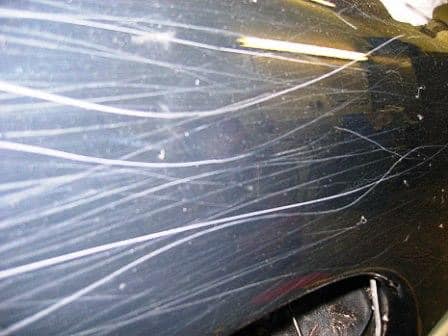
Scratches and swirl marks are often a result of abrasive materials or improper washing techniques. If you’ve ever noticed fine lines on your car after a wash, you might wonder if that was the cause. Automatic car washes, especially older ones, can be harsh on paint due to worn-out brushes. These brushes can trap dirt and debris, which then scrape against your car’s surface. To minimize this risk, consider using touchless car washes or hand washing with microfiber mitts. Are you confident that the method you’re using is gentle enough?
Water Spots
Water spots are another common concern, especially if the car wash doesn’t thoroughly dry your vehicle. These spots occur when water droplets evaporate, leaving behind mineral deposits. Over time, these spots can etch into the paint, causing a dull appearance. A simple solution is to use a drying aid or towel immediately after washing. Have you noticed your car losing its shine after a wash?
Chemical Damage
Chemical damage can occur when harsh detergents or cleaning agents are used during a wash. These chemicals can strip away wax and protective layers, leaving your paint vulnerable. Opt for car washes that use pH-balanced, paint-safe products. It’s also a good idea to regularly apply a coat of wax or sealant to protect your car’s finish. Are you aware of what chemicals are being used on your car? Ensuring they are safe could be a game-changer for your paint’s longevity.
Factors Influencing Paint Damage
When it comes to keeping your car looking pristine, understanding the factors influencing paint damage is crucial. Many car owners worry about the potential damage a car wash might inflict on their vehicle’s paint. By examining these factors, you can make informed decisions and keep your car’s appearance in top shape.
Quality Of Equipment
The equipment used at car washes can vary significantly. Some facilities invest in high-quality, well-maintained brushes and cloths, while others might use outdated or worn-out equipment. Poor-quality brushes can leave scratches on your car’s paint.
Have you ever noticed micro-scratches after a wash? It might be due to old brushes that are not gentle on the paint. Always check reviews or ask about the equipment quality before choosing a car wash.
Type Of Cleaning Agents
Not all cleaning agents are created equal. Some might be too harsh for your car’s paint, stripping away the protective wax layer. This can lead to faster wear and tear.
Choose car washes that use pH-balanced cleaning solutions. Your car’s paint will thank you. It’s worth asking the staff about the type of cleaning agents they use if you’re unsure.
Frequency Of Washes
Washing your car too frequently can also be detrimental. While regular cleaning is essential, over-washing can wear down the paint’s protective layer. This makes it more susceptible to environmental damage.
Consider the environment and conditions your car is exposed to. If it’s parked under trees or in dusty areas, washing might be necessary more often. Balance is key to maintaining your car’s shine without damaging the paint.

Credit: www.reddit.com
Pros And Cons Of Car Wash Methods
When deciding how to wash your car, understanding the advantages and disadvantages of different methods can help you make an informed choice. Each method has its unique perks and downsides. Let’s dive into the pros and cons of automatic and hand car washes to see which might suit your needs better.
Pros Of Automatic Washes
- Speed and Convenience:Automatic car washes can be a lifesaver when you’re short on time. With just a push of a button, your car is cleaned in minutes.
- Consistency:Machines follow a set process, ensuring each wash is uniform. This means you can expect a similar level of cleanliness every visit.
- Accessibility:They are widely available in urban areas, making it easy for you to find one nearby.
Cons Of Automatic Washes
- Potential for Scratches:Brushes and rollers can accumulate dirt and debris, which may scratch your car’s paint.
- Limited Detailing:While they clean the surface, automatic washes often miss hard-to-reach spots, leaving some areas untouched.
- Water Spots:The drying process might not be thorough, leading to water spots if not wiped down manually afterward.
Pros Of Hand Washes
- Attention to Detail:Hand washes allow for meticulous cleaning, reaching every nook and cranny of your vehicle.
- Gentle on Paint:Using soft cloths and mild detergents, you can minimize the risk of scratches and preserve your car’s finish.
- Customization:You can tailor the wash to your car’s specific needs, whether focusing on bug splatters or brake dust.
Cons Of Hand Washes
- Time-Consuming:Hand washing requires more of your time and effort, which might not be feasible for everyone.
- Variable Quality:The outcome heavily depends on the skill and diligence of the person washing the car. A rushed job might not meet your expectations.
- Water Usage:Hand washing often uses more water compared to automatic methods, which might be a concern in areas with water restrictions.
So, which method do you prefer for your car? Are you willing to trade speed for a personal touch, or does the convenience of automation win you over? Consider your priorities and circumstances when choosing how to care for your vehicle’s paint. Your decision could make all the difference in maintaining its shine and longevity.
Best Practices For Protecting Car Paint
Car washes can sometimes harm car paint if not done properly. Frequent visits to automatic car washes might lead to scratches. Opt for hand washing with gentle soaps to maintain the paint’s shine and durability.
Protecting your car’s paint is crucial to maintain its appearance and longevity. A well-maintained paint job not only looks great but also preserves the car’s resale value. To achieve this, it’s essential to follow the right techniques and best practices for washing and maintaining your car’s paint.Choosing The Right Wash
Choosing the right wash is vital to protect your car’s paint. A wrong wash can cause damage and strip away the paint’s protective layer. Opt for a mild car wash soap that’s specifically designed for your car’s paint type. Avoid using household cleaners or strong detergents as they can damage the paint.
Using Protective Coatings
Applying a protective coating to your car’s paint can provide an extra layer of protection against the elements. These coatings can help prevent scratches, fading, and chipping. Choose a reputable brand and follow the manufacturer’s instructions for application and maintenance.
Regular Maintenance Tips
- Wash your car regularly, but avoid washing it in direct sunlight or extreme temperatures.
- Use a soft, microfiber cloth to dry your car after washing, avoiding scratches.
- Avoid using high-pressure washes, which can strip away the paint’s protective layer.
- Regularly wax your car to maintain its shine and protect the paint.
- Keep your car away from harsh chemicals, bird droppings, and tree sap, which can damage the paint.
Myths And Misconceptions
Car washes have long been a topic of debate among car enthusiasts and everyday drivers alike. Some swear by them for maintaining a vehicle’s appearance, while others are convinced they harm more than they help. In this section, we’ll dive into the myths and misconceptions surrounding car washes and their effect on your car’s paint.
Debunking Common Myths
One common myth is that all car washes are created equal. In reality, the quality varies significantly from one to another. Automatic car washes with older, worn-out brushes can cause scratches, but modern facilities use soft cloths and foam that are gentle on paint.
Another misconception is that hand washing is always better. While hand washing can be effective, it can also be risky if not done properly. Using a dirty sponge or towel can lead to micro-scratches, causing more harm than a professional car wash.
Some people believe that waxing after a car wash is unnecessary. However, waxing provides a protective layer that shields your paint from dirt, UV rays, and pollutants. Skipping this step can leave your paint vulnerable over time.
Understanding Real Risks
While some concerns are exaggerated, car washes do present real risks if not chosen carefully. Have you ever noticed swirls or light scratches on your car’s surface? These can often result from improper washing techniques or equipment.
Pay attention to the type of car wash you select. Touchless car washes are often recommended as they minimize direct contact with your car’s surface, reducing the risk of scratches. However, they may not be as effective in removing stubborn grime and dirt.
Ask yourself: Is convenience worth the potential risk to your car’s finish? Balancing convenience with care is key. Regular maintenance and choosing a reputable car wash can keep your car looking its best without compromising its paint.
By understanding these myths and real risks, you can make informed decisions about how to care for your vehicle. Not every car wash is a villain in disguise, but knowledge is your best tool in preserving your car’s appearance.
Credit: www.detailingworld.co.uk
Frequently Asked Questions
Can Automatic Car Washes Harm Your Vehicle’s Paint?
Automatic car washes can potentially harm your vehicle’s paint. Brushes and harsh chemicals may cause scratches and dullness. Choosing a touchless wash or hand washing can minimize risks. Regular waxing helps protect the paint. It’s crucial to select a reputable car wash that uses paint-safe methods.
Do Touchless Car Washes Damage Paint?
Touchless car washes are generally safer for paint than brush systems. They use high-pressure water and detergents to clean. While they minimize contact, harsh chemicals can still affect the paint over time. Opt for a wash with gentle, paint-safe detergents to reduce the risk.
How Often Should You Wax Your Car?
Waxing your car every 3-4 months is recommended to protect the paint. Regular waxing creates a barrier against contaminants and UV rays. It also adds shine and longevity to your vehicle’s appearance. Consider seasonal factors and frequency of car washes when scheduling wax applications.
Are Hand Car Washes Better For Paint?
Hand car washes can be gentler on paint if done correctly. They allow for careful cleaning and use of paint-safe products. Ensure that clean cloths and mild detergents are used to prevent scratches. It’s important to avoid abrasive materials and techniques during hand washing.
Conclusion
Car washes can affect your car’s paint. It depends on the type. Automatic washes might cause minor scratches. Hand washes are often gentler. Regular maintenance helps protect the paint. Always check the wash’s quality. Use soft cloths and proper cleaning products.
This reduces damage risk. Keep an eye on your car’s condition. Small steps make a big difference. Your car will stay shiny longer. Make informed choices for better care. Enjoy your clean, beautiful vehicle.