
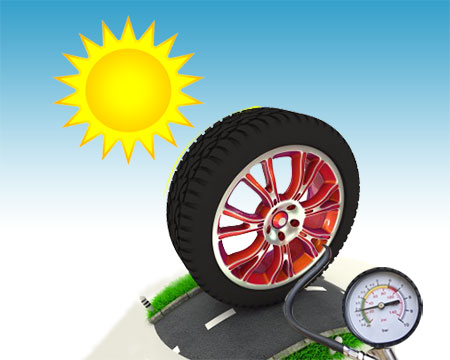
Imagine you’re cruising down the highway on a scorching summer day, the sun blazing overhead. Your car is performing smoothly, but have you ever wondered what’s happening to your tyres in this heat?
You might be surprised to learn that tyre pressure can increase as temperatures rise. This seemingly small detail can have significant implications for your driving experience, safety, and even your wallet. By understanding how heat affects tyre pressure, you can make informed decisions to optimize your vehicle’s performance and ensure your safety on the road.
Stick around to discover the science behind this phenomenon and learn practical tips to keep your tyres in top condition, no matter how high the mercury climbs. Your safety and peace of mind are just a few paragraphs away!
Credit: www.utires.com
Impact Of Temperature On Tyre Pressure
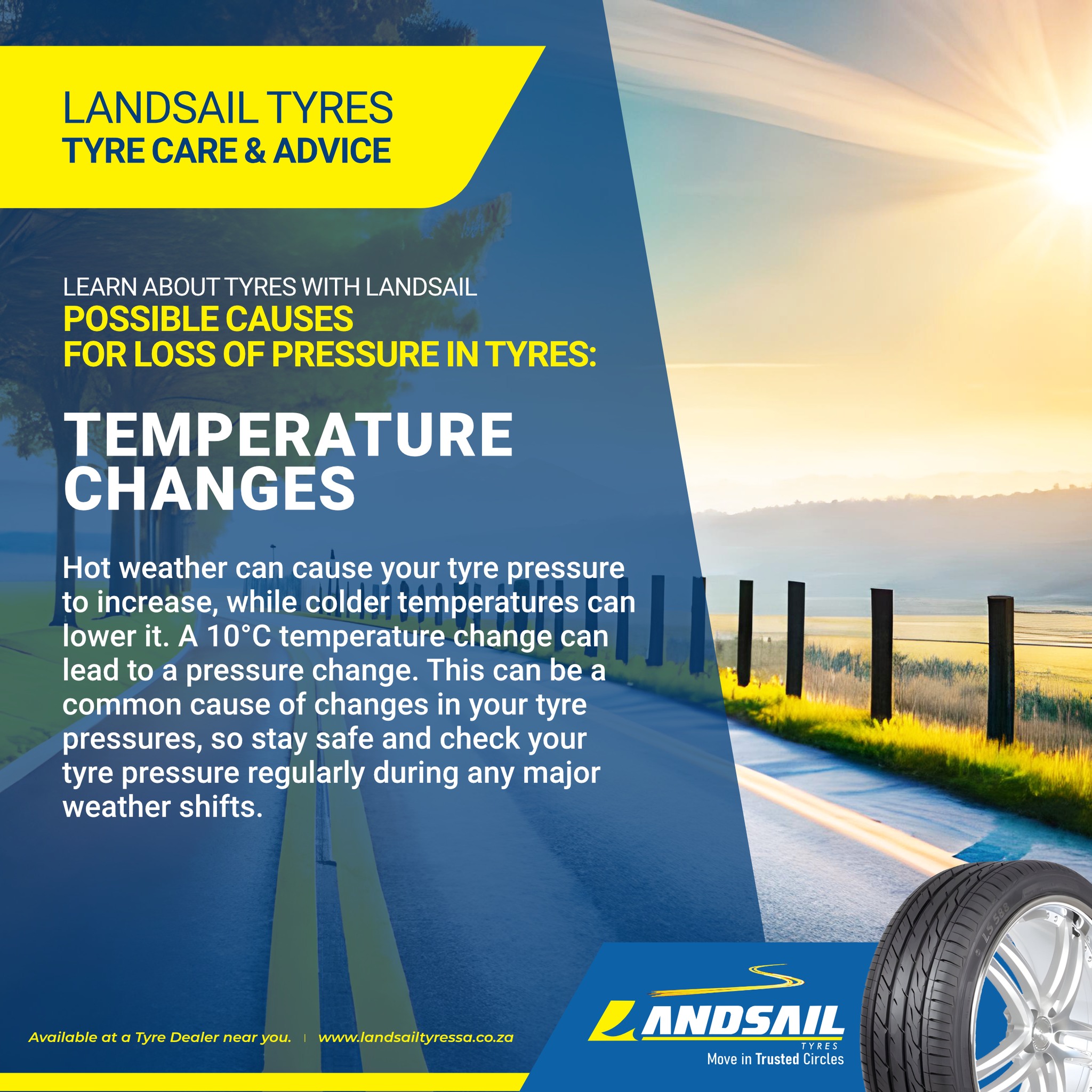
Understanding the impact of temperature on tyre pressure is crucial. As temperatures rise, tyre pressure tends to increase. This change can affect driving performance and safety. It’s important to know how this process works.
Physics Behind Tyre Pressure Changes
Tyre pressure changes are driven by basic physics. Heat causes air molecules inside the tyre to move faster. This increased movement results in higher pressure. More pressure means the tyre becomes firmer. This is why tyres feel harder on hot days.
Role Of Air Expansion
Air expansion plays a key role in pressure changes. As the air heats up, it expands. Expanded air takes up more space inside the tyre. This expansion increases the pressure. It’s a simple yet powerful effect. Monitoring tyre pressure can prevent issues on the road.
Seasonal Changes In Tyre Pressure
Seasonal changes can have a surprising impact on your car’s tyre pressure. As temperatures shift, so does the air inside your tyres, influencing their performance and safety. It’s crucial to understand how these variations affect your vehicle to ensure a smooth and secure driving experience.
Summer Effects
During summer, you might notice your tyre pressure increasing. This happens because heat causes air to expand. A hot day can raise the pressure by several PSI. Imagine driving on a scorching road; the heat from the asphalt and the air temperature can significantly inflate your tyres.
Monitoring your tyre pressure regularly during summer is essential. Over-inflated tyres can lead to reduced traction and increased wear. Always check the pressure before long trips, especially if you’re driving through hot regions. Keeping a portable tyre gauge in your car can be a lifesaver.
Winter Effects
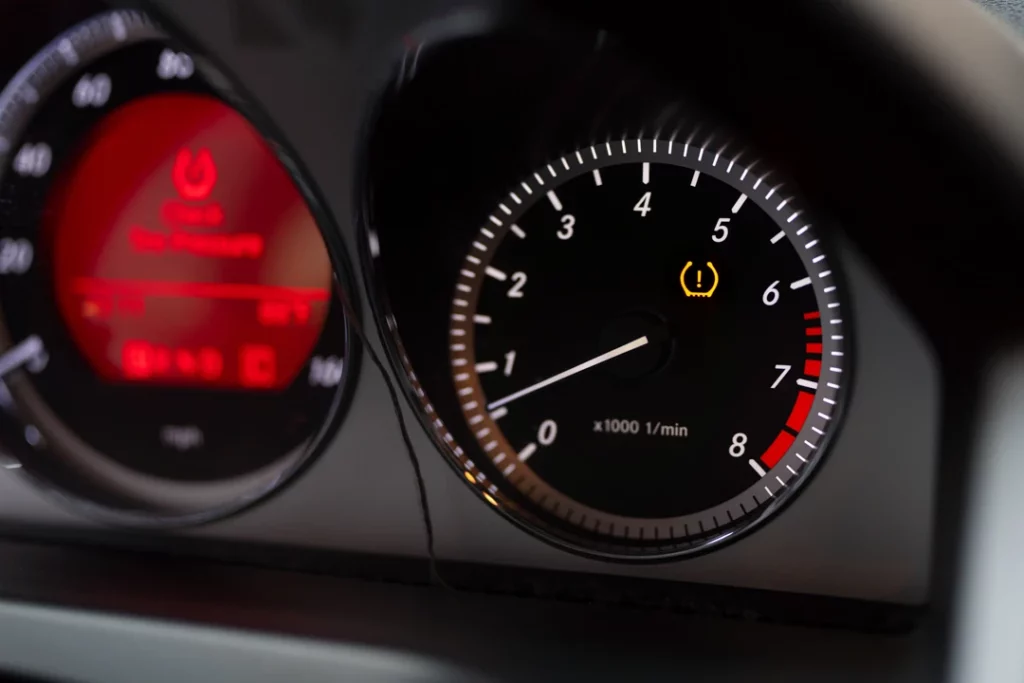
Winter, on the other hand, tends to deflate your tyres. Cold air makes the air inside contract, lowering tyre pressure. You might notice the tyre pressure warning light more often when temperatures drop. This can affect your vehicle’s handling and fuel efficiency.
Consider checking your tyre pressure more frequently in winter. A slight decrease in temperature can make a big difference. Don’t let the cold catch you off guard; maintaining optimal pressure ensures better grip on icy roads. A simple routine check can prevent unexpected issues.
Have you ever experienced a sudden drop or rise in tyre pressure with weather changes? It’s a common occurrence that highlights the importance of regular maintenance. How do you keep your tyres in top shape during seasonal shifts?
Safety Concerns In Hot Weather
Safety concerns with car tires are crucial in hot weather. High temperatures can affect tire pressure significantly. As the temperature rises, so does the air pressure inside tires. This change can lead to serious safety issues if not monitored.
Risk Of Over-inflation
Over-inflated tires are a common risk during hot weather. Heat causes air inside tires to expand. This expansion can increase tire pressure beyond safe levels. Over-inflated tires can lead to blowouts. Blowouts can be dangerous for drivers and passengers. Regular checks of tire pressure can prevent over-inflation.
Impact On Vehicle Handling
High tire pressure affects how a vehicle handles. Over-inflated tires reduce grip on the road. Reduced grip can lead to difficulty in steering. This makes driving unsafe, especially at high speeds. Drivers might experience longer stopping distances. It is important to ensure tires are at the correct pressure.
Credit: simpletire.com
Monitoring Tyre Pressure
Hot weather can cause car tyre pressure to increase. Heat makes air expand, leading to higher pressure. Regularly checking tyre pressure during warm conditions ensures safety and optimal performance.
Monitoring tyre pressure is crucial for safe driving, especially in hot weather. Heat increases tyre pressure, affecting safety and fuel efficiency. Regular checks help maintain optimal tyre health. This ensures better performance and extends tyre life.Importance Of Regular Checks
Regular tyre pressure checks are vital for safety. Under-inflated tyres lead to blowouts, risking accidents. Over-inflated tyres wear unevenly, reducing lifespan. Checking pressure regularly ensures balanced inflation. This improves handling and fuel efficiency.Tools For Accurate Measurement
Accurate measurement tools are essential for checking tyre pressure. A digital tyre gauge provides precise readings. It’s easy to use and fits in your glove box. An analogue gauge is another option. It’s reliable and doesn’t need batteries. Tyre pressure monitoring systems (TPMS) alert you when pressure changes. They provide real-time data, ensuring you stay informed. These tools help maintain optimal pressure for safe driving.Preventive Measures
Hot weather can significantly impact your car tyre pressure, which is why preventive measures are crucial to ensure safety and performance. Rising temperatures can cause tyre pressure to increase, potentially leading to blowouts or uneven wear. Being proactive about maintaining the right pressure can save you from unexpected hassles and improve your driving experience.
Tips For Maintaining Optimal Pressure
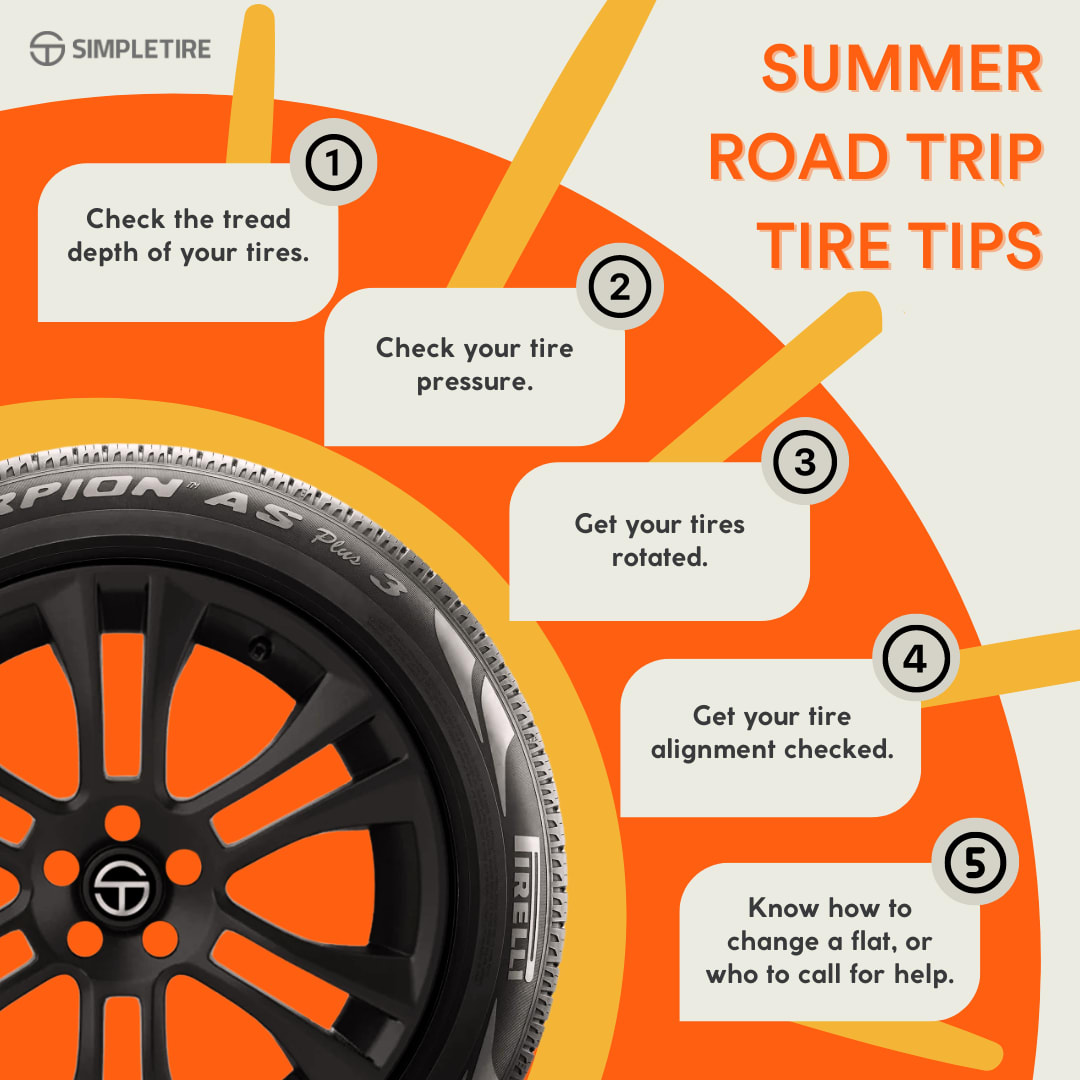
- Check your tyre pressure regularly, especially during hot weather. Use a reliable tyre gauge for accurate readings.
- Consult your car’s manual for the recommended tyre pressure and adhere to those guidelines.
- Inspect tyres visually for signs of overinflation or underinflation. Look for bulging or uneven tread wear.
- Consider investing in a tyre pressure monitoring system for real-time alerts on pressure changes.
Adjustments For Different Conditions
Hot weather isn’t the only factor affecting tyre pressure. Driving conditions also play a role. If you’re planning a long road trip, check pressure before you start. Similarly, if you’re driving in areas with fluctuating temperatures, consider adjusting pressure to match the conditions.
During heatwaves, slightly lower the tyre pressure to prevent overexpansion. However, ensure it’s still within safe limits. On cooler days, you might need to add air to maintain optimal pressure.
Have you ever noticed a sudden change in your tyre pressure? Could this be due to weather or driving conditions? Staying aware of these factors helps in making timely adjustments, ensuring a safer drive.
Effects On Tyre Lifespan
Have you ever noticed how the tire pressure gauge seems to climb when the sun is blazing? This isn’t just a quirk of your vehicle; it’s a real phenomenon with significant implications for the lifespan of your tires. As temperatures rise, so does the air pressure within your tires. Understanding how this affects wear and tear, as well as long-term consequences, can save you both time and money.
Wear And Tear
Hot weather accelerates the rate at which your tires wear out. Increased pressure causes the tread to expand, leading to uneven wear patterns. You might find that the center of your tire becomes more worn than the edges.
Think back to the last time you had to replace a tire sooner than expected. Was it during the summer months? This common issue often stems from excessive wear due to high temperatures. Uneven tread can lead to reduced traction, impacting your safety.
To combat this, consider checking your tire pressure more frequently during hot weather. Regular adjustments can help prevent premature wear and maintain optimal tire performance.
Long-term Consequences
Beyond immediate wear and tear, increased tire pressure can have lasting effects. Consistently high pressure can weaken the tire’s structure over time. This could lead to sidewall damage or even blowouts, which are dangerous and costly.
Have you ever faced a tire blowout while driving? It’s an experience you’d likely want to avoid. The sudden loss of control can be alarming, emphasizing the importance of monitoring tire pressure.
Consider the financial aspect too. Constantly replacing damaged tires adds up. By managing your tire pressure, you can extend their lifespan, saving money and reducing environmental waste.
What steps can you take to mitigate these risks? Regular maintenance and being mindful of tire pressure fluctuations can make a significant difference. Keep a tire pressure gauge handy and check your tires regularly, especially during extreme weather conditions.
Credit: www.facebook.com
Frequently Asked Questions
Does Tire Pressure Go Up When Hot?
Yes, tire pressure increases when hot due to air expansion. Driving heats tires, raising pressure. Regularly check tire pressure to ensure safety. Properly inflated tires improve fuel efficiency and prevent premature wear. Always follow manufacturer recommendations for tire pressure in hot conditions.
Is 40 Psi Too High In Summer?
40 PSI can be too high for summer. Tire pressure increases with heat, risking over-inflation. Check your vehicle’s recommended PSI, typically found in the owner’s manual or door placard. Adjust accordingly to avoid uneven tire wear and improve safety. Regularly monitor tire pressure during temperature changes.
What Should Tyre Pressure Be On Hot Weather?
Check your vehicle’s manual for recommended tyre pressure. Usually, maintain the pressure as specified, even in hot weather. Avoid over-inflating, as heat can increase pressure naturally. Regularly monitor tyre pressure to ensure safety and optimal performance. Properly inflated tyres improve fuel efficiency and reduce wear.
Should I Let Air Out Of My Tires In Summer?
Letting air out of tires in summer isn’t recommended. Tires should maintain correct pressure for safety and performance. Regularly check tire pressure, as heat expands air inside. Proper tire pressure ensures optimal driving conditions and prevents unnecessary wear or damage.
Always follow your vehicle’s manual for recommended tire pressure guidelines.
Conclusion
Hot weather affects tyre pressure. Heat causes air to expand. This can increase tyre pressure. Check your tyres regularly. Proper pressure ensures safety. It also improves fuel efficiency. Avoid over-inflating or under-inflating. Both can harm your tyres. Regular maintenance extends tyre life.
Keep a tyre gauge handy. It helps monitor pressure easily. Tyres are vital for safe driving. So, stay informed. Keep tyres in check and drive safely. Remember, safety starts with proper tyre care. Your vehicle depends on it. Simple steps make a big difference.
Enjoy smoother, safer journeys.