
Imagine you’re backing out of your driveway. You glance at your car’s backup camera, confident it will help you avoid any obstacles.
But have you ever wondered if these cameras are recording what they capture? Understanding how your car’s backup camera works can not only empower you with knowledge but also ensure you’re making the most of its features. This article will unveil the truth behind whether car backup cameras record, providing you with insights that could enhance your driving experience.
Stay with us as we dive into the details, offering clarity and useful tips. Curious to know more? Let’s explore this fascinating topic together.
How Backup Cameras Work
Backup cameras have become essential in modern vehicles, offering drivers enhanced safety. These devices provide a clear view of the area behind the car. Understanding how they work helps in appreciating their value.
Basic Functionality
Backup cameras activate automatically when the car shifts into reverse. They capture video using a wide-angle lens. This lens covers a broad area behind the vehicle. Images are transmitted to a screen inside the car. This screen is usually located on the dashboard. Drivers can then see obstacles and other vehicles.
The cameras use guidelines on the screen. These lines help drivers judge distance and direction. They often appear in different colors. Red indicates the closest proximity, while green shows the furthest. This visual aid assists in parking and avoiding collisions.
Types Of Backup Cameras
There are several types of backup cameras available. These vary in design and functionality.
- Surface Mount Cameras:These are installed on the surface of the vehicle. They offer a clear view but may protrude slightly.
- Flush Mount Cameras:These are integrated into the vehicle’s body. They provide a sleek look and are less visible.
- License Plate Cameras:These are attached near the license plate. They are easy to install and often affordable.
- Rearview Mirror Cameras:These combine the functions of a rearview mirror and camera. The screen displays images directly on the mirror.
Choosing the right camera depends on the vehicle and driver preference. Each type offers distinct advantages for different needs.
Recording Capabilities
Car backup cameras have become a staple in modern vehicles, offering drivers a clear view of what’s behind them. But did you know that some of these cameras come with recording capabilities? Whether you’re looking to capture footage for safety reasons or simply want to keep a record of your driving adventures, understanding the recording options available can be crucial.
Built-in Recording Systems
Some vehicles come equipped with backup cameras that have built-in recording systems. These systems automatically record footage whenever your car is in reverse, storing it in an onboard memory or a dedicated hard drive. This can be particularly handy in the event of a rear-end collision or minor accidents, providing you with concrete evidence. It’s like having a security camera for your car, documenting those crucial moments.
Consider checking your car’s manual to see if this feature is included. Some systems even allow you to access recordings via a mobile app or directly on your car’s infotainment system. Are these recordings sufficient for your needs, or would you prefer more comprehensive coverage?
External Recording Options
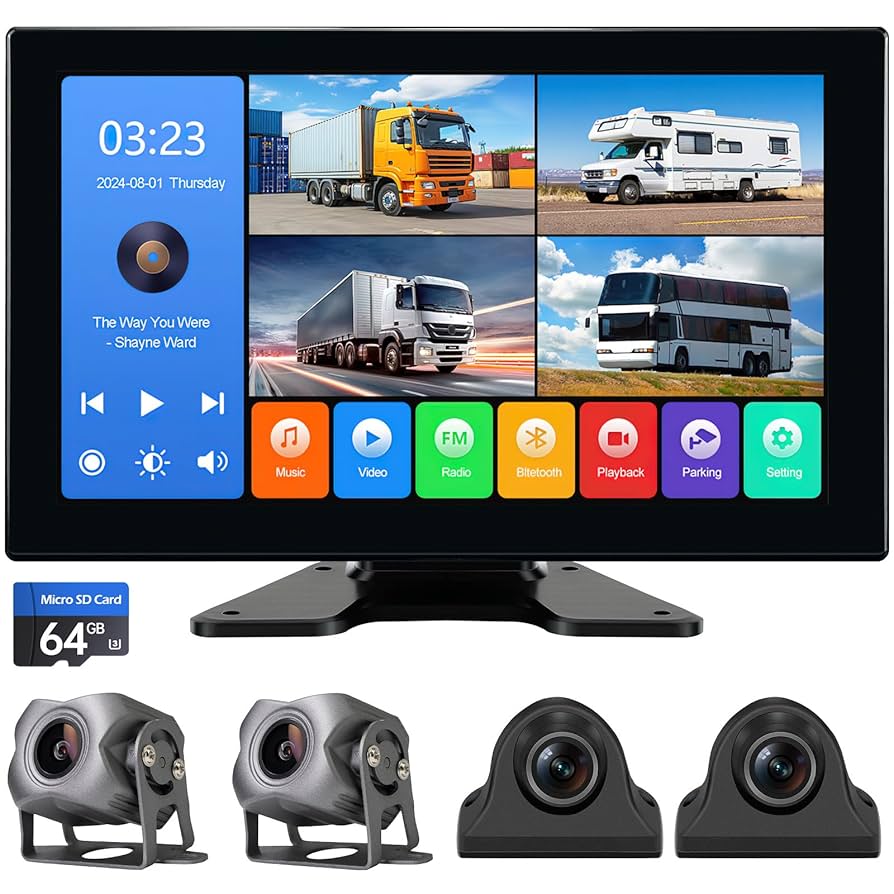
If your vehicle doesn’t come with a built-in recording system, don’t worry! There are external recording options available that can easily be added to your car’s backup camera. Dash cams, for example, can be set up to record the rear view along with the front, providing a 360-degree recording capability.
These devices often come with features like loop recording and motion detection, ensuring you never miss important footage. They can store recordings on SD cards or cloud storage, making it easy to access and share. By exploring these options, you can enhance your vehicle’s security and keep track of your journeys effortlessly.
Legal Implications
Car backup cameras typically do not record footage, raising questions about legal responsibilities in accidents. Understanding whether these devices record is crucial for liability and privacy concerns.
The legal implications of car backup cameras recording are complex. These recordings offer benefits like evidence collection and accident clarification. Yet, they raise questions on privacy and legal usage. Understanding these implications helps in making informed decisions about using recorded footage.Privacy Concerns
Backup cameras capture more than just the road. They may record people, license plates, and private property. This raises privacy issues. Recording someone without consent can lead to legal trouble. Laws vary by location, affecting what you can legally record. In some areas, consent is required from all parties involved. It’s crucial to know local regulations to avoid violations.Legal Uses Of Recorded Footage
Recorded footage from backup cameras can serve legal purposes. It can be used as evidence in accidents or disputes. This footage can clarify details and support claims. Insurance companies may also request it during claims processing. In court, it can provide unbiased evidence. However, tampering with footage can lead to legal consequences. Always ensure integrity when presenting recordings.
Credit: www.amazon.com
Benefits Of Recording
Car backup cameras offer the benefit of recording incidents, providing crucial evidence in case of accidents. This feature enhances safety by capturing real-time footage, helping drivers avoid disputes and misunderstandings.
Having a recording feature in your car’s backup camera can be a game-changer for many reasons. While most people use backup cameras simply to avoid obstacles while reversing, adding a recording function enhances its utility significantly. From improving security to providing crucial evidence in accidents, recording offers practical advantages that you might not have considered.Enhanced Security
Imagine parking your car in a busy city area. Your backup camera could be your silent guardian. A recording feature captures any suspicious activity around your vehicle, acting as a deterrent against theft or vandalism. The mere presence of a camera can make potential wrongdoers think twice. If something unfortunate does happen, you have video evidence to support your claims. Wouldn’t you feel more secure knowing you have an extra set of eyes watching over your car?Accident Evidence Collection
Accidents can occur in the blink of an eye. Having a recording of the incident can be invaluable. It provides an unbiased account of what happened, which can be crucial in insurance claims or legal disputes. Imagine being involved in a fender-bender where both parties claim innocence. Your backup camera footage can show the actual sequence of events, potentially saving you from unfair blame. You gain peace of mind knowing you have concrete evidence to back you up.Choosing The Right System
Choosing the right backup camera system for your car can be overwhelming with the plethora of options available. You want a system that not only enhances your driving safety but also fits seamlessly into your vehicle’s existing setup. Whether you’re a tech enthusiast or a car safety novice, focusing on key features and installation tips can simplify your decision-making process.
Features To Consider
When picking a backup camera system, prioritize features that add value to your driving experience. Look for cameras with high resolution for clear image quality. This helps in differentiating obstacles with ease.
Consider systems with wide-angle lenses. They offer broader views and eliminate blind spots, making parking and reversing stress-free. Waterproof and dustproof cameras ensure durability in varied weather conditions.
Think about night vision capabilities. Cameras with infrared or LED lights can be a lifesaver during nighttime driving, providing visibility where your car lights may fall short.
Installation Tips
Installing a backup camera system doesn’t have to be daunting. Start by checking compatibility with your car’s existing display unit or dashboard. This can save you time and additional purchases.
Evaluate the wiring paths in your vehicle. A clean installation often depends on how easily you can route wires without cluttering your car’s interior. Opt for wireless systems if you prefer a simpler setup.
If you’re unsure, professional installation can ensure optimal placement and function. A quick tip: always test the camera angles before securing them permanently. This way, you can adjust for the best view and avoid common pitfalls.
Have you considered the benefits of integrating a backup camera with your car’s infotainment system? Imagine how seamless and intuitive your driving experience could be!

Credit: www.youtube.com
Future Trends
Exploring future trends in car backup cameras raises questions about recording capabilities. As technology advances, these cameras might offer recording features, enhancing vehicle safety and security. Understanding these developments can help drivers make informed decisions about their car’s tech options.
The future of car backup cameras is not just about enhancing what we have; it’s about transforming the way we drive. As technology progresses, these cameras are expected to do much more than just assist with parking. They are set to become an integral part of the driving experience, offering features we might not even have dreamed of yet.Technological Advancements
Imagine a world where your car can anticipate accidents before they happen. Future backup cameras might be equipped with advanced sensors and AI algorithms that not only detect objects but also predict their movement. This could significantly reduce the risk of collisions. Enhanced night vision capabilities could also become a standard feature. This would allow drivers to see more clearly in dark conditions, making night-time driving safer. The integration of augmented reality (AR) could overlay digital information onto the camera feed, providing real-time data about the surroundings.Integration With Smart Systems
As cars become more connected, backup cameras are likely to integrate with smart home systems. Picture receiving a notification on your smartphone or smart home device when someone approaches your vehicle. This adds an extra layer of security and peace of mind. Voice command capabilities could allow you to control the camera hands-free. You might ask your car to show you a 360-degree view, or to zoom in on a specific area, all while keeping your eyes on the road. This seamless integration with smart systems can make driving more intuitive and less distracting. What do you think? Are you ready for a future where your backup camera is more than just a parking aid?
Credit: www.amazon.com
Frequently Asked Questions
Do Backup Cameras Record Video Footage?
Most car backup cameras do not record video footage. They are primarily used for real-time viewing while reversing. Some vehicles may have systems that integrate recording functions, but these are typically separate from standard backup cameras.
Can Backup Cameras Be Used As Dash Cams?
Backup cameras are not designed to function as dash cams. Dash cams record continuously while driving, whereas backup cameras provide real-time visuals only when reversing.
Are Backup Camera Recordings Stored?
Standard backup cameras do not store recordings. They display live images to assist drivers in parking and reversing safely. Some advanced systems may offer recording features, but they differ from typical backup cameras.
Do All Cars Have Recording Backup Cameras?
Not all cars have recording backup cameras. Most vehicles are equipped with basic backup cameras that show real-time images without recording. Recording capabilities are usually part of higher-end models or aftermarket systems.
Conclusion
Car backup cameras offer great assistance while reversing. They help prevent accidents. Recording capabilities, however, vary by model. Some cameras record, others do not. It’s crucial to check features before purchase. Always consider your needs and budget. A recording camera can be useful for evidence.
Non-recording cameras still enhance safety. So, choose wisely based on your driving habits. Technology continues to evolve. Future models may offer more recording options. Stay informed and make a smart choice. Your safety and peace of mind matter most.