

Imagine you’re reversing your new car out of a tight parking space. You glance over your shoulder, but instead of relying solely on mirrors, you have a clear view thanks to a backup camera.
This handy feature has become a game-changer for many drivers, boosting safety and confidence. But here’s a question that might have crossed your mind: do all new cars come equipped with backup cameras? It’s an important consideration, especially if you’re in the market for a new vehicle.
Understanding the ins and outs of backup camera availability can make a big difference in your driving experience and safety. Dive into this article to uncover the truth about backup cameras in new cars, and ensure you’re making the best choice for you and your loved ones.
Evolution Of Car Safety Features
Recent advancements in car safety have made backup cameras a common feature in new vehicles. Since 2018, these cameras are required in most new cars to enhance rear visibility and prevent accidents. This essential safety feature helps drivers see obstacles behind them, promoting safer driving practices.
The evolution of car safety features has been remarkable. Early cars had basic safety measures. Today, vehicles boast advanced technologies. Understanding this journey reveals how far we’ve come. Safety features have significantly improved over the decades. This evolution protects drivers and passengers alike.Early Innovations In Vehicle Safety
In the early 20th century, cars had minimal safety features. Seat belts were introduced in the 1950s. They were simple yet effective. These belts reduced injuries in accidents. Car manufacturers began focusing on driver safety. They developed features like padded dashboards. These innovations marked the start of a new era.Rise Of Technological Advancements
The late 20th century saw rapid technological advancements. Airbags became standard in many vehicles. They offered additional protection during collisions. Anti-lock braking systems enhanced control during emergency stops. The introduction of backup cameras changed parking safety. These cameras help drivers see blind spots. New cars now often come with these cameras. They are essential for avoiding obstacles. Safety technology continues to evolve and improve.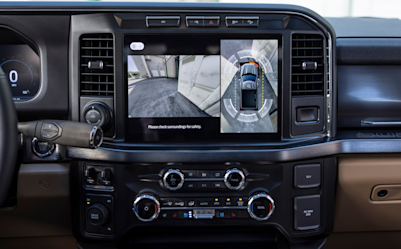
Credit: www.carfax.com
Introduction Of Backup Cameras
The introduction of backup cameras in vehicles marked a significant step forward in automotive safety. Suddenly, reversing became less of a gamble and more of a calculated maneuver. With this technology, drivers could see what lay behind them, reducing the chance of accidents and injuries. But where did this all begin, and why are backup cameras now a standard feature in new cars?
Origins And Development
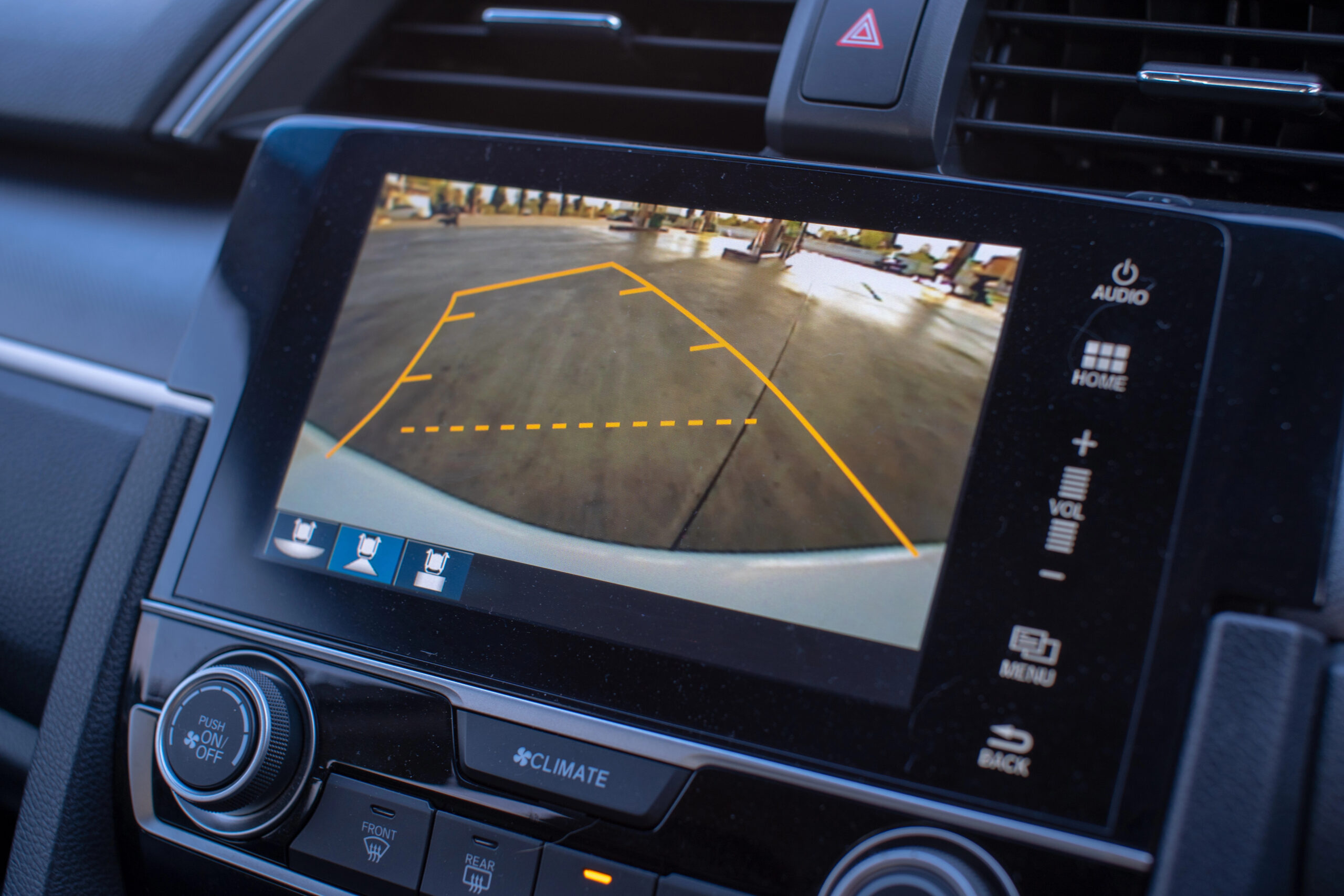
Backup cameras have a fascinating history that dates back to the late 20th century. Initially, they were a luxury feature in high-end vehicles. The idea was simple: give drivers a clear view of the blind spots when reversing. Over the years, technology improved, and costs reduced, making them accessible for all car models. By 2018, the U.S. mandated backup cameras in new cars to enhance safety. This decision was driven by the alarming statistics of backover accidents, which showed the necessity of this feature.
Key Benefits For Drivers
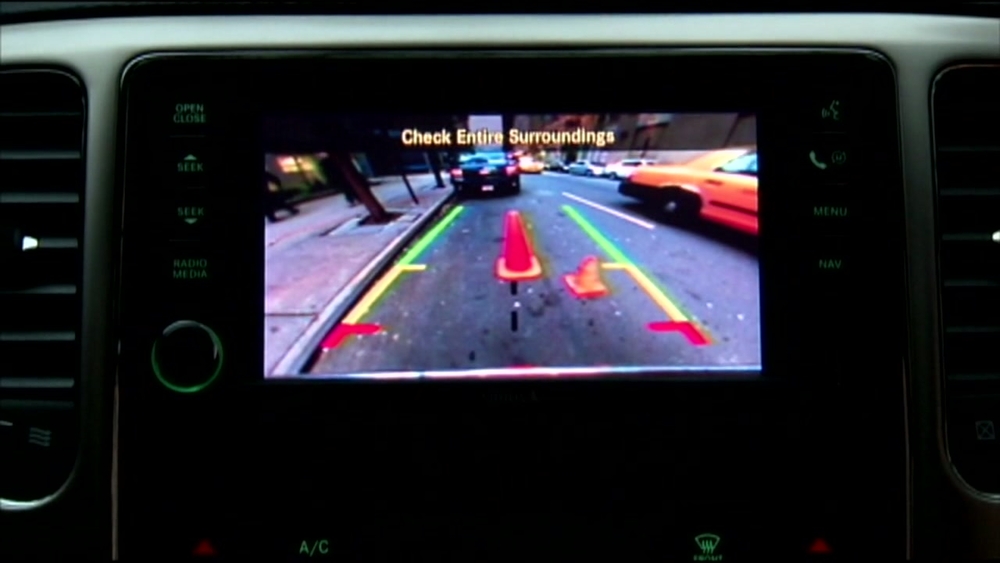
Backup cameras offer several advantages that can change your driving experience. Firstly, they dramatically improve visibility, allowing you to see obstacles that mirrors might miss. This is particularly useful in crowded parking lots or residential areas. Secondly, they help prevent accidents, especially with pedestrians and cyclists. With a clear view of what’s behind, you can avoid costly and potentially dangerous collisions. Finally, they ease the stress of parking. Whether parallel or reverse parking, backup cameras provide guidance that makes the process smoother and less nerve-wracking.
Legislation And Requirements
In recent years, legislation has shaped the development of automotive safety features. Backup cameras have become an essential component in new vehicles. Understanding the legal requirements helps grasp why these cameras are now standard.
Government Mandates
The U.S. government has played a significant role in this shift. In 2014, the National Highway Traffic Safety Administration (NHTSA) issued a mandate. It required all new cars to have backup cameras by May 2018. This rule aims to reduce accidents during reversing. The mandate covers passenger vehicles weighing less than 10,000 pounds. Similar regulations exist in other countries, promoting global safety standards.
Impact On Automotive Industry
The mandate changed how manufacturers design cars. Automakers have integrated backup cameras into their models. This change ensures compliance with safety regulations. It also prompted advancements in camera technology. Manufacturers now offer enhanced features like 360-degree views. These innovations improve driver visibility and safety. The industry has embraced these changes, seeing them as opportunities for growth.
Credit: jerry.ai
Are All New Cars Equipped?
New cars often come with backup cameras. This feature is now standard due to safety regulations. It helps drivers see behind their vehicle, reducing accidents.
Are all new cars equipped with backup cameras? This is a question that has piqued the curiosity of many car buyers. As technology advances, safety features become standard in newer models. Backup cameras, once a luxury, are now commonplace in many vehicles. They offer increased safety by allowing drivers to see what’s behind them, reducing the risk of accidents. But are they really in all new cars? Let’s dig deeper to understand the current market trends and exceptions.Current Market Trends
The automotive industry has seen a significant shift towards integrating advanced safety features. Backup cameras have become a standard feature in most new cars. Manufacturers are prioritizing safety due to consumer demand and regulatory requirements. In the United States, a federal mandate requires that all new cars sold after May 2018 must be equipped with backup cameras. This has led to a widespread adoption across the market. You might notice that even entry-level models include this feature, reflecting the industry’s commitment to safety. Globally, different countries have adopted similar regulations. This has led to a consistent trend where backup cameras are becoming a norm rather than an exception.Exceptions And Variations
Despite the general trend, there are exceptions. Some compact or budget models might still lack a backup camera. The reason? Cost-cutting measures to keep the price competitive. These models often target buyers who prioritize affordability over advanced features. However, even in these cases, manufacturers offer backup cameras as optional add-ons. This allows you to choose based on your preferences and budget. Additionally, certain luxury brands might offer enhanced versions with additional features like parking sensors or 360-degree views. This variation caters to different consumer needs and preferences. So, while backup cameras are prevalent, it’s essential to check the specifications of your desired model. Are you willing to trade off some safety features for a lower price? Or do you value comprehensive safety packages?Impact On Safety
Backup cameras in new cars enhance safety. They reduce blind spots, helping drivers avoid collisions. This technology is crucial for safer parking and reversing.
The safety features in modern vehicles have become a major concern for drivers. With the increasing number of accidents on the road, car manufacturers are focusing on incorporating features that prevent or reduce the severity of collisions. One such feature that has gained significant attention is the backup camera. The inclusion of backup cameras in new cars has a significant impact on safety. These cameras provide drivers with a clear view of the area behind their vehicle, helping them to avoid accidents or minimize damage in case of a collision. The reduction in accidents and improvement in driver awareness are two key benefits of backup cameras.Reduction In Accidents
Backup cameras play a crucial role in reducing the number of accidents that occur while reversing. According to statistics, many accidents happen when drivers are reversing their vehicles, often due to a lack of visibility. With a backup camera, drivers can see obstacles and pedestrians behind their vehicle, allowing them to take necessary precautions. This feature has been shown to reduce the risk of accidents by up to 50%.Improvement In Driver Awareness
Backup cameras also improve driver awareness while reversing. By providing a clear view of the area behind the vehicle, drivers are able to anticipate potential hazards and take corrective action. This feature is especially beneficial for drivers who may have difficulty seeing behind their vehicle, such as those with limited mobility or poor eyesight. The use of backup cameras has been shown to increase driver confidence and reduce the likelihood of accidents. Backup cameras have become a standard feature in many new cars, and for good reason. They provide drivers with a critical tool for avoiding accidents and improving safety on the road. As the number of vehicles on the road continues to grow, the importance of safety features like backup cameras will only continue to increase.Technological Advancements
The world of automotive technology is constantly evolving, and one of the most significant advancements in recent years is the universal adoption of backup cameras in new vehicles. These cameras, once considered a luxury feature, are now a standard part of modern driving. But what are the technological advancements that have made this possible? And what does this mean for the future of driving?
Integration With Other Systems
Today’s backup cameras are not standalone devices. They are seamlessly integrated with other vehicle systems, enhancing their functionality. Many cars now combine backup cameras with sensors, giving drivers visual and audible alerts for obstacles. This integration creates a comprehensive safety net, making parking and reversing less stressful.
Additionally, some vehicles link backup cameras with GPS systems. This feature provides real-time visuals and directions, which can be particularly useful in unfamiliar areas. Imagine driving in a crowded city and having your camera and GPS working together to guide you safely. This collaboration between systems offers peace of mind and improves overall safety.
Future Innovations
As technology advances, the future of backup cameras is promising. Developers are exploring the use of artificial intelligence to make these systems smarter. AI could potentially enable cameras to recognize objects or pedestrians, providing even more detailed alerts to drivers.
Moreover, augmented reality (AR) is also on the horizon. With AR, backup camera feeds could overlay important information directly onto the image. This could mean highlighting the best parking spots or indicating potential hazards in real-time. Such innovations aim to make driving safer and more intuitive.
These advancements lead us to wonder: will future cars drive themselves entirely? While we’re not there yet, the continuous evolution of backup cameras and their integration with other technologies certainly paves the way for a safer, more automated driving experience.
Consumer Perspectives
Consumer perspectives on backup cameras in new cars are diverse and insightful. As more manufacturers equip vehicles with this technology, the opinions and experiences of drivers become increasingly important. Are these cameras merely a luxury, or have they become an essential safety feature?
Driver Experiences
Many drivers feel a noticeable difference in confidence when they have a backup camera. Navigating tight parking spaces and reversing on busy streets becomes less daunting. One driver mentioned that the camera helped avoid a potential accident with a small child behind the vehicle. Some drivers, however, express concerns about reliance on technology. They argue that too much dependence might make you less attentive. Have you ever found yourself focusing on the camera screen rather than checking your mirrors?
Market Demand
The demand for backup cameras has surged in recent years. Safety regulations and consumer expectations have driven this trend. Automakers have responded by making backup cameras standard in most new models. Yet, not everyone is convinced. Some car buyers prioritize other features over backup cameras, especially in budget models. Does the demand align with your priorities when purchasing a car? Consider how safety features fit into your decision-making process.
Credit: abc13.com
Frequently Asked Questions
Are Backup Cameras Mandatory In New Cars?
Yes, backup cameras are mandatory in all new cars. Since May 2018, the U. S. has required all new vehicles to include backup cameras. This rule aims to enhance safety and reduce backup accidents.
Why Are Backup Cameras Important For Safety?
Backup cameras provide a clear view behind the vehicle. They help prevent accidents by detecting obstacles and pedestrians. This technology reduces blind spots, making reversing safer and more efficient.
Do All Car Models Come With Backup Cameras?
Most new car models come with backup cameras. Automakers include them to comply with safety regulations. However, some basic models may offer them as optional features.
Can I Add A Backup Camera To My Older Car?
Yes, you can add a backup camera to an older car. Many aftermarket options are available for installation. Professional installation ensures optimal performance and safety.
Conclusion
Backup cameras are now standard in most new cars. They enhance safety by reducing blind spots. Drivers find it easier to park and reverse. Regulations ensure these cameras are common in newer models. Older cars may need upgrades if desired.
It’s wise to check specifications before purchasing. Not all models offer the same features. Consider your specific needs and preferences. Backup cameras are a valuable addition to modern vehicles. They provide peace of mind and improve driving experience. Stay informed and choose wisely for the best fit.