
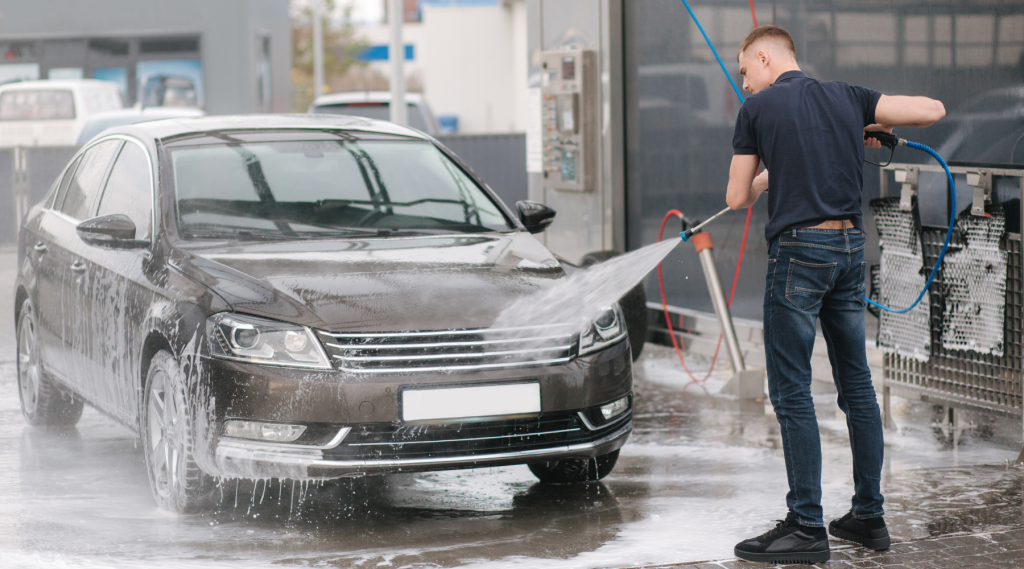
Have you ever wondered if there’s such a thing as washing your car too much? It’s tempting to keep your vehicle spotless, especially when you take pride in its appearance.
But could your love for that shiny, clean look actually be doing more harm than good? Let’s dive into the world of car care and uncover the surprising truths about maintaining your car’s cleanliness. Whether you’re a car enthusiast or just someone who wants to keep their ride looking sharp, this article will reveal the secrets behind the balance between cleanliness and protection.
Keep reading to discover how your washing routine might be affecting your car more than you think!

Credit: www.youtube.com
Frequency Of Car Washing
Washing a car too often can strip wax and damage its finish. Balance is key for maintaining shine and protection. Regular washing keeps dirt at bay, but excessive cleaning might lead to wear over time.
The frequency of car washing depends on several factors. Weather conditions, driving habits, and the car’s location play a role. Too much washing can sometimes harm your car’s paint. Let’s explore how often you should wash your car.How Often Should You Wash Your Car?
Most experts suggest washing your car every two weeks. This schedule helps keep your vehicle clean without overdoing it. Dust, pollen, and road grime can build up fast. Regular washing prevents these elements from damaging your car’s finish.Signs It’s Time To Wash Your Car
Notice dirt or grime on your car? It’s time for a wash. Water spots and bird droppings can also signal a need for cleaning. Keeping an eye on these signs helps maintain your car’s appearance.Weather Impact On Car Washing Frequency
Weather affects how often you should wash your car. Rainy seasons can leave your car muddy. In such times, weekly washes may be necessary. Dry climates might require less frequent cleaning.Environmental Factors To Consider
Living near the sea or in an industrial area? Salt and pollutants can settle on your car. These elements can harm the paint, so wash more often.Driving Habits And Their Effect
Frequent highway driving exposes your car to more dirt and debris. City driving may result in less dirt but more dust. Adjust your washing schedule based on your driving patterns.Using Automated Car Washes
Automated car washes are convenient but use with caution. Frequent use can lead to scratches and dull paint. Limit visits to automated washes to reduce potential damage.Impact On Car Paint
Car enthusiasts love keeping their vehicles spotless. But excessive washing can harm the car’s paint. While washing removes dirt, it can also affect the paint’s longevity. Understanding the impact on car paint helps maintain your vehicle’s appeal.
Scratches And Swirl Marks
Frequent washing can cause scratches. Scratches appear when dirt particles rub against the paint. Using a rough cloth or sponge increases the risk. Swirl marks are tiny scratches seen under sunlight. They occur from improper washing techniques. These marks dull the car’s finish over time.
Effects Of Harsh Chemicals
Some cleaning agents contain harsh chemicals. These chemicals can strip away protective wax. They can also weaken the paint’s top layer. Over time, the paint loses its shine. Regular use of such products can lead to fading. Opt for mild soap designed for cars. This choice protects the paint while cleaning.
Damage To Car Components
Washing your car too often might seem harmless. But it can lead to damage. Over time, frequent washes can affect car components. This includes seals, trim, and metal parts. Understanding these risks helps in maintaining your car’s condition.
Wear On Seals And Trim
Car washes can wear out seals and trim. Rubber seals around windows and doors are vulnerable. Constant washing and drying weaken them over time. This can lead to leaks and noise. Plastic trim can lose its shine and color. Use gentle cleaning methods to preserve these parts. Avoid harsh chemicals and rough cloths.
Corrosion Risks
Frequent washing can increase corrosion risks. Water and detergents can seep into small scratches. Over time, this causes rust to form. Car undercarriages are especially prone to this. Salt and dirt get trapped, accelerating corrosion. Regularly check and clean these areas thoroughly. Use rust protection sprays for added safety.

Credit: sparkcarwash.com
Environmental Considerations
Washing your car can have effects beyond just keeping it clean. Environmental considerations play a significant role in understanding how frequent washes impact the world around us. This section explores the implications of water usage and chemical runoff associated with regular car washing.
Water Usage
Car washes can use a lot of water. Each wash might consume up to 45 gallons. Frequent washing means more water drawn from local sources. This can strain community water supplies, especially in dry areas. Conserving water during car washes is crucial. Consider using water-saving techniques or visiting eco-friendly car wash stations.
Chemical Runoff
Many car cleaning products contain harmful chemicals. When you wash your car, these chemicals can mix with water. This mixture often flows into storm drains and local waterways. It can harm aquatic life and affect water quality. Choosing biodegradable or less harmful products can reduce this risk. Proper disposal of wash water is essential to protect the environment.
Benefits Of Regular Washing
Regular washing keeps your car’s paint looking shiny and protects it from dirt and grime. Frequent cleaning prevents rust and maintains the car’s resale value. It also enhances visibility by keeping windows and mirrors clear.
Regular car washing is more than just a matter of aesthetics; it plays a crucial role in maintaining your vehicle’s value and functionality. While some might worry about washing their car too frequently, understanding the benefits can put those fears to rest. A routine wash schedule can be your car’s best defense against the elements, ensuring it remains in top condition for years to come.Protection Against Dirt And Grime
Keeping your car clean helps protect it from the build-up of dirt and grime. When left unchecked, these can become abrasive, scratching the paint and causing long-term damage. Imagine driving through a muddy road and not washing your car afterward. The mud hardens and becomes more challenging to remove, potentially harming your car’s surface. By regularly washing your car, you prevent this build-up and maintain the integrity of your paintwork. Plus, frequent washing removes harmful residues like bird droppings and tree sap that can eat through the paint if left unattended. So, the next time you consider skipping a wash, think about the long-term protection you’re missing out on.Maintaining Resale Value
Regular washing can also significantly impact your car’s resale value. A well-maintained exterior signals to potential buyers that you’ve taken good care of the vehicle as a whole. Consider this: Would you pay top dollar for a car covered in dust and scratches? A clean, shiny car not only looks appealing but also reflects the care and attention it has received. By keeping your car in pristine condition, you ensure that it stands out in the crowded resale market. This can translate into a better price, making those regular washes a smart investment for the future. In the end, regular washing is about more than appearances. It’s about preserving your car’s longevity and value. So, how often do you wash your car, and have you noticed these benefits firsthand?Best Practices For Car Washing
Car washing is more than just a routine task—it’s an art that keeps your vehicle gleaming and protects its value. But can you wash your car too much? While maintaining cleanliness is crucial, over-washing can harm the vehicle’s finish. To strike the right balance, you must adopt best practices in car washing, ensuring your car remains in top condition without unnecessary wear.
Using The Right Products
Choosing the correct products is essential for safeguarding your car’s exterior. Always opt for automotive-specific soaps and shampoos. Household detergents can strip away protective wax and damage the paint.
Consider using microfiber towels instead of regular cloths. They are gentle on the paint and reduce the risk of scratches. It’s wise to invest in a high-quality car wax to protect the finish and add a shiny layer.
Do you know that not all waxes are created equal? Look for ones that offer UV protection to shield your car from sun damage. Remember, using the right products can extend the life of your car’s paint job.
Techniques To Minimize Damage
Proper washing techniques can make a significant difference in maintaining your car’s exterior. Start by rinsing your car thoroughly to remove loose dirt. This step prevents scratching during the wash.
Use the two-bucket method: one for soapy water and the other for rinsing your sponge. This reduces the chance of transferring dirt back onto your car. Always wash in straight lines rather than circular motions to avoid swirl marks.
Have you considered drying your car with a blower instead of a towel? It might sound unusual, but it minimizes contact with the surface, further reducing the risk of scratches. When you take care of these small details, your car will thank you with a long-lasting, shiny appearance.
Signs Of Overwashing
Frequent car washing might lead to faded paint and scratched surfaces. Tires can lose their shine, and rubber seals may crack. Overwashing can strip off wax, leaving your vehicle unprotected against elements.
Signs of overwashing your car can be subtle but damaging, leaving you with a vehicle that looks older than it is. Regular maintenance is important, yet excessive washing can lead to unintended issues.Fading Paint
Your car’s paint is designed to withstand the elements, but overwashing can lead to fading. Frequent exposure to water and cleaning agents can strip away the protective wax and clear coat. Have you noticed your car’s vibrant color losing its shine? This could be a sign that you’re washing it too much. Consider spacing out washes to preserve the paint’s integrity. Use gentle cleaning products that don’t strip away essential layers.Worn-out Components
It’s not just the paint that suffers from overzealous washing. Rubber seals, plastic trims, and even metal components can wear out faster. The constant moisture and scrubbing can degrade these materials, leading to leaks and a rattling ride. Are your window seals starting to crack? Do your plastic trims look dull and brittle? These are clear indicators of overwashing. To prevent this, inspect your car’s components regularly and allow them to dry thoroughly between washes. Use a soft cloth instead of harsh brushes to clean delicate areas. Take a moment to think about your car care routine. Are you prioritizing appearance over longevity? Balance is key to maintaining your car’s health and beauty.Alternatives To Frequent Washing
Washing your car frequently might seem like the best way to keep it clean. But, too much washing can damage the paint and reduce its shine. Luckily, there are ways to maintain your car’s appearance without frequent washes. These alternatives help protect your car and keep it looking fresh.
Protective Coatings
Applying protective coatings can keep your car cleaner longer. Ceramic coatings and wax provide a barrier against dirt and water. They prevent debris from sticking to the surface. This reduces the need for regular washing. These coatings also enhance the car’s gloss and protect it from harmful UV rays. It’s a smart investment for long-term car care.
Waterless Cleaning Options
Waterless cleaning products offer a quick solution for a dusty car. They are convenient and easy to use. Spray the product on your car’s surface and wipe it off with a microfiber cloth. This method is eco-friendly and saves water. It is perfect for light cleaning when your car is not very dirty. Waterless cleaners remove grime and leave a shiny finish. Keep one in your car for touch-ups on the go.

Credit: automaniacs.us
Frequently Asked Questions
How Often Should You Wash Your Car?
Washing your car every two weeks is generally recommended. This frequency helps protect the paint and remove contaminants. However, if you live in an area with harsh weather or salt exposure, consider washing it more often.
Can Frequent Washing Damage Car Paint?
Frequent washing can harm paint if done improperly. Using harsh brushes or dirty towels can cause scratches. Opt for gentle cleaning products and soft microfiber cloths to protect your car’s finish.
Is It Bad To Wash Your Car Every Day?
Washing daily isn’t necessary and can waste resources. It may also increase wear on your car’s finish. Instead, focus on regular maintenance and spot cleaning as needed to keep your car in good shape.
Does Washing Too Much Remove Wax?
Excessive washing can strip wax over time. Use car-specific shampoos that are wax-friendly to minimize this effect. Regularly reapply wax to maintain protection and shine.
Conclusion
Washing your car too much can lead to issues. Paint might fade. Wax could wear out faster. But, regular cleaning keeps your car looking fresh. Balance is key. Maintain cleanliness without overdoing it. Use gentle products to protect your car’s finish.
Pay attention to weather and road conditions. These affect how often you should wash. Listen to your car’s needs. A clean car reflects good care. Enjoy the shine without worry. Keep your ride in top shape. Happy driving!