
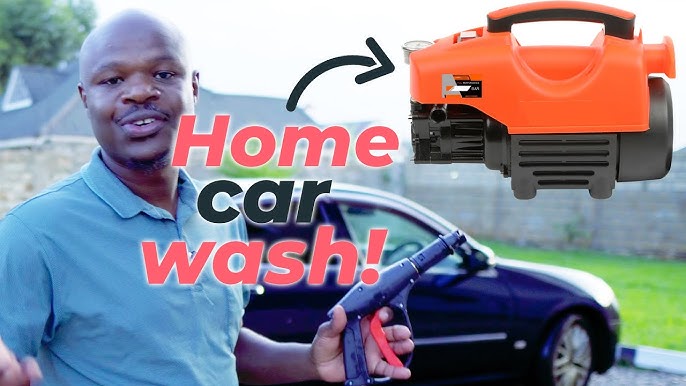
Have you ever looked at your car and wondered if there’s a faster way to wash off the dirt and grime? If so, you’re not alone.
Imagine cutting your cleaning time in half with a pressure washer. Sounds tempting, doesn’t it? But before you take the plunge, there’s a question that might be buzzing in your mind: Can you use a pressure washer on a car without causing damage?
This is where things get interesting. You might have seen pressure washers effortlessly cleaning driveways or patios, and thought about using one on your car. But here’s the catch — pressure washers are powerful tools. While they can make quick work of stubborn dirt, they can also be harsh on delicate surfaces. The thought of damaging your car’s paint or components can be daunting. You’re about to discover the secrets that will help you make an informed decision. Is it safe? How can you avoid potential pitfalls? Stick around as we explore the dos and don’ts of using a pressure washer on your car. Your car’s cleanliness and safety are about to take center stage!

Credit: surfacemaxx.com
Pressure Washer Basics
Pressure washers are powerful tools for cleaning tough dirt and grime. They use high-pressure water jets to remove debris. Understanding their basics is crucial before using them on a car. Knowing how they operate and the different types can help you choose the right one.
How Pressure Washers Work
Pressure washers use an electric or gas engine to power a pump. The pump increases water pressure from a hose. This pressurized water sprays out through a nozzle. The force of the water can clean surfaces effectively. Different nozzles adjust the spray pattern and pressure level. This flexibility helps in tackling various cleaning tasks. Proper use prevents damage to surfaces.
Types Of Pressure Washers
Pressure washers come in different types based on power sources. Electric pressure washers are quieter and lighter. They are suitable for light-duty cleaning tasks. Gas pressure washers are more powerful. They handle heavy-duty cleaning jobs well. Gas models are often used for outdoor cleaning. The choice between electric and gas depends on your cleaning needs.
Pressure Washer Safety
Using a pressure washer on a car requires caution to avoid damage. Maintain a safe distance and use the right nozzle. Adjust the pressure settings to ensure a gentle wash without harming the paint.
Pressure washing a car can be efficient. But safety is crucial. The force from a pressure washer can cause damage or injury. Proper precautions ensure a safe and effective cleaning experience.Protective Gear
Wearing protective gear is essential. Safety goggles protect your eyes from debris. Gloves give you a better grip and shield your hands. Closed-toe shoes safeguard your feet from water jets. Ensure your clothes cover arms and legs. This minimizes exposure to high-pressure water.Handling High Pressure
Managing high pressure requires care. Use a nozzle with lower PSI settings for cars. Test the pressure on a small area first. Keep the nozzle at least two feet away from the surface. This prevents paint from chipping. Always move the nozzle in smooth, sweeping motions. Avoid directing the spray at fragile parts like mirrors and antennas.Choosing The Right Pressure Washer For Cars
Using a pressure washer on a car can be effective when used correctly. Select one with adjustable pressure settings to avoid paint damage. Opt for a model with a gentle spray nozzle to ensure safe and thorough cleaning.
Choosing the right pressure washer for your car is crucial to ensure effective cleaning without causing any damage. Using a pressure washer with inappropriate settings can lead to chipped paint or scratched surfaces. Understanding the specific features and settings necessary for car cleaning can save you time and prevent costly repairs.Psi And Gpm Ratings
When selecting a pressure washer, consider the PSI (pounds per square inch) and GPM (gallons per minute) ratings. A pressure washer with a PSI between 1200 and 1900 is ideal for car washing. This range provides enough power to clean off dirt and grime without stripping away the paint. The GPM rating affects how quickly the washer can clean a surface. A GPM of 1.4 to 1.6 is generally sufficient for cars. This balance ensures you have enough water flow to rinse off soap and dirt efficiently.Nozzle Selection
Nozzle selection plays a significant role in how a pressure washer cleans. Always opt for a nozzle that disperses water at a wide angle, such as a 25-degree or 40-degree nozzle. These nozzles are gentle on car surfaces, reducing the risk of damage. Consider using a foam cannon attachment for applying soap. It allows for even distribution of soap, making the washing process more effective. This tool can help loosen stubborn dirt and make rinsing much easier. Have you ever thought about how a simple nozzle change can impact your car’s appearance? Choosing the right nozzle can transform your car washing routine, leaving your vehicle looking pristine and well-cared for.
Credit: www.youtube.com
Preparing Your Car
Getting ready to use a pressure washer on your car involves more than just turning on the machine and aiming the nozzle. Proper preparation ensures that your car will be clean without risking any damage. This involves conducting a thorough pre-wash inspection and efficiently removing loose dirt. Let’s dive into the steps needed to make your pressure washing experience successful.
Pre-wash Inspection
Before you even start washing, take a close look at your car. Inspect the surfaces for any existing scratches or chips. Pressure washers can worsen these issues if not handled carefully. Are there areas with peeling paint or loose accessories? These spots require extra caution during washing.
Check the seals around the windows and doors. Ensuring they are intact can prevent water from leaking into your car. Examine the tires and rims for any dirt buildup that might need special attention. This inspection is your opportunity to spot potential trouble areas, allowing you to adjust your washing technique as necessary.
Removing Loose Dirt
Next, focus on removing loose dirt. This initial step will make the actual washing much more effective. Start with a gentle rinse using just water. This helps to loosen dirt without the risk of scratching your car’s surface.
- Use a hose or a bucket of water to rinse off the loose debris.
- A soft brush can be used to gently sweep away dirt from the rims and tires.
- Pay extra attention to areas like the lower panels and wheel arches where dirt accumulates.
Once you’ve removed the loose dirt, your car is ready for a deeper clean with the pressure washer. But remember, the preparation you do now directly impacts the final result. Have you spotted any areas that might need extra care during washing?
Washing Techniques
Pressure washers can make car cleaning fast and efficient. But, using the right technique is key. The wrong approach can damage your car’s finish. Read on to learn safe and effective washing techniques.
Maintaining Safe Distance
Always keep a safe distance from the car’s surface. A distance of at least 2 feet is recommended. This prevents any potential damage to the paint. Close proximity can strip paint and damage surfaces.
Proper Washing Sequence
Start from the top of the car. Work your way down to avoid re-soiling cleaned areas. Begin with the roof, then move to the windows and sides. Finish with the wheels and bottom parts.
Use a gentle spray setting for delicate areas like mirrors. Increase pressure for tougher spots like wheels and bumpers. Ensure each section is rinsed thoroughly before moving to the next.

Credit: www.youtube.com
Avoiding Damage
Using a pressure washer on a car can be effective. But, it’s crucial to avoid damage. High-pressure water can harm sensitive areas. Understanding where to direct the spray is key. Also, knowing common mistakes helps protect your vehicle. Let’s explore the areas to be cautious about.
Sensitive Areas To Protect
Some car parts are delicate. Windows and mirrors can crack under high pressure. Keep the nozzle distance safe. Paintwork is vulnerable too. Close-range spraying can chip it. Electrical components require special care. Water can seep into sensors and connectors.
Headlights need gentle washing. Pressure can cause moisture buildup inside. Tires are another concern. Direct spraying can damage rubber. The car’s underside should be washed with caution. Avoid high pressure on exhaust pipes and suspension parts.
Common Mistakes To Avoid
Many people make errors when using pressure washers. One common mistake is using too high a pressure. This can strip paint and damage surfaces. Incorrect nozzle choice is another issue. Using a narrow nozzle can concentrate pressure too much.
Spraying too close to the car is risky. It can cause dents or cracks. Ignoring sensitive parts leads to damage. Not adjusting the pressure for different surfaces is a mistake. Each area requires specific care.
Moving the nozzle too slowly can harm the car. It allows water to concentrate in one spot. Failing to angle the spray properly can lead to water entering vents. Ensuring the nozzle is at the right distance is vital.
Post-wash Care
Pressure washers can clean cars efficiently, but use them with care. Opt for a low-pressure setting to avoid damage. After washing, ensure thorough drying to prevent water spots and streaks.
After washing your car with a pressure washer, proper post-wash care is crucial. This ensures your vehicle remains spotless and in great condition. Taking a few extra steps can help maintain the car’s shine and prevent potential issues.Drying Your Car
Drying your car immediately after washing is important. Water spots can form if left to air dry. Use a soft microfiber towel or a chamois to wipe down the car. These materials absorb water without scratching the surface. Start from the top and work your way down. This method prevents water from dripping onto already-dried areas. Ensure all areas, including mirrors and windows, are thoroughly dried.Inspecting For Damage
After drying, inspect your car for any damage. Pressure washers can sometimes cause minor issues if not used properly. Look for paint chips or dents on the car’s body. Check for signs of rust, especially around edges and joints. Pay attention to sensitive areas like the headlights and taillights. If you spot any damage, consider consulting a professional. Regular inspections help keep your car in prime condition.Expert Recommendations
Using a pressure washer on a car can be tricky. Experts have guidelines to ensure safety and effectiveness. It’s important to listen to professional advice and know when to seek help.
Professional Advice
Experts suggest using a pressure washer with care. Always choose the right nozzle for the job. A 25-degree nozzle is often recommended for cars. Keep a safe distance to avoid paint damage. Professionals advise maintaining a distance of at least 12 inches from the car’s surface. This helps in preventing scratches and dents.
Pressure settings matter too. A setting below 2,000 PSI is ideal for cars. Higher pressure can harm the paint and body. Experts also recommend washing in a shaded area. This prevents water spots and soap from drying too quickly.
When To Seek Help
Consider professional help if unsure about using a pressure washer. Experts can handle special situations like stubborn stains or delicate paint jobs. They have the right tools and experience to ensure safety. Professional services are also helpful for detailing needs. They can reach areas that are hard to clean on your own.
If your car has any pre-existing damage, consult an expert. They can advise on the best cleaning method to avoid worsening the damage. Always prioritize your car’s safety and appearance by seeking professional guidance when needed.
Frequently Asked Questions
Is It Safe To Pressure Wash A Car?
Yes, it’s generally safe if done correctly. Use a pressure washer with a low PSI setting, ideally under 2000. Always maintain a safe distance of at least two feet to avoid damaging paint. Use a wide-angle nozzle to prevent concentrated pressure.
Pre-rinse to remove loose dirt before washing.
What Psi Is Recommended For Car Washing?
For car washing, a PSI between 1200 and 1900 is ideal. This range is strong enough to clean but gentle enough to avoid damage. Always use a nozzle with a wide spray angle. This helps in distributing the pressure evenly across the car’s surface.
Can Pressure Washing Damage Car Paint?
Yes, high-pressure settings can damage car paint. Excessive pressure can strip away paint and cause scratches. Always use a lower PSI and a wide-angle nozzle. Maintain a safe distance from the car surface. If unsure, test on a small area first.
Should I Use Soap With A Pressure Washer?
Yes, using soap is beneficial for effective cleaning. Use car-specific detergents to prevent damage to the paintwork. Apply the soap through the pressure washer’s detergent tank or foam cannon. Rinse thoroughly to remove all soap residues, ensuring a spotless finish.
Conclusion
Using a pressure washer on your car can be effective. Always ensure the settings are correct. Too much pressure can damage the paint. Use the right nozzle. Keep a safe distance from the car surface. This prevents scratches and dents.
Remember, safety comes first. Protect your car and yourself. Proper technique ensures a clean vehicle. Try it yourself with care. Pressure washing can save time. It cleans effectively when done right. Follow these tips for best results. Your car deserves gentle care.
Enjoy a spotless ride!