

Imagine you’ve just upgraded to a shiny new car. The excitement is palpable, but there’s a nagging question hovering in your mind: “Can I transfer my beloved license plate to this new beauty?”
You’re not alone—many car owners ponder this very question when they switch vehicles. It’s not just about convenience; your license plate often carries sentimental value or a hint of personality that you’d hate to part with. But is it possible to make this switch smoothly?
By the end of this article, you’ll have a clear understanding of the steps involved, potential pitfalls, and the benefits of transferring your license plate to your new car. Dive in to ensure you make the best decision for your unique situation and keep your cherished plate right where you want it.
License Plate Basics
Transferring your license plate to a new car is often possible. Rules may vary by state or country. Check local regulations to ensure compliance.
License plates are essential for identifying vehicles. They serve as unique identifiers. Without them, tracking and managing cars becomes difficult. Understanding the basics helps when transferring a plate to a new car.Purpose Of License Plates
License plates identify the vehicle owner. They link vehicles to their owners in legal databases. This helps in enforcing traffic laws. Authorities use them to track stolen cars. They also aid in toll collection on highways.Types Of License Plates
Different vehicles have different plates. Standard plates are for personal cars. Commercial plates are for business vehicles. Specialty plates support causes or display affiliations. Vanity plates have personalized messages or names. Each type serves its purpose.Transfer Eligibility
Transferring your license plate to a new car involves understanding eligibility requirements. These requirements ensure you comply with state laws and vehicle specifications. Knowing the rules can help you avoid issues and make the transfer process smooth.
State Regulations
Each state has its own rules about transferring license plates. Some states allow transfers between vehicles owned by the same person. Others might require that both vehicles are registered in the same state. Check with your local DMV for specific guidelines.
Most states require you to fill out forms to initiate the transfer. You might need to provide proof of ownership and pay a transfer fee. Ensure you have all necessary documents before heading to the DMV.
Vehicle Compatibility
Not all vehicles can use the same license plate. Your new car must meet certain criteria for the transfer. This includes matching vehicle type and weight class.
For example, a license plate from a passenger vehicle may not fit a commercial truck. Consider the compatibility of the license plate with the new vehicle. This ensures compliance with state laws and avoids penalties.
Transfer Process
Transferring your license plate to a new car might seem like a simple task, but it can actually be a bit of a maze without the right guidance. Knowing the steps and having the proper documentation can make the process smoother. Let’s dive into how you can efficiently manage the transfer and ensure you’re back on the road without a hitch.
Required Documentation
Before heading to the DMV, gather the necessary paperwork to avoid multiple trips. You’ll need:
- Your current vehicle registration
- Proof of ownership for the new vehicle, such as a title or bill of sale
- Identification documents, like your driver’s license
- Insurance information for the new car
Having these documents ready can significantly reduce the time spent at the DMV and ensure a hassle-free experience.
Steps To Transfer
Once your documentation is in order, follow these steps to transfer your license plate:
- Visit your local DMV office with all required documents.
- Fill out the necessary forms, which may vary depending on your state.
- Pay any applicable fees for the transfer process.
- Receive confirmation that your plate is now registered to your new vehicle.
Have you ever found yourself in a long DMV line, only to realize you forgot a document? Preparing ahead can save you from such frustration. Remember, each state may have slightly different requirements, so check with your local DMV for specifics.

Credit: www.youtube.com
Fees And Costs
Transferring a license plate to a new car can incur fees. The costs vary by state and vehicle type. Always check local regulations to understand potential expenses.
Transferring your license plate to a new car involves certain fees and costs. These expenses vary by location and specific circumstances. Understanding potential charges helps you budget effectively. Let’s explore the typical charges and additional costs you might encounter.Typical Charges
Most states require a standard fee for license plate transfers. This fee covers administrative tasks like updating records. Generally, the fee ranges from $10 to $30. Some states offer discounts for online transfers. Always check your local DMV for exact fees.Potential Additional Costs
Additional costs might arise based on your situation. If your new car is a different type, expect extra charges. Specialty plates often carry a higher transfer fee. Also, if your license plate is damaged, replacement costs will apply. Ensure your plate is in good condition to avoid this. Some states also require emissions testing, which adds to the cost. Always inquire about these potential extras beforehand.Common Challenges
Transferring a license plate to a new car often involves understanding state regulations. These rules can differ widely, causing confusion. Proper documentation and fees may be required, adding complexity to the process.
Transferring your license plate to a new car can seem straightforward, yet it often presents several challenges. As someone who recently went through this process, I realized that understanding these hurdles can save you time and frustration. Let’s explore some common challenges you might encounter.Legal Restrictions
Different states have unique laws regarding license plate transfers. While some states allow you to keep your plate when moving to a new vehicle, others require you to surrender it. Always check with your local Department of Motor Vehicles (DMV) to understand the specific legal requirements for your area. Additionally, if you’re moving your plate to a different type of vehicle, such as from a sedan to a truck, this might not be allowed. States often have regulations about matching plate types with vehicle types. Ensure your new vehicle fits the criteria for the existing plate to avoid potential legal issues.Technical Issues
The technical side of transferring your license plate can also be tricky. For instance, the attachment mechanism on your new car might differ from your previous one. This could require special tools or brackets, which aren’t always readily available. Furthermore, if your new car has a different plate size requirement, you might face issues with fitting the existing plate. This can be particularly challenging if you’re moving to a car that requires a European-style or custom-sized plate. It’s essential to address these issues ahead of time to ensure a smooth transition. Have you encountered any of these challenges when transferring your license plate? Understanding these potential hurdles can prepare you for a seamless transfer process.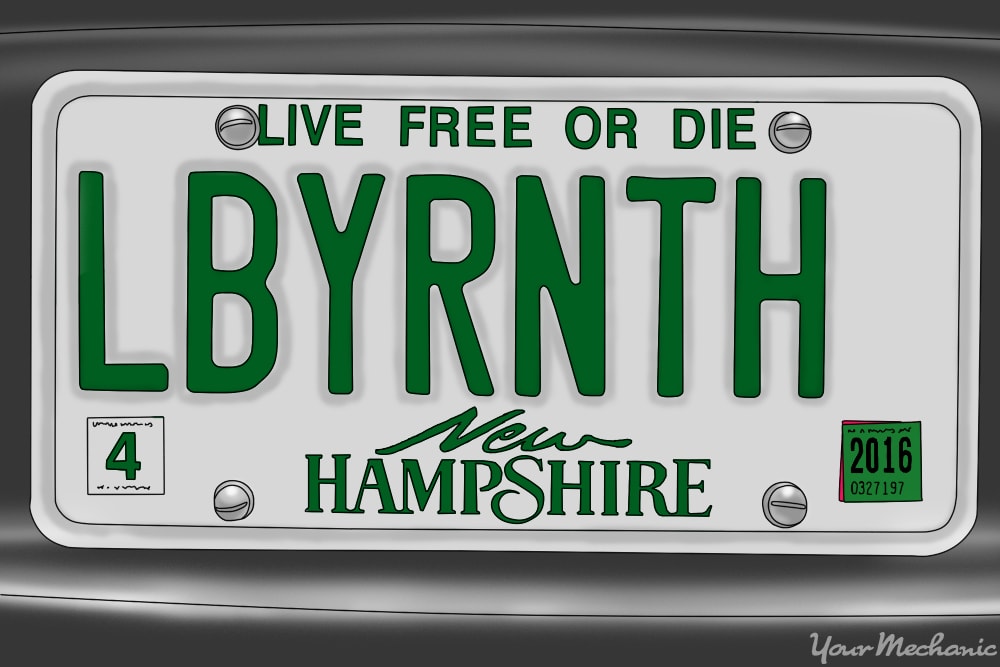
Credit: www.yourmechanic.com
Tips For A Smooth Transfer
Transferring a license plate to a new car is possible in many regions. Check local DMV rules for eligibility. Ensure all paperwork is complete to avoid delays.
Transferring your license plate to a new car can seem daunting, but it doesn’t have to be. With the right preparation and awareness of potential pitfalls, you can handle the process smoothly and efficiently. By understanding the necessary steps and being prepared, you can save time and avoid unnecessary stress.Preparation Advice
Begin by gathering all necessary documents. This often includes your car’s title, registration, and proof of insurance. Having these at your fingertips will streamline the process. Visit your local Department of Motor Vehicles (DMV) website to understand specific state regulations. Each state has its own rules and timelines, so it’s crucial to be informed beforehand. Consider making an appointment at the DMV. This can significantly reduce waiting times and ensure you have a dedicated slot for your license plate transfer.Avoiding Common Pitfalls
One common mistake is neglecting to update your insurance policy. Ensure that your new vehicle is added to your insurance plan before transferring the plate. Be mindful of deadlines. Some states have strict time limits for transferring plates after purchasing a new car. Missing these could result in fines. Double-check the spelling and accuracy of all submitted forms. Simple errors can lead to delays or even denial of your transfer request. By following these tips, you’ll be well on your way to a hassle-free license plate transfer. Have you ever encountered unexpected hiccups while transferring plates? Share your experiences in the comments!Alternatives To Plate Transfer
Transferring a license plate to a new car is often possible, depending on local regulations. Check with your local DMV for guidelines. If transfer isn’t allowed, consider applying for a new plate or exploring temporary permits for your vehicle.
Switching cars often leads to a crucial decision: should you transfer your license plate or explore other options? While transferring your plate might seem like the simplest choice, there are intriguing alternatives worth considering. Each option carries its own benefits and might suit your needs better than a traditional transfer. Let’s dive into these alternatives and see which one resonates with you.Getting A New Plate
Opting for a new license plate can be a fresh start. It offers a clean slate and might be the perfect option if your old plate is worn out or damaged. Many states make the process straightforward with online applications and quick turnaround times. But why stop at the standard plate? Consider the excitement of choosing a unique design that reflects your personality or interests. States offer a variety of themes ranging from environmental causes to sports teams. By selecting a new plate, you also get a chance to support causes you care about through special fundraising plates. Think about the opportunity to break away from the past. A new plate can symbolize a new chapter with your new car. It’s a small change with a big psychological impact.Personalized License Plates
Why not make your ride truly yours with a personalized license plate? These plates allow you to display a custom message or a combination of letters and numbers that holds personal significance. Imagine driving around with a plate that showcases your favorite hobby, nickname, or even a witty phrase that makes people smile. Personalized plates are a popular choice for those who want to stand out on the road. The process might involve a bit more paperwork and a higher fee, but the result is uniquely you. Check your state’s DMV website for availability and guidelines to kickstart this creative journey. You might even turn heads and spark conversations with your clever plate. Isn’t it time your car reflected a bit more of who you are?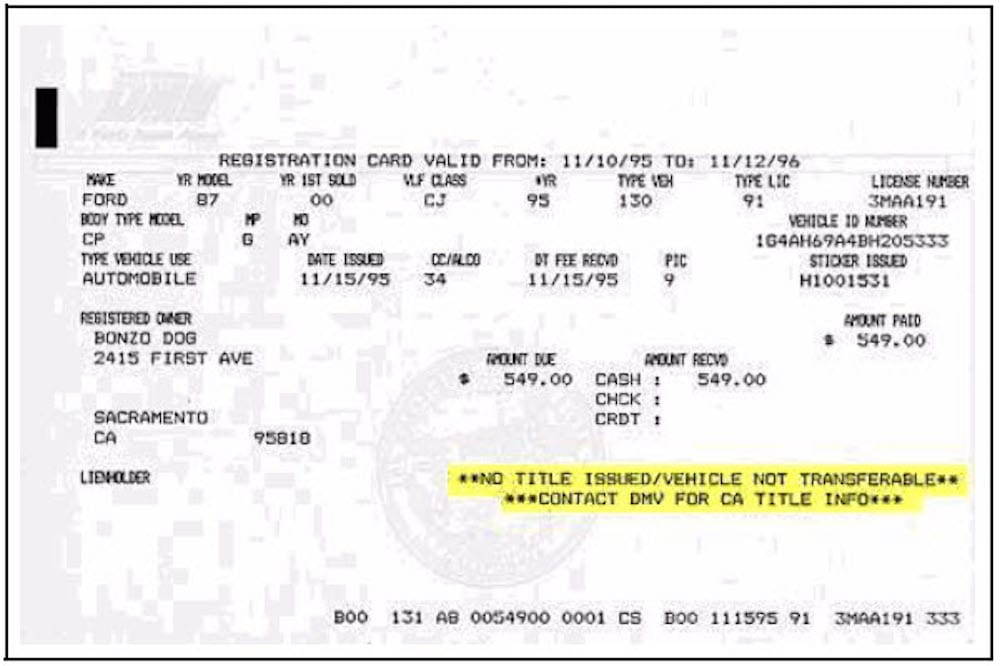
Credit: www.yourmechanic.com
Frequently Asked Questions
Can I Keep My Old License Plate?
Yes, you can often transfer your old license plate to your new car. The process varies by state or country, so check local regulations. Typically, you’ll need to fill out some paperwork and pay a small fee. Always ensure your plate is properly registered with your new vehicle.
What Are The Requirements For Plate Transfer?
Requirements for transferring a license plate depend on local regulations. Generally, you need proof of ownership, the old plate, and personal identification. Some regions may require a fee or additional paperwork. Always consult your local Department of Motor Vehicles (DMV) for specific details and procedures.
Does Transferring Plates Affect Registration?
Transferring plates doesn’t usually affect your vehicle’s registration status. You’ll update the registration to reflect the new vehicle details. It’s important to ensure all documentation is accurate and up-to-date. Contact your local DMV to confirm the process and any necessary fees or paperwork.
How Long Does Plate Transfer Take?
The duration for transferring a license plate varies by region. It can be immediate or take several days. Factors like paperwork processing and local DMV procedures affect the timeline. Always check with your local DMV for specific processing times and requirements to avoid delays.
Conclusion
Transferring a license plate to a new car is possible and straightforward. Check state rules first. Each state has different procedures. Have all necessary documents ready. This may include registration, ID, and proof of ownership. Visit the DMV or use online services if available.
Fees may apply, so prepare for costs. Enjoy the convenience of keeping your plate. It saves time and avoids confusion. Always update personal and vehicle details. This ensures smooth transitions and compliance. Remember, timely actions prevent delays. Keep your plate and drive with peace of mind.