
Imagine driving your old car with the confidence of a modern vehicle. You no longer have to worry about blind spots or backing into something unseen.
Sounds great, doesn’t it? You might be wondering if it’s possible to equip your beloved old car with the safety of a backup camera. The answer is yes, and it’s easier than you think. This article will guide you through the process, addressing your concerns and showing you how to enhance your car’s safety without breaking the bank.
Keep reading to discover how you can transform your driving experience and give your trusty vehicle a tech upgrade.
Benefits Of Installing A Backup Camera
Upgrading an old car with a backup camera can significantly enhance safety by improving visibility while reversing. It helps prevent accidents by alerting drivers to obstacles they might not see. Installing a backup camera is a practical way to modernize and increase the safety of older vehicles.
Installing a backup camera on an old car can bring several benefits. These cameras provide a clear view of what’s behind your vehicle. They help drivers avoid accidents and park more easily. Adding this feature can also enhance the overall value of your vehicle. Below are some key benefits of installing a backup camera.Enhanced Safety
Backup cameras reduce blind spots, providing a full rear view. This helps drivers spot obstacles and pedestrians. With a backup camera, reversing becomes safer. It minimizes the risk of collisions. For families, it adds peace of mind, especially when children are around.Improved Parking
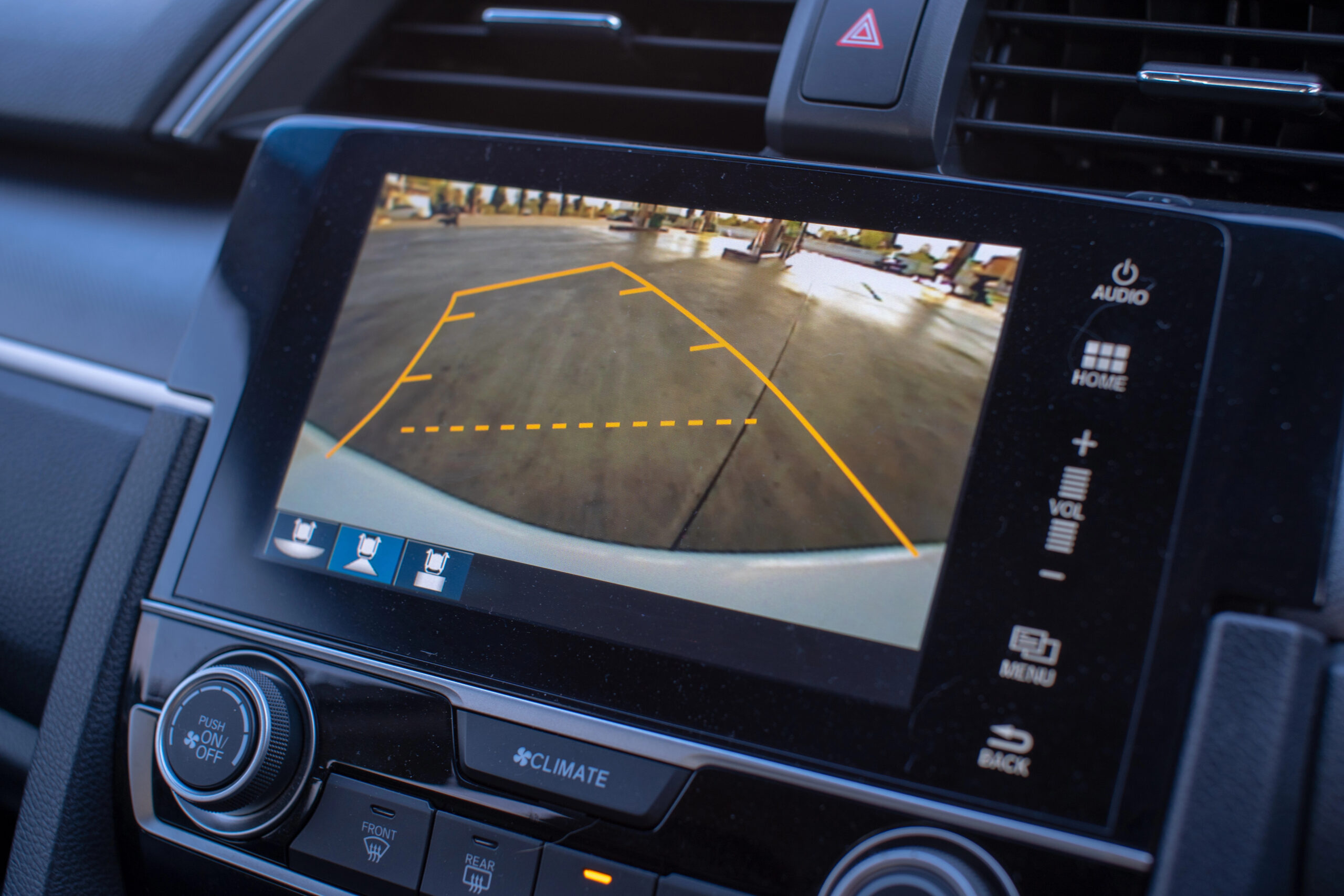
Parking can be tricky, especially in tight spaces. Backup cameras assist in precise parking. They show real-time footage, helping drivers judge distances better. It becomes easier to avoid scraping other vehicles or objects. Even parallel parking feels less daunting with a clear rear view.Increased Vehicle Value
A backup camera adds modern technology to older cars. It’s an attractive feature for potential buyers. Vehicles with backup cameras often sell faster. They offer added safety and convenience, increasing appeal. Investing in a camera can enhance resale value. It’s a smart upgrade for any old car.Types Of Backup Cameras
Installing a backup camera on your old car can dramatically enhance safety and convenience. But before you rush into adding this modern feature, it’s crucial to understand the different types of backup cameras available. Each type has its unique benefits and installation requirements, which can impact your decision based on your car’s design and your personal preferences.
Wireless Vs. Wired
Choosing between wireless and wired backup cameras depends on your comfort with technology and installation skills. Wireless cameras offer the ease of installation without the hassle of running cables through your car. They use a radio signal to transmit the video to a screen, which is ideal if you prefer a quick setup. However, the signal can sometimes be disrupted by interference.
Wired cameras, on the other hand, provide a stable and reliable video feed without interference. Although they require more effort to install due to the need for running wires, they are often preferred for their consistent performance. Consider your patience and technical skills when deciding between these options.
License Plate Mounted
License plate mounted cameras are popular for their simplicity and unobtrusiveness. They attach directly to the license plate, making them easy to install without altering the car’s body. This type is perfect if you want a camera that blends in seamlessly with your car’s existing features.
Imagine driving with confidence, knowing that your backup camera is discreetly positioned at the back of your car, offering a clear view without being an eyesore. This option is often favored by those who prioritize aesthetics.
Bumper Mounted
Bumper mounted cameras provide a wider angle view, as they are positioned at a lower point on the car. This placement can give you a broader perspective of what’s behind, including obstacles that might be missed with higher-mounted cameras. They are often chosen by drivers who want maximum visibility.
However, installation might require drilling into the bumper, which can be a bit daunting. Are you willing to modify your car slightly for better visibility? If yes, a bumper mounted camera could be the perfect choice to enhance your driving safety.
Choosing The Right Camera For Your Car
Older cars can have backup cameras installed, enhancing safety and convenience. This upgrade is possible with the right camera choice, ensuring compatibility and ease of installation.
Choosing the right backup camera for your old car can feel overwhelming. With various options available, it’s essential to find one that suits your needs. This decision hinges on several key factors that ensure safety and functionality.Compatibility Considerations
Not all cameras fit every car model. Check if the camera works with your car’s electrical system. Some older cars may need additional adapters for installation. Ensure the camera can connect to your car’s dashboard or external screen. Compatibility ensures the camera functions properly without technical issues.Camera Resolution
A clear image is crucial for safe reversing. Look for cameras with high resolution. A higher pixel count means better image clarity. This helps in detecting obstacles behind you. Choose a camera that offers good resolution to enhance visibility.Field Of View
The field of view determines how much you see behind the car. A wider field of view covers more area. This is important for spotting vehicles or pedestrians. Consider cameras with adjustable angles. This feature lets you customize the view according to your needs.Tools And Materials Needed
Installing a backup camera on an old car requires a few essential tools and materials. A drill, screwdriver, and wire strippers are needed for installation. Additionally, a compatible backup camera kit with a monitor and wiring harness is crucial for seamless integration.
Installing a backup camera on an old car is possible. It requires the right tools and materials. This section outlines what you’ll need to get started. Equipping yourself with the right tools ensures a smoother installation process. Let’s dive into the essentials.Basic Tools
You’ll need some basic tools. These include:- Screwdrivers (Phillips and flathead)
- Drill with bits
- Wire strippers and cutters
- Electrical tape
Wiring Kits
Wiring kits are vital for connecting the camera to your car. They typically include:- Power cables
- RCA cables
- Connectors
Display Units
Choose a display unit that suits your car’s dashboard. Options include:- Rearview mirror monitors
- Dashboard-mounted screens
- In-dash displays
Step-by-step Installation Process
Installing a backup camera on an old car requires a few steps. First, choose a suitable camera kit compatible with your car’s model. Next, mount the camera securely, ensuring clear visibility. Finally, connect the camera to the display unit and test the setup for proper functionality.
Installing a backup camera on an old car might seem daunting, but it’s actually a straightforward process that can greatly enhance your driving experience. With the right tools and guidance, you can transform your classic ride into a safer, more modern vehicle. Let’s dive into the step-by-step installation process to get your backup camera up and running.Preparing The Vehicle
Before diving into the installation, you need to prepare your car. Start by gathering all necessary tools such as screwdrivers, electrical tape, and a drill. Make sure to also have your camera kit on hand, which typically includes the camera itself, display monitor, wiring, and mounting brackets. Clean the area where you plan to mount the camera to ensure a secure installation. Consider parking your car in a well-lit, spacious area to give you room to work comfortably.Mounting The Camera
Locate the ideal spot to mount the camera, usually above the license plate for optimal rear visibility. Use a drill to create holes if necessary, ensuring the camera will be stable and secure. Attach the mounting bracket and then the camera, adjusting its angle for the best view. Tighten all screws firmly, but be careful not to over-tighten, which could damage the camera or bracket.Connecting To Power Source
Identify your car’s reverse light wires, as these are typically used to power the camera. Use electrical tape or wire connectors to attach the camera’s power cables to the reverse light wires. Ensure all connections are secure to prevent any power issues. Test the connection by putting your car in reverse to see if the camera powers on.Setting Up The Display
Decide where you want to mount the display monitor. Common choices include the dashboard or rearview mirror. Securely mount the display using the included bracket or adhesive strip. Connect the display to the camera using the provided video cable, running it through the car for a clean look. Once connected, turn on the monitor and adjust the settings for brightness and contrast to your preference. Installing a backup camera in an old car not only enhances safety but also adds a modern touch. Have you ever wondered how this simple upgrade could transform your driving experience? With patience and attention to detail, you’ll soon be enjoying a clearer view of what’s behind you.Credit: www.chryslerminivan.net
Common Installation Challenges
Installing a backup camera on an older car can be a game-changer for safety and convenience. However, it comes with its own set of challenges that can make the process daunting. These common installation obstacles can be overcome with a bit of knowledge and patience. Let’s take a closer look at some typical issues you might face.
Dealing With Wiring Issues
Older cars often have outdated wiring systems that can complicate the installation of a backup camera. You might find wires that are brittle or not compatible with modern camera systems. It’s crucial to check the car’s wiring diagram and ensure compatibility with your camera.
Consider using a wiring harness that matches your car model for a smoother installation. If you’re not familiar with car wiring, consulting a professional can save time and prevent damage.
Camera Alignment Problems
Getting the camera aligned correctly is essential for optimal visibility. You might struggle with finding the right mounting spot due to design differences in older cars. The camera needs to be positioned to capture a wide-angle view without obstructions.
Experiment with different mounting locations before finalizing your choice. Using temporary adhesives can help you test various spots without commitment.
Display Malfunctions
The display unit is crucial for interpreting the camera feed. Older car dashboards may not easily accommodate modern screens, leading to fitting issues. You might face challenges with screen compatibility or power supply problems.
Consider using a separate monitor that can be mounted in a convenient spot, like on the dashboard or rearview mirror. Ensure the monitor is compatible with your camera system for a seamless connection.
Have you faced any of these challenges while upgrading your car? Share your experience in the comments below and let’s learn together!
Maintenance And Troubleshooting
Upgrading an old car with a backup camera is possible and often straightforward. Installation may involve adding a monitor and camera, ensuring compatibility with the vehicle’s electrical system. Troubleshooting typically includes checking connections, signal stability, and camera positioning for optimal performance.
Maintaining and troubleshooting your backup camera ensures smooth functionality. Regular care prevents common issues and extends the camera’s life. This section covers cleaning, connection checks, and software updates. Following these steps can keep your camera working efficiently.Regular Cleaning
Backup cameras often face dirt and debris. Regular cleaning improves visibility. Use a soft cloth with mild detergent. Avoid harsh chemicals. Clean the lens gently to prevent scratches. Regular cleaning keeps the camera clear and effective.Checking Connections
Loose connections can affect camera performance. Check the wires regularly. Ensure they are secure and undamaged. Inspect the wiring harness for wear or corrosion. Tighten any loose connections. Proper connections prevent signal loss and image distortion.Software Updates
Software updates fix bugs and improve functionality. Check for updates from the manufacturer. Follow instructions for installation. Keep the system up-to-date for optimal performance. Updated software enhances compatibility and security.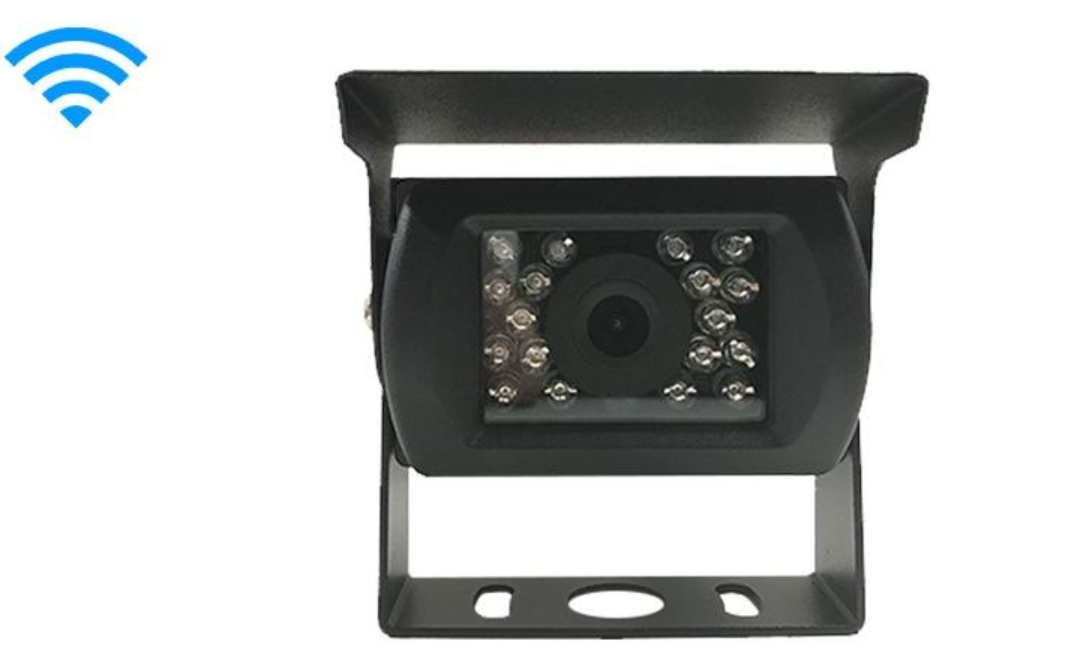
Credit: blog.tadibrothers.com
Credit: jerry.ai
Frequently Asked Questions
How Do You Install A Backup Camera In An Old Car?
Installing a backup camera in an old car is straightforward. Purchase a compatible camera kit, typically including a monitor. Follow the instructions to wire the camera to your car’s reverse lights. Mount the camera on the rear and connect it to the monitor.
Test the system to ensure it works properly.
Are Backup Cameras Compatible With All Old Cars?
Most backup cameras are compatible with old cars. They generally use a universal design that fits various vehicles. Check your car’s specifications to ensure compatibility. Some older models may require additional adapters or modifications. Always consult with a professional if you’re unsure about the installation process.
What Are The Benefits Of Adding A Backup Camera?
Adding a backup camera enhances safety by providing better visibility behind your vehicle. It helps in avoiding obstacles and preventing accidents. Backup cameras also make parking easier and more precise. They are especially useful in tight spaces and crowded areas, reducing the risk of collisions.
How Much Does It Cost To Install A Backup Camera?
The cost of installing a backup camera varies. Basic camera kits start around $50, while high-end systems can exceed $200. Professional installation may add $50 to $150 to the total cost. Prices depend on the camera’s features and the complexity of your car’s wiring system.
Conclusion
Installing a backup camera on an old car is possible. It enhances safety and makes parking easier. Many options exist, fitting different budgets and car models. Choose a camera that suits your needs. Check compatibility with your car before buying.
Professional installation ensures proper function. DIY can be cheaper but requires tools and knowledge. Modern technology can seamlessly blend with classic vehicles. Enjoy added peace of mind and convenience on the road. A backup camera is a worthy upgrade for any vintage car lover.
Consider it for a safer driving experience.