
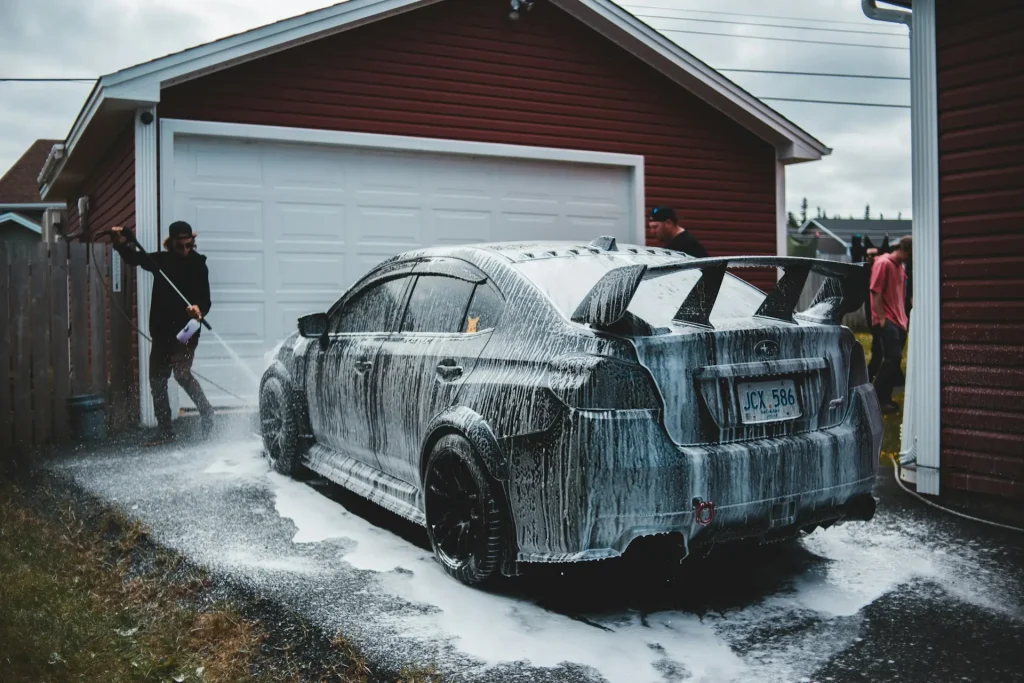
Imagine transforming your dusty, grimy car into a gleaming masterpiece with just a wave of a wand. You might have heard about power washing for houses and sidewalks, but what about your beloved car?
Can you power wash cars safely? This question might have crossed your mind more than once, especially when your vehicle starts resembling a dirt magnet after a long road trip or a rainy week. As you dive into this article, you’ll uncover the secrets of power washing, its potential benefits, and the risks it holds for your car’s paint and delicate parts.
Discover whether this quick-cleaning method is a friend or foe to your vehicle, and learn how to ensure your car stays sparkling clean without causing damage. Your car deserves the best care, and understanding the nuances of power washing might be the key to maintaining its showroom shine. Ready to find out if power washing is your car’s new best friend? Let’s unravel the mystery together!

Credit: www.instagram.com
The Basics Of Power Washing Cars
Power washing cars can remove dirt efficiently. It’s important to use the correct pressure to avoid damage. Start with a gentle spray on the exterior, avoiding direct hits on sensitive areas like mirrors and sensors.
Power washing cars can be an effective way to keep your vehicle looking pristine. But it’s important to understand the nuances to avoid damaging your car’s paint or components. Whether you’re a first-time user or looking to refine your technique, grasping the basics of power washing can make all the difference.Understanding Power Washing Pressure
Not all pressure washers are the same. Selecting the correct pressure setting is crucial. A pressure that’s too high can strip paint or damage trim. Aim for a setting around 1200 to 1900 PSI for safe cleaning.Choosing The Right Nozzle
The nozzle you choose affects the water spread and pressure. A 25-degree nozzle is usually ideal for cars. It provides a wider spray, reducing the risk of damage.Maintaining A Safe Distance
Keep the nozzle at least two feet away from the car’s surface. This distance helps prevent accidental damage. It also ensures an even clean without streaks.Pre-wash Preparations
Remove loose dirt with a regular hose before power washing. This step prevents scratches from debris. Also, check the washer for any leaks or worn parts.Using The Correct Detergent
Ensure your detergent is safe for cars. Some detergents can harm the paint or wax. Always dilute according to the instructions for best results.Rinsing And Drying
Rinse thoroughly to remove all detergent residues. Leaving soap on the car can cause stains. Dry with a microfiber cloth to avoid water spots. Power washing your car can be both efficient and satisfying. But it’s crucial to approach it with care. Have you ever thought about the potential damage from incorrect pressure settings? Understanding these basics helps you keep your car clean without risking its condition.Benefits Of Power Washing
Power washing cars can effectively remove dirt and grime, restoring their shine. It’s crucial to use appropriate pressure settings to avoid damage. Regular power washing maintains the vehicle’s appearance and can prevent rust.
Power washing a car can offer numerous advantages. It provides an efficient way to clean and maintain the vehicle’s appearance. With high-pressure water, grime and dirt are easily removed. This method can enhance the car’s aesthetics and longevity.Improved Appearance
Power washing effectively removes dirt and stains from a car’s surface. This process can restore the vehicle’s original shine. Regular cleaning maintains the paint and prevents dullness.Time Efficiency
Power washing saves time compared to manual scrubbing. The high-pressure water quickly cleans large areas. This efficiency makes it a convenient option for busy schedules.Enhanced Protection
Dirt and debris can damage the car’s paint. Power washing helps protect the exterior by removing harmful particles. This maintenance can prevent rust and corrosion.Eco-friendly Cleaning
Using water for cleaning reduces chemical use. Power washing minimizes the need for harsh detergents. This method is environmentally friendly and safe for the car.Cost-effective Maintenance
Regular power washing can reduce repair costs. It helps maintain the car’s condition, preventing expensive damage. This approach can be an economical choice for car owners.Potential Risks To Consider
Potential Risks to Consider Power washing cars can damage the paint and strip away protective coatings. High pressure might also force water into sensitive areas, causing rust or electrical issues. Always use the appropriate settings and techniques to minimize these risks.
Power washing cars might seem quick and effective. But it carries certain risks. These risks can affect the car’s appearance and functionality. Understanding these risks helps maintain your car’s condition.Damage To Paintwork
High pressure can strip paint. It can lead to chipping and peeling. This exposes metal surfaces. Rust can develop, damaging the car further.Scratches And Surface Damage
Power washers can cause scratches. Dirt particles can be pressed into the paint. This leaves behind marks. These marks can be difficult to remove.Seal And Trim Damage
Rubber seals and trims are delicate. Powerful sprays can tear them. This allows water to enter. It can cause leaks and other problems.Electrical Component Risks
Water can damage electrical parts. Sensitive areas can short-circuit. This might lead to costly repairs.Tire And Wheel Damage
High pressure can harm tires. It may weaken them. Wheels can also be scratched. This affects their appearance and performance.Glass And Mirror Vulnerabilities
Glass can crack under pressure. Mirrors might break or become loose. These issues can impair visibility. Understanding these risks is crucial. It ensures safety and maintains car quality.Choosing The Right Equipment
Power washing cars requires careful equipment selection to avoid damage. Choose a machine with adjustable pressure settings. This helps protect delicate surfaces and ensures effective cleaning.
Choosing the right equipment is vital when you decide to power wash your car. The tools you select can make a significant difference in the results and safety of the cleaning process. It’s not just about efficiency; it’s about protecting your vehicle and ensuring a thorough clean.Selecting The Appropriate Pressure Washer
When choosing a pressure washer, consider the pressure rating. A unit with too high PSI (pounds per square inch) might damage your car’s paint. Ideally, you should look for a pressure washer with a PSI between 1200 and 1900, which is gentle enough for cars but still effective. Electric pressure washers are often preferred for car washing because they’re quieter and easier to handle. They provide sufficient power for most car washing tasks without the noise and bulk of gas-powered models.Nozzle Types And Uses
The nozzle type significantly influences the pressure and spray pattern. For washing cars, a 25-degree nozzle is usually recommended. It provides a wide spray that’s less likely to damage the paint. A 40-degree nozzle can also be beneficial for pre-rinsing or applying soap. These nozzles cover a larger area and are gentler on surfaces.Essential Safety Gear
Safety should never be overlooked. Protect your eyes with goggles to prevent any debris from causing injury. Gloves are also essential to protect your hands from high-pressure water and cleaning chemicals. Non-slip footwear is crucial, especially when working with water and soap, to prevent any slips or falls. Remember, it’s always better to be safe than sorry when dealing with powerful equipment.Step-by-step Power Washing Guide
Power washing cars requires caution to avoid damage. Use a low-pressure setting for delicate surfaces. Maintain a safe distance to protect the paint and finish.
Power washing your car can be both a rewarding and efficient way to maintain its pristine appearance. However, it’s crucial to follow the right steps to avoid any potential damage. Whether you’re a seasoned DIYer or a first-timer, this guide will walk you through the essentials of power washing your car effectively. Let’s dive into a detailed process that ensures your car shines like never before.Preparing The Car
Before you start, ensure your car is parked on a flat surface and away from direct sunlight. This helps prevent water spots and allows for even cleaning. Remove any loose dirt or debris with a gentle rinse or a soft brush, focusing on areas like wheel wells and bumpers. Remember to close all windows and doors tightly to keep water from getting inside.Applying Detergent Properly
Choose a detergent specifically designed for cars, as harsh chemicals can damage the paint. Mix the detergent according to the instructions and use a low-pressure setting to apply it evenly. Start from the top of the car and work your way down, ensuring all surfaces are covered. Allow the detergent to sit for a few minutes to break down dirt but don’t let it dry on the surface.Effective Washing Techniques
Switch to a medium-pressure setting to wash the car, keeping the nozzle about a foot away from the surface. Use sweeping motions and avoid staying in one spot for too long to prevent damage. Pay special attention to areas with stubborn grime, like the lower panels and around the wheels. A consistent motion will ensure thorough cleaning without risking the paint.Rinsing And Drying Tips
Rinse the car thoroughly, starting from the top and moving downwards to prevent streaks. Use a high-pressure setting for a spotless finish. Once rinsed, dry the car quickly with a soft microfiber towel to avoid water spots. Consider using a leaf blower for hard-to-reach areas, like mirrors and grills, ensuring every drop is gone. Have you ever noticed how a freshly washed car seems to drive smoother? It’s not just in your head; a clean car can indeed feel like a new ride. By following these steps, you ensure not just a clean car, but one that turns heads wherever you go.Common Mistakes To Avoid
Using a power washer on cars can be tricky. Keep the pressure low to avoid damaging the paint. Maintain a safe distance to prevent dents and scratches.
When it comes to power washing cars, it’s easy to make mistakes that could damage your vehicle. Understanding these common pitfalls can save you time, money, and a lot of frustration. Let’s dive into some of these mistakes so you can avoid them and keep your car looking pristine.Using Too Much Pressure
Choosing the wrong pressure setting can peel off paint or dent the car’s body. Always start with the lowest pressure setting and gradually increase if necessary. Test on a small, inconspicuous area first.Incorrect Distance From The Surface
Holding the nozzle too close can cause damage, while too far may not clean effectively. A safe distance is usually between 1 to 2 feet. Adjust as needed based on your car’s surface and dirt level.Ignoring Sensitive Areas
Areas like mirrors, antennas, and trim pieces are delicate. They can easily break or warp under high pressure. Use a lower pressure or wash these parts manually to prevent damage.Using The Wrong Detergent
Not all detergents are safe for cars. Some can strip the wax or even damage the paint. Use car-specific washing solutions to ensure your vehicle’s finish remains intact.Skipping The Rinse
Leaving soap on the car can lead to streaks or spots. Ensure a thorough rinse to remove all cleaning agents. This helps maintain a glossy finish and prevents residue buildup.Neglecting Safety Gear
It’s easy to forget that power washers can cause injury. Always wear safety goggles and gloves. Protecting yourself is as crucial as protecting your car. Remember, the key is to be gentle yet effective. Have you ever made these mistakes? What steps do you take to ensure your car is safely power washed?Alternative Cleaning Methods
Power washing cars can be effective but requires caution. High-pressure water might damage paint or car components. It’s crucial to use appropriate pressure settings and techniques.
Cleaning your car can sometimes feel like a chore. While power washing can be effective, it’s not always the best choice for every situation. There are alternative methods that not only protect your car’s paint but also offer a more hands-on approach to car care. These methods can be just as effective, if not more so, in maintaining your car’s shine and cleanliness. Dive into these approaches to see which one suits your needs best.Hand Washing With A Microfiber Mitt
A microfiber mitt provides a gentle touch that power washers can’t offer. It reduces the risk of scratching your car’s surface as you remove dirt and grime. Plus, it’s a more controlled way to clean, allowing you to focus on those stubborn spots.Foam Cannon Application
Using a foam cannon can be a fun and efficient way to clean your car. It covers your vehicle in a thick lather, breaking down dirt and debris. This method is quick and ensures that the soap covers every inch of your car, enhancing the cleaning process.Waterless Car Wash Solutions
Waterless car wash products are perfect for those living in areas with water restrictions. They are easy to use and can be applied anywhere, providing a quick clean without the mess. These solutions are eco-friendly and can leave your car sparkling with minimal effort.Steam Cleaning
Steam cleaning uses high-temperature steam to clean and sanitize your vehicle. It’s effective for both the exterior and interior, reaching areas that other methods can’t. This method is ideal for those wanting a deep clean without harsh chemicals.Vinegar And Water Mixture
A simple vinegar and water mixture can be a surprisingly effective cleaning solution. It’s great for removing water spots and adding shine. This natural approach is not only cost-effective but also safe for your car’s paint. Engaging with these alternative methods can transform your car cleaning routine into a more satisfying experience. Which one will you try next?
Credit: www.tiktok.com
Expert Tips For Optimal Results
Power washing cars can be effective with the right technique. Use a gentle setting to protect the paint. Always maintain a safe distance to avoid damage.
Power washing your car can be a game-changer if done right. It’s a powerful tool that can remove grime and dirt effortlessly, but using it incorrectly can damage your vehicle’s surface. You need to know the expert tips to ensure you achieve optimal results without compromising your car’s finish. Let’s delve into some practical advice and insights that can transform your power washing experience.Maintaining A Clean Finish
Achieving a spotless finish requires attention to detail. Start by selecting the right nozzle; a 25-degree nozzle is perfect for general cleaning. It provides enough pressure to remove dirt without harming the paint. Keep the pressure washer moving in a sweeping motion. Holding it in one place can lead to paint chipping. Consider pre-soaking your car with a soap solution. It loosens stubborn dirt, making the power washing more effective.Seasonal Considerations
Different seasons pose unique challenges. In winter, salt and grime accumulate rapidly. A thorough wash is essential to prevent rust. During summer, bugs and pollen can stick to your car’s surface. Regular power washing helps maintain the paint’s integrity. Adjust the pressure based on the season’s dirt. Lower pressure for winter grime, higher for summer residues.Protective Measures Post-wash
Once you’ve achieved a clean car, protection is key. Applying a coat of wax after washing can shield your car from environmental elements. Consider using a ceramic coating for long-lasting protection. It acts as a barrier, keeping your car’s finish pristine. Don’t forget to dry your car properly. Water spots can damage the paint and reduce the shine. Use microfiber towels for a streak-free finish. Are you ready to make your car shine like never before? Take these expert tips to heart and transform your car washing routine into an efficient and rewarding experience.Faqs About Power Washing Cars
Power washing cars is possible, but caution is needed. High pressure can damage paint and sensitive parts. Use a low-pressure setting and keep a safe distance to avoid harm. Regular maintenance helps maintain your car’s appearance and longevity.
When you think about power washing, you probably imagine cleaning your driveway or patio. But can this powerful tool be used on your car? The idea might seem appealing due to the efficiency and speed of a pressure washer. However, it’s essential to consider various factors before aiming that powerful jet at your beloved vehicle. Below, you’ll find answers to some frequently asked questions about power washing cars, helping you decide if it’s the right choice for you.What Are The Risks Of Power Washing A Car?
Power washing a car can be risky if done incorrectly. The high pressure can strip paint, damage the clear coat, and even dent or scratch the surface. Have you ever seen someone accidentally peel paint off while trying to clean a stubborn stain? That’s a risk you take with power washing. It’s crucial to use the right settings and techniques to avoid costly repairs.How Can You Safely Power Wash A Car?
To safely power wash a car, you need to use the correct nozzle and pressure settings. Generally, a 25-degree nozzle and a pressure below 2000 PSI are recommended. Always keep the nozzle at least two feet away from the car’s surface. Moving in a consistent sweeping motion helps prevent concentrated pressure on one spot.Is It Better To Use Cold Or Hot Water?
Cold water is typically the safer choice for power washing cars. Hot water can be too harsh on the paint and might cause it to peel. Also, it can soften plastic parts and even warp them. If your car has stubborn grime, focus on using a car-safe detergent instead.What Parts Of The Car Should You Avoid?
While power washing, avoid sensitive areas like windows, mirrors, and electrical components. These parts can easily be damaged by high-pressure water. For instance, water can seep into electronic systems, causing malfunctions. It’s best to clean these areas by hand to ensure safety.Can Power Washing Save You Time And Effort?
Power washing can indeed save time, especially for removing dirt and mud from hard-to-reach areas like wheel wells. It’s perfect for quickly rinsing off dust and pollen. However, always weigh the time saved against potential damage. Would you prefer spending an extra 15 minutes hand washing or hours fixing damage?Should You Use Detergent With Power Washing?
Using a detergent can enhance the cleaning power of your pressure washer. Ensure it’s a detergent specifically designed for cars to prevent damage. Apply it with a low-pressure setting, allowing it to break down dirt before rinsing it off with higher pressure.Are There Alternatives To Power Washing A Car?
Yes, there are safer alternatives like hand washing or using a garden hose with a spray nozzle. These methods minimize the risk of damaging your car. Plus, they give you more control over the cleaning process. Would you rather risk it all for a quick wash, or take a little more time for peace of mind?
Credit: www.nationalblackguide.com
Frequently Asked Questions
Is Power Washing Safe For Cars?
Power washing can be safe if done properly. Use a low-pressure setting to avoid damaging the paint. Keep the nozzle at least 12 inches away from the surface. Avoid directing the spray at sensitive areas like sensors and antennas. Always test a small area first to ensure no harm.
Can Power Washers Remove Car Dirt Effectively?
Yes, power washers can effectively remove dirt and grime from cars. Their high-pressure spray can clean wheels and undercarriages well. Make sure to use appropriate detergents. Avoid high pressure to prevent paint damage. Regular washing with power washers can maintain your car’s appearance.
What Precautions Are Needed When Power Washing Cars?
Take precautions to protect your car during power washing. Use a low-pressure setting to avoid paint damage. Keep the nozzle at least 12 inches away. Avoid spraying directly on sensitive parts like antennas. Test a small area before proceeding. Use appropriate cleaning agents for best results.
Can Power Washing Replace Traditional Car Washing?
Power washing can complement traditional car washing but not replace it. It effectively removes dirt and grime quickly. However, it might not clean all areas thoroughly. Hand washing ensures detailed cleaning. Use power washing for quick maintenance and traditional washing for deep cleaning.
Conclusion
Power washing cars can be effective. But, it requires care and skill. Too much pressure might damage the car’s surface. Always use the right settings. Soft wash for delicate areas. Check the nozzle type, and keep distance while washing. Regular cleaning maintains the car’s shine and longevity.
Consider professional help if unsure. It ensures safety and quality. Remember, a clean car runs better and looks great. Enjoy the benefits of a well-maintained vehicle. Keep your car sparkling, but protect it too. Follow these tips for best results.
Happy washing!