
Imagine driving down a bustling street, feeling the stress of navigating tight spaces and tricky parking spots. You’ve probably wondered if there’s a simple way to enhance your driving experience and boost your confidence.
Well, you’re not alone. Many drivers are turning to backup cameras for an extra set of eyes on the road. But here’s the burning question: can you install a backup camera on your car, no matter its age or model?
This article dives into the possibilities and clears up any doubts you might have. With the right guidance and tools, you’ll discover how you can transform your car into a safer, more convenient vehicle. Keep reading to find out how this game-changing upgrade could be within your reach, offering peace of mind every time you hit the road.
Benefits Of Backup Cameras
Installing a backup camera enhances driving safety by providing a clear view behind the vehicle. Most cars can accommodate these devices, offering improved visibility and reducing blind spots. Ensure compatibility with your car model for optimal performance.
The ‘Benefits of Backup Cameras’ are undeniable, especially when it comes to enhancing your driving experience. Imagine pulling out of a tight parking spot with ease or backing up without the fear of hitting something. Backup cameras offer these conveniences and more, turning everyday driving into a safer and more confident activity. Whether you’re a seasoned driver or a beginner, understanding how these cameras can transform your driving habits can be a game-changer.Enhanced Safety
Backup cameras significantly boost safety by providing a clear view of what’s behind your car. They can prevent accidents by alerting you to pedestrians, cyclists, or obstacles that might be in your blind spot. This extra layer of security can be especially beneficial in busy parking lots or residential areas where children might be playing.Improved Parking
Parking can often be a stressful task, especially in crowded areas. Backup cameras simplify this process by giving you a visual guide, helping you judge distances more accurately. With a backup camera, you can execute perfect parallel parking without the constant worry of bumping into other cars.Cost-effective Solution
If you’re considering upgrading your car with a backup camera, you’ll find it to be a cost-effective solution compared to other safety enhancements. The investment pays off by potentially reducing repair costs from minor accidents. Plus, it adds to your car’s resale value, making it a wise choice for the long run.Increased Confidence
Driving should be enjoyable, not nerve-wracking. Backup cameras offer you peace of mind and increased confidence on the road. You can focus on driving forward, knowing that reversing is just as safe and controlled. This newfound confidence can change the way you approach driving challenges. As you weigh the decision to install a backup camera, consider how much value it can add to your daily driving routine. Wouldn’t you agree that seeing everything behind you clearly makes driving a whole lot easier?Types Of Backup Cameras
Backup cameras come in various types, suitable for different vehicles. Wired cameras connect directly to a display, while wireless ones use a transmitter. Many cars can accommodate these cameras, enhancing safety and ease of parking.
Installing a backup camera can enhance safety while driving. Various types of backup cameras suit different needs and preferences. Understanding these types helps in choosing the right one for your car.Wired Vs Wireless
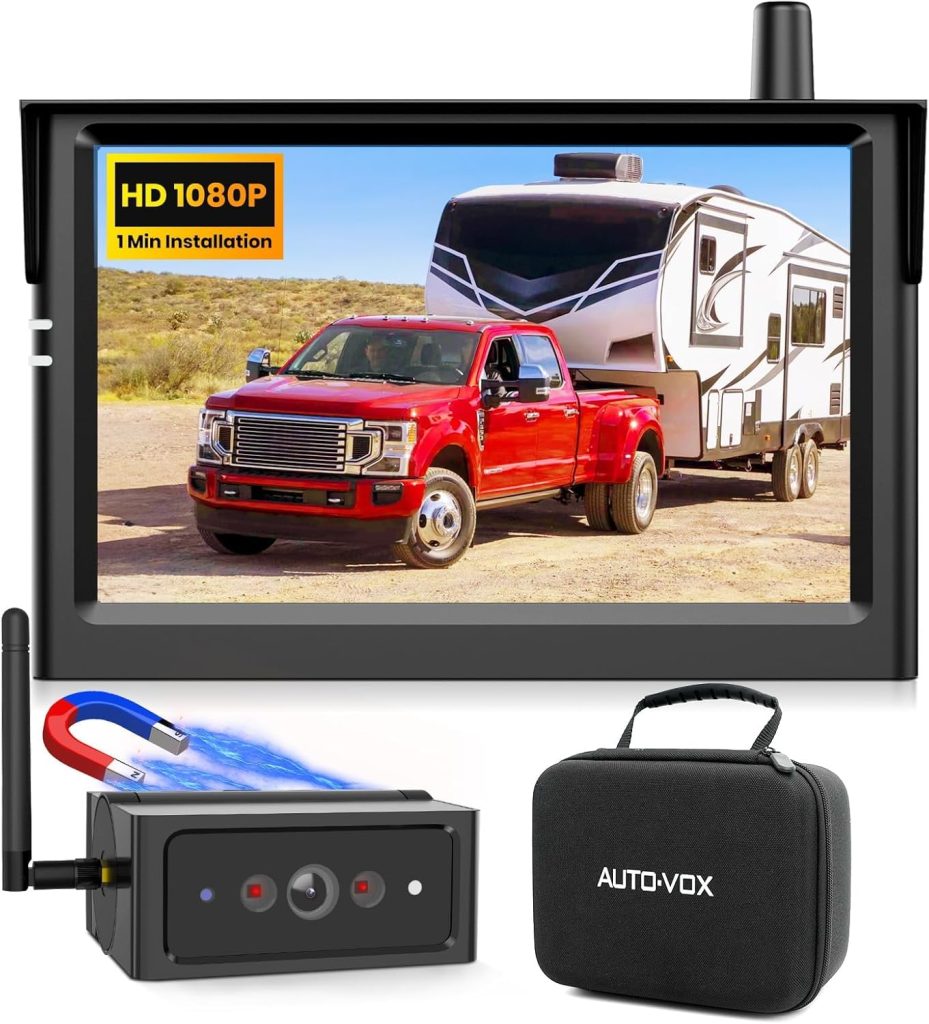
Wired cameras connect directly to the car’s system. They offer stable video quality without interference. Installation requires running cables through the vehicle. This process can be time-consuming. Wireless cameras use radio signals to transmit video. They are easier to install, with fewer cables needed. Wireless systems might experience signal loss, affecting video quality. Choose based on installation ease and video reliability.Oem Vs Aftermarket
OEM cameras are made by the car’s manufacturer. They integrate seamlessly with the vehicle’s systems. This option often provides higher quality and reliability. Aftermarket cameras are third-party products. They offer diverse features and are usually cheaper. Installation may require additional adapters. Consider OEM for compatibility and quality. Choose aftermarket for variety and cost-effectiveness. Each type has its pros and cons.Compatibility With Different Cars
Installing a backup camera can greatly enhance driving safety. Compatibility is a key factor when choosing a backup camera for your car. Many wonder if these cameras can be fitted onto any vehicle. The answer lies in understanding the different types of cars and their unique requirements.
Older Models
Many older cars lack built-in screens or modern electronics. Backup cameras can still be installed with some adjustments. Often, they require a separate display. This can be a new monitor or a smartphone app. Installation might involve more wiring. It’s essential to check the electrical system. Make sure it can support the new device.
Modern Vehicles
Modern cars often come with advanced technology. Many have built-in screens that make camera installation easier. Some vehicles even have pre-installed systems ready for cameras. These cars may only need minor adjustments. Compatibility is usually less of a concern. Check the car’s manual for details on connecting new devices.
Specialty Vehicles
Specialty vehicles include trucks, RVs, and buses. These vehicles may need specific cameras. Often, they require cameras with wider angles. Installation might demand unique mounting equipment. Consider the vehicle’s size and typical use. Ensure the camera suits the driving conditions. Specialty vehicles often have different needs for visibility.

Credit: www.amazon.com
Essential Tools And Equipment
Installing a backup camera on any car is possible with the right tools and equipment. Basic items include a drill, wiring kit, and mounting hardware. These essentials ensure a smooth and safe installation process.
Installing a backup camera on your car is not only practical but can significantly enhance your driving experience. It’s a project that requires some essential tools and equipment to ensure a smooth installation process. Whether you’re a seasoned DIY enthusiast or a beginner, having the right tools can make the job much easier and more efficient. Let’s dive into what you’ll need to get started.Basic Tool Kit
A basic tool kit is indispensable. It should include screwdrivers, a socket set, and pliers. These tools will help you remove panels and secure the camera in place. A cordless drill might be useful for drilling holes, if necessary. Can you imagine being halfway through installation and realizing you don’t have the correct screwdriver?Wire Strippers And Electrical Tape
Wire strippers are crucial for connecting the camera to your car’s electrical system. You’ll need them to strip the insulation from wires without damaging them. Electrical tape will help secure these connections and prevent any potential short circuits. Have you ever tried using scissors instead of wire strippers and ended up frustrated?Multimeter
A multimeter will help you check for live wires and ensure proper voltage levels. This tool is essential for safety and accuracy. It can also help diagnose any electrical issues during installation. Wouldn’t it be reassuring to know all your connections are correct before powering up the camera?Mounting Hardware
Depending on your vehicle and camera model, you may need specific mounting hardware. This includes brackets, screws, or adhesive pads. Ensure you have the right hardware before starting the installation. Have you ever started a project only to find out you needed a different set of screws?Cable Ties And Clips
Cable ties and clips help organize and secure wires throughout your vehicle. They keep everything neat and prevent wires from tangling or getting caught in moving parts. How satisfying is it to finish a project with everything neatly tucked away?Instruction Manual
Never underestimate the power of a good instruction manual. It provides step-by-step guidance tailored to your specific camera model and vehicle. Even seasoned DIYers can benefit from a quick reference guide. Have you ever ignored the manual only to realize it contained a crucial step you missed? Having the right tools and equipment not only makes the installation process smoother but also ensures a safer and more reliable setup. So, before you start, double-check your toolkit and make sure you’re fully prepared for the task at hand.Installation Process
Installing a backup camera on any car is possible with the right tools and guidance. Most vehicles accommodate aftermarket cameras, enhancing safety and visibility. Ensure compatibility with your car model for a smooth installation process.
Installing a backup camera on your car can significantly enhance safety and convenience. Whether you’re driving a vintage car or a modern sedan, adding a backup camera is an achievable task. The process involves careful planning, mounting, and wiring. Ready to get started? Let’s dive into the installation process.Preparation Steps
Before you start, gather all necessary tools and components. You’ll need a screwdriver, drill, wire strippers, and the camera kit. Make sure your vehicle is parked on a flat surface with the engine off. Read the camera’s instruction manual thoroughly. Familiarize yourself with the parts and their functions. This will save you time and frustration later. Decide where you want to mount the camera. Consider the field of view and the camera’s protection from elements. A common choice is above the license plate.Mounting The Camera
Begin by marking the spot where you want to install the camera. Use the drill to make a small hole for the camera’s wiring. Be cautious to avoid damaging other components. Attach the camera using screws or adhesive, depending on the model. Ensure it’s securely fastened to withstand vibrations and weather conditions. Double-check the camera’s alignment. You want a clear, centered view of the rear. Adjust as necessary before proceeding to the wiring stage.Connecting To Display
Locate the wires for your car’s reverse lights. These wires will power the camera, activating it when you shift into reverse. Strip the wires and connect them to the camera’s power cables. Next, run the video cable from the camera to the display unit in your car. This may involve removing interior panels or carpets, so take your time to avoid damage. Connect the video cable to the display screen. If your car doesn’t have a built-in display, consider using an aftermarket monitor or your smartphone with a compatible app. Test the system by turning on your vehicle and shifting into reverse. Ensure the camera activates and displays a clear image. Make any final adjustments to the camera angle if needed. By installing a backup camera, you’ve taken an important step towards safer driving. Consider sharing your experience with fellow drivers. Wouldn’t it be great if more people could enhance their safety with a simple upgrade?
Credit: www.amazon.com
Common Challenges And Solutions
Installing a backup camera on any car poses challenges. Compatibility issues and wiring complexities often arise. Choosing the right camera and using universal kits can simplify the process, making installation accessible for most vehicles.
Installing a backup camera on any car can be tricky. Many encounter common challenges during the process. Each challenge has a solution, making installation possible for most vehicles. Understanding these challenges helps in achieving a smooth installation.Wiring Issues
Wiring the backup camera often poses difficulties. Older cars lack pre-installed wiring for cameras. This requires additional effort to connect the camera to the car’s power supply. Incorrect wiring can cause the camera not to function. To solve this, use a detailed wiring diagram. This guides you on where to connect each wire. Using a multimeter helps identify the right power source. It’s important to ensure all connections are secure. Loose connections lead to camera failure.Signal Interference
Wireless backup cameras can face signal interference. This affects the camera’s performance and clarity. Interference often comes from other electronic devices. To minimize this, select a camera with a strong signal range. Position the camera and receiver in direct line of sight. Avoid placing the receiver near other electronics. If interference persists, consider switching to a wired setup. A wired connection offers a stable and clear signal.Maintenance And Troubleshooting
Installing a backup camera on any car is possible with the right tools and guidance. Many cars can be adapted to accommodate this feature, enhancing safety and convenience. Understanding your vehicle’s compatibility is crucial for a successful installation.
Installing a backup camera can greatly improve safety. But like any car feature, it needs care. Regular maintenance ensures it works well. Troubleshooting helps fix issues quickly. This section covers essential tips for maintaining and troubleshooting your backup camera.Regular Checks
Regular checks keep your backup camera in good condition. Inspect the camera lens for dirt or debris. Clean it with a soft cloth to maintain clear vision. Check wiring for damage. Broken wires can cause the camera to malfunction. Look for signs of wear and tear. Ensure the camera mount is secure. A loose camera can affect its view.Problem Diagnosis
Diagnosing problems early can save time and money. If the camera display is blank, check the power connection. Ensure the car is in reverse gear to activate the camera. If the image is blurry, clean the lens. Check for software updates if the camera is glitchy. Some cameras need updates to fix bugs. If problems persist, consult a professional. They have the tools to diagnose complex issues.Cost Considerations
Installing a backup camera on your car is a smart move for enhancing safety, but it’s essential to understand the cost implications involved. The expenses can vary significantly based on your choice of camera, the installation method you opt for, and any additional features you might want. Let’s explore the cost considerations, breaking it down into different aspects to help you make an informed decision.
Diy Vs Professional Installation
Choosing between DIY and professional installation significantly impacts your overall cost. If you’re handy with tools and confident in your skills, a DIY installation can save you a lot of money. You might spend around $50 to $200 on a decent camera kit, but remember, mistakes can lead to additional costs or damage.
On the other hand, professional installation offers peace of mind, ensuring the job is done right. Professional services usually charge between $100 and $500, depending on the complexity of your car’s wiring and the type of camera. Consider your comfort level with car electronics and weigh it against the cost of professional services.
Price Range Of Cameras
Backup cameras come in a wide range of prices, catering to different budgets and needs. Basic models, often just a camera with a simple display, can start as low as $50. These are suitable for older vehicles or if you’re on a tight budget.
For those wanting advanced features like night vision, wide-angle lenses, or wireless connectivity, expect to spend upwards of $150. High-end models can reach $500 or more, offering superior image quality and additional features like parking assistance lines. Decide what features are essential for you and how much you’re willing to invest in them.
Before making a decision, consider how often you drive and in what conditions. Are the extra features worth the additional cost for your specific driving needs?
Legal And Safety Aspects
Installing a backup camera on any car involves understanding legal and safety aspects. Ensure compliance with vehicle modification laws. Proper installation is key to maintaining road safety.
Installing a backup camera on your car is not just a matter of convenience; it involves understanding legal and safety aspects. This device enhances visibility, potentially preventing accidents. However, before you dive into the installation process, it’s crucial to grasp the legal and safety considerations involved.Legal Requirements For Backup Cameras
In some countries, having a backup camera is mandatory for new vehicles. For instance, the United States requires all new cars sold to include a rearview camera. However, if you’re retrofitting an older car, these regulations might not apply. Check your local laws to ensure compliance. Some regions might have specific requirements regarding the type or placement of the camera. Keeping up with these regulations ensures you avoid fines and stay safe on the road.Safety Benefits Of Using Backup Cameras
Backup cameras significantly enhance safety by reducing blind spots. They offer a clear view of the area directly behind your vehicle, which mirrors alone cannot provide. This feature is particularly useful in crowded parking lots or when reversing out of a driveway. Think about how often you’ve had to crane your neck or ask a passenger to guide you while reversing. A backup camera eliminates these hassles, allowing you to reverse with confidence and ease.Potential Risks And Precautions
While backup cameras are beneficial, they are not foolproof. Relying solely on them without checking mirrors or physically looking back can be risky. Always use them as a supplementary tool, not a replacement for your judgment. Consider the camera’s maintenance as well. Dirt or debris can obstruct the lens, reducing visibility. Regular cleaning and checks can prevent potential mishaps.Adjusting To New Technology
Integrating a backup camera into your driving routine may require some adjustment. It’s vital to familiarize yourself with how the system works and what the display shows. Spend time practicing in a safe environment before relying on it in busy areas. Ask yourself: Are you comfortable using the technology? If not, take the time to practice. Confidence in using the camera can make all the difference in its effectiveness. Installing a backup camera can greatly enhance your driving experience. By understanding the legal and safety aspects, you’re not just adding a gadget—you’re investing in your and others’ safety.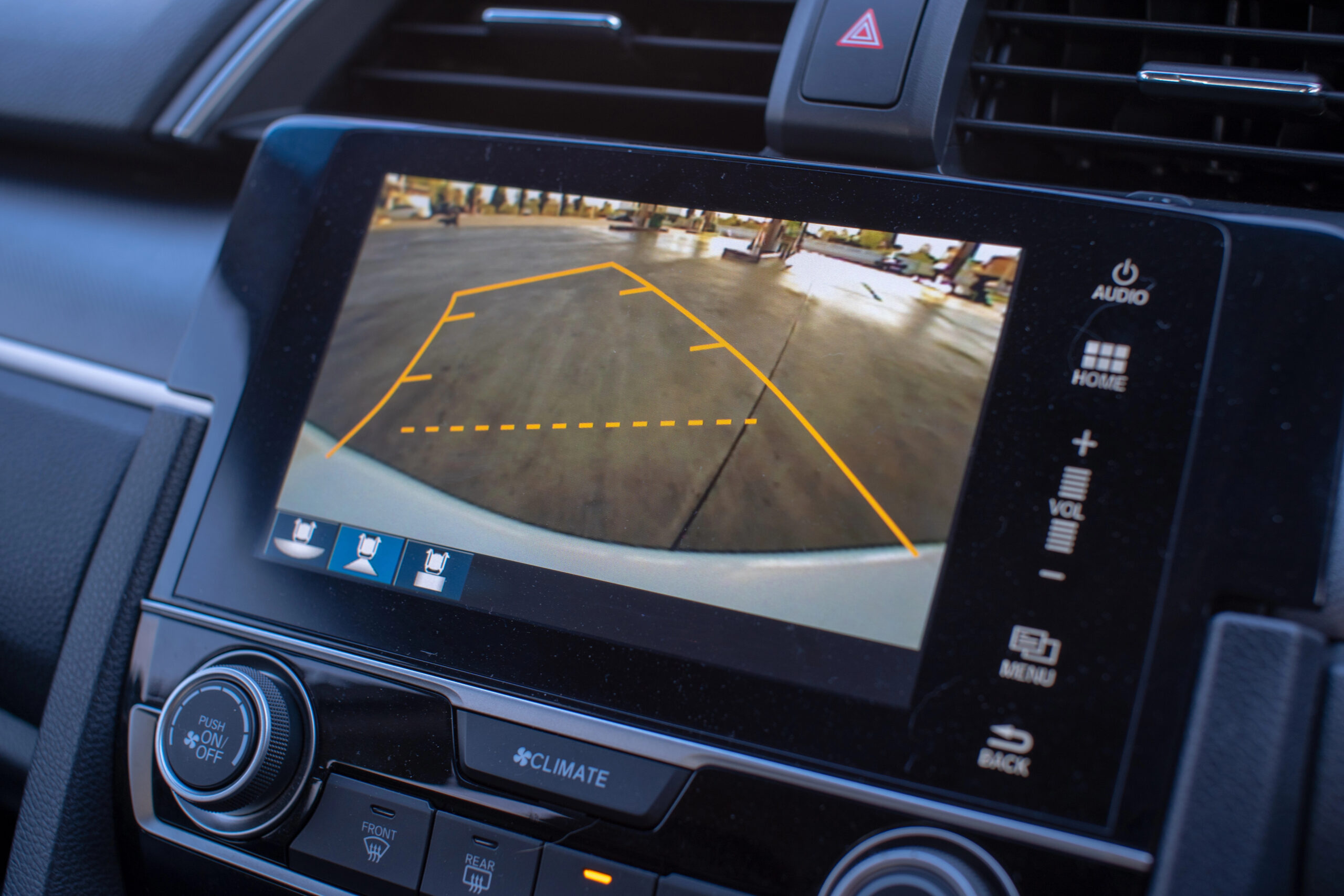
Credit: jerry.ai
Frequently Asked Questions
Can Any Car Have A Backup Camera Installed?
Yes, most cars can have a backup camera installed. Installation varies depending on your vehicle’s make and model. Older cars might need additional adapters or wiring. Many aftermarket cameras are compatible with various vehicles. Always check your car’s compatibility with the camera model before purchase.
How Much Does It Cost To Install A Backup Camera?
Installing a backup camera typically costs between $100 and $500. Prices vary based on the camera type and installation complexity. DIY installation can save money, but professional installation ensures proper function. Always consider both the camera’s price and installation fees when budgeting.
Are Wireless Backup Cameras Reliable?
Yes, wireless backup cameras can be reliable if properly installed. They offer convenience and ease of installation. Signal interference can occur, impacting performance. Choosing a high-quality camera and ensuring a good connection can enhance reliability. Regular maintenance also helps maintain optimal functionality.
Do Backup Cameras Improve Safety?
Yes, backup cameras significantly improve safety by reducing blind spots. They provide a clear view behind the vehicle, helping avoid obstacles. Studies show cameras decrease backup-related accidents. While helpful, drivers should still use mirrors and check surroundings. Cameras are an excellent tool for enhancing vehicle safety.
Conclusion
Installing a backup camera enhances safety for drivers. It’s possible with most cars. Older models may need extra effort. But the benefits outweigh the challenges. Improved visibility and easier parking are the rewards. Check compatibility before purchase. Consult a professional if unsure.
DIY kits offer a budget-friendly option. Many drivers now choose this upgrade. A backup camera provides peace of mind. It’s a worthwhile addition to any vehicle. Stay safe and enjoy smoother driving.