
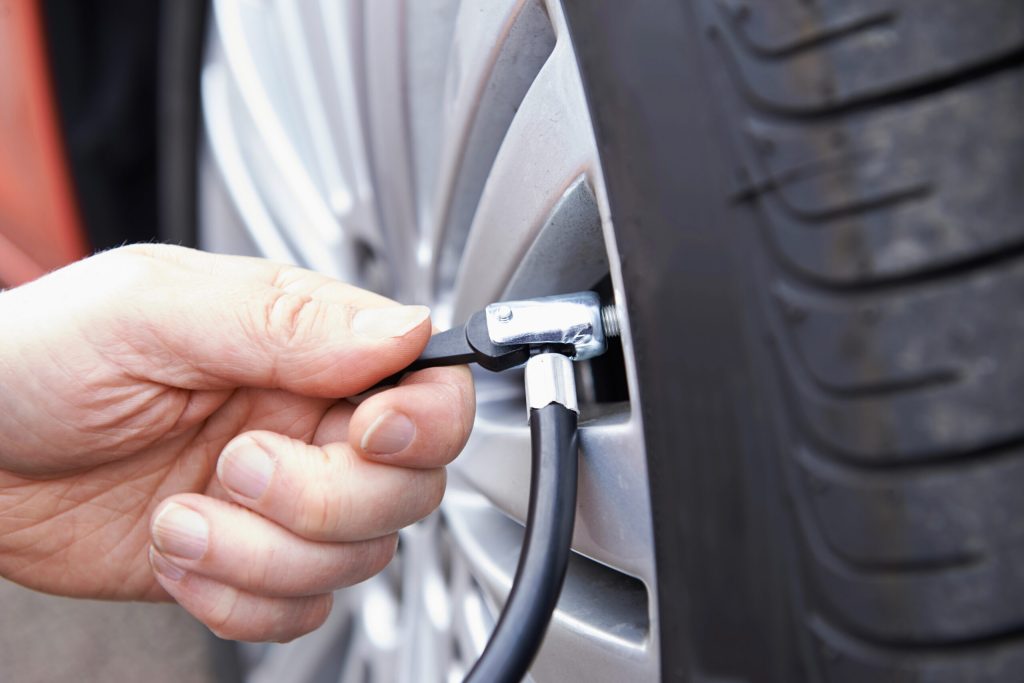
Imagine you’re all set for a road trip or heading to work, and as you’re about to hit the road, a light on your dashboard catches your eye: low tire pressure. You might be tempted to just ignore it, thinking you’ll deal with it later, or perhaps you’re unsure if it’s safe to drive.
But did you know driving with low tire pressure can be a gamble with your safety, your car’s health, and even your wallet? When tire pressure drops, it can affect your vehicle’s performance and fuel efficiency. More importantly, it can pose serious risks, like poor traction and increased chances of a blowout.
Before you decide to dismiss that warning light, consider the potential consequences. Your next decision could impact not only your journey but also your safety. Curious about what low tire pressure really means for you and your car? Want to know if you can drive without risking damage? Keep reading to discover the crucial facts and tips that will empower you to make informed choices on the road. Your safety is worth the few minutes it takes to get to the bottom of this issue.
Driving With Low Tire Pressure
Driving a car with low tire pressure can lead to dangerous situations. It affects handling and braking, increasing the risk of accidents. Regularly checking tire pressure ensures safety and optimal vehicle performance.
Driving with low tire pressure poses significant risks. It can affect vehicle safety and performance. Low tire pressure reduces tire grip on the road. This increases the risk of accidents. It can also lead to uneven tire wear and reduced fuel efficiency.Understanding Tire Pressure
Tire pressure refers to the air inside the tires. Proper pressure ensures optimal tire performance. Manufacturers provide recommended pressure levels. These can be found in the vehicle’s manual or door frame.Impact On Vehicle Control
Low tire pressure affects vehicle handling. It can make steering less responsive. This increases stopping distances. Drivers may find it harder to control their cars.Increased Risk Of Tire Blowouts
Under-inflated tires are prone to blowouts. Heat builds up inside the tire. This can cause the tire to burst. Blowouts can lead to serious accidents.Effects On Fuel Efficiency
Driving with low tire pressure decreases fuel efficiency. Tires with low pressure create more rolling resistance. The engine works harder to maintain speed. This leads to higher fuel consumption.Warning Signs Of Low Tire Pressure
Pay attention to warning signs. A tire pressure monitoring system (TPMS) light is one. Another sign is the vehicle pulling to one side. Uneven tire wear can also indicate low pressure.Steps To Maintain Proper Tire Pressure
Regularly check tire pressure. Use a reliable tire gauge. Compare readings with the recommended pressure. Adjust as needed. Consider checking pressure before long trips or in extreme temperatures.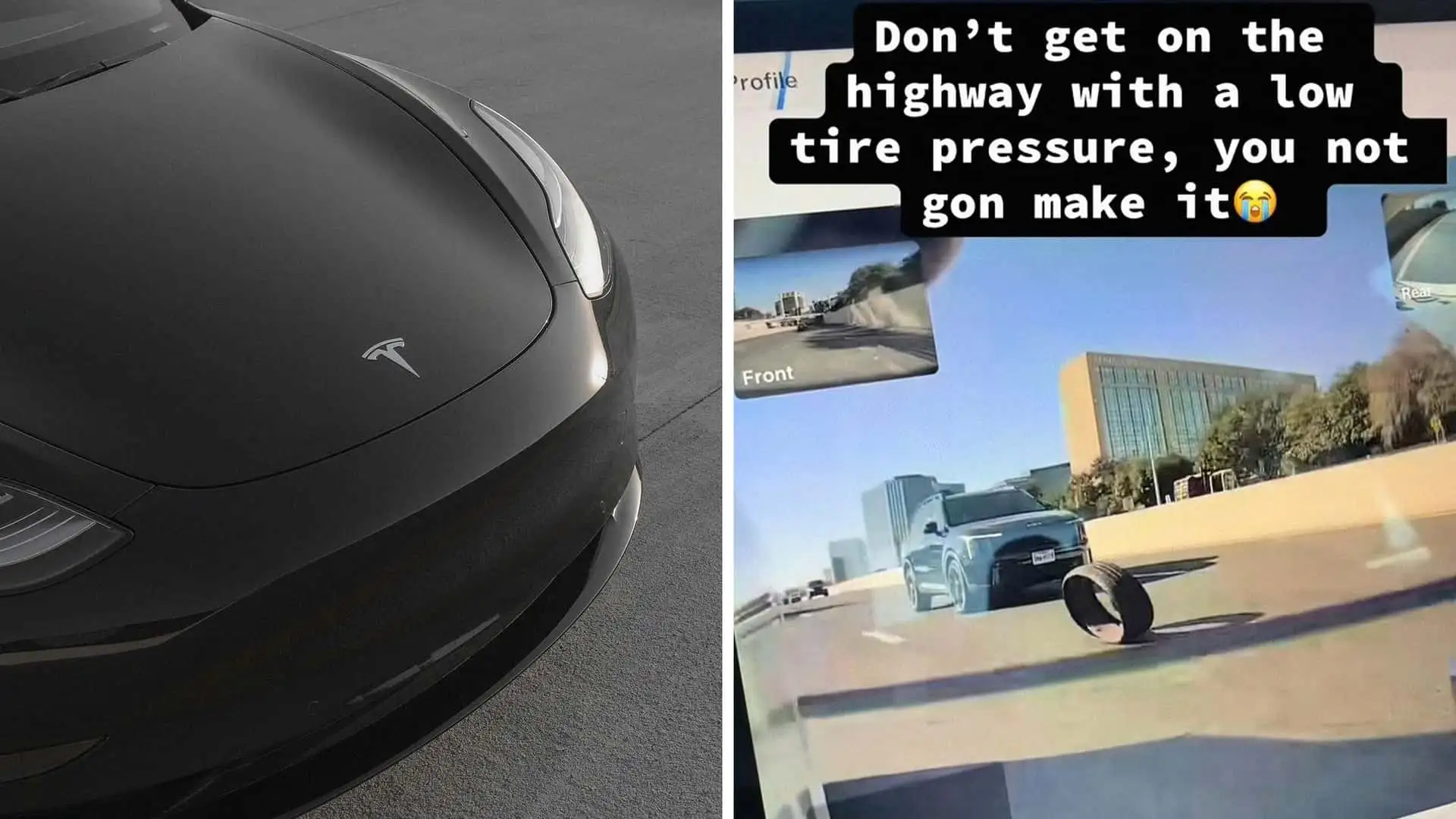
Credit: www.motor1.com
Potential Risks
Driving with low tire pressure poses several risks. It can lead to poor handling and increased stopping distances. Additionally, it may cause tire blowouts, endangering both the driver and others on the road.
Driving a car with low tire pressure can seem like a minor issue, but it carries significant potential risks. It’s easy to overlook tire maintenance, especially when you’re in a hurry. Yet, understanding the dangers associated with low tire pressure could save you from unexpected troubles on the road.Safety Concerns
Low tire pressure compromises your safety. It reduces your vehicle’s grip on the road, increasing the chance of skidding, especially on wet or icy surfaces. Imagine trying to stop quickly with tires that can’t grip properly—it’s not a pleasant thought. Moreover, tires with insufficient air are more prone to blowouts. This sudden loss of tire integrity can lead to accidents, especially at high speeds. Ensuring your tires are properly inflated helps you avoid these dangerous scenarios.Impact On Vehicle Performance
Your vehicle’s performance takes a hit with low tire pressure. You might notice your car pulling to one side, or steering becoming less responsive. These issues not only make driving uncomfortable but also increase the risk of accidents. Worn-out tires due to low pressure can lead to uneven tire wear. This means you’ll have to replace them more frequently, adding to your maintenance costs.Fuel Efficiency Issues
Driving with low tire pressure isn’t just a safety concern; it affects your wallet too. Low pressure increases the rolling resistance of your tires, making your engine work harder. This results in higher fuel consumption, which means more frequent trips to the gas station. Consider the ripple effect on your budget over time. A small investment in checking and maintaining tire pressure can lead to significant savings in fuel costs. Do you regularly check your tire pressure? It’s a small habit that can make a big difference in your driving experience. Prioritize safety and efficiency by maintaining the correct tire pressure—it’s an effortless step towards a smoother, safer drive.Damage To Tires
Driving with low tire pressure can damage tires and affect car handling. This leads to poor fuel efficiency and increased risk of accidents. Always check tire pressure regularly for safe driving.
Driving with low tire pressure can harm your tires significantly. Tires are the only contact between your vehicle and the road. Maintaining the right pressure ensures safety and performance. Low pressure can lead to costly damage.Increased Wear And Tear
Low tire pressure causes uneven tire wear. The tire’s edges wear out faster than the center. This uneven wear reduces tire lifespan. It affects vehicle handling and fuel efficiency too. Keeping tires properly inflated extends their life.Risk Of Blowouts
Tires with low pressure are prone to blowouts. The tire flexes more, generating excess heat. This heat weakens the tire’s structure. A sudden blowout can happen at any time. Blowouts pose a serious safety risk. Always check tire pressure regularly.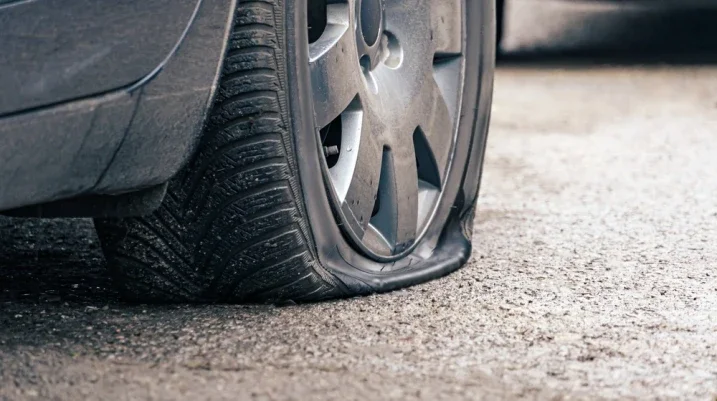
Credit: www.forthepeople.com
Handling And Control Challenges
Driving with low tire pressure poses safety risks. Tires may lose grip, leading to poor handling and control. Regularly check tire pressure to ensure safe driving conditions.
Driving with low tire pressure can lead to significant handling and control challenges that you might not anticipate. Imagine you’re cruising down the highway, and your car suddenly feels sluggish or unresponsive. That’s your low tire pressure affecting the vehicle’s performance, and it can compromise your ability to steer and brake effectively. These challenges aren’t just inconvenient; they can be dangerous, especially in critical situations.Steering Difficulties
When your tires are underinflated, steering becomes a struggle. The tires don’t grip the road as they should, making it harder to maintain a straight line. You might find yourself wrestling with the wheel, trying to keep your car on course. Ever felt your car drifting unexpectedly? Low tire pressure could be the culprit. This loss of control can be unnerving, particularly in heavy traffic or on winding roads.Braking Problems
Low tire pressure also impacts your braking. Tires with insufficient air don’t adhere to the road properly, extending your stopping distance. Imagine you need to brake suddenly; your car might not respond as quickly as you expect. This delay can be crucial in preventing an accident. Have you noticed a lack of responsiveness when hitting the brakes? It might be time to check your tire pressure. Ensuring your tires are properly inflated is a simple step that could save you from dangerous scenarios on the road. Regular tire checks aren’t just a maintenance task; they’re a safety measure. Are you aware of your tire pressure today?Checking Tire Pressure
Driving with low tire pressure can be risky. It affects your car’s handling and increases the chance of a blowout. Regularly checking tire pressure is essential for safety and efficiency. Let’s explore how to check tire pressure correctly and how often you should do it.
Tools And Methods
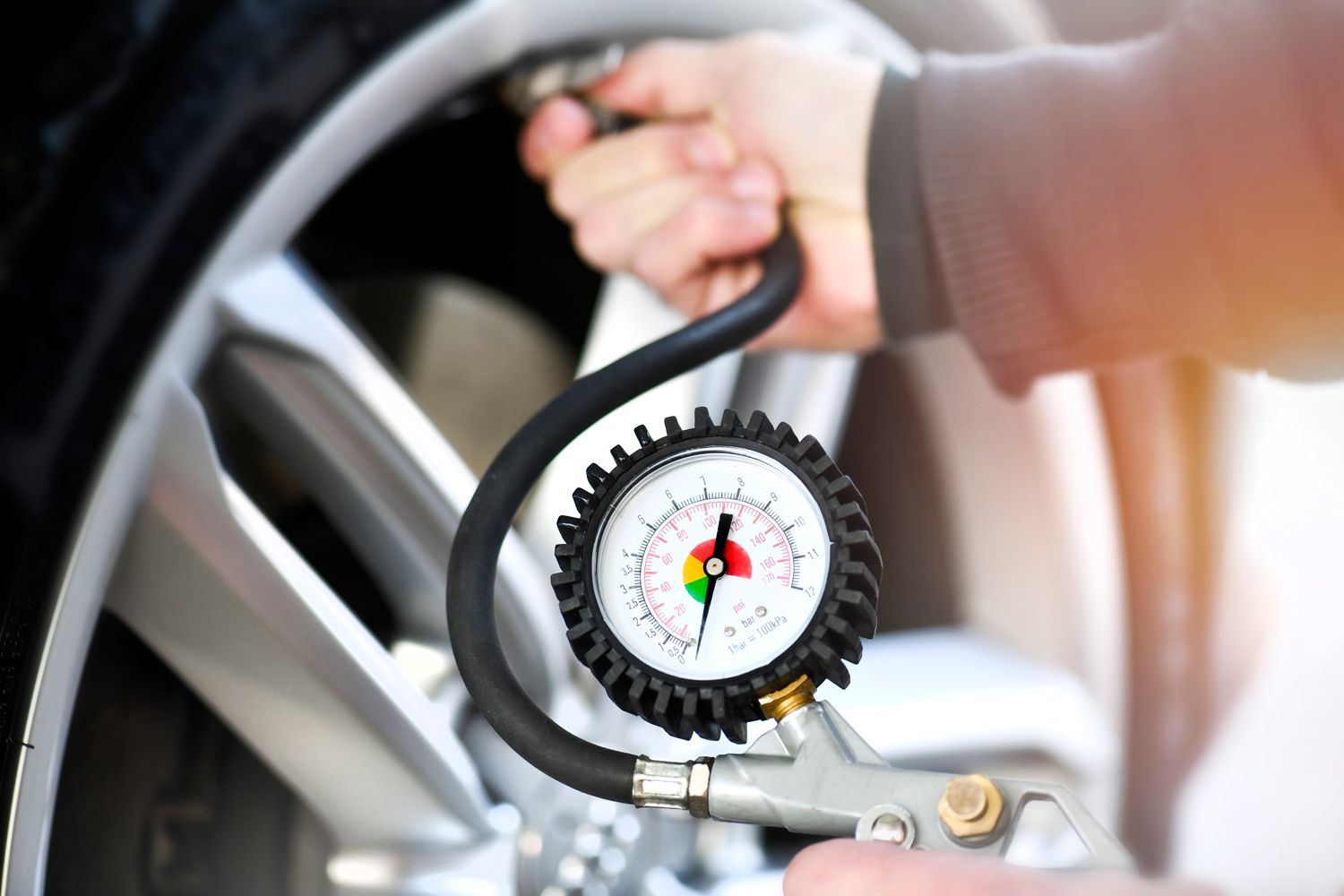
A tire pressure gauge is a must-have tool. Digital gauges are user-friendly and provide accurate readings. You can also use a manual gauge, which is reliable and durable. To check, remove the tire valve cap and press the gauge onto the valve stem. Ensure you get a clear reading.
Some cars come with Tire Pressure Monitoring Systems (TPMS). These systems alert you if the pressure is low. It’s still wise to manually check as sensors can fail. Always refer to your car’s manual for the recommended PSI (pounds per square inch).
Frequency Of Checks
Check tire pressure monthly. Fluctuating temperatures can affect air pressure. Before long trips, ensure your tires are properly inflated. Also, check pressure if your car has been parked for a long time. Regular checks extend tire life and improve fuel efficiency.
Credit: www.carparts.com
Maintaining Proper Tire Pressure
Driving with low tire pressure can be risky. It affects vehicle handling and increases the chance of a blowout. Regularly checking tire pressure ensures safety and improves fuel efficiency.
Maintaining proper tire pressure is crucial for a safe and efficient driving experience. It ensures that your vehicle handles correctly, reduces the risk of tire blowouts, and can even improve fuel efficiency. But how often do you check your tire pressure, and why is it so important?Importance Of Regular Maintenance
Regularly checking your tire pressure can prevent many potential issues. Under-inflated tires wear out faster, leading to costly replacements. Additionally, they can cause your car to consume more fuel, which is something no driver wants. A simple check with a tire pressure gauge can save you money and keep you safer on the road. It’s a small step that has big benefits. Have you ever found yourself stranded due to a flat tire? Regular maintenance could have prevented that.Professional Inspections
While checking your tire pressure at home is a great habit, professional inspections offer an extra layer of safety. Mechanics can spot issues that you might overlook, such as uneven wear patterns or slow leaks. Consider scheduling a tire inspection with your regular vehicle service. It can be part of a routine check-up, ensuring your tires are in top shape. Wouldn’t you rather know your tires are safe, rather than finding out the hard way? A professional’s eye can catch the small details that make a big difference.Emergency Situations
In emergency situations, encountering low tire pressure can be stressful. Imagine you’re driving late at night on a deserted highway, and a warning light suddenly appears on your dashboard. Panic might set in, but knowing exactly what to do can transform a daunting experience into a manageable one. Your ability to handle this scenario effectively can not only save your time but also ensure your safety on the road.
Steps To Take With Low Pressure
- Pull Over Safely:Find a secure place to stop your vehicle. Avoid abrupt movements and check your surroundings. It’s crucial to be off the road to assess the situation properly.
- Inspect the Tires:Exit your vehicle and examine each tire. Look for visible punctures, damage, or deflation. Sometimes, the issue might be more apparent than you think.
- Use a Pressure Gauge:If you have a tire pressure gauge, measure the pressure in each tire. Comparing the readings to the recommended pressure levels can help determine the severity of the issue.
- Add Air if Possible:If you have access to an air pump, add air to the affected tire(s) until they reach the recommended pressure. This can be a temporary solution to get you to a safer location.
When To Seek Professional Help
If you’re unable to fix the issue yourself, it might be time to call for professional assistance. But how do you know when it’s necessary?
- Persistent Low Pressure:If the tire pressure continues to drop despite your efforts, it could indicate a serious problem. Persistent issues need expert attention to prevent further damage.
- Visible Tire Damage:Notice any significant damage like large punctures or bulges? These need immediate professional evaluation to ensure safe driving conditions.
- Unfamiliar Area:If you’re in an unfamiliar location and unsure of the nearest service station, reaching out to roadside assistance can be a smart move.
So, what would you do if faced with such a scenario? Knowing when to act independently and when to call for help can make all the difference. Your safety is paramount; ensure you’re equipped with the right knowledge to handle emergencies effectively.
Preventive Measures
Driving with low tire pressure can be dangerous and lead to accidents. Regularly check tire pressure to ensure safety. Proper tire maintenance enhances vehicle performance and extends tire lifespan.
Preventive measures are essential for maintaining optimal tire health. Driving with low tire pressure can lead to accidents or damage. Simple strategies can help avoid these risks. Monitoring tire pressure regularly is crucial. Ensuring proper inflation can extend tire life and improve safety.Using Tire Pressure Monitoring Systems
Tire Pressure Monitoring Systems (TPMS) alert drivers to low pressure. These systems use sensors to track tire health. They provide real-time updates. Drivers can act quickly if pressure drops. Installing TPMS in your vehicle can prevent many tire issues. It is a proactive step for safety.Educating Drivers
Educating drivers about tire care is vital. Many do not know the correct pressure levels. Training can cover basic maintenance and checks. Workshops or guides can help drivers understand tire importance. Knowledge empowers drivers to maintain their vehicles better. This reduces risks linked to low tire pressure. Regular education keeps safety at the forefront.Frequently Asked Questions
How Long Can I Drive My Car With Low Tire Pressure?
Driving with low tire pressure is risky. It can damage tires and reduce vehicle handling. Check and inflate tires promptly. Avoid driving long distances, as it can lead to tire blowouts. Regular tire maintenance ensures safety and extends tire lifespan.
Ensure optimal pressure for safe driving conditions.
What Happens If Your Tire Pressure Is Too Low To Drive?
Driving with low tire pressure can lead to reduced fuel efficiency, poor handling, and increased tire wear. It poses a risk of tire blowouts, compromising safety. Regularly check and maintain tire pressure to ensure optimal performance and safety on the road.
Is It Safe To Drive With A Low Tire Pressure Light?
Driving with a low tire pressure light can be unsafe. Low pressure affects handling and increases tire wear. Check and inflate tires promptly to ensure safety and efficiency. Regular maintenance helps avoid potential accidents and improves fuel economy. Always address tire alerts to protect yourself and your vehicle.
Is 28 Tire Pressure Ok To Drive?
28 PSI may be too low for most vehicles. Check your car’s manual for the recommended tire pressure. Driving with low tire pressure can affect handling and fuel efficiency. Always ensure tires are inflated to the manufacturer’s specifications for safety and optimal performance.
Conclusion
Driving with low tire pressure poses serious risks. It affects control and safety. Tires wear out faster, costing more in the long run. Handling becomes unpredictable, especially in wet or icy conditions. You might face sudden blowouts, endangering everyone. Regular tire checks prevent these issues.
Always keep a tire gauge handy. It’s a simple tool but crucial for safety. Maintaining proper tire pressure ensures a smoother and safer drive. Remember, safety starts with well-inflated tires. Prioritize tire care to protect yourself and others on the road.
Safe driving is smart driving.