
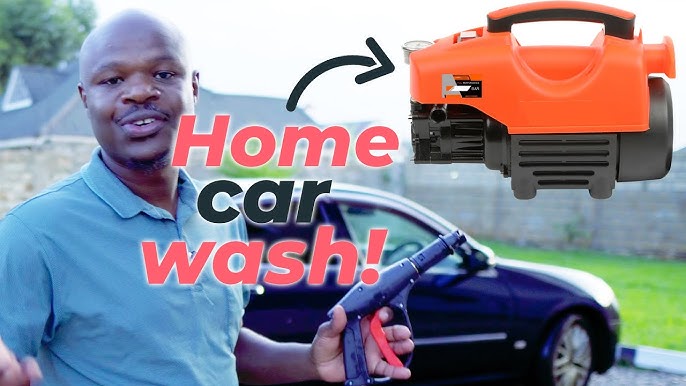
Have you ever stood in front of your car, hose in hand, and wondered if there’s a faster and more efficient way to get rid of all that dirt and grime? You’re not alone.
Many car owners find themselves asking, “Can I use a pressure washer to wash my car? ” It’s a question that promises the allure of saving time and achieving that spotless shine without breaking a sweat. But before you plug in that powerful machine, there are a few things you need to know to ensure your car’s paint stays pristine and your drive remains smooth.
Imagine effortlessly blasting away layers of dirt, leaving your car gleaming like it just rolled off the showroom floor. Picture saving hours of scrubbing and rinsing, all while achieving professional-level results from the comfort of your driveway. Sounds tempting, right? But there’s a catch. Using a pressure washer on your car might seem like a great idea, but if done incorrectly, it can lead to costly mistakes. We’ll dive into whether a pressure washer is your car’s best friend or its worst enemy. You’ll discover the dos and don’ts, learn about the right techniques, and find out how to protect your vehicle while harnessing the power of a pressure washer. Stick around to make sure you’re not just cleaning your car, but doing it the smart way!

Credit: pswaterblasters.co.nz
Pressure Washer Basics
Understanding pressure washers is key before using them on your car. They make cleaning easier and faster. But not all are suitable for every task. It’s vital to know the basics. This will help you choose the right one.
Types Of Pressure Washers
Pressure washers come in different types. The two main types are electric and gas. Electric pressure washers are lightweight and easy to use. They are perfect for small tasks like washing cars. Gas pressure washers are more powerful. They suit heavy-duty cleaning jobs. But they can be too strong for cars. Choose wisely based on your needs.
Key Features To Consider
Pressure washers have various features to check. First, consider the pressure level, measured in PSI. For cars, a PSI between 1200 and 1900 is ideal. Higher PSI may damage the paint. Next, look at the GPM, which stands for gallons per minute. Higher GPM helps rinse away dirt faster. Adjustable nozzles are also important. They allow you to change the spray pattern. This prevents damage and ensures effective cleaning.
Benefits Of Using A Pressure Washer
Using a pressure washer to wash your car can be a game-changer. It offers several benefits that make the cleaning process not only efficient but also more effective. Imagine cutting down the time you spend scrubbing and rinsing while achieving a spotless finish. Let’s dive into why a pressure washer could be your car’s new best friend.
Efficiency And Time-saving
Pressure washers deliver a powerful jet of water that can cover large areas quickly. This means you spend less time on each section of your car, allowing you to clean it thoroughly in a fraction of the time compared to traditional methods. Have you ever been frustrated by stubborn dirt and grime that just won’t budge? With a pressure washer, you can easily blast away these contaminants, leaving your vehicle looking pristine.
Superior Cleaning Power
One of the standout features of pressure washers is their ability to provide superior cleaning power. The high-pressure water stream can reach into nooks and crannies that are hard to clean with a sponge or cloth. Think about the intricate designs of alloy wheels or the tight spots around bumpers. A pressure washer can effortlessly tackle these areas, ensuring no part of your car is left dirty.
But here’s a thought: Are you using the right nozzle and pressure settings? Adjusting these can maximize cleaning efficiency without risking damage to your car’s paint. With the right setup, you’ll find that a pressure washer can be both a powerful and gentle cleaning tool.
Potential Risks And Precautions
Pressure washers can damage car paint and delicate parts if not used carefully. Use a low-pressure setting and keep a safe distance to avoid harm. Test on an inconspicuous area first to ensure safety.
Washing your car with a pressure washer might seem like a convenient option. However, it’s important to be aware of the potential risks and necessary precautions to protect your vehicle. Understanding these aspects can help you maintain your car’s appearance while using a pressure washer safely.Risks To Car Paint
Pressure washers can be powerful tools, and when used incorrectly, they can damage your car’s paint. High-pressure water jets can strip away the clear coat or cause scratches. Imagine that feeling when you see a fresh scratch on your car—it’s avoidable with the right knowledge. It’s also worth noting that older cars might have more fragile paint that can chip easily. Think about the last time you saw an older vehicle with peeling paint. The pressure from a washer can exacerbate this issue.Safety Measures For Car Washing
To minimize risks, keep the pressure setting below 1500 PSI when washing your car. This pressure level is generally safe for automotive surfaces. Always use a nozzle with a wide spray pattern, like a 25- or 40-degree tip. Maintain a distance of at least 12 inches between the nozzle and the car surface. This ensures the pressure is not concentrated in one spot, reducing the chance of damage. Test the pressure on an inconspicuous area first to ensure it’s safe. Consider investing in a foam cannon attachment. It allows for a gentle application of soap, preventing the need for aggressive scrubbing. Have you ever tried one? It’s a game-changer for car enthusiasts who love a clean, shiny vehicle. Overall, being cautious and informed can make all the difference when using a pressure washer on your car. What other steps do you take to protect your car’s paint while washing?
Credit: surfacemaxx.com
Choosing The Right Pressure Washer Settings
Using a pressure washer for car cleaning requires careful setting choices. Opt for a lower pressure to avoid damaging the paint. A wide spray angle ensures even cleaning without harm.
Choosing the right settings on a pressure washer can make all the difference when washing your car. Using the wrong settings might damage your car’s paintwork or trim. You want to ensure your car gets clean without any unintended consequences. So, how do you achieve this balance? It starts with understanding the ideal pressure levels and nozzle types for car washing.Optimal Pressure Levels
When washing your car, maintaining an optimal pressure level is crucial. A pressure of 1200 to 1900 PSI is generally safe for most vehicles. Too much pressure can strip off paint and damage the car’s surface. Imagine a water jet powerful enough to cut through metal—that’s what you want to avoid. Consider the type of car you have. Sports cars or luxury vehicles may require you to be extra cautious with pressure levels.Selecting The Correct Nozzle
The nozzle you choose significantly impacts the pressure and flow of water. A 25-degree nozzle is usually a safe bet for car washing. This nozzle provides a wide spray that is less likely to damage your car’s surface. With a wider spray, you cover more area, making the cleaning process efficient. Have you ever noticed how different nozzles can change the behavior of water? It’s fascinating yet essential to choose the right one for your needs. Before you start, double-check the settings to make sure you have the right pressure and nozzle. This small step can save you from potential headaches later.Step-by-step Car Washing Guide
Using a pressure washer to clean your car can be effective and safe. Choose a nozzle with a wide spray pattern to avoid damaging the paint. Maintain a safe distance, around two feet, to ensure thorough cleaning without causing harm.
Washing your car with a pressure washer can be a game-changer, offering a quick and efficient cleaning method. However, it requires careful steps to ensure you don’t damage your car’s paint. This step-by-step guide will walk you through the essential process, helping you maintain your vehicle’s shine while using a pressure washer safely and effectively.Pre-wash Preparation
Before you even start your pressure washer, ensure you’re well-prepared. Gather all necessary materials such as car soap, a microfiber cloth, and a pressure washer with a suitable nozzle. A 40-degree nozzle is typically recommended as it provides a wide spray that is less likely to damage your car. Inspect your vehicle for any loose parts or areas that might be susceptible to high pressure. Look out for chipped paint, loose trim, or damaged mirrors and handle these carefully. This step is crucial to prevent further damage during washing. Park your car in a shaded area. Direct sunlight can cause soap and water to dry quickly, leading to spots and streaks on your car’s surface. A shaded location ensures you have ample time to wash and rinse without these issues.Effective Washing Technique
Begin by rinsing your car with water to remove loose dirt and debris. This initial rinse prevents scratches during the subsequent washing process. Always start from the top and work your way down, allowing gravity to assist in rinsing off dirt. When applying soap, use a foam cannon or attach a soap nozzle to your pressure washer. This ensures even coverage of soap across your vehicle. Let it sit for a few minutes but avoid letting it dry to maximize its cleaning potential. With a gentle sweeping motion, use the pressure washer to rinse off the soap. Maintain a safe distance—typically 1.5 to 2 feet from the surface—to avoid any potential damage to the paint. Always keep the nozzle moving to prevent concentrated pressure on one spot. Finally, dry your car using a microfiber cloth to prevent water spots. This also gives you the opportunity to check for any areas that might need additional cleaning. Consider applying a coat of wax for extra protection and shine. Are you ready to give your car a sparkling clean look with a pressure washer? It’s not just about the tools, but how you use them that makes all the difference.
Credit: www.youtube.com
Common Mistakes To Avoid
Using a pressure washer to clean your car can be efficient. Yet, common mistakes could damage your vehicle’s paint or cause injury. Knowing what to avoid ensures a safe and effective wash.
Overlooking Safety Precautions
Always wear protective gear when using a pressure washer. Eye protection is crucial to avoid debris hitting your eyes. Make sure the area is clear of children and pets. This prevents accidents and injuries. Ensure the water supply is secure and leak-free. Loose hoses can cause unexpected sprays, leading to slips or falls.
Using Incorrect Pressure Levels
Choose the right pressure level for your car. High pressure can strip paint and damage surfaces. Use a nozzle with a wide spray pattern for gentle cleaning. Always start with the lowest pressure setting. Test on a small area first to see if it’s safe. Adjust pressure accordingly to avoid harm.
Expert Tips For Safe Car Washing
Using a pressure washer to clean your car can be efficient. But it requires caution to prevent damage. Experts offer valuable insights to ensure safe washing. Follow these tips to keep your car in perfect condition.
Advice From Car Care Professionals
Professional advice is crucial for safe car washing. They recommend using the right nozzle size. A nozzle with a wider angle is preferable. It spreads water gently over the surface. This prevents scratches and paint damage. Experts also suggest maintaining a safe distance. Keep the pressure washer at least two feet away from the car. This helps avoid dents and chips in the paint.
Best Practices For Long-term Maintenance
Long-term car maintenance requires regular care. Using a mild detergent is essential. Harsh chemicals can strip wax and damage paint. Rinse thoroughly to remove all soap residue. This prevents build-up that can harm the finish. Drying your car is equally important. Use a microfiber towel for best results. It absorbs water without scratching the surface.
Frequently Asked Questions
Is It Safe To Use A Pressure Washer On A Car?
Using a pressure washer on a car is safe if done correctly. Maintain a safe distance to avoid damage. Use a wide spray nozzle and keep the pressure low. Avoid aiming directly at sensitive areas like mirrors or seals. Proper technique ensures effective cleaning without harming the car’s surface.
How To Properly Wash A Car With A Pressure Washer?
Use a wide-angle nozzle to avoid paint damage. Rinse the car thoroughly before applying soap. Use a foam cannon for even soap application. Wash from top to bottom to prevent dirt streaks. Rinse thoroughly and dry with a microfiber towel to prevent water spots.
Is It Better To Wash A Car With A Hose Or A Pressure Washer?
Using a pressure washer is often better for washing a car. It removes dirt effectively and uses less water. Ensure settings are gentle to avoid paint damage. A hose is suitable for light cleaning and rinsing. Choose based on your car’s dirt level and equipment availability.
What Psi Pressure Washer Should I Use To Wash My Car?
Use a pressure washer with 1200 to 1900 PSI for washing cars safely. Higher PSI may damage the paint. Choose a model with adjustable settings to control pressure. Use a wide-angle nozzle to ensure even cleaning. Keep a safe distance to prevent harm to car surfaces.
Conclusion
Using a pressure washer on your car can be effective. It saves time and effort. But, be careful with the pressure setting. Too much can damage the paint. Always use the right nozzle. Keep a safe distance from the car’s surface.
Test on a small area first. This ensures no harm. Regular checks prevent unwanted damage. Protect your car with these simple steps. Your car will look clean and shiny. Pressure washers can be handy tools. Use them wisely for the best results.
Enjoy a spotless car every time!