
Imagine you’re standing in your driveway, looking at your car. It’s covered in dirt, grime, and those pesky bird droppings.
You want it to shine like new, but scrubbing it by hand seems daunting. That’s when the idea of using a pressure washer pops into your mind. But wait! Could that powerful stream of water damage your car’s paint? The thought might make you hesitate.
You want your car to look pristine, not end up with chipped or faded paint. This article is here to answer that burning question. You’ll discover the truth about using a pressure washer on your car, and learn how to do it safely, without risking harm to its delicate surface. Dive in and find out how you can make your car sparkle without the fear of causing damage. Your vehicle deserves the best care, and we’re here to guide you through it.
Credit: www.detailedimage.com
Pressure Washer Basics
Understanding the basics of pressure washers is crucial before you decide to use one on your car. These powerful machines can make cleaning easy and efficient, but they also come with risks. Knowing how they work and the different types available can help prevent damage to your car’s paint.
How Pressure Washers Work
Pressure washers are designed to blast water at high pressure to clean surfaces. They use a motor or engine to power a pump, which increases the water pressure from a normal hose to a much higher level. This powerful stream can remove dirt and grime effectively.
However, this same force can be too intense for delicate surfaces, like your car’s paint. Imagine using a garden hose versus a fire hose; the impact is significantly different. It’s essential to adjust the pressure settings to match the needs of what you’re cleaning.
Types Of Pressure Washers
Pressure washers come in various types, each with unique features suited for different tasks. Electric pressure washers are popular for home use due to their convenience and lower pressure levels, making them safer for car washing.
On the other hand, gas-powered pressure washers offer more power, perfect for tougher cleaning jobs but potentially risky for car paint. Selecting the right type depends on your specific needs and the sensitivity of the surfaces you intend to clean.
Have you ever tried cleaning with a gas-powered washer and ended up with chipped paint? It’s a common mishap that can be avoided with careful selection. What type of pressure washer do you think would be best for your car?
- Electric Pressure Washers: Suitable for everyday home tasks.
- Gas Pressure Washers: Ideal for heavy-duty cleaning but use with caution on cars.
Choosing wisely can make all the difference in maintaining your car’s shine and avoiding unintended damage. What’s your experience with pressure washers? Share your stories and tips in the comments below!

Credit: www.reddit.com
Car Paint Vulnerability
High-pressure washers can harm car paint if the pressure is too strong. Incorrect nozzle settings may strip paint, causing damage. Proper usage ensures safety and keeps the paint intact.
Car paint vulnerability is a topic that might not cross your mind until you notice those small chips and scratches. Your vehicle’s paint job not only adds aesthetic value but also serves as a protective layer against the elements. However, it’s more delicate than you might think. A pressure washer can sometimes pose a risk to this protective layer if not used correctly. Understanding what makes car paint vulnerable and how to protect it is essential for any car owner.Understanding Car Paint Layers
Modern car paint consists of multiple layers: primer, base coat, and clear coat. Each layer serves a distinct purpose. The primer acts as a foundation, ensuring the paint adheres well to the vehicle’s body. The base coat provides color and visual appeal, while the clear coat is the protective layer that guards against UV rays and minor scratches. These layers might sound robust, but they can be surprisingly thin. A standard clear coat is often only about 30-50 microns thick, which is thinner than a sheet of paper. This thinness is why high-pressure water can sometimes cause damage if you’re not cautious.Common Causes Of Paint Damage
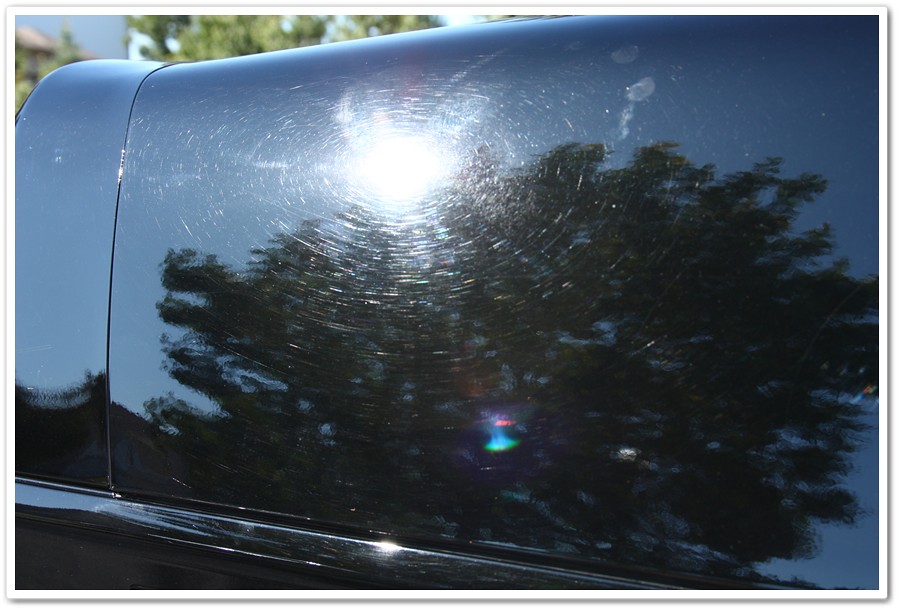
Using a pressure washer without proper knowledge can lead to peeling or chipping paint. High pressure can strip away the clear coat, exposing the color layer beneath. This can happen if the nozzle is too close to the surface or if the pressure setting is too high. Environmental factors also contribute to paint vulnerability. Harsh sunlight, bird droppings, and road salt are known culprits that can degrade the paint over time. Even the simple act of washing your car with a rough cloth can create micro-scratches if you’re not careful. Have you ever noticed how your car looks dull after a drive through a dusty road? Dust particles can act like sandpaper when wiped off aggressively. This is why knowing the right washing techniques is crucial. Would you risk damaging your car for the sake of a quicker clean?Pressure Washer Risks For Car Paint
Using a pressure washer on your car can feel like a quick and easy way to get rid of dirt and grime. However, it comes with potential risks that might damage your car’s paint if not used carefully. Understanding these risks can save you from costly repairs and maintain your car’s pristine look.
Potential Damage Scenarios
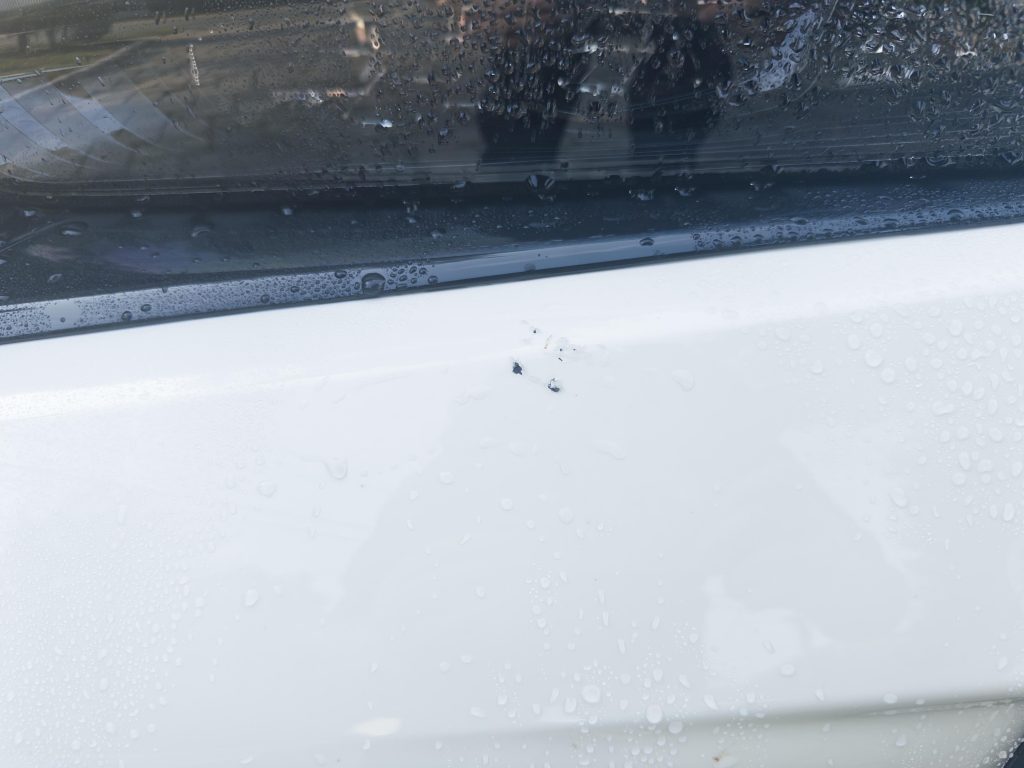
Pressure washers can blast dirt away, but they can also strip off the paint if used improperly. If the nozzle is too close, it can peel or chip the paint, leaving unsightly marks. Even a small nick in the paint can expose your car to rust and further deterioration over time.
High pressure from the washer can also force water into seals and joints, potentially leading to issues like electrical faults or water ingress. Have you ever wondered why some cars develop rust spots prematurely? This might be one of the reasons.
Factors That Increase Risk
- Pressure Level:Using a high-pressure setting can be tempting, but it’s one of the quickest ways to damage paint. Stick to a lower setting to ensure safety.
- Nozzle Type:The type of nozzle you use can make a big difference. A concentrated spray can be too harsh, while a wider spray pattern is gentler on the paint.
- Distance:Keeping the nozzle at least a foot away from the surface helps in preventing damage. Getting too close increases the risk of peeling paint.
- Temperature:Hot water might seem like a better cleaning option, but it can soften the paint, making it easier to strip away.
- Angle:Spraying at a sharp angle can lift paint edges. Always aim to spray directly to minimize this risk.
Are you thinking of using a pressure washer on your car? Consider these factors to make sure you protect the paint. Small adjustments in your technique can make a big difference in maintaining your vehicle’s appearance.
Credit: www.detailingworld.co.uk
Safe Pressure Washer Use On Cars
Using a pressure washer on cars can harm the paint if not used carefully. High pressure might strip away the protective layers. It’s essential to maintain a safe distance and use the right nozzle.
Using a pressure washer to clean your car can be a game-changer, making it sparkle with minimal effort. However, if not used correctly, it could potentially damage your car’s paint. Let’s explore how you can safely use a pressure washer on your car without worrying about scratches or paint chips.Recommended Pressure Settings
The key to safe pressure washing is choosing the right pressure setting. Generally, a pressure range between 1200 to 1900 PSI (Pounds per Square Inch) is considered safe for cars. Using a pressure washer with a PSI above 2000 can risk damaging the paint or even denting the body. Always start with the lowest setting and adjust as needed.Proper Techniques For Washing
Technique is everything. Hold the nozzle at least 12 inches away from the car’s surface to avoid concentrated pressure on a single spot. Move the spray in a sweeping motion to evenly distribute the pressure. This method not only protects the paint but also ensures a thorough clean. Consider using a 25-degree nozzle, which offers a wider spray pattern suitable for cars. This can help prevent unintended damage while effectively removing dirt and grime. Before you start, ask yourself: have you done a test spray on an inconspicuous area? This simple step can save you from accidental damage. Finally, ensure you’re using a car-friendly detergent. Certain chemicals can strip wax or dull the paint, so choose wisely. A clean car shouldn’t come at the cost of its shine. By following these guidelines, you can enjoy the efficiency of a pressure washer while keeping your car’s paint pristine.Alternatives To Pressure Washing
Pressure washers can harm car paint by stripping layers or causing chips. Alternatives include using soft cloths and specialized car wash soaps, which gently clean without risk. Regular hand washing ensures paint safety and maintains vehicle shine.
When considering alternatives to pressure washing your car, it’s essential to weigh the benefits of each method. Pressure washers can be powerful, sometimes too powerful, potentially damaging your car’s paint. By exploring gentler approaches, you can maintain your car’s aesthetic without risking harm.Hand Washing Methods
Hand washing your car is a classic yet effective method. It allows you to control the pressure and focus on areas that need extra attention. Using a bucket of water, a sponge, and a mild car shampoo, you can achieve a clean shine without the risk of chipping paint. Consider using microfiber cloths instead of sponges. They are less abrasive and can help avoid scratches. Always rinse thoroughly to remove all soap residues and prevent streaks.Automatic Car Wash Options
Automatic car washes offer convenience and speed. However, not all are created equal. Brushless or touchless car washes are excellent choices as they rely on high-pressure water jets and detergents rather than abrasive brushes. Check if your local car wash offers a soft cloth system. These systems use gentle cloth strips that clean without scratching. Always inspect your car after the wash to ensure there are no missed spots or damage. Ultimately, the choice between hand washing and automatic washes depends on your preferences and time availability. Have you tried both methods? Which one do you trust more with your car’s paint?Tips For Protecting Car Paint
Protecting your car’s paint is essential for maintaining its appearance. Using a pressure washer can be risky if not done correctly. Following some simple tips can help you avoid damage and keep your car looking great. Pay attention to the right cleaning techniques and products.
Regular Maintenance Practices
Regular cleaning prevents dirt buildup. Wash your car frequently to avoid stubborn stains. Use soft cloths and sponges. They are gentle on the paint. Avoid using abrasive materials. They can scratch the surface.
Wax your car every few months. Wax adds a protective layer. It shields paint from harmful elements. Inspect your car for any scratches or chips. Fix them promptly to prevent further damage.
Choosing The Right Cleaning Products
Select cleaning products designed for cars. Household cleaners can be too harsh. They might strip away protective coatings. Check the label for car-safe indicators.
Use pH-balanced car shampoos. They are gentle and effective. Avoid products with strong chemicals. These can damage the paint and finish.
Read user reviews of cleaning products. This helps ensure quality and effectiveness. Investing in the right products saves you money in the long run.
Frequently Asked Questions
How To Pressure Wash A Car Without Damaging Paint?
Use a pressure washer with a 1200-1900 PSI setting. Maintain a 12-18 inch distance from the car. Use a 25-degree nozzle. Start from the top and work downwards. Avoid direct spraying on sensitive areas like mirrors and emblems.
Will A Pressure Washer Take Paint Off My Car?
A pressure washer can potentially remove paint from your car. Use a low-pressure setting to avoid damage. High pressure might strip off paint, especially on older or damaged surfaces. Always test on a small area first to ensure safety.
Is It Bad To Use A Pressure Washer On Your Car?
Using a pressure washer on your car is not inherently bad. Ensure safe distance and correct pressure settings to avoid damage. It’s effective for removing dirt and grime, but high pressure can harm paint and seals. Always check the manual for guidance specific to your vehicle.
Can You Pressure Wash A Painted Car?
Yes, you can pressure wash a painted car. Use a gentle setting and keep the nozzle at least a foot away. Avoid high pressure to prevent paint damage. Test on a small area first. Use a wide spray pattern for even cleaning.
Conclusion
Pressure washers can harm car paint if not used carefully. The high pressure might strip the paint or cause scratches. Always keep a safe distance. Use gentle settings to avoid damage. Choose the right nozzle for car washing. Soft brushes and cloths are safer options.
Regular maintenance protects your car’s shine. Understand the risks before using powerful tools. Proper technique ensures a clean car without risks. Drive with confidence knowing your paint remains pristine. Remember, gentle cleaning preserves your car’s beauty and value. Always prioritize safety when cleaning your car.