
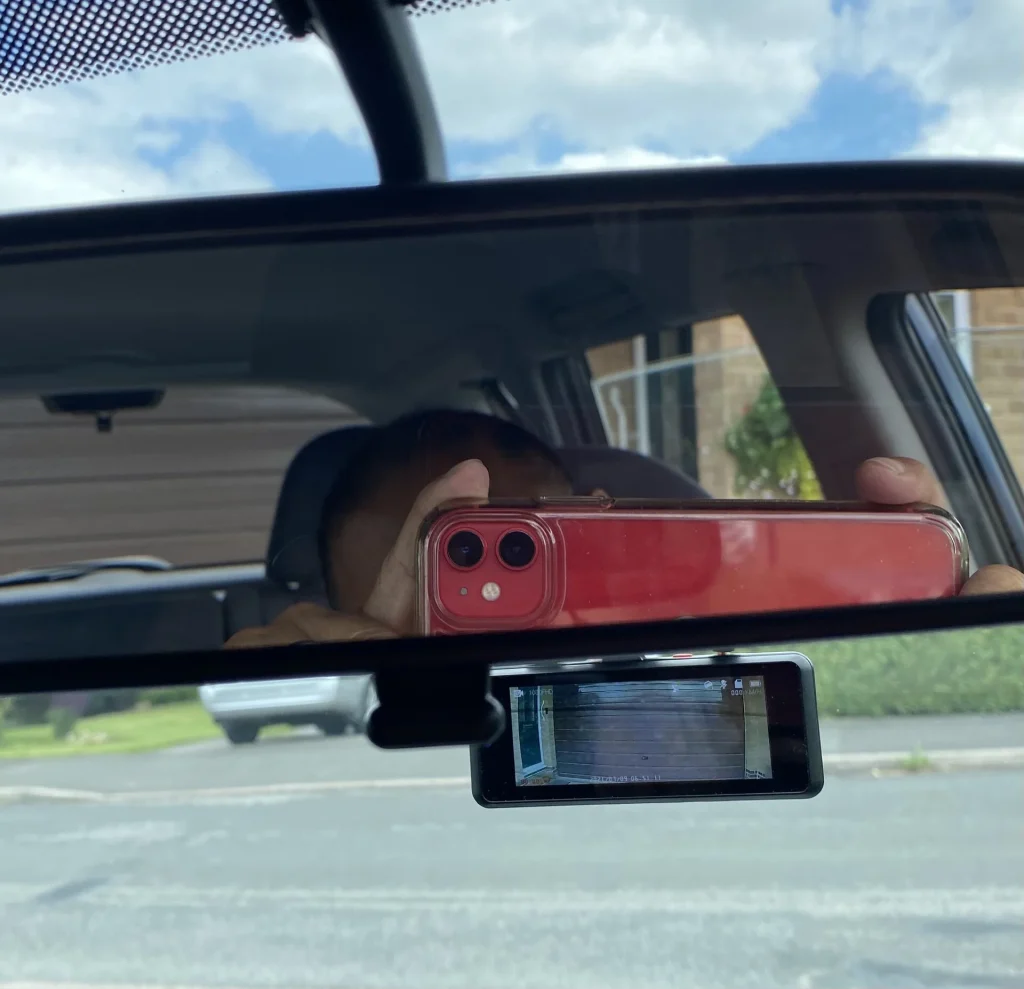
Imagine you’re driving down a busy street, and suddenly, a car swerves into your lane from the side. You might wonder if your dash cam caught that moment.
Can a dash cam see the side of your car? This is a question many drivers ask, especially when it comes to recording crucial details during unexpected incidents. If you value peace of mind while driving, understanding the capabilities of your dash cam is essential.
We’ll dive into how dash cams work, their field of vision, and whether they can truly capture what’s happening at the sides of your vehicle. Stick around to discover how you can enhance your driving safety and ensure that no important detail goes unnoticed.

Credit: global.botslab.com
Dash Cam Basics
Dash cams have become essential gadgets for drivers. They’re your silent witnesses, capturing crucial moments on the road. But have you ever wondered if they can see the side of your car?
Types Of Dash Cams
Understanding dash cam types is the first step. The most common is the single-channel dash cam, which records the front view. Dual-channel dash cams are more advanced, capturing both front and rear views. Some even offer side camera options. Choosing the right type can significantly impact what your dash cam can see.
Standard Field Of View
The field of view is key to what your dash cam can capture. Most dash cams have a field of view between 120° to 170°. This covers the front and some of the sides. However, if you’re interested in capturing more of the sides, consider cameras with a wider angle. A wider field of view means more coverage but might compromise detail. Would you prioritize detail over a broader view?
Choosing the right dash cam requires understanding your needs. Are you looking for comprehensive coverage or focused detail? Your answer will guide you in selecting the perfect dash cam setup for your vehicle.
Credit: dashcamtalk.com
Side Visibility Challenges
Side visibility in vehicles poses significant challenges for drivers. Dash cams are typically designed to capture the front and rear views. But what about the sides? This is a common concern, especially in busy traffic. Understanding how dash cams can help with side visibility is crucial for safer driving.
Blind Spots Explained
Blind spots are areas around a vehicle that the driver cannot see. They are usually on the sides, hidden from mirrors and the driver’s direct view. These spots can lead to accidents if not checked properly. Dash cams can help monitor these areas, reducing the risk significantly.
Camera Positioning
The position of the dash cam is key to capturing side views. Most dash cams are mounted on the windshield. This gives them a broad view of the road ahead. To see the sides, additional cameras may be needed. These can be placed on side mirrors or windows. Proper positioning ensures that blind spots are covered effectively.
Technological Innovations
Dash cams have evolved with technology, enhancing their capabilities significantly. Technological innovations now allow dash cams to capture more than just the road ahead. These advancements help in providing a comprehensive view around the vehicle, including the sides. This is crucial for ensuring safety and capturing detailed footage of incidents.
Wide-angle Lenses
Wide-angle lenses have transformed dash cam functionality. They capture a broader field of view, which includes the sides of the car. This feature is beneficial in recording side collisions and interactions with pedestrians. A lens with a wide angle can cover blind spots, offering more coverage around the vehicle.
Multi-camera Systems
Multi-camera systems offer a solution for complete vehicle coverage. These systems use multiple cameras positioned strategically around the car. Each camera targets different angles, including the sides. This setup ensures all potential incident areas are monitored. Multi-camera systems can record simultaneous footage, providing a detailed account of any event. They offer peace of mind by ensuring no angle is left unrecorded.
Installation Tips
Installing a dash cam to capture the side of your car requires careful planning. Proper setup ensures optimal performance and comprehensive coverage. Follow these installation tips to maximize your dash cam’s effectiveness.
Optimal Camera Placement
Choose a spot that provides a wide view. The camera should be securely attached to the windshield or side window. This placement helps capture activity around the car’s side.
Consider using adjustable mounts. They allow easy repositioning for better views. Ensure the camera lens is unobstructed for clear footage.
Adjusting Angles For Better Coverage
Adjust the camera angle to cover blind spots. Test different angles to find the best coverage. Aim for a balance between front and side views.
Use trial and error. Monitor the footage to identify gaps. Adjust the angle until you achieve optimal coverage.
Legal Considerations
When considering whether a dash cam can see the side of your car, it’s essential to factor in the legal landscape surrounding its usage. Dash cams have become increasingly popular, but using them without understanding the laws could land you in hot water. Let’s delve into the legal considerations you must keep in mind.
Privacy Concerns
Dash cams can inadvertently capture footage of individuals outside your vehicle, raising privacy concerns. Imagine parking on a busy street; your dash cam might record pedestrians or neighboring cars. This can be problematic if captured footage is shared without consent.
Always be mindful of who and what your camera records. You wouldn’t want your device to become an invasion of privacy. Consider whether your dash cam settings allow you to limit side views or blur sensitive areas.
Regulations For Dash Cam Usage
Dash cam regulations vary widely from one region to another. Some places have strict rules about where cameras can be mounted and what can be recorded. Be sure to check local laws before installing your device.
In some jurisdictions, recording video without the consent of all parties involved may be illegal. Understanding these regulations ensures you’re using your dash cam legally and responsibly. Have you checked what rules apply in your area?
By being aware of privacy concerns and regulations, you can use your dash cam effectively and ethically, safeguarding both your rights and those of others. It’s not just about capturing footage; it’s about doing so responsibly and within the law.
Benefits Of Enhanced Side Visibility
Enhanced side visibility with dash cams helps capture crucial details during side collisions. It provides better evidence for insurance claims and ensures a comprehensive view of road incidents. This feature can improve overall driving safety by monitoring side lanes effectively.
Enhanced side visibility with a dash cam is a game-changer for drivers. It boosts your awareness of what’s happening around your vehicle, which is crucial in preventing accidents. Let’s explore how this added visibility can benefit you.Improved Safety
Installing a dash cam that covers the sides of your car can dramatically improve safety. Imagine navigating a busy parking lot or merging onto a bustling highway. With enhanced side visibility, you can spot approaching vehicles or pedestrians earlier, reducing the chance of collisions. I remember a time when a cyclist suddenly appeared from my car’s blind spot. Thanks to my side-view dash cam, I avoided a potential accident. This kind of foresight can be the difference between a safe journey and an unfortunate incident.Insurance Advantages
Having a dash cam with side visibility can also benefit you financially. Many insurance companies offer discounts for drivers who use dash cams. They see it as a proactive safety measure, reducing the likelihood of claims. In the event of an accident, clear footage from all angles can be invaluable. It provides indisputable evidence that can expedite claim processes and establish fault more accurately. Wouldn’t you prefer a swift, stress-free resolution to any potential insurance disputes? Enhanced side visibility isn’t just about safety—it’s about peace of mind. By equipping yourself with the right tools, you’re not only protecting your vehicle but also ensuring a smoother, more secure driving experience.Potential Drawbacks
While dash cams are a fantastic tool for capturing video footage of your drives, they do come with some potential drawbacks. One of the main concerns is their ability to capture the sides of the car effectively. Understanding these limitations can help you make an informed decision about whether investing in a dash cam is the right choice for your needs.
Cost Implications
Adding extra cameras to capture the sides of your car can significantly increase the cost of a dash cam setup. Most standard dash cams focus on the front and rear views, and side cameras are often sold separately. You might find yourself questioning if the extra expense is worth the additional coverage.
Budget-friendly options often lack the quality and reliability needed for clear side footage. Investing in high-quality side cameras means spending more upfront, but it could save you in the long run by providing better evidence in case of an incident.
Technical Limitations
Many dash cams are not designed to cover wide angles, especially at the sides of a vehicle. This can result in blind spots, which are critical areas that might not be recorded during an incident.
Mounting side cameras can also be challenging. They need to be positioned correctly to avoid obstructions and to ensure they provide a clear view, which might not always be feasible depending on your vehicle’s design.
Consider the compatibility of these additional cameras with your existing dash cam system. Not all systems support expansion, which could mean needing to replace your current setup entirely if you want full coverage.
Have you ever found yourself wishing you had footage from the side of your car? It’s a common dilemma that many drivers face, especially when involved in an accident where side impact is a factor. Weighing these drawbacks can guide you to a solution that best fits your driving needs.

Credit: www.facebook.com
Future Of Dash Cam Technology
The future of dash cam technology is promising and exciting. As vehicles become smarter, dash cams are evolving too. They offer more than just front and rear views now. Manufacturers are exploring ways to give drivers a full 360-degree perspective. This includes the sides of the car. Understanding these advancements helps us appreciate the direction dash cams are heading. Let’s delve into what’s shaping this future.
Trends In Automotive Cameras
Automotive cameras are improving rapidly. They provide clearer images and better coverage. Side cameras are becoming more common. They help capture blind spots and side incidents. High-resolution sensors are enhancing image quality even in low light. Cameras are getting smaller yet more powerful. This allows for discreet placement on vehicles.
Integration With Advanced Driver Assistance Systems
Dash cams are integrating with advanced driver assistance systems (ADAS). ADAS uses cameras to enhance vehicle safety. They assist in lane keeping and collision avoidance. Dash cams add another layer of monitoring. Together, they offer comprehensive coverage of the car’s surroundings. This synergy provides drivers with crucial information. It boosts confidence and enhances driving experience.
Frequently Asked Questions
Can Dash Cams Capture Side Views Of A Car?
Most dash cams primarily record the front and rear. Some models with wide-angle lenses or multi-camera setups can capture limited side views.
Are Side-view Dash Cams Available?
Yes, some dash cam models offer additional side cameras. These provide better coverage for capturing side incidents or details.
How Do Dash Cams Improve Side Visibility?
Dash cams with wide-angle lenses enhance side visibility. Some advanced models include multiple cameras for better side coverage.
Which Dash Cam Features Enhance Side Recording?
Look for dash cams with wide-angle lenses and multi-camera setups. These features help in capturing side views effectively.
Conclusion
Dash cams offer valuable road coverage. Their primary focus is ahead. Some models capture wider angles. Side views are often limited. Placement matters for better coverage. Consider dual-camera setups for more visibility. Choose wisely based on your needs. Assess features before purchasing.
Balance cost with quality. Understand limitations of dash cam technology. Regular updates improve functionality. Research new models for advanced features. Safety on the road is crucial. Dash cams aid in protection. They serve as reliable witnesses. Use them to enhance driving security.
Stay informed on latest trends. Drive with confidence and peace of mind.