
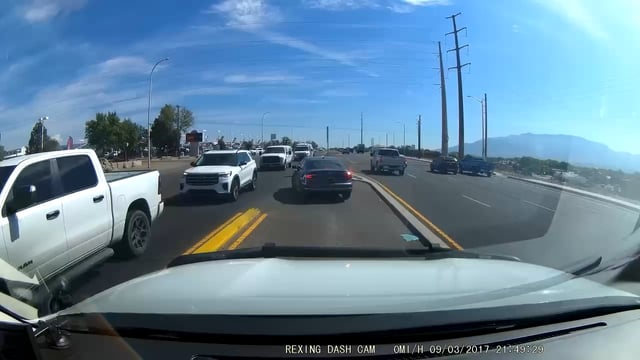
Imagine you’re driving down the highway, and suddenly, a car zooms past you at an alarming speed. You wonder, “Can my dash cam capture how fast that car was going?”
This is a question many drivers have when considering the capabilities of their trusty dashboard companion. You rely on your dash cam to be your silent witness in case of an accident or traffic dispute, but does it have the power to measure another vehicle’s speed?
This article will reveal the truth behind dash cams and their ability to pick up the speed of other cars. You’ll discover the technology behind these devices and learn why they might not work the way you expect when it comes to speed detection. By the end, you’ll be equipped with the knowledge to make informed decisions about your dash cam’s capabilities. So, buckle up and keep reading to unlock the secrets of your dash cam!
How Dash Cams Work
Understanding how dash cams work can help you decide whether they can accurately pick up another car’s speed. While these devices are primarily designed to record video footage, their capabilities extend far beyond just capturing your road trips. Let’s dive into the essential components and features of dash cams, examine their video recording capabilities, and discuss their limitations and challenges.
Components And Features
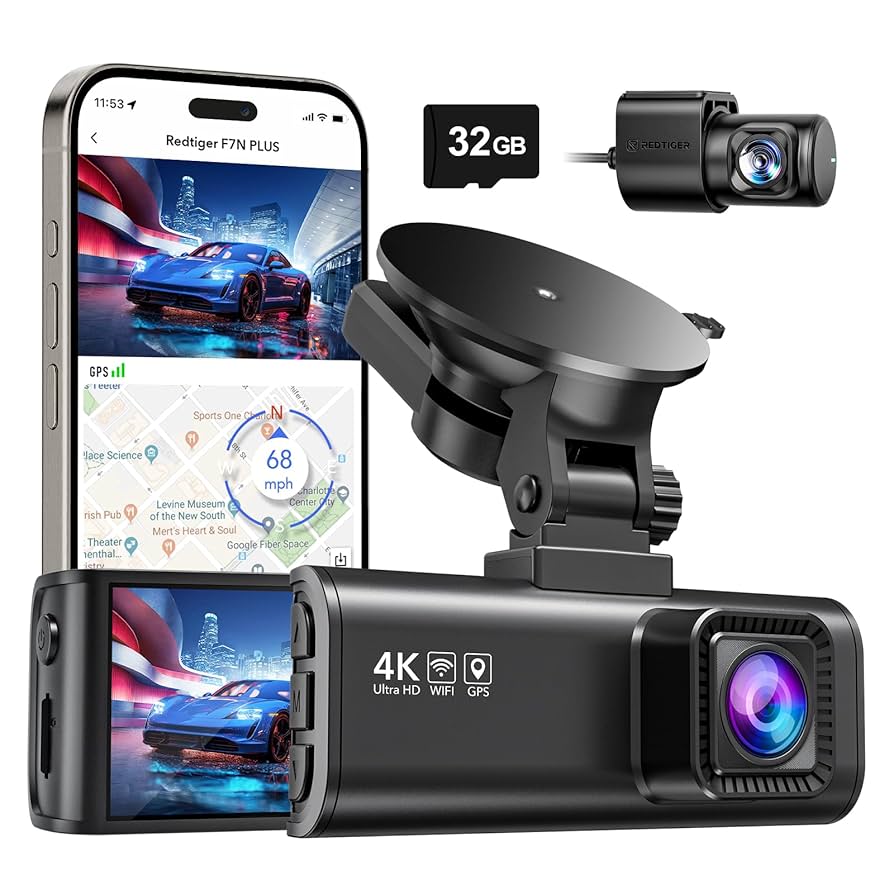
At the heart of any dash cam lies a camera, but that’s just the beginning. Modern dash cams come equipped with a variety of features such as GPS, G-sensors, and even Wi-Fi connectivity. These components allow the device to not only record but also gather critical data about your driving experience.
For example, GPS integration can track your location and speed, providing additional context to your recordings. However, this doesn’t mean it can accurately gauge another car’s speed. It primarily focuses on your vehicle’s movements.
G-sensors detect sudden changes in motion, which is useful during accidents. This feature ensures that crucial footage is saved and not overwritten, adding an extra layer of security to your recordings.
Video Recording Capabilities
Dash cams excel at recording high-quality video, capturing every detail of your journey. They often come with wide-angle lenses to ensure a broad field of view, minimizing blind spots. This is especially useful when capturing incidents that happen on the road.
However, they aren’t built to measure the speed of passing cars. While you might capture another car speeding by, the dash cam doesn’t have the tools to quantify that speed. It’s more about providing visual evidence than precise speed tracking.
Limitations And Challenges
Despite their advanced technology, dash cams have their limitations. They rely heavily on their primary function of video recording, which doesn’t inherently involve speed detection of other vehicles. A common misconception is that GPS speed data can be applied to other cars, but it’s strictly limited to your own vehicle.
Low-light conditions or extreme weather can also impact video quality, potentially obscuring important details. Additionally, while some dash cams offer speed-related data, discrepancies may exist due to calibration issues or signal interference.
So, can a dash cam pick up another car’s speed? The answer is, not precisely. It’s essential to understand these limitations when considering their capabilities. Have you ever thought about how this impacts your reliance on dash cams for more than just video evidence? It’s a reminder of the importance of understanding the tools we use and their capabilities.
Credit: www.facebook.com
Measuring Speed With Dash Cams
Dash cams are not just for recording videos. They have evolved to include features like speed estimation. This ability allows drivers to understand the dynamics around them. But can dash cams actually measure the speed of other cars? Let’s explore how this technology works.
Basic Principles Of Speed Estimation
Dash cams often use GPS data to measure speed. They record the position of your vehicle over time. By calculating the change in position, they estimate speed. However, estimating another car’s speed requires different methods.
Some dash cams use visual markers. They analyze the distance between these markers and the target vehicle. This helps in estimating the speed of the other car. The process relies heavily on image processing algorithms.
Technology Involved In Speed Detection
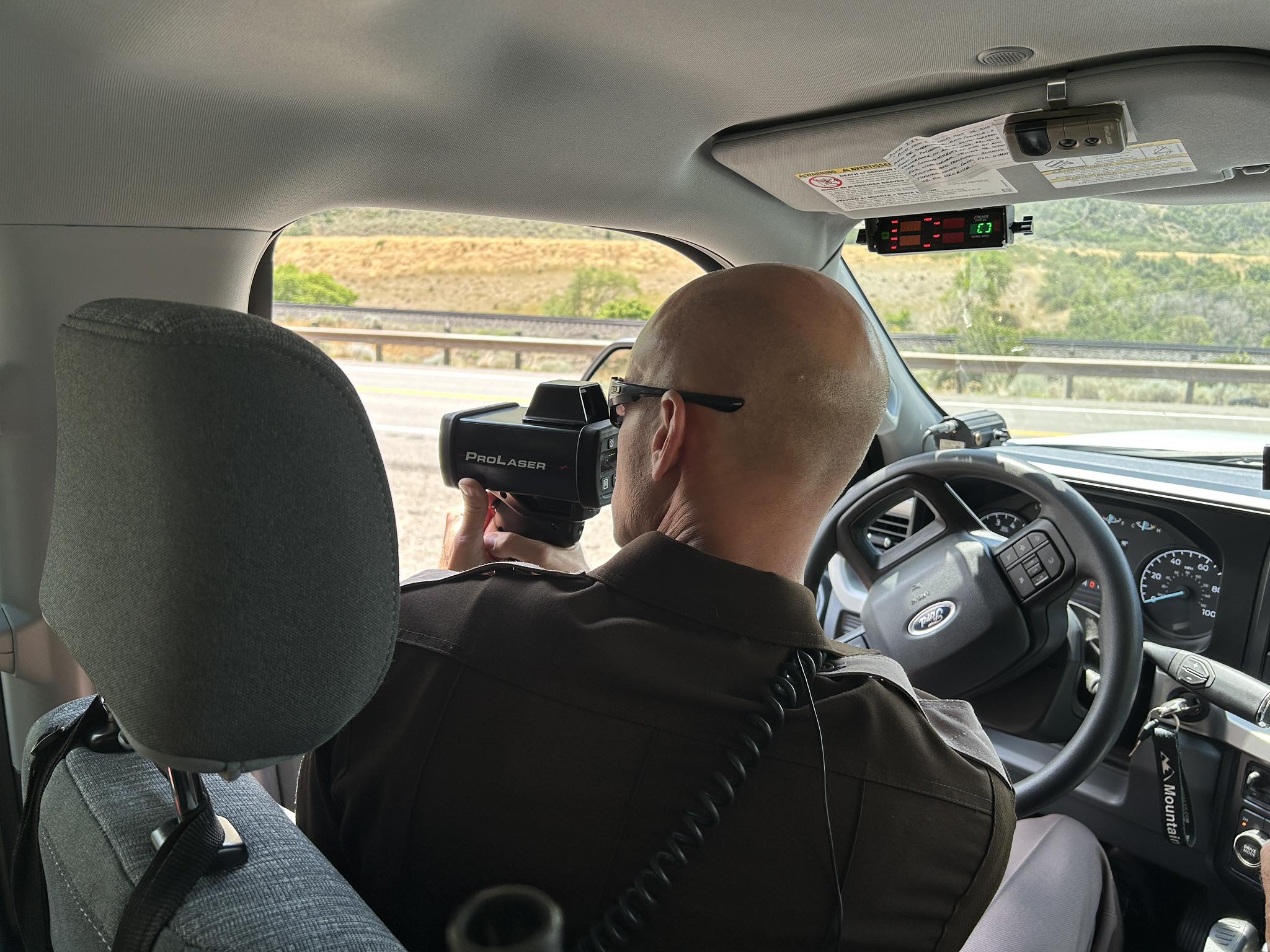
Modern dash cams use advanced sensors. These sensors capture high-resolution images and data. Some dash cams have radar or LIDAR systems. These systems emit waves that bounce off surrounding objects. The time taken for the waves to return helps in calculating speed.
Machine learning algorithms also play a role. They process images and identify moving objects. By analyzing movement patterns, they estimate speed. This technology is still evolving and improving.
Factors Affecting Accuracy
Various factors affect a dash cam’s ability to accurately capture another car’s speed. Camera resolution, positioning, and motion blur can influence speed estimation. Additionally, lighting conditions and traffic density may also impact accuracy.
Factors affecting the accuracy of a dash cam in picking up another car’s speed are crucial. Several elements can alter the precision of speed detection. Understanding these factors helps in evaluating the reliability of dash cam data. Let’s explore these aspects in detail.Camera Angle And Position
The angle at which the camera is mounted plays a significant role. Dash cams positioned at a skewed angle might capture distorted images. This distortion can impact speed calculation accuracy. A camera placed centrally on the windshield ensures a balanced view. It provides a better perspective of the road and vehicles ahead. Proper positioning allows the camera to capture accurate speed data.Environmental Conditions
Weather conditions greatly affect dash cam performance. Rain or fog can obscure visibility, leading to inaccurate readings. Bright sunlight might cause glare, affecting video quality. Night-time recordings often suffer from poor lighting. These conditions can make it challenging to assess speed precisely. Using cameras with advanced features like HDR can mitigate these issues.Vehicle Movement And Stability
A car’s movement influences the dash cam’s ability to record accurately. Sudden jerks or shakes can distort video footage. Stable driving ensures clear and consistent recordings. The stability of the mount also plays a role. A loose mount can cause vibrations, affecting video clarity. Ensuring the dash cam is securely fastened improves accuracy.
Credit: www.youtube.com
Legal Implications
Dash cams are becoming a popular accessory in vehicles, capturing everything that happens on the road. But can they legally capture and report another car’s speed? The legal implications of using dash cams for this purpose are complex and vary across jurisdictions. Understanding these implications is crucial for anyone considering using their dash cam for more than just recording their own driving.
Admissibility In Court
Whether dash cam footage can be used as evidence in court largely depends on its accuracy and reliability. While dash cams can record speeds, proving their precision is another matter.
Courts typically require substantial evidence, like GPS data, to corroborate the speed captured on video. Without this, footage might be deemed inadmissible.
Consider the scenario where a dash cam captures an accident. You might think it’s clear-cut evidence, but unless the speed data is verified, it might not hold up in legal proceedings.
Privacy Concerns And Regulations
Recording another vehicle’s speed raises privacy issues. Many jurisdictions have strict laws around recording others without consent.
You might inadvertently breach privacy laws by capturing another car’s speed. This could lead to penalties or legal challenges.
Stay informed about local regulations. Always ask yourself: Is capturing this data necessary and lawful?
Real-world Applications
Dash cams are more than just recording devices. They serve practical uses in daily driving. One interesting feature is speed detection. This can have various real-world applications. Understanding these can help you use your dash cam effectively.
Insurance Claims And Disputes
Dash cams can be crucial during insurance claims. They provide clear evidence of incidents. Capturing another car’s speed can show who was at fault. This data can strengthen your case in disputes. Insurers value precise information. It leads to faster claim settlements. This can save you time and stress.
Traffic Law Enforcement
Dash cams assist with traffic law enforcement too. They can record speeding violations. This can support police investigations. It helps ensure road safety. Police can use dash cam footage to verify speed limits. This makes roads safer for everyone.
Future Of Dash Cam Technology
The future of dash cam technology is not just about recording footage anymore. As cars become smarter, so do dash cams, evolving to offer features that were once deemed impossible. Imagine a world where your dash cam can not only capture crystal-clear video but also gauge the speed of other vehicles around you. This leap in technology could change how we drive, insure, and even how we handle accidents. Let’s explore the innovations that are paving the way for this future.
Innovations In Speed Detection
Dash cams are increasingly being equipped with advanced sensors that can detect speed. These sensors work by measuring the distance between your car and others, combined with time data to estimate speed. Manufacturers are experimenting with radar and lidar technology to enhance accuracy. Picture yourself on the highway, knowing precisely how fast the car in front is moving, allowing you to adjust your speed accordingly. This capability could be a game-changer for safety.
However, the challenge lies in making these innovations affordable and accessible. Tech companies are racing to develop cost-effective solutions that don’t compromise on performance. You might soon find these advanced dash cams available at a store near you. Would you invest in such technology to make your driving safer?
Integration With Smart Vehicles
As vehicles become smarter, dash cams are set to become an integral part of the smart vehicle ecosystem. Imagine your dash cam communicating with your car’s onboard computer, offering real-time speed data of surrounding cars directly on your dashboard. This integration can enhance navigation systems, offering dynamic routing based on the speed of traffic.
Moreover, smart vehicles can use this data to optimize their autonomous driving capabilities. If you’re considering buying a smart vehicle, look for models that offer seamless integration with dash cams. Such advancements promise not only convenience but also a significant boost in safety and efficiency.
Will smart vehicles and dash cams eventually become inseparable? As these technologies advance together, they might redefine what it means to drive safely and efficiently.
Credit: www.amazon.com
Frequently Asked Questions
Can Dash Cams Measure Other Cars’ Speed?
Dash cams can’t directly measure other cars’ speed. They primarily record video footage. However, you can estimate speed by analyzing the distance covered over time in the footage. Advanced dash cams with GPS can provide speed data, but it’s limited to the car they’re installed in.
Do Dash Cams Have Speed Detection Features?
Most dash cams focus on video recording rather than speed detection. Some advanced models have GPS features that track your car’s speed, but not the speed of other vehicles. For accurate speed detection, devices like radar guns are typically required.
Can Dash Cam Footage Be Used For Speed Evidence?
Dash cam footage can be used as supplementary evidence in disputes. It provides visual context but doesn’t directly measure speed. For accurate speed evidence, combining dash cam footage with other data sources, like GPS or telemetry, is recommended.
How Reliable Is Dash Cam Speed Data?
Dash cam speed data is reliable for the car it’s installed in, especially if GPS-enabled. However, it can’t measure other vehicles’ speed. GPS data is accurate, but environmental factors might affect reliability. Always verify with additional sources for critical assessments.
Conclusion
Dash cams can’t measure another car’s speed directly. They record events on the road. You get video evidence, which can be useful for disputes or insurance claims. But estimating speed needs expert analysis. Factors like distance and time help. Dash cam footage can support your case in accidents.
It provides context and clarity. Always drive safely and keep your dash cam on. This ensures you have reliable footage when needed. Proper use enhances road safety and awareness. Stay informed and use technology wisely. Your dash cam is your silent witness on the road.