

Imagine you’re driving down the road, enjoying the scenery, when suddenly, an unexpected incident occurs. In moments like these, a dash cam can be your best friend, capturing crucial footage that might save you from lengthy disputes or costly claims.
But have you ever wondered if these little devices work only when your car is on? This question might have crossed your mind, and understanding the answer could mean the difference between feeling secure or vulnerable while your vehicle is parked or you’re away.
As you read on, you’ll discover the surprising ways dash cams can protect you, even when your car is off. Ready to unlock the secrets behind these powerful gadgets? Let’s dive in and ensure you’re never caught off guard again.

Credit: www.techloy.com
Dash Cam Basics
If you’ve ever been in a car accident, you know how crucial it is to have a clear account of what happened. Dash cams, or dashboard cameras, offer a practical solution by capturing video footage from your car’s dashboard. But are they only active when your car is running? Before diving into that, let’s first understand the basics of dash cams.
What Is A Dash Cam?
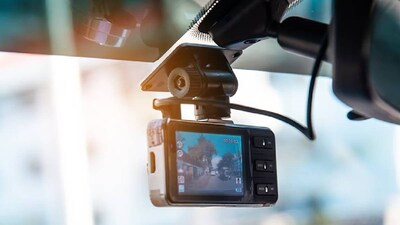
A dash cam is a small camera that mounts to your car’s dashboard or windshield. It records video and sometimes audio while you drive. These devices are like having a silent witness that documents every mile you travel.
Why do you need one? Imagine being able to prove your innocence in a traffic accident or catch unexpected events on the road. Dash cams provide peace of mind, knowing that your driving journey is being recorded.
Common Features
Most dash cams come with a variety of features designed to enhance their functionality:
- Loop Recording:This feature allows the camera to continuously record over old footage, ensuring you always have space for new recordings.
- Wide-Angle Lens:Capture a broader view of the road, including multiple lanes and surrounding areas.
- Night Vision:Ensure clear recording quality even in low-light conditions.
- G-Sensor:Automatically saves footage when a sudden impact or collision is detected, preventing overwriting.
- Parking Mode:Some dash cams can record even when the car is off, providing surveillance while parked.
Have you ever thought about how these features could benefit you? Imagine coming back to your parked car with a dent and having video evidence of the incident. A dash cam with parking mode could save the day.
As you consider a dash cam, think about the features that best meet your needs. Whether you want basic recording or advanced options like GPS tracking, there’s a dash cam for every driver.
Power Sources For Dash Cams
Dash cams are essential for capturing on-road incidents. The power source for a dash cam is crucial. It determines when and how the dash cam operates. Understanding the power options helps in choosing the right setup.
Internal Battery Power
Some dash cams have built-in batteries. These allow for temporary use without the car’s power. Internal batteries provide limited recording time. They are ideal for short durations when the car is off. This option is convenient but not reliable for extended use. Battery life decreases over time, reducing effectiveness.
Hardwired Connections
Hardwired connections link the dash cam to the car’s electrical system. This setup provides continuous power. The dash cam can operate even when the car is off. It requires professional installation for optimal performance. Hardwiring ensures the dash cam activates with the car’s ignition. This option is preferred for constant surveillance and reliability.
Modes Of Operation
Dash cams have become essential for many drivers. They help capture important footage while driving. But do dash cams work only when the car is on? The answer depends on the mode of operation. Understanding these modes is crucial to know how your dash cam functions.
Standard Driving Mode
In Standard Driving Mode, the dash cam activates when the car starts. It records footage continuously. This mode captures everything during your drive. It stops recording when the car turns off. This helps in conserving battery life. Most dash cams use this mode by default.
Parking Mode
Parking Mode activates when the car is parked. It monitors the surroundings even if the engine is off. This mode records only when motion or impact is detected. It helps protect your car from damage or theft. Parking Mode uses a small amount of power. It ensures the dash cam doesn’t drain the car battery completely.
Credit: dashcamtalk.com
Activation Triggers
Dash cams are small cameras installed in vehicles. They record video footage while driving. But do they only work when the car is on? Many dash cams have clever activation triggers that allow them to function even when the vehicle is off. These triggers can help capture important incidents, providing vital evidence when needed.
Motion Detection
Motion detection is a key feature in modern dash cams. It senses movement around the vehicle. This technology activates the camera when it detects motion, ensuring security even when parked. It is useful in busy areas. It can capture footage of suspicious activities or hit-and-run incidents. Motion detection provides peace of mind.
Impact Sensors
Impact sensors are another important activation trigger. They detect sudden jolts or bumps. If a car is hit while parked, the dash cam turns on automatically. This ensures that any collision or vandalism is recorded. Impact sensors are crucial for gathering evidence. They can help in insurance claims or police reports. This feature is essential for vehicle safety.
Benefits Of Continuous Recording
Continuous recording offers safety and security by capturing events even when the car is off. It ensures critical moments aren’t missed, providing evidence in case of theft or vandalism.
The benefits of continuous recording with dash cams are numerous and impactful. These small devices can significantly enhance your driving experience by offering peace of mind and vital evidence when needed. Whether you’re concerned about security, or you want to ensure that you have proof in case of an accident, continuous recording can be a game-changer for you.Security Enhancement
Imagine parking your car in a busy city area or a dimly lit street. You might worry about potential vandalism or theft. With a dash cam that records continuously, you have an extra layer of security watching over your vehicle. This constant surveillance acts as a deterrent to would-be criminals who might think twice before targeting your car. Moreover, if an incident does occur, you have valuable footage that can help law enforcement identify and apprehend suspects. In today’s world, where vehicle-related crimes are not uncommon, having this added security can provide much-needed reassurance.Accident Evidence
Accidents can happen at any time, often when you least expect them. With continuous recording, your dash cam captures every moment, ensuring you have a comprehensive record of any incident. This footage can be crucial in resolving disputes with insurance companies or in court, providing clear evidence of what truly happened. It’s like having an impartial witness on your side, ready to present the facts. Consider how this could alleviate stress after an accident. Instead of worrying about proving what occurred, you can focus on your recovery and the steps needed to get back on the road.Challenges With Continuous Recording
Many dash cams only record when the car is on, posing challenges for continuous recording. These challenges include missed incidents and limited evidence. Advanced models offer options for recording even when the car is off, but they might drain the vehicle’s battery.
Continuous recording with dash cams presents unique challenges. Many drivers worry about the implications on their vehicle and the device itself. These concerns revolve around power usage and storage capacity. Understanding these challenges can help make informed decisions.Power Drain Concerns
Dash cams often use the car’s battery for power. Keeping them on continuously can drain the battery quickly. This might lead to starting issues, especially with older batteries. Some dash cams have low-power modes. These modes aim to reduce battery consumption but may not be available on all models. It’s essential to balance recording needs with battery health.Storage Limitations
Dash cams store footage on memory cards. Continuous recording can fill up storage rapidly. This leads to potential overwriting of important videos. Many dash cams overwrite old footage automatically. This ensures space for new recordings but risks losing crucial evidence. Choosing a cam with large storage capacity can mitigate this risk. Regular checks and backups help preserve valuable footage.User Preferences And Customization
Dash cams offer flexibility through user preferences and customization. Drivers can tailor settings to fit their needs. This ensures optimal performance and convenience. The ability to adjust settings and select the right model are key factors.
Adjusting Settings
Most dash cams come with adjustable settings. Users can set recording quality based on storage capacity. Adjusting the loop recording feature is also possible. This allows continuous recording without running out of space. Some models let users decide if the camera records only while driving. This reduces unnecessary footage.
Users can configure the motion detection setting. This enables the cam to record movement around the parked car. These settings can be modified via the camera’s interface or a connected app. Brightness and exposure settings can be adjusted too. This ensures clear footage in varying light conditions.
Selecting The Right Model
Choosing the right dash cam model is crucial. Some models provide features that others lack. Budget-friendly options may have fewer customization features. High-end models offer advanced settings and better quality.
Consider the ease of use. Some models have touchscreen controls. Others use physical buttons. Look for models with user-friendly apps for remote control. Check compatibility with your vehicle’s power source. Some cams can operate even when the car is off. This depends on the model and installation method.
Explore models with built-in GPS and Wi-Fi. These features offer added convenience. Selecting the right model requires balancing features and price. Always read reviews and compare models before making a choice.
Legal Considerations
Dash cams are popular for recording driving incidents, but their operation involves legal considerations. These devices can capture sensitive information, raising questions about privacy and usage regulations. Understanding these legal aspects is crucial for responsible dash cam use.
Privacy Laws
Privacy laws vary by country and region. Dash cam users must be aware of recording restrictions. In some areas, recording audio or video without consent is illegal. Drivers should familiarize themselves with local laws to avoid legal issues.
Usage Regulations
Dash cams may have specific usage regulations. Some places restrict dash cam placement to avoid obstructing views. Legal guidelines often dictate how recordings can be used. Violating these rules can lead to penalties or fines.
Credit: www.news18.com
Frequently Asked Questions
Do Dash Cams Work When Car Is Off?
Yes, dash cams can work when the car is off. Many models have a parking mode feature. This mode uses the car battery or a separate power source. It records motion or impacts even when the car is stationary. Ensure your dash cam is compatible and properly installed for this feature.
How Are Dash Cams Powered In Parking Mode?
Dash cams in parking mode are usually powered by the car’s battery. Some models have an external battery pack. Alternatively, a hardwire kit can be installed. This kit ensures the dash cam remains operational without draining the car battery excessively.
Always check the manufacturer’s instructions for proper setup.
Can Dash Cams Drain Car Battery?
Yes, dash cams can drain your car battery, especially in parking mode. If left running continuously, they use the battery’s power. To avoid drainage, use models with low power consumption. Alternatively, install a hardwire kit with a battery-saving feature. It’s important to monitor battery levels regularly.
Is A Hardwire Kit Necessary For Dash Cams?
A hardwire kit is not always necessary, but it can be beneficial. It ensures constant power supply even when the car is off. This is essential for parking mode. Kits often have voltage cut-off features to protect the car battery.
Consider your dash cam’s requirements before installation.
Conclusion
Dash cams often provide peace of mind. They record while driving, offering security. Some models activate when the car is off. This feature helps capture incidents anytime. Regular checks ensure proper functioning. Quality footage aids in insurance claims. Consider power sources for uninterrupted recording.
Battery, capacitor, or hardwire options exist. Choose based on your needs. Dash cam settings vary; adjust for optimal performance. Reliable dash cams offer valuable protection. Consider investing in one for safety. Stay informed about your dash cam’s capabilities. Keep it maintained for best results.
Your safety matters every mile.