
Have you ever wondered if your dash cam keeps recording when your car is parked and the engine is off? It’s a question that might have crossed your mind, especially if you’re concerned about safety or curious about how these devices work.
Understanding the functionality of dash cams is crucial for getting the most out of your investment. Imagine the peace of mind knowing that your car is always under watchful eyes, even when you’re not around. This article will uncover whether your dash cam remains active during downtime, helping you make informed choices about your vehicle’s security.
We’ll delve into the nitty-gritty details, ensuring you’re equipped with all the knowledge you need. So, fasten your seatbelt and get ready to explore the world of dash cam technology.
Dash Cam Basics
Understanding the basics of dash cams can be your first step towards safer and more informed driving. These compact devices are designed to record your journey, providing valuable evidence in case of accidents or disputes. But have you ever wondered what happens to your dash cam when your car is off? Let’s dive into the core principles of how dash cams operate.
What Is A Dash Cam?
A dash cam, or dashboard camera, is a small camera mounted on your vehicle’s dashboard or windshield. It continuously records the view through a car’s front windscreen and sometimes rear or other windows. Dash cams are invaluable for capturing road incidents, helping you provide evidence if needed.
How Do Dash Cams Get Power?
Most dash cams draw power from your car’s electrical system. They are typically plugged into the cigarette lighter socket or hardwired into your vehicle’s fuse box. This setup ensures that the camera starts recording as soon as you start your car.
Do Dash Cams Turn Off With The Car?
In general, dash cams stop recording when you turn off your car. This is because they lose their power source, which is the car’s battery. However, some models come with built-in batteries or capacitors that allow them to continue recording for a short period.
What Are Parking Mode Features?
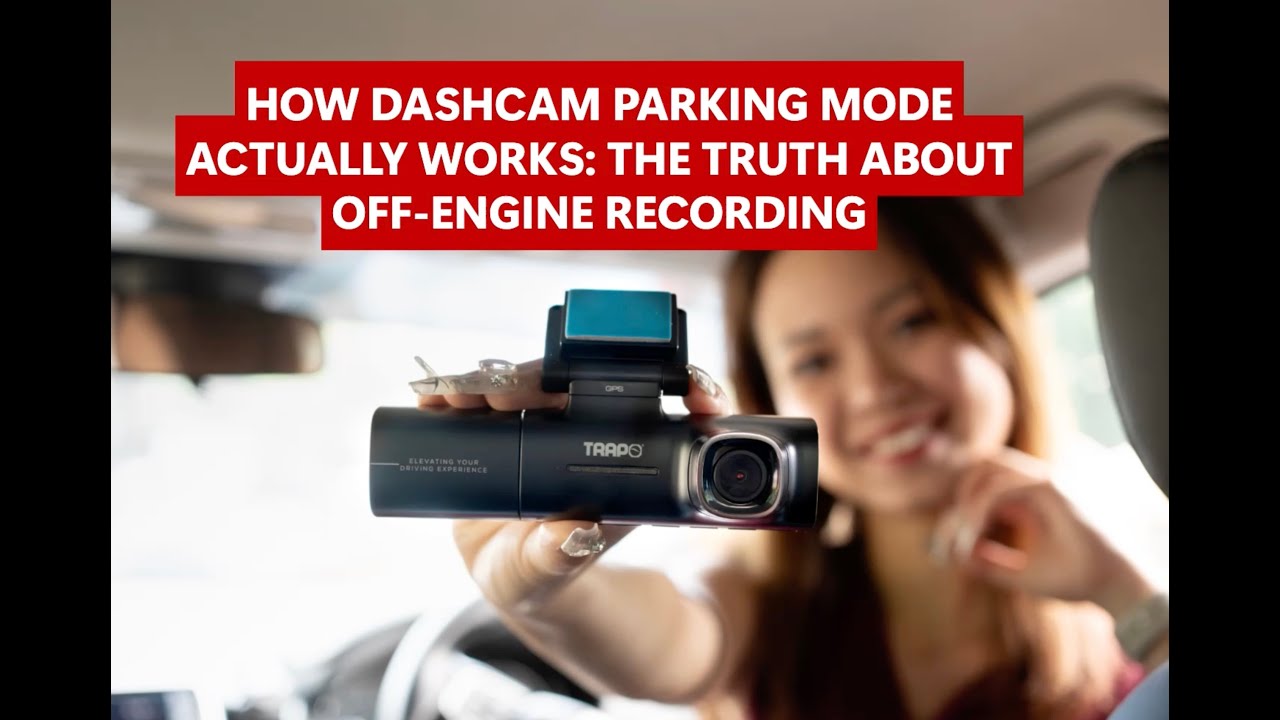
Some advanced dash cams offer a parking mode feature. This allows the camera to record even when the car is off, usually by drawing minimal power from the car’s battery. Parking mode can be crucial for capturing hit-and-run incidents or vandalism when your car is parked.
Can You Keep Dash Cams On When The Car Is Off?
If you prefer continuous surveillance, you can hardwire your dash cam to the car’s battery. This method allows the dash cam to function even when the vehicle is turned off. However, it’s essential to ensure this setup doesn’t drain your car’s battery excessively.
Understanding these basics not only helps you get the most out of your dash cam but also ensures you’re prepared for unexpected situations. Have you considered the benefits of a dash cam with parking mode for your peace of mind?
Credit: www.youtube.com
Power Sources For Dash Cams
Dash cams are essential for capturing road incidents. Yet, many wonder if they stay on when the car is off. This depends on their power source. Different dash cams have various ways to get power.
Battery-powered Dash Cams
Battery-powered dash cams have their own power supply. They do not need the car to be on. They can continue recording after the car is off. This is useful for parking surveillance. But, their batteries can run out quickly. They need regular charging to stay effective.
Wired Dash Cams
Wired dash cams draw power from the car’s electrical system. They usually turn off with the car. This conserves the car’s battery. Some have a parking mode feature. This allows them to record even when the car is off. They need a special wiring setup for this feature. This setup ensures the car battery does not drain.
Operation Modes Of Dash Cams
Dash cams have become essential for many drivers. Understanding their operation modes helps maximize their benefits. While the car is off, dash cams might still record. Different modes determine how they function. Below, we explore the main operation modes.
Continuous Recording
Continuous recording is a popular mode. The dash cam records as long as it’s powered. It captures every moment on the road. This mode is useful for long trips. It ensures nothing is missed. The downside? It requires a constant power source. Often, the car battery powers it. Some setups use external batteries or power banks. It’s ideal for capturing unexpected events.
Parking Mode
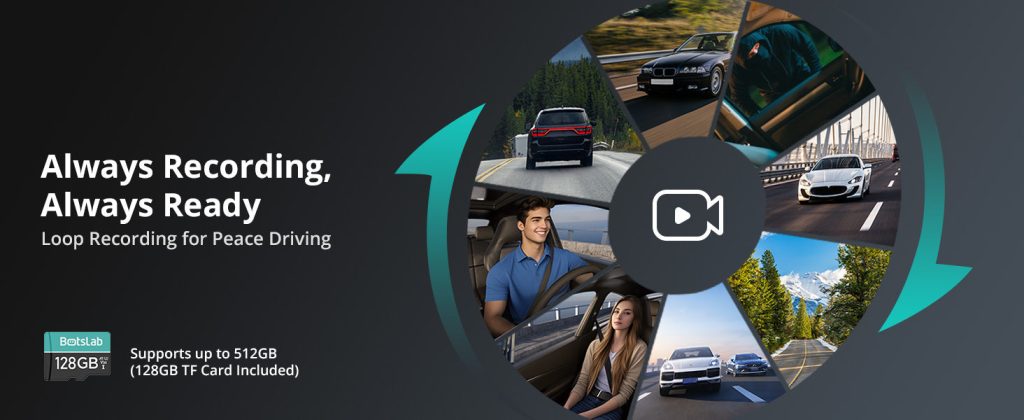
Parking mode activates when the car is off. It monitors surroundings while parked. The cam turns on if motion is detected. This mode protects against theft and vandalism. It saves power by not recording constantly. Most dash cams switch to parking mode automatically. Some cams need manual activation. Parking mode is invaluable in busy areas. It offers peace of mind when away from your car.

Credit: www.redtigercam.com
Impact Of Vehicle Power State
The state of your vehicle’s power significantly impacts the functionality of dash cams. You might wonder, do dash cams turn off when your car does? The answer depends on the type of dash cam and how it’s powered. Understanding this can help you decide on the best dash cam setup for your needs.
Effect On Wired Dash Cams
Wired dash cams typically rely on the vehicle’s electrical system to function. When the car is off, these cams may stop recording unless your vehicle has a constant power supply. This feature is often found in newer car models, keeping the dash cam operational even when the car is parked.
If your vehicle lacks this feature, consider installing a hardwire kit. This kit connects the dash cam directly to the car battery, enabling continuous monitoring. However, you should weigh the benefits of constant surveillance against potential battery drain.
Battery Drain Considerations
Running a dash cam continuously can lead to battery drain, which is a common concern for many drivers. While a hardwired dash cam offers round-the-clock recording, it can slowly deplete your car’s battery if not managed properly.
To mitigate this, some dash cams come with built-in voltage cutoff devices. These devices automatically shut off the dash cam when the battery voltage drops below a certain level, preventing complete battery drain. Would you want to risk a drained battery just to capture every moment?
Alternatively, portable dash cams with internal batteries are a safer option for ensuring your car’s battery remains intact. However, they often have limited recording time, so balancing between battery life and recording needs is crucial.
Ultimately, your choice should align with your driving habits and security needs. Are you willing to invest in technology that ensures your dash cam remains active without compromising your car’s battery life?
Parking Mode Features
Dash cams often stay active even when the car is off, thanks to parking mode features. These features provide continuous surveillance, capturing any incidents that occur while your vehicle is parked. Parking mode ensures security by recording events like collisions and theft attempts.
Imagine this: You’ve parked your car on a bustling street, and you’re unsure if it’s safe. This is where the parking mode features of a dash cam step in. These features ensure your vehicle is under constant surveillance, even when the engine is off. They provide peace of mind by offering continuous protection and evidence in case of any mishaps.Motion Detection
Motion detection is one of the standout features in parking mode. It allows the dash cam to record automatically when movement is detected around your car. So, if someone is lurking suspiciously or a vehicle gets too close, you’ll have it on record. It’s like having an extra set of eyes when you’re not around. Just imagine how useful this could be in crowded parking lots or narrow streets.Impact Detection
Impact detection is another crucial feature that ensures your car’s safety. It activates the dash cam when it senses a physical impact. Whether it’s a minor bump or a significant hit, the camera springs into action. Have you ever returned to your car only to find a fresh dent with no note in sight? With impact detection, you could capture the culprit or at least the incident. This feature can be a game-changer when it comes to insurance claims. Parking mode features are essential for anyone who values their vehicle’s safety. Have you considered how these features might benefit you in your daily driving routine?Choosing The Right Dash Cam
Choosing the right dash cam involves understanding its power settings. Some dash cams turn off with the car, while others have parking modes. These modes allow recording when the car is off, offering extra security. Consider your needs and vehicle compatibility before deciding.
Choosing the right dash cam can seem overwhelming. There are many options available. A good dash cam records high-quality video and is easy to use. It provides peace of mind on the road. Let’s explore what to look for in a dash cam.Features To Consider
A dash cam should have clear video quality. Look for at least 1080p resolution. Night vision is important for recording in low light. A wide-angle lens captures more of the road. GPS tracking adds location data to your videos. Some dash cams offer Wi-Fi connectivity. This allows for easy video transfers to your phone. Loop recording ensures continuous recording by overwriting old footage. Parking mode can monitor your car when it is parked.Installation Tips
Install the dash cam on the windshield for a clear view. Use adhesive mounts for stability. Plug the dash cam into the car’s power outlet. Some models can connect directly to the car battery. Tuck the cables neatly along the edges. Avoid obstructing the driver’s view. Test the camera angle before finalizing the setup. Ensure it captures both the road and car interior. Regularly check the camera’s position and functionality.Legal Considerations
Dash cams are popular tools for documenting driving experiences. But their operation raises legal concerns. Understanding the legal considerations is crucial when using a dash cam. These considerations involve privacy laws and specific dash cam regulations.
Privacy Laws
Privacy laws vary across regions and countries. Some areas have strict rules about recording others without consent. In many places, recording inside your car is usually fine. But capturing conversations without consent can be problematic. It’s essential to know the local privacy laws before using a dash cam. This ensures you respect others’ privacy while using your device.
Dash Cam Regulations
Dash cam regulations differ by location. Some countries require dash cams to meet specific standards. Others have restrictions on where you can place the device. Improper placement might obstruct your view, leading to fines. Always check local regulations to avoid legal issues. Knowing these rules helps you use dash cams responsibly and legally.
Pros And Cons Of Dash Cam Usage
Dash cams have become increasingly popular among drivers, offering a sense of security and accountability on the road. While they provide numerous benefits, there are also drawbacks to consider. Understanding the pros and cons of dash cam usage can help you decide whether investing in this technology is the right choice for your vehicle.
Pros Of Dash Cam Usage
- Evidence in Accidents:Dash cams can provide clear footage of incidents, offering crucial evidence in disputes. This can be particularly useful when you need to prove your innocence or identify the responsible party.
- Monitoring Driving Behavior:You can use dash cams to monitor driving habits, both yours and others. This is especially beneficial for parents keeping an eye on new drivers in the family.
- Protection Against Fraud:With a dash cam, you can protect yourself from insurance fraud. It’s not uncommon for people to stage accidents; dash cams help deter such deceitful practices.
Cons Of Dash Cam Usage
- Privacy Concerns:Dash cams record everything, which can lead to privacy issues. You must be mindful of laws regarding recording in public spaces and the privacy of other individuals.
- Potential Distraction:Dash cams can become a distraction if you constantly check footage while driving. It’s crucial to ensure it doesn’t interfere with your focus on the road.
- Data Management:Managing and storing dash cam footage can be cumbersome. Consider where you will store these videos and how you’ll organize them.
Have you ever wondered how much a dash cam could impact your daily drive? On one hand, it offers peace of mind; on the other, it demands thoughtful consideration about privacy and data handling. Are the benefits worth the potential drawbacks?

Credit: global.botslab.com
Frequently Asked Questions
Do Dash Cams Work When The Car Is Off?
Most dash cams turn off when the car is off. However, some models have parking mode, which allows recording while parked. This feature uses the car battery or a separate power source. Check your dash cam’s specifications to see if it supports this mode for added security when parked.
How Do Dash Cams Get Power When Car Is Off?
Dash cams in parking mode use car battery power or an external battery pack. Some models connect directly to the car’s battery, while others use a dedicated power kit. Ensure your dash cam has low-power consumption features to prevent draining the car battery when parked for extended periods.
Can Dash Cams Drain My Car Battery?
Dash cams can drain the car battery if left on continuously. Models with parking mode are designed to minimize power consumption. However, it’s essential to check your dash cam settings. Consider using a battery pack or hardwiring with a voltage cutoff feature to prevent battery depletion.
Should I Use Parking Mode On My Dash Cam?
Parking mode provides added security by recording incidents while your car is parked. It’s useful in busy areas or if vandalism is a concern. Ensure your dash cam supports parking mode and has efficient power management. Regularly check recordings for important events and adjust settings as needed.
Conclusion
Dash cams can save important footage. Many dash cams turn off with the car. Yet, some models keep recording. How does it work? Through a built-in battery or a special wire. This feature is useful for parking surveillance. Consider your needs before buying a dash cam.
Check the specifications carefully. Different models offer different features. Choose what suits you best. This ensures peace of mind and safety on the road. Always stay informed about your dash cam’s capabilities. You never know when you might need that extra footage.