
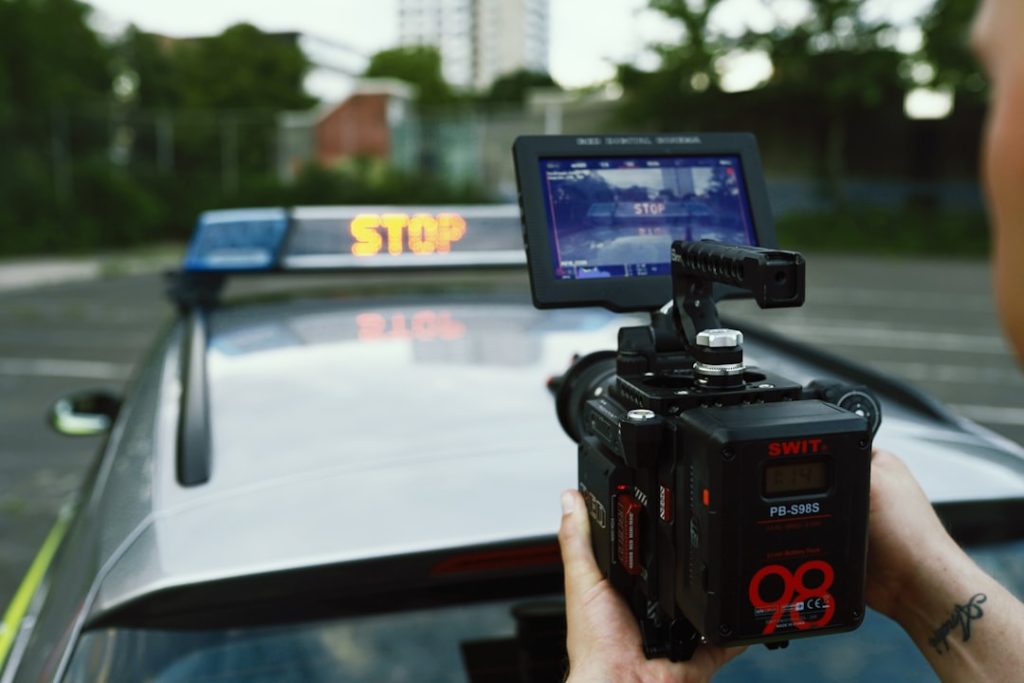
Have you ever wondered what happens inside a cop car when it’s not speeding down the highway with sirens blaring? You might be surprised to learn that the dash cam in a police car is a silent observer, capturing every moment of a patrol officer’s day.
But is it always recording, ready to capture every detail of a cop’s shift? This question might make you curious, especially if you’ve ever had a run-in with law enforcement or simply have an interest in how police work is monitored.
Understanding how these cameras operate can give you insight into their role in safety, accountability, and transparency. Keep reading, because the truth about cop car dash cams is more intriguing than you might think, and it might just change your perspective on policing.
Cop Car Dash Cam Basics
Have you ever wondered about the technology inside cop cars that help keep our roads safe? Dash cams are a crucial tool for law enforcement, capturing video evidence that can be essential in investigations. But what exactly are they, and how do they operate?
Purpose Of Dash Cams
Dash cams in police vehicles serve multiple purposes. They provide video evidence that can be vital in court cases, protecting both officers and the public. This footage can also help clarify incidents, whether it’s a traffic stop or a high-speed chase. Additionally, dash cams can be used for training purposes, allowing officers to review their actions and improve their performance. Imagine having the ability to replay a scenario and learn from it—it’s like having a second chance to get things right.
Types Of Dash Cams
Police dash cams come in various types, each with its unique features. Some are basic, offering simple video recording capabilities. Others are more advanced, equipped with GPS tracking, night vision, and even live streaming options. These features can make a significant difference in how effective the dash cam is during different scenarios. Have you ever thought about what kind of dash cam would be most effective for capturing evidence in a busy city versus a quiet rural road?
Ultimately, the choice of dash cam can impact the quality of the evidence collected. Whether you’re considering the benefits of a basic model or the enhanced features of a high-tech version, it’s essential to understand the needs of the specific environment and situation.
Operation Of Dash Cams
Cop car dash cams are often recording continuously. These devices capture real-time footage to ensure accountability and transparency during police operations. The constant operation helps document incidents, providing valuable evidence when needed.
Understanding the operation of dash cams in police vehicles can be fascinating. These devices play a crucial role in maintaining transparency and accountability in law enforcement. As you delve into the technical aspects, you might wonder how these cameras work, how they record, and what triggers their activation. Let’s explore these components in detail.Recording Modes
Dash cams in police cars often feature different recording modes to suit various situations. Some cameras continuously record, capturing everything from routine patrols to unexpected events. This mode ensures there’s always footage available, which can be vital in investigations. Others might operate in loop recording mode, where the camera overwrites the oldest footage once the storage is full. This prevents the need for constant manual management of recordings. Have you ever considered how much data these cameras handle daily?Activation Triggers
Activation triggers are key to ensuring that the dash cam captures essential moments. Most police dash cams are equipped with motion or event triggers. These can include turning on the siren, activating emergency lights, or sudden changes in speed. Some systems also allow manual activation by the officer, providing flexibility in recording specific incidents. Imagine witnessing an unexpected event—wouldn’t it be reassuring to know that the dash cam is ready to capture it?Privacy And Legal Implications
Cop car dash cams serve many purposes. They enhance officer safety and gather evidence. Their constant operation raises privacy concerns. Understanding the implications is crucial.
Laws Governing Usage
Dash cams are subject to various laws. Local and state regulations differ. Some states require consent for recording. Officers must comply with these legal standards. Failure to do so can lead to legal issues.
Public And Officer Privacy
Recording affects privacy rights. Citizens may not know they’re being recorded. Public areas typically allow recording. Private spaces may require consent. Officers’ privacy is also a concern. They’re recorded during personal moments. Policies should balance transparency and privacy.
Technology And Features
Police car dash cams use advanced technology to ensure safety and accountability. They are equipped with features that provide continuous monitoring and efficient data management. This technology aids officers in capturing real-time events and storing vital information securely.
Real-time Monitoring
Dash cams in police cars often record continuously. This provides a live feed of activities both inside and outside the vehicle. Real-time monitoring helps officers by capturing evidence during traffic stops or emergencies. Some systems include night vision to record clear footage even in low light. This ensures that all incidents are documented accurately.
Data Storage Solutions
Efficient data storage is crucial for dash cams. Most systems use cloud storage to save large amounts of video footage securely. This allows for easy access and retrieval of data when needed. Some dash cams have built-in memory cards as an additional storage option. Encryption is often used to protect sensitive information from unauthorized access. This ensures that all data remains confidential and safe.
Reliability And Limitations
Understanding the reliability and limitations of cop car dash cams is important. These devices are crucial for law enforcement but have challenges. Their performance is not always flawless. Several factors impact how well they work. Let’s explore these aspects in detail.
Technical Challenges
Dash cams in cop cars face various technical issues. One common problem is battery life. Continuous recording drains power quickly. This can lead to gaps in footage. Another challenge is storage capacity. High-resolution videos need lots of space. Limited storage means old footage might be overwritten.
Weather conditions also affect reliability. Extreme temperatures can damage the camera. In cold climates, battery performance drops. In hot weather, overheating can occur. Technical glitches like software bugs can disrupt recording. Regular updates are essential to ensure smooth operation.
Situational Constraints
Not every situation allows dash cams to run smoothly. Sometimes, officers may turn them off for privacy reasons. If sensitive information is discussed, cameras might be paused. Technical malfunctions can also cause unexpected stops.
Physical obstructions can limit recording quality. If an object blocks the camera, footage might be unclear. Lighting conditions are another constraint. Poor lighting can result in grainy videos. Nighttime recording often lacks clarity. These situational constraints show the limitations of dash cams.
Impact On Law Enforcement
The use of dash cams in cop cars has significantly transformed the landscape of law enforcement. These devices, often thought to be constantly recording, have myriad effects on police operations and public interactions. They serve as silent witnesses, capturing moments that might otherwise be lost, and bringing both benefits and challenges to the forefront.
Enhanced Accountability
Dash cams play a crucial role in enhancing accountability within law enforcement. They provide an unbiased record of police encounters, which can be reviewed in cases of disputes or complaints. This transparency helps build public trust, ensuring that officers adhere to protocols and regulations.
Imagine a scenario where a routine traffic stop escalates unexpectedly. With dash cams, every detail is documented, offering clarity in investigations. This can lead to more informed decisions during legal proceedings, benefiting both the public and officers involved.
Do you believe dash cams can change perceptions of police work? They certainly have the potential to reshape narratives, focusing on facts rather than assumptions.
Officer Safety
Officer safety is another significant impact of having dash cams active. These devices can deter aggressive behavior from individuals who know their actions are being recorded. This awareness can lead to safer interactions and reduce the likelihood of confrontations.
Consider the peace of mind an officer might feel knowing there’s an extra layer of security watching over them. This assurance can lead to more confident decision-making in tense situations.
Yet, do dash cams always offer protection? While they can capture critical evidence, they also highlight the need for constant vigilance and preparedness in the field.
Ultimately, as you reflect on the implications of dash cams, it’s clear that their presence in police vehicles is more than just a technological upgrade. They are a pivotal tool in shaping modern law enforcement practices, impacting both accountability and safety on the streets.
Public Perception
Public perception of police dash cams is a topic that stirs a lot of debate. People often wonder if these devices are always recording, and what that means for transparency and accountability. While some view dash cams as a tool to build trust, others have concerns about privacy and the potential misuse of recorded footage.
Trust In Law Enforcement
Dash cams can be a powerful tool for building trust between the public and law enforcement. By providing an objective record of interactions, they can help clear up misunderstandings and disputes. Many people feel more secure knowing that there is a record that can be reviewed.
For instance, you might have heard stories where dash cam footage proved crucial in investigations or during court proceedings. This transparency is reassuring for many, as it holds officers accountable for their actions.
Concerns And Criticisms
However, not everyone is convinced that dash cams always serve the public interest. Concerns about privacy are prevalent, especially when footage is released without consent. You might wonder how often these cameras are on and who controls what they record.
Critics also question if dash cams can sometimes be turned off or not capture the full context of an event. Are the recordings edited or selectively released? These questions linger in the minds of many, highlighting the need for clear policies and communication regarding the use of dash cams.
Future Of Dash Cams In Policing
Cop car dash cams are not always running, often activated during traffic stops or emergencies. Continuous recording raises privacy concerns and storage challenges. Balancing transparency with operational needs is crucial for future police dash cam use.
The future of dash cams in policing is a topic that’s rapidly gaining attention. With technology advancing at breakneck speed, these devices are evolving from basic recording tools to sophisticated systems. They promise to enhance transparency, accountability, and safety in law enforcement.Technological Advancements
Imagine a world where dash cams do more than just record video. Artificial Intelligence (AI) is starting to play a crucial role in this transformation. AI-powered dash cams can automatically detect unusual activities and alert officers in real-time. These smart systems can also integrate with other technologies. Think of a dash cam that can communicate with body cameras and drones, offering a comprehensive view of an incident. This level of integration could redefine how evidence is collected and analyzed. Additionally, cloud storage is becoming the norm. It provides a secure and scalable way to store vast amounts of data. This change not only ensures data safety but also makes it more accessible for legal processes.Policy Developments
The policies governing the use of dash cams are evolving too. Many departments are now mandating continuous recording to avoid any gaps in evidence. This change comes from the demand for greater accountability and transparency. But continuous recording raises privacy concerns. How do you balance the need for oversight with the rights of individuals? Policymakers are tackling these questions, creating guidelines that respect both public safety and personal privacy. Public access to footage is another hot topic. Should citizens have the right to request dash cam footage? As these discussions continue, it’s clear that policies will need to adapt to keep pace with technological advancements. As you consider these changes, think about how they might impact your community. Will these advancements lead to better policing, or are there potential downsides? Your insights and questions can help shape the conversation around the future of dash cams in policing.Frequently Asked Questions
Are Police Dash Cams Recording All The Time?
Most police dash cams are continuously recording while the vehicle is in operation. However, some systems only save footage when triggered by specific events. This ensures critical incidents are documented while conserving storage space for routine driving footage.
Do Dash Cams Activate During Emergencies?
Yes, dash cams often activate during emergencies. They are designed to automatically record when lights or sirens are activated. This ensures that all critical events are captured for legal and training purposes.
Can Officers Manually Stop Dash Cam Recording?
Officers generally cannot manually stop recording on dash cams. This feature ensures transparency and accountability during interactions. Some systems, however, allow brief pauses for privacy during non-public events, with strict protocols.
How Long Is Dash Cam Footage Stored?
Dash cam footage storage duration varies by jurisdiction and department policy. Typically, footage is retained for 30 to 90 days unless flagged. Important incidents may require longer storage for legal investigations or court proceedings.
Conclusion
Understanding cop car dash cams is important. They often record continuously for safety. These recordings help ensure accountability. Police rely on them for evidence. Not all dash cams run constantly. It depends on the department’s policies. Some turn off during specific situations.
Technology and privacy concerns play a role. Knowing this helps citizens understand their use. Dash cams support transparency. They build trust between police and communities. Stay informed about your local practices. Awareness is key for mutual respect and safety. Remember, these devices aim to protect and serve everyone.