
Have you ever driven your car through a car wash and wondered if it might be harming your car’s paint? You’re not alone.
Many drivers like you are concerned about maintaining their car’s appearance without compromising its integrity. The truth is, while car washes can be convenient, they might not always be the best option for preserving your car’s vibrant shine. Some can cause scratches or dull your paint over time.
You’ll discover how different types of car washes affect your car’s paint, and you’ll learn practical tips for keeping your vehicle looking its best. Stay with us to find out how to make informed choices that protect your investment and keep your car turning heads for all the right reasons.

Credit: www.carwash.com
Types Of Car Washes
Choosing the right car wash can impact your car’s paint. Different types of car washes offer various benefits and potential risks. Understanding each type helps in maintaining your vehicle’s shine and longevity.
Automatic Car Washes
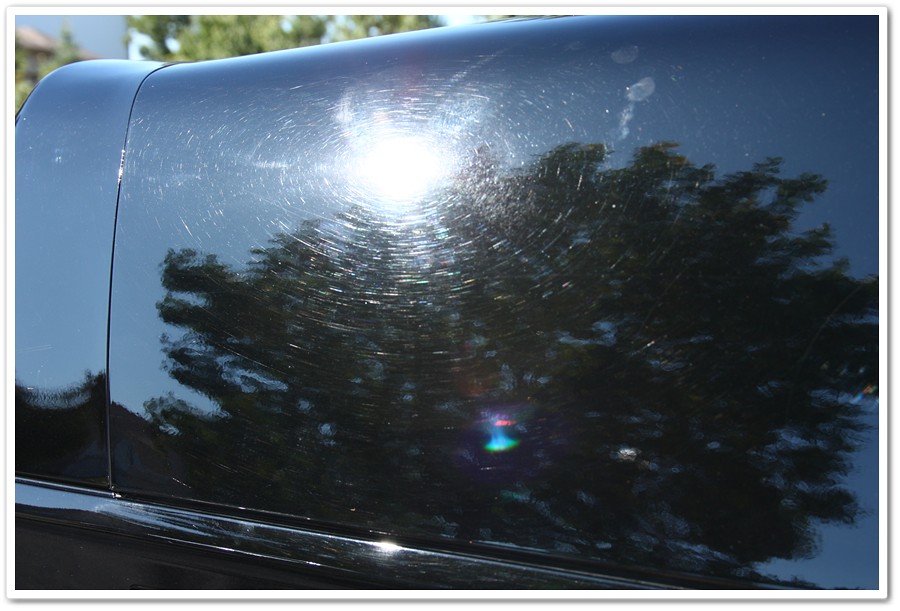
Automatic car washes are convenient and quick. They use rotating brushes and water jets. These may cause scratches or swirl marks on your paint. Over time, repeated use might dull the finish. It’s an affordable choice but not always gentle on the paint.
Hand Washes
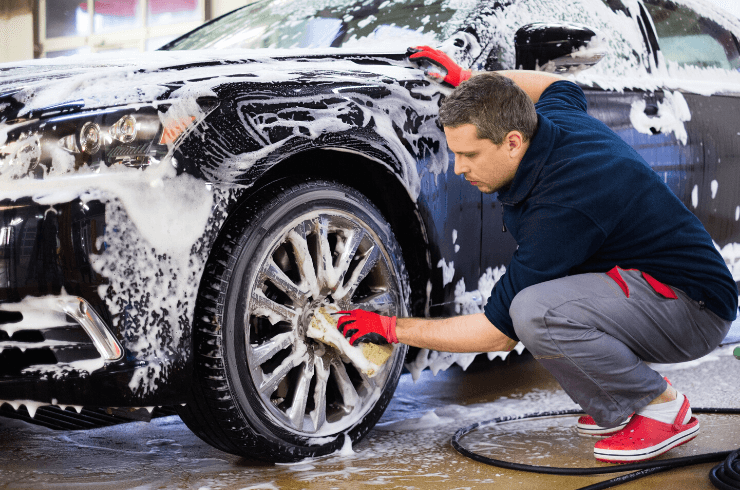
Hand washes are more thorough and personalized. A person manually cleans every part of your car. This method reduces the risk of scratches. It ensures dirt and grime are removed gently. Hand washes usually take longer and cost more. But, they offer a safer option for paint protection.
Touchless Car Washes
Touchless car washes use high-pressure water and detergents. No brushes touch the car’s surface. This minimizes the risk of scratches. They are faster than hand washes and kinder to the paint. This method might not clean stubborn dirt thoroughly. It’s a balance between safety and effectiveness.
Credit: www.washdoctors.co.uk
Effects On Car Paint
Car washes are essential for maintaining a vehicle’s appearance. Yet, they can affect car paint in various ways. Understanding these effects helps in making informed choices.
Scratches And Abrasions
Automatic car washes often use brushes to clean vehicles. These brushes can be abrasive. They may leave small scratches on the paint surface. Over time, these scratches accumulate. They dull the car’s shine. Hand washing with soft materials is gentler. It reduces the risk of scratches.
Chemical Damage
Many car washes use strong detergents. These chemicals remove dirt effectively. But they can also harm the paint. Overuse may lead to fading or discoloration. Choosing a car wash with milder detergents is safer. It preserves the paint’s original color.
Wax And Sealant Stripping
Cars often have protective layers of wax or sealant. These layers guard the paint against environmental damage. Some car washes strip these layers away. High-pressure water jets are a common culprit. Without these protections, paint becomes vulnerable. Regularly reapplying wax or sealant is advisable.
Common Myths
When it comes to maintaining your car’s shine, car washes are a common go-to solution. But, are they secretly damaging your car’s paint? Let’s unravel some of the most common myths surrounding car washes and their impact on your vehicle’s exterior.
Automatic Washes Always Damage Paint
Many people believe that automatic car washes will inevitably scratch and damage your car’s paint. While it’s true that older automatic washes with harsh brushes can be rough, modern car washes have updated their technology. Many now use soft cloths and foam that are gentler on your car’s surface.
However, not all automatic washes are created equal. It’s important to choose a reputable place that maintains its equipment. You can even ask the staff about the materials they use to ensure your car is in safe hands.
Hand Washes Are Completely Safe
Hand washing is often seen as the safest option for your car’s paint. But did you know that improper hand washing can cause more harm than good? Using the wrong type of cloth or sponge, or not rinsing off dirt properly can lead to scratches.
Always use a microfiber cloth and two buckets—one for soapy water and one for rinsing. This reduces the risk of rubbing dirt back onto your car’s surface. So, while hand washing can be safe, it requires careful attention to detail.
Touchless Washes Are Harmless
Touchless car washes might seem like the perfect solution because they don’t physically touch your car. But, are they truly harmless? While they minimize the risk of scratches, they rely heavily on chemicals to clean your car.
These chemicals can sometimes be too harsh and might strip away protective wax layers. It’s wise to read reviews or ask about the chemicals used at your local touchless wash. Always ensure they are gentle yet effective for your car’s finish.
So, which car wash method do you trust most with your car’s paint? Consider the options and make an informed decision to keep your car looking its best.
Proper Car Wash Techniques
Are Car Washes Bad for Your Car Paint Frequent car washes might harm your car’s paint if not done properly. Avoid using harsh brushes and strong detergents. Opt for gentle, microfiber cloths and pH-balanced soaps to protect the finish.
Proper car wash techniques can significantly extend the life of your car’s paint job. Many people unknowingly damage their paint by using improper washing methods. By adopting the right techniques, you can keep your car looking shiny and new without the risk of scratches or fading.Using Microfiber Cloths
Microfiber cloths are essential for a scratch-free wash. Unlike traditional towels, microfiber is soft and gentle on paint, reducing the risk of damage. I once swapped my old cloth for microfiber, and the difference in shine was immediately noticeable. Always keep a few clean cloths handy. This ensures you don’t drag dirt across the surface, which can cause scratches. Remember, the cleaner the cloth, the better the result.Appropriate Cleaning Products
Using the right cleaning products is crucial. Opt for car-specific soaps instead of household detergents, which can strip wax and damage paint. A friend of mine used dish soap once, thinking it was harmless—his paint job dulls more quickly now. Look for products labeled as pH balanced. These help maintain the paint’s integrity while effectively removing dirt and grime. Your car deserves specialized care, just like your skin.Rinsing And Drying Methods
Proper rinsing and drying can prevent water spots and streaks. Always rinse your car thoroughly before applying soap to remove loose debris. After washing, rinse again to ensure no soap residue remains. For drying, use a clean microfiber towel or a dedicated car dryer. Avoid air drying, as it can leave unsightly spots. How you finish your wash can make all the difference in the final shine. These techniques might seem simple, but they are the foundation of preserving your car’s paint. What small changes can you make today to protect your vehicle’s finish?Protective Measures
Frequent car washes can harm your car’s paint if not done properly. Harsh chemicals and abrasive brushes may cause scratches. Opt for soft cloth washes and mild detergents to protect your vehicle’s finish.
Protecting your car’s paint is crucial. Car washes can be abrasive. They may cause minor scratches or dull your car’s shine. But there are ways to shield your vehicle. These protective measures can help maintain its beauty and value.Applying Car Wax
Car wax acts as a barrier. It protects against dirt and UV rays. Applying wax regularly keeps your car shiny. It also prevents minor scratches. Choose a quality wax for the best results. Apply it every few months for optimal protection.Ceramic Coating Benefits
Ceramic coating offers long-term protection. It provides a stronger layer than wax. This coating repels water and dirt. It reduces the risk of paint damage. Ceramic coating lasts longer, often several years. It keeps your car looking new with less effort.Paint Protection Films
Paint protection films are a great choice. They shield your car from scratches and chips. These films are clear and almost invisible. They cover vulnerable areas like the hood and bumper. Professional installation ensures maximum coverage. Paint protection films can extend the life of your car’s paint.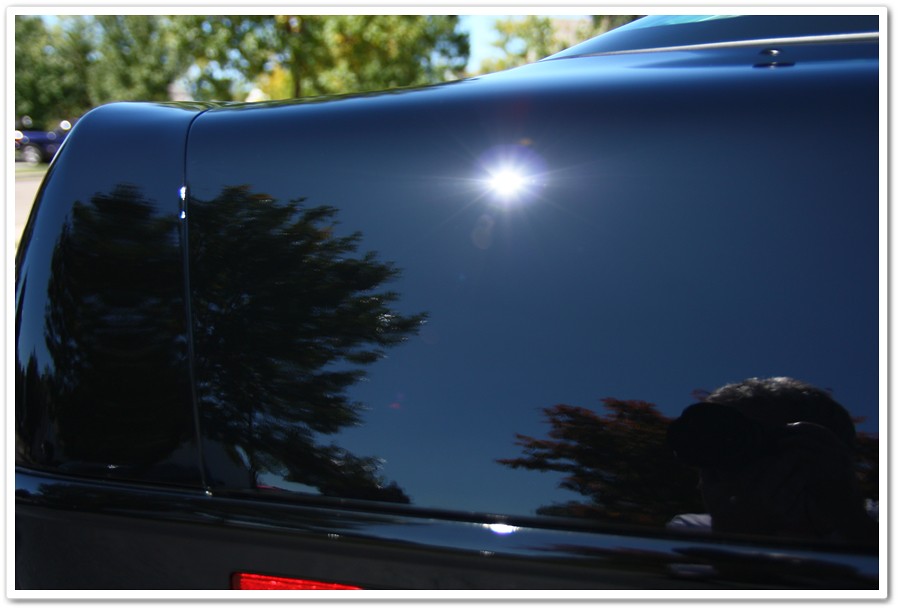
Credit: www.detailedimage.com
Choosing The Right Car Wash
Choosing the right car wash can make a significant difference in maintaining the shine and longevity of your car’s paint. With so many options available, from automated washes to hand washes, it can be overwhelming to decide which is best for your vehicle. Let’s break down some key considerations to help you make an informed choice.
Assessing Car Wash Facilities
When evaluating car wash facilities, pay attention to the equipment and techniques they use. A friend once told me about how she avoided a car wash that used harsh brushes, opting instead for one with microfiber cloths and touchless systems. Look for facilities that emphasize gentle cleaning methods to prevent scratches and swirl marks on your paint.
Consider visiting the facility beforehand to observe their process. Is the equipment well-maintained? Are the employees trained in proper washing techniques? These details can tell you a lot about how they treat your car.
Considering Environmental Impact
Car washes can have a significant environmental impact, so it’s important to choose one that uses eco-friendly practices. Some car washes recycle water, use biodegradable soaps, and implement energy-efficient systems. These practices not only help the planet but also reflect a facility’s commitment to quality.
Think about the impact of washing your car at home compared to a professional facility. Professional car washes typically use less water and treat their wastewater, reducing pollution. Supporting such facilities is a step towards more sustainable car care.
Balancing Cost And Quality
The cost of a car wash can vary greatly depending on the services offered. While it might be tempting to go for the cheapest option, consider the long-term effects on your car’s paint. Spending a bit more on a quality wash can save you money on potential repairs down the line.
Ask yourself, does the facility offer packages that include waxing or detailing? These services can enhance the protection of your paint, providing added value. Weighing the benefits against the cost can help you find a balance that suits your budget and your car’s needs.
Frequently Asked Questions
Can Car Washes Damage Your Car’s Paint?
Car washes can potentially damage your car’s paint if not done properly. Automated brushes might cause scratches or swirl marks. High-pressure water can also chip paint. Using quality cleaning products and techniques can minimize risks. Opting for touchless or hand washes can help protect your car’s paint.
Do Automatic Car Washes Cause Swirl Marks?
Yes, automatic car washes can cause swirl marks on your car’s paint. Brushes may drag dirt across the surface, creating these marks. Regularly using microfiber cloths can help prevent swirl marks. Choosing hand washes or touchless systems can also reduce the risk of swirl marks significantly.
Are Touchless Car Washes Safer For Paint?
Touchless car washes are generally safer for your car’s paint. They use high-pressure water and detergents, avoiding physical contact. This minimizes risks of scratches and swirl marks. However, they might not remove all dirt effectively. Regular maintenance and hand washing can complement touchless washes for optimal paint care.
How Often Should You Wash Your Car?
Washing your car every two weeks is generally recommended. This helps remove dirt, grime, and contaminants that can damage paint. Frequent washing prevents buildup of harmful substances. However, environmental factors like pollution or road salt might require more frequent washes to protect your car’s paint.
Conclusion
Car washes can be both good and bad for car paint. Choosing the right type matters. Hand washes are gentler on your car’s surface. Automatic washes may scratch if not maintained well. Regular washing keeps your car looking fresh and clean.
But be mindful of the method you choose. Protecting paint requires awareness and care. Consider wax or sealant for added protection. Knowledge is key to keeping your car’s paint shiny and intact. Make informed decisions to ensure your car stays in top condition.