
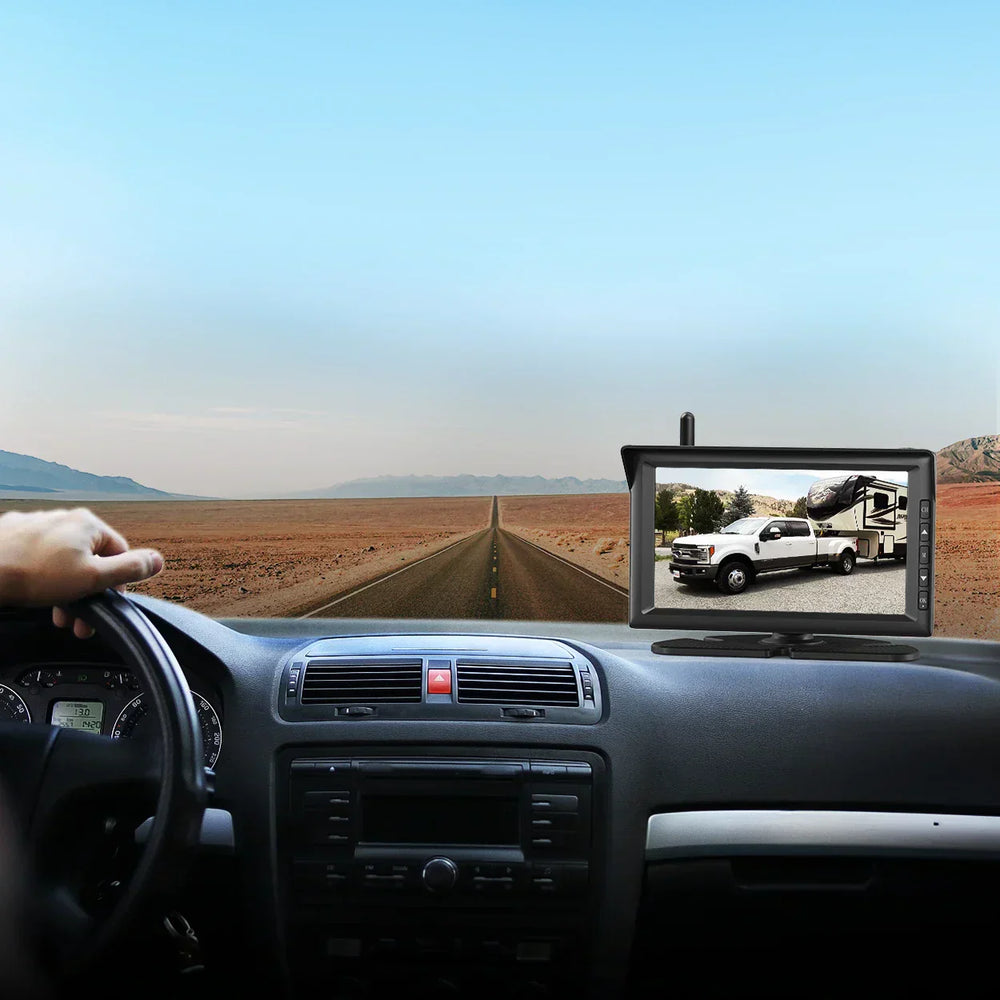
Imagine driving your car in reverse, effortlessly avoiding obstacles that are out of sight. Sounds convenient, right?
Backup cameras are designed to provide this level of ease and safety. But are they mandatory on all cars? As a driver, you know the importance of safety features in your vehicle. So, understanding whether backup cameras are a legal requirement could impact your decisions on buying or upgrading your car.
In this blog post, you’ll discover the truth behind backup camera regulations and how they might affect your driving experience. Stay with us as we unravel the facts that could change the way you view vehicle safety.
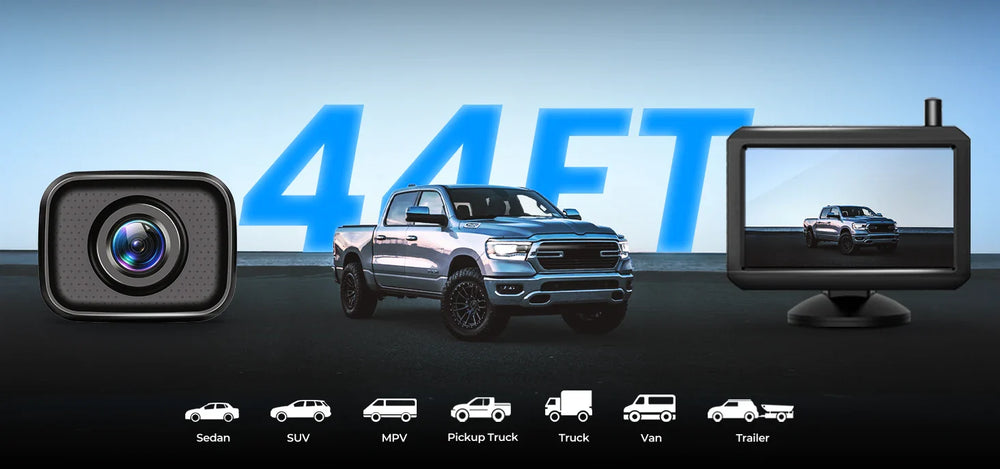
Credit: www.auto-vox.com
History Of Backup Cameras
Backup cameras became mandatory in the United States for new cars starting May 2018. This law aimed to enhance safety by reducing accidents during reversing. Prior to this mandate, backup cameras were a premium feature, mostly available in luxury vehicles.
The ‘History of Backup Cameras’ reflects a journey of innovation and necessity. These devices have transformed the way we park and drive. Understanding their evolution helps appreciate their role in safety. Let’s explore how backup cameras became a standard feature in cars today.Early Innovations
The concept of backup cameras began in the 1950s. Engineers sought solutions to improve vehicle safety. Early designs were basic and experimental. They faced challenges with technology and cost. Cameras and screens were not advanced then. Only luxury vehicles could afford such innovations.Adoption In Mainstream Vehicles
By the 1990s, technology had advanced. Cameras became more affordable and reliable. Automakers started including them in more vehicles. Toyota and Nissan were among the first. They included backup cameras in some models. This marked a shift towards wider adoption. Soon, more brands followed suit. Backup cameras gained popularity for preventing accidents. They offered drivers a clear rear view. This reduced risks when reversing. By 2018, they became mandatory in new cars in the U.S. This regulation aimed to enhance road safety.Regulatory Requirements
Understanding regulatory requirements for backup cameras on cars is crucial for anyone navigating the automotive landscape. These regulations are not just bureaucratic hurdles; they play a significant role in enhancing road safety. As you explore the legalities surrounding backup cameras, you’ll find a mix of national and international rules shaping the future of driving.
Nhtsa Guidelines
The National Highway Traffic Safety Administration (NHTSA) has set clear guidelines in the United States regarding backup cameras. Since May 2018, all new cars, trucks, and vans must be equipped with rearview cameras. This regulation aims to reduce the risk of backover accidents, protecting vulnerable groups like children and the elderly. Do you remember the relief of seeing a clear view behind your car, avoiding that pesky shopping cart?
Global Regulations
Globally, the rules vary, reflecting different priorities and technological adoption rates. In Canada, backup cameras are mandatory for new vehicles as of 2022. Meanwhile, European countries are increasingly embracing similar regulations. These changes indicate a growing recognition of the importance of driver assistance technology. What impact do you think this shift will have on car manufacturers worldwide?
Benefits Of Backup Cameras
Backup cameras enhance safety by reducing blind spots, preventing accidents, and assisting in parking. They’re becoming mandatory to improve driver awareness and pedestrian safety.
Benefits of Backup Cameras Backup cameras offer significant advantages for drivers. They assist in providing a clear view behind the vehicle. This technology has become essential in modern cars. It enhances safety and convenience. Let’s explore the key benefits of having backup cameras.Enhancing Driver Safety
Backup cameras improve driver awareness. They show what’s directly behind the vehicle. This reduces blind spots. Drivers can see pedestrians or obstacles that are hard to notice. The visual aid helps in making safer maneuvers. It minimizes risks when reversing.Reducing Accidents
Accidents during reversing are common. Backup cameras help reduce these incidents. They provide real-time images. Drivers can react promptly to potential hazards. This reduces chances of hitting objects or people. By using backup cameras, drivers can park more accurately. It leads to fewer collisions and scratches.Technological Advancements
The evolution of backup cameras in cars is a testament to the rapid technological advancements in the automotive industry. These advancements have transformed a simple safety feature into an intelligent system that enhances driving experiences. From integrating with smart systems to offering enhanced features, backup cameras are now more than just a tool for reversing safely.
Integration With Smart Systems
Modern backup cameras are not standalone gadgets. They seamlessly integrate with smart systems in your vehicle, providing a comprehensive view of your surroundings. Imagine your camera working in tandem with GPS and sensors, alerting you to obstacles you might miss otherwise.
This integration can significantly reduce the risk of accidents. You can have peace of mind knowing that your car’s technology is working to protect you and your passengers. Have you ever thought about how much safer your daily commute could be with this level of support?
Enhanced Features
Today’s backup cameras come with a host of enhanced features that make driving easier and safer. High-definition video quality ensures you have a clear view, even in low-light conditions. Some cameras offer a 360-degree view, eliminating blind spots and giving you full control over your vehicle’s movements.
Other features include customizable guidelines that help you judge distances accurately. These advancements not only boost safety but also add convenience to your driving experience. Think about how these features can transform your parking challenges into effortless tasks.
The next time you get behind the wheel, consider how these technological advancements in backup cameras can make your journey smoother and safer. Are you fully utilizing the smart systems and enhanced features that come with your car’s backup camera? If not, it might be time to explore what your vehicle has to offer.
Consumer Perspectives
Backup cameras have become a standard feature in most modern vehicles, transforming the driving experience and providing an extra layer of safety. But what do consumers really think about their mandatory inclusion? Understanding consumer perspectives can offer insight into how these devices are perceived and their impact on everyday driving.
Public Opinion
Many drivers appreciate backup cameras for their ability to reduce blind spots and prevent accidents. Parents, in particular, often feel reassured knowing they have an extra set of eyes when reversing in areas where children might be playing.
However, some consumers worry that reliance on technology might make drivers less attentive. Are we becoming too dependent on gadgets, potentially neglecting basic driving skills? This is a question worth pondering as technology continues to evolve.
User Experiences
Stories from drivers who have benefited from backup cameras can be quite compelling. One driver shared how their backup camera saved them from accidentally backing into a mailbox, sparing them an embarrassing and costly repair.
Yet, not everyone has had a flawless experience. Some users complain about cameras malfunctioning in extreme weather conditions, raising concerns about reliability. How would you feel if your backup camera failed just when you needed it most?
Overall, while backup cameras offer undeniable advantages, it’s essential to balance technology use with traditional driving skills to ensure safety and reliability on the road.
Cost Implications
Backup cameras are increasingly common in vehicles today. They enhance safety by reducing blind spots. But are they mandatory, and what are the cost implications?
Price Of Installation
Installing a backup camera can vary in cost. A basic system might cost around $100. More advanced systems can reach up to $500. This price often includes the camera and monitor. Professional installation may add $75 to $200 to the cost.
For new cars, backup cameras are usually standard. This means no extra installation cost. For older models, the price depends on the system chosen. DIY installation can save money but requires some technical skills.
Long-term Savings
Backup cameras can save money over time. They help prevent accidents that cause costly repairs. Insurance companies might offer discounts for having a backup camera. This reduces monthly insurance premiums.
Accidents involving backing up can be expensive. Repairing vehicle damage can be costly. Backup cameras help avoid these incidents. This leads to fewer repair bills.
In short, while there is an upfront cost, backup cameras can lead to savings. They reduce risks and enhance safety on the road.
Challenges And Limitations
Backup cameras have become an essential feature in modern vehicles, providing drivers with a clearer view of what’s behind them. However, while these devices offer significant benefits, they also come with certain challenges and limitations that affect their overall effectiveness. Understanding these issues can help you make informed decisions about your vehicle’s safety features.
Technical Issues
Backup cameras are not immune to technical glitches. Weather conditions like heavy rain or snow can obscure the camera lens, reducing visibility. Have you ever experienced a foggy lens that turned your backup camera into a blurry mess? It’s frustrating and potentially dangerous.
Another common issue is hardware malfunction, which can result in a loss of image or inaccurate display. Regular maintenance checks can minimize these risks, but they don’t eliminate them entirely. Would you trust a camera that suddenly stops working when you need it most?
User Adaptation
Despite their benefits, not all drivers find backup cameras intuitive. Some people still prefer traditional methods like using mirrors, which they’ve relied on for years. Are you someone who feels more comfortable with the old-school approach?
Learning to trust a new device can take time and patience. It’s crucial to get comfortable with the camera’s field of view and how it translates to real-world distances. Have you ever misjudged how close you were to an object because the camera’s perspective fooled you?
Moreover, over-reliance on backup cameras can lead to complacency. It’s important to use them as a supplement to visual checks rather than a replacement. How often do you still glance at your mirrors, even with a camera display right in front of you?
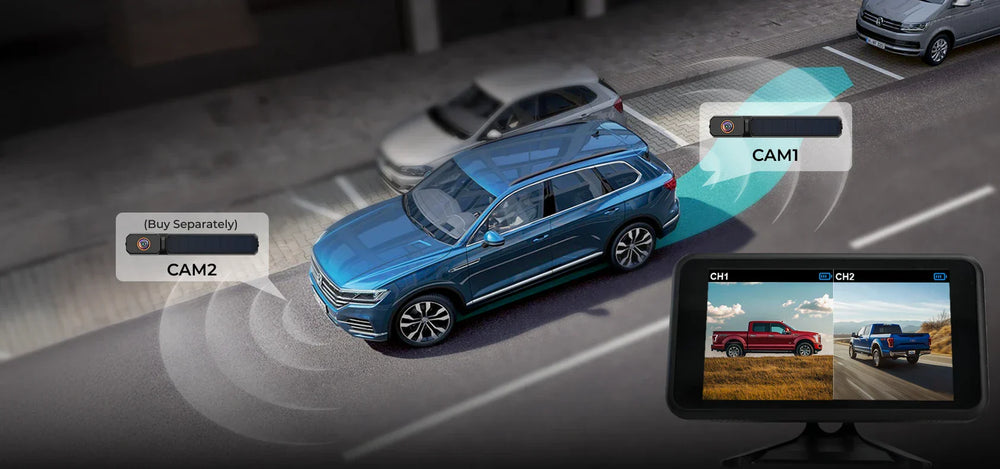
Credit: www.auto-vox.com
Future Trends
The landscape of automotive safety is rapidly evolving. Backup cameras have become essential in modern vehicles, improving safety and convenience. As technology progresses, the future of backup cameras holds exciting possibilities. Let’s explore some anticipated trends shaping this essential automotive feature.
Innovative Technologies
Future backup cameras will integrate with advanced systems. AI will enhance object detection, providing more accurate alerts. Cameras will merge with augmented reality displays. This will overlay guidance lines on live footage. Night vision capabilities will improve low-light performance. These innovations promise a safer driving experience.
Evolving Regulations
Governments are updating regulations to keep pace with technology. New laws may require enhanced features in backup cameras. These include higher resolution and wider viewing angles. Stricter standards could drive improvements in camera quality. This will ensure better safety for all road users.

Credit: www.carsales.com.au
Frequently Asked Questions
Are Backup Cameras Required In All New Cars?
Yes, backup cameras are mandatory in all new cars in the U. S. since May 2018. This regulation aims to enhance safety by reducing blind spots and preventing accidents. Automakers must equip vehicles with rear visibility technology, including backup cameras, to comply with this federal mandate.
Why Are Backup Cameras Important For Drivers?
Backup cameras enhance driver safety by providing a clear view of the rear area. They help in preventing accidents, especially in crowded areas. These cameras reduce blind spots, making parking and reversing easier and safer. Their implementation has significantly decreased backover accidents, safeguarding pedestrians and small objects.
How Do Backup Cameras Work In Vehicles?
Backup cameras activate automatically when the vehicle is put in reverse gear. They provide a live video feed on the dashboard screen. The camera, typically mounted at the rear, captures the area behind the vehicle. This real-time view assists drivers in parking and reversing safely.
Are Backup Cameras Beneficial For Novice Drivers?
Yes, backup cameras are highly beneficial for novice drivers. They aid in improving parking skills and spatial awareness. These cameras provide a clearer view of the vehicle’s rear, reducing the likelihood of accidents. For inexperienced drivers, this technology is invaluable in enhancing driving confidence and safety.
Conclusion
Backup cameras play a vital role in modern car safety. They help drivers see blind spots and avoid accidents. Many countries now require them in new vehicles. This mandate aims to enhance road safety for everyone. Drivers should understand the benefits and use them effectively.
As technology advances, backup cameras will likely improve. They offer peace of mind and protect pedestrians. Investing in a car with a backup camera is wise. Safety should always be a top priority on the road. Stay informed and make safe driving choices.