
Imagine the thrill of having a car engine that not only performs well but looks pristine too. You might be considering pressure washing your engine to achieve that sparkling clean look, but you’re wondering if it’s safe.
This thought has probably crossed your mind more than once, especially when you see how effective pressure washers are on other surfaces. Your car’s engine is the heart of your vehicle, and you want to treat it with care. By reading further, you’ll uncover the secrets to safely pressure washing your car engine without risking damage.
You’ll discover expert insights, practical tips, and the do’s and don’ts that can save you from costly repairs. Dive into this guide and empower yourself with the knowledge to make your car engine both clean and safe.
Pros And Cons Of Pressure Washing Engines
Pressure washing a car engine might seem like a quick way to clean those hidden nooks and crannies. However, before you rush to grab your pressure washer, it’s essential to weigh the pros and cons. Understanding both sides can help you make an informed decision about whether this method is right for your vehicle.
Advantages Of Pressure Washing
Pressure washing can be incredibly effective in removing built-up grime and dirt. This method can reach areas that are difficult to clean by hand, ensuring a thorough job.
A clean engine can improve your car’s efficiency by preventing overheating. It may also make it easier to spot leaks and other issues early on.
Another benefit is the time-saving aspect. What might take hours with manual cleaning can be done in minutes with a pressure washer.
Potential Risks Involved
Pressure washing can be risky if not done correctly. The high-pressure water can force its way into electrical components, leading to costly damage.
Water can also dislodge important components or force dirt deeper into sensitive areas. A friend of mine once ended up with a misfiring engine after water got into the spark plugs.
There’s also a risk of stripping away protective coatings. This can leave parts vulnerable to rust and corrosion, which can be a significant concern over time.
Have you considered if the benefits outweigh the potential damage? It might be worth weighing alternative cleaning methods that offer less risk.
Preparation Steps
Ensure the engine is cool before washing. Cover electrical parts and air intakes with plastic. Use a low-pressure setting and degreaser for safety.
When considering pressure washing your car engine, preparation is key to ensuring safety and effectiveness. Careful preparation can prevent potential damage and yield the best results for your vehicle. Let’s dive into the essential steps to get your engine ready for a thorough clean.Gather Necessary Equipment
Before you begin, having the right tools on hand is crucial. Gather a pressure washer with adjustable settings to control the water pressure. Use a nozzle that offers a fine spray to avoid damaging sensitive components. You’ll also need a degreaser or specialized engine cleaner to break down grime effectively. A plastic bag or wrap can be useful to cover and protect delicate parts like the alternator and electrical connections. Lastly, keep a soft brush handy to scrub stubborn areas gently.Inspect The Engine Area
Take a moment to closely inspect your engine. Look for any exposed wires or parts that could be damaged by water. If you notice any vulnerabilities, cover them securely with plastic bags or wrap. Check for any leaks or parts that might be loose. Pressure washing can exacerbate existing issues, so it’s better to address these beforehand. Are there any signs of corrosion or rust? These might require a more careful approach during cleaning. Remember, the more you know about your engine’s condition, the better prepared you’ll be to avoid causing harm.Safety Measures
Pressure washing a car engine demands caution and care. Ensuring safety is vital to avoid damage. Many components under the hood are sensitive and could be harmed. Proper safety measures protect both the car and the washer.
Protecting Sensitive Components
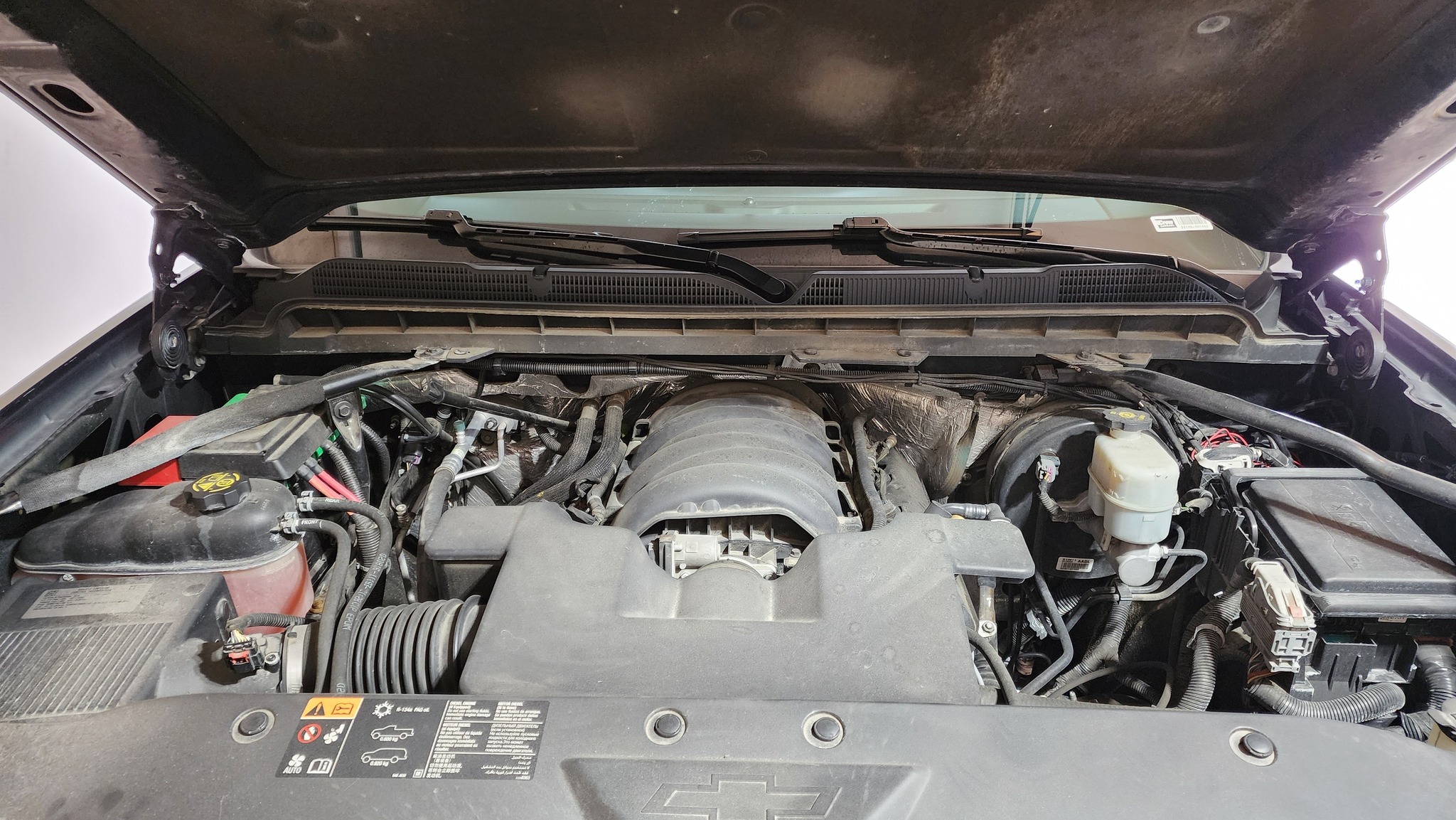
Cover the battery and electrical parts with plastic. This shields them from water exposure. Use waterproof tape to secure the coverings. Identify parts like air intakes and alternators. Keep them dry during cleaning.
Using Appropriate Pressure Settings
Select the right pressure to prevent damage. Use a low-pressure setting on the washer. High pressure can harm engine parts. Maintain a safe distance from the engine. This ensures gentle cleaning without risk.
Credit: www.facebook.com
Effective Cleaning Techniques
Cleaning a car engine with a pressure washer requires technique and care. It’s important to ensure safety and prevent damage. Proper methods will result in a clean engine without risks. Let’s explore effective cleaning techniques to achieve this.
Targeting Dirt And Grime
Start by loosening dirt and grime with a degreaser. Spray it evenly on dirty parts. Let it sit for a few minutes to break down stubborn grime. Use a brush to scrub areas that are heavily soiled. Rinse with low-pressure water to wash away the loosened dirt. This method effectively cleans while minimizing risk.
Avoiding Electrical Components
Water can damage electrical components. Identify and cover sensitive parts with plastic bags. Use plastic or aluminum foil for an extra layer of protection. Avoid spraying directly on these areas. Use a low-pressure setting around them to reduce risk. This keeps the engine safe while ensuring a thorough clean.
Post-wash Maintenance
Pressure washing a car engine can be safe if done carefully. Use low pressure and avoid electrical parts. Dry thoroughly to prevent rust or damage.
After giving your car engine a thorough pressure wash, the process doesn’t end there. Post-wash maintenance is crucial to ensure everything runs smoothly. This step not only prevents potential damage but also ensures that your engine remains in peak condition.Drying The Engine
Once the engine is clean, thoroughly drying it is vital. Use a microfiber towel or an air blower to remove any lingering moisture. This prevents water from seeping into delicate areas or causing corrosion. If you don’t have access to an air blower, consider using a leaf blower. It’s surprisingly effective and can reach those tricky spots. Ensure you dry off connectors and electronic components carefully to avoid any short circuits.Checking For Residual Issues
Now that your engine is dry, take a moment to inspect it. Are there any water spots or leftover grime? If so, a quick wipe with a damp cloth can remedy this. Next, start your engine and listen closely. Any unusual sounds or rough idling might indicate that water has seeped into areas it shouldn’t have. Also, check for warning lights on your dashboard. They can be early indicators of moisture affecting electronic parts. Address these issues promptly to avoid costly repairs down the line. Is there a particular post-wash routine that has worked wonders for you? Share your experience in the comments below!
Credit: www.instagram.com
Alternatives To Pressure Washing
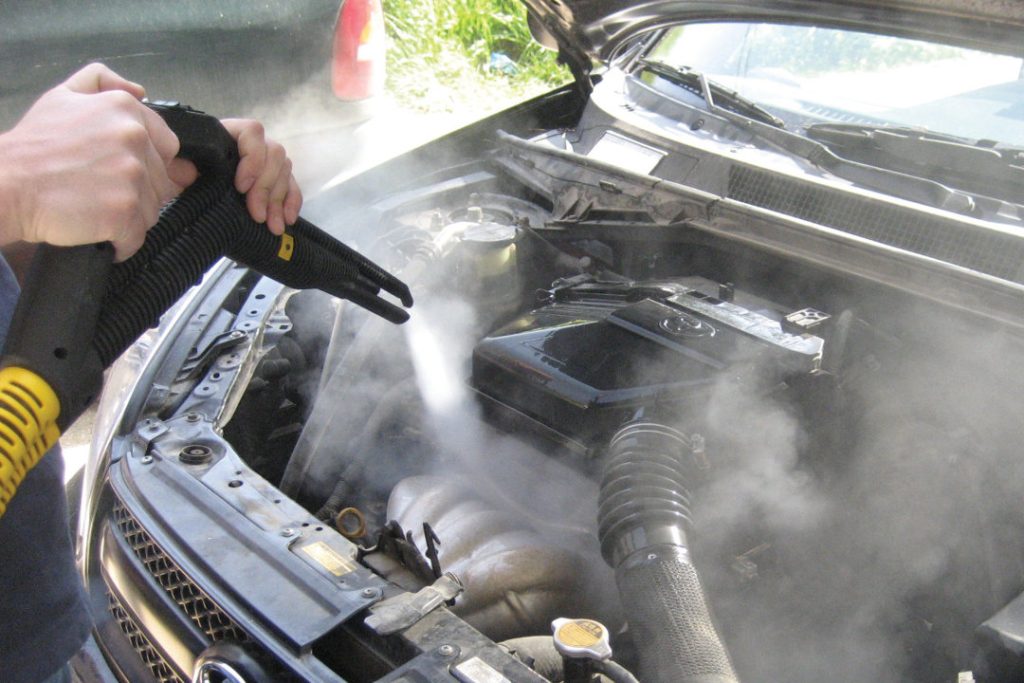
Cleaning a car engine safely requires alternatives to pressure washing. Consider using gentle methods like steam cleaning or hand washing. These options reduce the risk of damaging delicate engine components.
Pressure washing a car engine might seem like a quick fix for grime build-up, but it raises questions about safety and potential damage. Whether you’re worried about electrical components or simply want a gentler approach, there are safer alternatives available. Let’s dive into other options that can keep your engine clean without the risks.Manual Cleaning Options
Manual cleaning might take a bit more time, but it offers precision and control. You can start with a soft-bristled brush to gently scrub away dirt from visible areas. Combine this with a degreaser spray, and you’ll be surprised at how effectively you can clean. An old toothbrush can also work wonders for those hard-to-reach spots. Using a microfiber cloth to wipe down surfaces ensures that you remove residue without scratching. By doing it yourself, you also have the chance to inspect parts closely for any hidden issues.Professional Cleaning Services
If DIY isn’t your style, or you’re worried about damaging your engine, professional cleaning services offer a reliable solution. Professionals use specialized tools and techniques tailored to your car’s specific needs. They ensure that all areas are cleaned efficiently without harming sensitive components. You might think it’s an unnecessary expense, but consider the peace of mind and the longevity of your vehicle. Some services even offer eco-friendly cleaning options, which is a great choice if you’re environmentally conscious. Plus, you can always ask the professionals for tips to maintain cleanliness between services. Choosing an alternative to pressure washing doesn’t mean compromising on cleanliness. It means taking care of your car with a thoughtful approach that enhances its lifespan. So, which method will you choose to keep your engine sparkling?
Credit: www.carsales.com.au
Frequently Asked Questions
Is It Safe To Wash A Car Engine With A Pressure Washer?
Using a pressure washer on a car engine can be safe if done carefully. Avoid electrical components. Keep water pressure low to prevent damage. Ensure engine is cool before washing. Cover sensitive parts like the battery and alternator. Always consult the car manual for specific guidance.
Is It Safe To Spray Your Engine With Water?
Spraying your engine with water can be safe if done carefully. Avoid high-pressure settings and sensitive components. Ensure the engine is cool before cleaning. Cover electrical parts and air intakes to prevent damage. Use mild soap for better results and thoroughly dry afterward.
This method helps maintain engine cleanliness safely.
Is It A Good Idea To Wash Your Car Engine?
Washing your car engine can be beneficial, removing dirt and preventing corrosion. Ensure electrical components are protected. Use mild detergent and avoid high-pressure water, which may damage sensitive parts. Regular cleaning can improve engine performance and longevity. Always follow manufacturer guidelines for best practices.
What Should You Avoid When Washing A Car Engine?
Avoid spraying water directly on electrical components. Don’t use harsh chemicals. Keep the engine cool before washing. Avoid high-pressure water jets. Don’t rush the process; be thorough and careful.
Conclusion
Pressure washing a car engine can be safe with care. Avoid spraying electrical parts directly. Always use low pressure to prevent damage. Cover sensitive areas like the battery and fuse box. Check your car manual for specific advice. Regular maintenance helps keep your engine clean.
Use mild detergents if needed. A clean engine can run more efficiently. Proper cleaning can extend your engine’s life. Always prioritize safety and follow guidelines.