
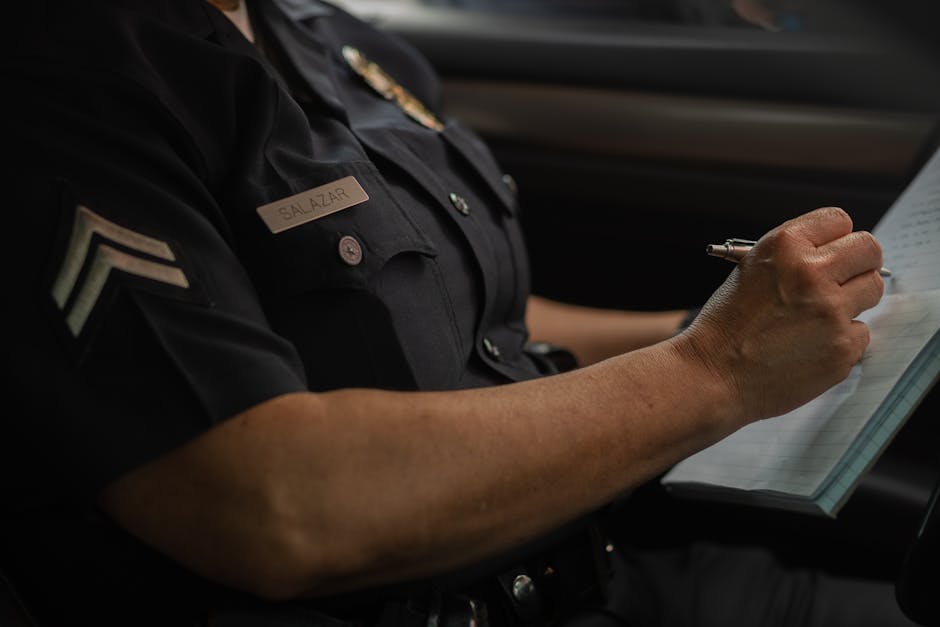
Have you ever wondered what really goes on inside a patrol car? With the rise of technology, especially dash cams, it might seem like every corner of a patrol car is under surveillance.
But do these dash cams actually record the interior of the vehicle? Understanding the capabilities and limitations of patrol dash cams can provide insights into privacy, accountability, and the real-world challenges faced by law enforcement officers. This isn’t just about technology; it’s about transparency and trust.
As you read on, you’ll discover the fascinating details about how these devices work, what they capture, and why it matters to you. Whether you’re curious about privacy issues or interested in law enforcement practices, this article will uncover the truth behind patrol dash cams and their reach. Stay with us to find out what these cameras see and what they miss.
Benefits Of Dash Cams In Patrol Cars
Patrol dash cams enhance officer safety and accountability. They often record both the exterior and interior of patrol cars. This helps in monitoring interactions and ensuring transparency during police activities.
The integration of dash cams in patrol cars provides numerous advantages. These devices play a crucial role in enhancing the effectiveness of law enforcement. They not only help in safeguarding officers but also boost public confidence in police operations. Here’s how dash cams benefit patrol cars:Enhanced Officer Safety
Dash cams act as an extra pair of eyes for officers. They can deter potential threats and provide real-time monitoring. This helps officers stay aware of their surroundings, increasing their safety. Dash cams can also alert dispatchers to any emergencies, ensuring rapid response.Evidence Collection
Dash cams capture high-quality video footage, which serves as valuable evidence. This footage can be used in court to support cases. It helps in providing a clear picture of events, aiding investigations. With recorded evidence, the chances of wrongful accusations decrease significantly.Accountability And Transparency
Dash cams foster accountability by recording interactions between police and civilians. They ensure that officers adhere to protocol, promoting fair conduct. Transparency is increased as the public can access footage. This builds trust between the community and law enforcement agencies.Types Of Dash Cams Used In Patrol Cars
Patrol dash cams often record both the road and the car’s interior. Interior recordings enhance officer safety and accountability. They capture interactions and incidents inside the patrol car.
Understanding the types of dash cams used in patrol cars can offer a fascinating insight into how law enforcement ensures accountability and transparency. Different dash cam configurations provide varying levels of coverage and features, each suited to specific needs and environments. Whether you’re curious about how these devices capture both exterior and interior interactions or just want to know what technology your local officers might be using, this guide will delve into the details that make each type unique.Single-lens Dash Cams
Single-lens dash cams focus on capturing the view from the windshield, providing a clear video of the road ahead. They are often used for recording traffic stops, pursuits, and other interactions that occur outside the vehicle. While they don’t capture the interior, their simplicity and affordability make them a popular choice for many patrol cars. Imagine you’re an officer on a routine patrol; with a single-lens dash cam, you can document any unusual activity you spot on the road. It’s straightforward, effective, and ensures you have evidence of what happens in front of the vehicle.Dual-lens Dash Cams
Dual-lens dash cams offer a comprehensive solution by recording both the exterior and interior of the patrol car. This type of dash cam provides a balance between capturing street incidents and documenting interactions inside the vehicle, such as during arrests or transport. Picture this: you’re transporting a suspect to the station, and a dual-lens dash cam ensures everything that happens inside the car is recorded. This can be crucial for maintaining transparency and safeguarding both the officer and the suspect.360-degree Dash Cams
360-degree dash cams take surveillance to the next level, capturing a panoramic view around the patrol car. These cams are equipped to record every angle, making them invaluable in complex situations like crowd control or multi-vehicle accidents. Consider a scenario where you’re navigating a busy intersection with a 360-degree dash cam. You can capture footage from all directions, providing a comprehensive view that can be critical for investigations and reports. In a world where every detail matters, which dash cam do you think is best suited for ensuring justice and transparency in law enforcement? Each has its unique features, offering different levels of coverage and capabilities. Whether it’s the simplicity of single-lens cams or the all-encompassing view of 360-degree cams, the choice can impact how effectively patrol cars serve and protect communities.Interior Recording Capabilities
When it comes to ensuring transparency and accountability, the interior recording capabilities of patrol dash cams play a vital role. These features provide a comprehensive view of activities inside the patrol car, offering insights that can be crucial during investigations or court proceedings. But what exactly can these cameras capture within the vehicle?
Field Of View
The field of view is one of the most critical aspects of interior recording capabilities. With a wide-angle lens, these cameras can capture every corner of the patrol car, ensuring nothing is missed. Whether it’s an interaction between officers or a suspect’s behavior, a broad field of view provides a complete picture. Imagine how different a scenario might be if a critical moment was out of sight. The right camera setup eliminates such blind spots.
Audio Recording Features
Audio recording enhances the visual documentation by adding context through sound. This feature ensures that conversations and noises inside the vehicle are accurately captured. Think about how much more informative footage can be with dialogue included. Audio can reveal crucial details, such as the tone of a conversation or unexpected sounds, providing a clearer understanding of events.
Night Vision And Low-light Performance
Night vision and low-light performance are game-changers for patrol dash cams. These capabilities ensure that the interior recordings are clear and usable, even during nighttime shifts or in poorly lit conditions. Have you ever wondered what happens during those late-night patrols? With advanced night vision, officers can rely on their dash cams to capture every detail, regardless of the lighting conditions, ensuring that critical evidence is never compromised.
Challenges In Interior Recording
Challenges arise in interior recording with patrol dash cams, as privacy concerns and technical limitations impact effectiveness. Capturing high-quality footage of the car’s interior while ensuring officer and civilian privacy is complex.
The integration of dash cams in patrol cars has brought about a new wave of transparency and accountability. However, recording the interior of patrol vehicles presents unique challenges that need careful consideration. These challenges not only impact the police force but also influence public perception and trust.Privacy Concerns
Recording the interior of patrol cars raises significant privacy concerns. Officers spend countless hours in their vehicles, discussing sensitive information and making private calls. This constant surveillance can feel intrusive, potentially affecting their performance and morale. Moreover, individuals detained or questioned inside the patrol car also face privacy issues. Imagine being recorded during a vulnerable moment. It’s crucial to balance transparency with the privacy rights of all parties involved.Data Storage And Management
Storing and managing the vast amount of data from interior recordings is a logistical challenge. High-resolution video files require substantial storage space, which can strain department resources. Efficient data management systems are essential to ensure that footage is easily accessible and secure. Additionally, the question of how long to retain footage arises. Retaining data for too long can lead to storage issues, while keeping it for too short a period might result in losing crucial evidence. Finding a balanced approach is key.Technical Limitations
Interior recordings can be plagued by technical limitations. Poor lighting conditions inside the vehicle can result in unclear footage. Low-quality audio may fail to capture important conversations, rendering the recording less useful. Technical glitches, such as camera malfunctions or data corruption, can also occur. These issues can compromise the integrity of the recordings, raising doubts about their reliability in legal proceedings. As you consider these challenges, think about the implications of interior recordings in patrol cars. How can we address these issues to ensure both transparency and privacy? It’s a complex balancing act that requires ongoing discussion and innovation.Technological Advancements
Patrol dash cams often record both the exterior and interior of patrol cars. This dual recording feature enhances safety and accountability during police operations. Officers can review footage to ensure proper conduct and gather evidence.
Technological advancements have dramatically transformed patrol dash cams, enhancing their ability to record the interior of patrol cars. These innovations not only improve the quality of footage but also expand the functionalities of the devices. As a result, law enforcement agencies can now rely on more sophisticated technology to ensure safety and accountability.Improved Resolution
The clarity of dash cam footage has leapt forward with improved resolution capabilities. High-definition cameras now capture sharp images and videos, making it easier to discern details within the patrol car’s interior. This advancement is crucial during investigations, where every detail can make a difference. Imagine reviewing footage where every facial expression and subtle movement is crystal clear. Such clarity can provide invaluable evidence in legal scenarios. It also enhances transparency and trust, as there is less room for ambiguity.Ai And Machine Learning Integration
AI and machine learning are game changers in the realm of dash cams. These technologies enable automatic detection of unusual activities within the car’s interior. For instance, sudden movements or raised voices can trigger alerts, allowing for quick responses. This smart technology can differentiate between routine activities and potential threats. By doing so, it minimizes false alarms and ensures officers focus on genuine issues. It’s like having an extra set of eyes, always vigilant and ready to assist.Cloud-based Solutions
Storing footage has become more efficient with cloud-based solutions. Instead of relying on limited on-device storage, data is uploaded to secure cloud servers. This ensures that footage is accessible anytime and safe from damage or loss. Cloud storage also facilitates easy sharing of footage among authorized personnel. This can be particularly useful during investigations or training sessions. Have you ever wondered how much easier collaboration becomes when everyone has access to the same data instantly? These technological advancements not only enhance the functionality of patrol dash cams but also bolster the safety and efficiency of law enforcement operations. As technology continues to evolve, what other innovations could further improve the way patrol cars operate?Policy And Legal Considerations
Police departments must weigh privacy concerns when using patrol dash cams to record inside vehicles. Legal regulations vary, influencing decisions on interior recordings and how footage is used. Balancing transparency and privacy is crucial in policy-making for law enforcement.
When considering whether dash cams in patrol cars should record the interior, policy and legal aspects play a pivotal role. These considerations are not just about adhering to laws; they are about balancing the need for security with personal privacy. How does one navigate this complex terrain while ensuring both legal compliance and ethical responsibility?Regulations On Recording
In many jurisdictions, regulations dictate how and where recordings can be made. Patrol dash cams often fall under these rules, especially concerning recording the interior of vehicles. Law enforcement agencies must be aware of specific guidelines regarding video and audio surveillance. Ignoring these can lead to significant legal issues and the invalidation of crucial evidence.Consent And Privacy Laws
Consent plays a critical role in recording the interior of patrol cars. While law enforcement officers are usually aware they are being recorded, passengers may not be. Privacy laws vary widely, with some areas requiring explicit consent before recording. This can be particularly challenging when dealing with civilians who may not be aware they are being filmed.Impact On Legal Proceedings
Recordings from dash cams can heavily influence legal proceedings. They can provide clear evidence in court, either supporting or refuting claims. However, if recordings are obtained unlawfully, they may be deemed inadmissible. This could potentially jeopardize legal outcomes, emphasizing the importance of adhering to proper recording policies. When was the last time you considered how these recordings affect both officers and civilians? The implications extend beyond just evidence—it’s about trust and accountability.Future Trends In Patrol Dash Cams
The future of patrol dash cams is bright and evolving fast. These devices are becoming smarter and more integrated with other technologies. They offer better security features and real-time analytics. Let’s explore the future trends in patrol dash cams.
Integration With Other Technologies
Patrol dash cams will soon connect with other systems in vehicles. They may link with GPS for precise location tracking. Cameras could also work with communication tools. This integration helps officers respond quickly to incidents. It enhances the overall efficiency and safety of patrols.
Increased Use Of Real-time Analytics
Real-time analytics will play a big role in future dash cams. Cameras will process data instantly. This ability helps in spotting unusual activities. It aids in making quick decisions during patrols. Officers will have better situational awareness. Real-time insights will improve their effectiveness in the field.
Adoption Of Advanced Security Measures
Security is crucial for patrol dash cams. Future models will adopt stronger security measures. Encryption will protect video footage from unauthorized access. Advanced authentication methods will ensure only authorized users can view data. These measures will safeguard sensitive information.
Frequently Asked Questions
Do Police Cars Record Inside?
Police cars often have interior cameras to record activities inside. These recordings enhance safety and accountability. They help document interactions, protect both officers and civilians, and provide evidence in investigations. Not all police vehicles have them, as it depends on department policies and available resources.
Can I Get Dash Cam Footage From A Police Vehicle?
You can request dash cam footage from a police vehicle through a public records request. Each state has different procedures, so check local laws. Some requests may be denied for legal reasons, like ongoing investigations. Always provide specific details for a better chance of access.
How Long Is Police Dash Cam Footage Stored?
Police dash cam footage is typically stored for 30 to 90 days. Storage duration can vary by department policy. Specific incidents might require longer retention for legal reasons. Always check local regulations for precise guidelines.
Does A Dash Cam Record Everything?
Dash cams record continuously but may not capture everything due to limited storage and field of view. They focus on the road ahead and store videos until memory is full. High-quality dash cams overwrite old footage automatically, ensuring continuous recording and offering valuable evidence in case of accidents.
Conclusion
Patrol dash cams have become essential in law enforcement today. They often record the car’s interior, capturing important details. These recordings help ensure accountability and transparency. Officers and civilians benefit from this technology. Privacy remains a concern, but strict guidelines exist.
These rules help protect individual rights while maintaining security. Dash cams continue to evolve, offering better features. They play a vital role in modern policing. Understanding their function is crucial for everyone. With this knowledge, communities can feel safer. Technology aids in trust and safety for all involved.