
Ever noticed how your car seems to drive smoother after a routine check? One essential aspect of this smooth ride is tire pressure.
You might wonder, how often should you really be checking your car’s tire pressure? It’s a question that many drivers overlook, yet it plays a crucial role in your safety and the longevity of your vehicle. Imagine cruising down the highway with confidence, knowing your tires are perfectly inflated.
Sounds appealing, right? By understanding the importance and frequency of tire pressure checks, you can transform your driving experience. Dive into this article to discover how regular monitoring can enhance your comfort, save you money, and ensure your safety on the road.

Credit: www.youtube.com
Importance Of Tire Pressure
Maintaining the correct tire pressure is crucial for your vehicle’s performance. It impacts safety, fuel efficiency, and tire lifespan. Regular checks ensure your car runs smoothly and safely. Let’s explore why tire pressure is so important.
Safety Concerns
Proper tire pressure ensures better grip on the road. It reduces the risk of accidents. Underinflated tires can cause blowouts. Overinflated tires may lead to reduced traction. Both conditions can be dangerous. Regularly checking tire pressure keeps you safe.
Fuel Efficiency
Correct tire pressure improves fuel efficiency. Underinflated tires create more resistance. This means your engine works harder. It burns more fuel. Keeping tires properly inflated saves money on gas. It’s good for your wallet and the environment.
Tire Longevity
Proper tire pressure extends tire life. Underinflation causes uneven tire wear. It leads to premature tire replacement. Overinflation wears out the tire’s center. Consistent checks help avoid these issues. Your tires will last longer with the right pressure.

Credit: www.facebook.com
Recommended Frequency
Regularly checking your car’s tire pressure is essential for safety. Properly inflated tires ensure better fuel efficiency. They also extend tire life and improve handling. But how often should you check tire pressure? Experts suggest following a specific schedule. This ensures your tires are always in optimal condition.
Weekly Checks
Check your tire pressure weekly for best results. This routine helps detect slow leaks early. It keeps your vehicle running smoothly. Use a reliable tire gauge for accuracy. Make it a habit to check at the same time each week. Early morning is ideal for consistent readings.
Monthly Checks
Monthly checks are a good practice for regular maintenance. Some drivers may find weekly checks challenging. Checking monthly still offers benefits. It provides a consistent schedule to spot issues. Remember to check the spare tire too. A flat spare won’t help in emergencies.
Seasonal Considerations
Temperature changes affect tire pressure significantly. Cold weather causes air to contract. Tires lose pressure as a result. In hot weather, air expands. This can lead to overinflation. Check tire pressure at the start of each season. This ensures optimal performance year-round.
Tools And Equipment
Keeping your car’s tires at the right pressure is crucial for safety and performance. But how do you ensure your readings are accurate? The right tools and equipment can make a huge difference in maintaining your tire pressure effectively. Whether you’re a seasoned car enthusiast or just starting out, having the proper tools at hand is essential. Let’s dive into some of the best equipment you can use.
Digital Pressure Gauges
Digital pressure gauges are a modern solution that provides precise readings. They are easy to use and often come with backlit displays, making them perfect for checking pressure in low-light conditions. Many models offer an automatic shut-off feature to conserve battery life. Have you ever wondered if your manual gauge was off by a few psi? Digital gauges eliminate that uncertainty.
Manual Pressure Gauges
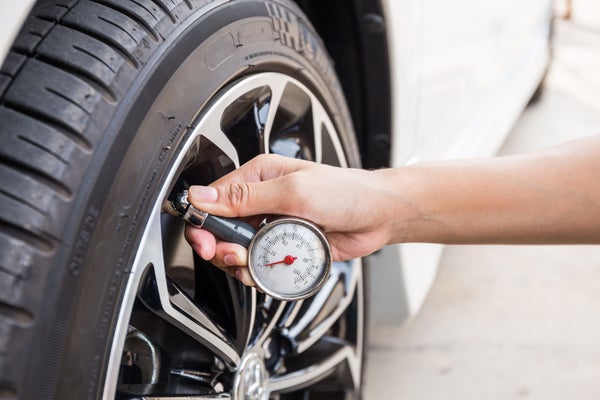
Manual pressure gauges, often referred to as pencil gauges, are the traditional choice. They are durable and don’t require batteries, making them reliable in any situation. While they might not have fancy displays, they are accurate and easy to carry. Consider keeping one in your glove compartment for quick checks on the go.
Portable Air Compressors
Portable air compressors are a game changer for those who frequently travel. These handy devices allow you to inflate your tires wherever you are, without needing to find a gas station. Look for models that offer multiple nozzle options and a built-in pressure gauge for convenience. Have you ever been stuck with a flat tire in the middle of nowhere? A portable compressor can save the day.
Factors Affecting Tire Pressure
Maintaining the right tire pressure is crucial for your car’s performance and safety. But have you ever wondered why the pressure might fluctuate? Several factors can influence tire pressure, and understanding them can help you keep your tires in top shape. Let’s dive into some of these factors.
Temperature Changes
Ever noticed your tire pressure warning light on cold mornings? Temperature changes can drastically affect tire pressure. When the temperature drops, the air inside your tires contracts, leading to lower pressure. Conversely, in warmer weather, the air expands, increasing the pressure. This means you might need to adjust your tire pressure seasonally. Imagine heading out for a long drive in chilly weather only to realize your tires are underinflated. Regular checks can prevent such surprises.
Altitude Variations
Planning a road trip to the mountains? Altitude can also play a role in tire pressure changes. As you ascend, the atmospheric pressure decreases, which can lead to an increase in tire pressure. This is something many overlook. Picture driving through high-altitude regions with overinflated tires—this can reduce traction and increase wear. It’s essential to monitor and adjust your tire pressure as you change altitudes.
Tire Wear And Tear
Old tires aren’t just a safety hazard; they can also affect pressure retention. As tires wear down, they become more susceptible to leaks. A slight puncture or worn-out valve can lead to gradual pressure loss. Have you checked your tires recently for signs of wear? Regular inspections can help you catch issues early, ensuring your tire pressure stays optimal. Plus, replacing worn tires can improve your car’s overall performance.
Understanding these factors isn’t just about preventing inconvenience; it’s about ensuring your safety on the road. How often do you check your tire pressure considering these variables? Regular checks can save you from unexpected issues and keep your journey smooth.
Diy Vs Professional Inspection
Deciding between DIY and professional inspection for checking car tire pressure depends on your comfort level. Regular DIY checks can help catch issues early, while professional inspections offer detailed assessments. Aim to check tire pressure monthly for optimal safety and performance.
Checking your car tire pressure is crucial for safety and performance. But should you do it yourself or rely on a professional? Each approach has its pros and cons, and understanding them can help you decide which is best for you.Benefits Of Diy Checks
Regular DIY checks can save you time and money. You can easily fit them into your routine without scheduling an appointment. Many find it empowering to handle basic car maintenance. You get to know your vehicle better, which can help you spot other issues early. A simple tire gauge is all you need. It’s a small investment that pays off with peace of mind every time you drive.When To Seek Professional Help
Sometimes, a professional touch is necessary. If you’re unsure about your readings or notice uneven wear, it might be time to consult an expert. Professionals can provide a comprehensive check-up. They look beyond just pressure, inspecting tread depth and alignment, ensuring everything is in top condition. Trusting a pro can be reassuring, especially before long road trips. They can catch issues you might miss, preventing potential accidents. How often do you balance between DIY and professional checks? Your car’s performance and your peace of mind might just depend on it.Tips For Maintaining Optimal Pressure
Maintaining optimal tire pressure is crucial for safety and performance. Correct pressure improves fuel efficiency and extends tire life. Regular checks prevent sudden flats or blowouts. Knowing how often to check and adjust tire pressure can save time and money. Follow these tips to keep your tires in top condition.
Regular Monitoring
Check tire pressure monthly for consistency. Tires lose air naturally over time. Temperature changes affect pressure levels. Use a reliable gauge for accurate readings. Schedule checks to coincide with other car maintenance.
Responding To Warning Signs
Pay attention to dashboard alerts. Modern cars have tire pressure monitoring systems. These systems warn of low pressure. If the warning light appears, check tires immediately. Inspect for visible damage or punctures.
Proper Inflation Techniques
Inflate tires according to manufacturer specifications. Locate the recommended pressure in the manual or door jamb. Avoid overinflating or underinflating. Use a quality air compressor for precise control. Recheck pressure after inflating to ensure accuracy.

Credit: www.facebook.com
Frequently Asked Questions
How Often Should Air Pressure Be Checked In A Car?
Check your car’s air pressure monthly. Also, inspect before long trips or if carrying heavy loads. Proper tire pressure ensures safety, better fuel efficiency, and tire longevity. Use a reliable gauge for accuracy.
Can Tires Lose Up To 1 Psi Every Month?
Yes, tires can lose up to 1 PSI each month. Temperature changes and natural air permeability cause this gradual loss. Regularly check tire pressure to ensure safety and optimal performance. Maintaining proper tire pressure improves fuel efficiency and extends tire life.
At What Times Should Tire Pressure Be Checked?
Check tire pressure monthly and before long trips. Measure when tires are cold for accurate readings.
Is 40 Psi Good Tire Pressure?
40 PSI is generally good for most car tires, ensuring optimal performance and fuel efficiency. Always check your vehicle’s manual or tire sidewall for specific recommendations. Adjust pressure based on load and driving conditions for safety.
Conclusion
Checking tire pressure regularly keeps your car safe and efficient. Make it a habit. At least once a month is ideal. Also, before long trips. Proper tire pressure saves fuel. It also extends tire life. Under-inflated tires can be dangerous.
They affect braking and handling. Carry a tire gauge in your car. It’s a simple tool. Easy to use and affordable. Cold mornings are best for checking. Remember, tires lose pressure over time. Even without leaks. Stay aware and maintain your tires well.
Your safety depends on it.