
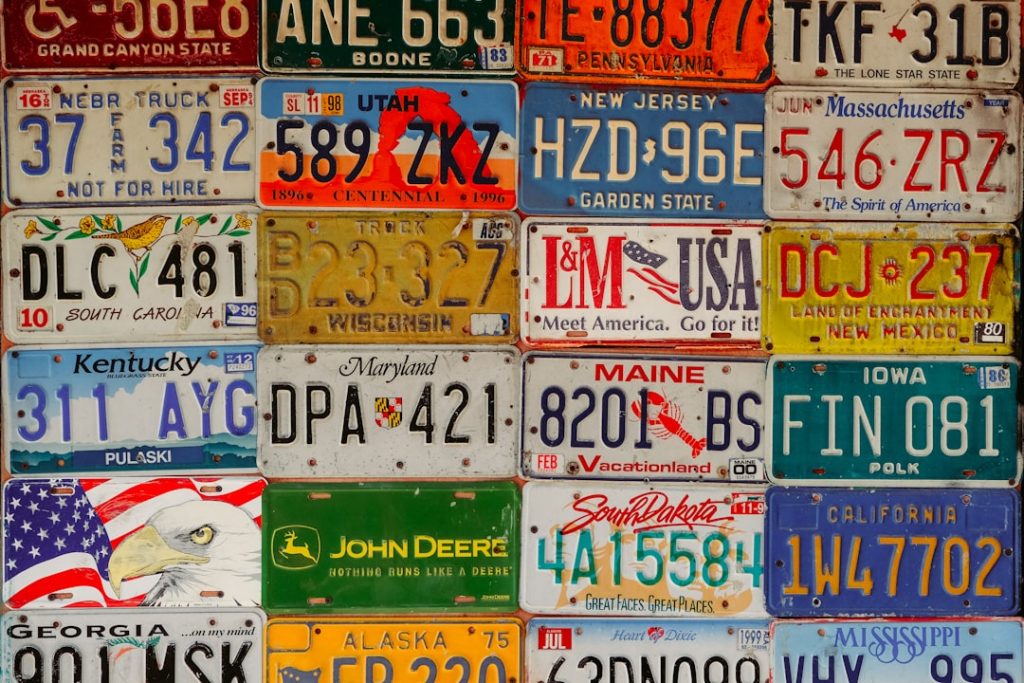
Buying a used car can be an exciting experience. You might feel thrilled about your new ride and ready to hit the road.
But before you do, there’s an important task you can’t overlook: getting a license plate for your used car. Without it, you can’t legally drive your vehicle. So, how do you go about this process smoothly and hassle-free? You’ll discover the steps to securing a license plate for your used car.
We’ll simplify the process, breaking it down into manageable steps so you can focus on enjoying your new set of wheels. Whether you’re a first-time car owner or you’ve done this before, you’ll find helpful tips and insights that make the process easier. Imagine the freedom of cruising down the highway with your newly plated car, knowing everything is in order. Picture the peace of mind that comes with understanding each step along the way. This guide is crafted to ensure you feel confident and informed. Dive in to learn how you can quickly and efficiently get your license plate, avoiding any potential pitfalls. Your journey towards seamless car ownership starts here.
Research State Requirements
Check local DMV rules for registering a used car. Requirements differ by state, and may include inspection and paperwork. Verify necessary documents and fees to ensure smooth registration and acquire your license plate efficiently.
Obtaining a license plate for your used car can seem daunting, especially with varying requirements across states. Each state’s Department of Motor Vehicles (DMV) may have unique stipulations, so it’s crucial to understand what’s necessary in your state. Whether you’re a seasoned car owner or new to the process, researching state requirements is a fundamental step that can save you time and ensure compliance.Check State Dmv Website
Your state’s DMV website is the most reliable source for accurate information on license plate requirements. By visiting their official site, you can find detailed guidelines specific to your location. Look for sections related to vehicle registration and license plates to get the latest updates. Many DMVs offer online services, making the process easier. You might even find digital forms and applications that can be completed and submitted online. This can streamline your efforts and reduce trips to the DMV office. Be mindful of any fees or special instructions listed on the website. Knowing these details in advance can help you prepare financially and avoid surprises.Gather Necessary Documentation
Before you head to the DMV, ensure you have all required documents. Commonly, you will need proof of ownership, such as the vehicle title or bill of sale. These documents confirm that you legally own the car and are eligible to register it. Additionally, have your identification ready, such as a driver’s license. Some states might also require proof of insurance, so it’s wise to check these requirements in advance. Consider organizing your paperwork in a folder for easy access. This simple step can prevent frustration and make your visit smoother. Have you ever been caught off guard at the DMV without the right documents? Being prepared can save you from having to make multiple trips.Prepare Vehicle Information
Getting a license plate for a used car requires some preparation. Gathering accurate vehicle information is crucial. This ensures a smooth process. It also prevents delays in obtaining your plate. Begin by verifying essential details like the VIN number and title status.
Verify Vin Number
The Vehicle Identification Number (VIN) is unique to each car. Check it carefully. It should match the records. Find the VIN on the car’s dashboard or door frame. You can also see it on the title or registration documents. A mismatched VIN can cause problems. Ensure it is correct for a hassle-free experience.
Confirm Title Status
The car’s title should be clear. This means there are no liens or disputes. Check the title status before proceeding. A clear title allows for easy registration. If issues exist, resolve them first. Contact the seller or lender for clarification. A clear title ensures you can legally register the car.
Collect Personal Documents
Acquiring a license plate for your used car is an exciting step towards hitting the road with your new ride. However, before you can put the pedal to the metal, there’s an essential task you need to tackle: collecting your personal documents. This process might seem daunting, but with the right preparation, it’s a breeze. Let’s break down the key documents you’ll need to gather, starting with proof of identity and proof of residency.
Proof Of Identity
Your identity is the cornerstone of your car registration process. You need to provide valid proof of who you are, which typically includes documents like your driver’s license or passport. These documents verify your name and face, ensuring the authorities know exactly who is registering the vehicle.
Have you ever thought about the importance of a driver’s license beyond its use on the road? It’s your ticket to proving your identity in many situations. Don’t forget to check that your license hasn’t expired; a small detail that could save you a trip to the DMV.
Be sure your identification documents are in good condition. A worn-out license may not be accepted, and you’ll need to replace it before proceeding with your registration.
Proof Of Residency
Proof of residency is your way of confirming that you live where you say you do. This can be achieved through a utility bill, lease agreement, or even a bank statement. These documents should feature your current address and be dated within the last few months to ensure they’re up-to-date.
Have you moved recently? If so, make sure your address is correct on all your documents. An outdated address could lead to delays or complications in your registration process.
Think about the convenience of online banking; accessing your statement online can be a quick way to obtain proof of residency. Just print it out and you’re good to go!
Insurance And Emissions
Getting a license plate for your used car involves several key steps. Two critical aspects are securing insurance and passing emissions tests. Both are essential for a smooth registration process. Let’s dive into these components.
Secure Car Insurance
Car insurance is vital for registering your vehicle. It protects against potential damages and liabilities. Contact various insurance providers to compare quotes. Look for coverage that fits your needs and budget. Many states require proof of insurance before issuing a license plate. Keep your insurance documents handy for the registration process.
Complete Emissions Testing
Emissions testing checks if your car meets environmental standards. Many states require this to ensure vehicles don’t pollute excessively. Visit an authorized emissions testing center for an inspection. They will test your car’s exhaust system and emissions levels. If your car passes, you receive a certificate. This certificate is often needed for registration. Keep it safe with your other car documents.
Visit Dmv Office
Visit the DMV office to obtain a license plate for your used car. Bring necessary documents like the title and ID. Follow the registration process to complete your application smoothly.
Visiting the DMV office is a crucial step in obtaining a license plate for your used car. It might seem daunting, but with the right preparation, it can be a smooth process. Think of it as a rite of passage for your new vehicle, marking the beginning of your journey together on the road. Many people feel overwhelmed at the DMV, but with the right information, you can navigate it with confidence.Schedule An Appointment
Before you head to the DMV, check if you can schedule an appointment. Many DMV offices offer this service to help manage the flow of visitors and reduce waiting times. Scheduling an appointment ensures that you won’t spend your entire day in line. You can usually do this online through the DMV’s website. It’s a quick process and will save you time. Plus, having a set time makes it easier to plan your day.Present Documents
Once you’re at the DMV, you’ll need to present specific documents. These typically include proof of ownership, such as the car title, and your identification. Ensure all paperwork is complete and accurate to avoid delays. Having a checklist can be helpful to ensure you don’t forget anything. Consider organizing your documents in a folder or envelope. This way, you can quickly access them when needed, making the process smoother for both you and the DMV staff. Are there any particular tips you’ve found helpful during your DMV visits? Sharing your experiences can make the process easier for others embarking on this journey.Pay Fees
Paying the necessary fees is vital for obtaining a license plate for a used car. Fees usually include registration and any applicable taxes. Ensure all payments are completed at your local DMV to secure the plate.
Getting a license plate for a used car involves several steps. One crucial part is paying the necessary fees. Understanding how fees are calculated and paid makes the process smooth. Below are key points to consider when paying fees for your used car’s license plate.Determine Fee Structure
The fee structure varies by state. Research your local DMV’s requirements. Fees depend on the car’s age, weight, and type. Some states charge based on emissions or other factors. Knowing these details helps in planning your budget.Accepted Payment Methods
Different states accept various payment methods. Common options include cash, check, or credit card. Some DMVs offer online payment portals. Check your local DMV website for specific options. Ensure your payment method is ready when visiting the DMV.Receive License Plates
Visit your local Department of Motor Vehicles to apply for license plates for a used car. Bring necessary documents like the car title, proof of insurance, and identification. Complete the application forms and pay the required fee to receive your license plates.
Receiving your license plates for a used car is an exciting milestone in the car ownership journey. It signifies that you’ve successfully navigated the necessary paperwork and can now legally take your vehicle on the road. But what should you do once you have those shiny new plates in hand? Let’s delve into the next steps.Installation Instructions
Once you have your license plates, it’s crucial to install them correctly. Begin by gathering the necessary tools, such as a screwdriver, and ensure you have the right screws to attach the plates securely. Check your car’s existing plate holder for any damage that might prevent proper installation. After lining up the holes on the plate with those on the holder, screw them in tightly to avoid any rattling while driving. It’s a simple task, yet securing your plates properly ensures they remain intact during all your adventures. Have you ever had a plate loosen on the highway? It’s not something you want to experience!Temporary Tags
While waiting for your permanent plates, you might need temporary tags. These are typically provided by the dealership or the DMV and allow you to drive legally until your official plates arrive. Ensure your temporary tags are visible and securely attached to your vehicle. They usually have an expiration date, so keep track of it to avoid any legal issues. Temporary tags are your bridge to freedom while you await your official plates. So, how do you ensure they stay in place during a rainy day or a windy drive? A little bit of creativity with secure attachments can go a long way! By taking care of these details, you’ll be ready to hit the road with confidence and peace of mind.Maintain Registration
Keeping your car’s registration up-to-date is crucial once you’ve secured a license plate for your used vehicle. Regular maintenance of your registration ensures you are always compliant with state laws and can avoid unnecessary fines or penalties. It’s not just about staying legal; maintaining your registration helps in keeping your vehicle records accurate and current.
Renewal Process
Renewing your car registration is a straightforward process, but it’s easy to overlook the deadline amidst life’s hustle. Check your vehicle’s registration expiration date and mark it on your calendar to avoid missing it. Many states offer online renewal services, which are both convenient and time-saving. You can typically renew your registration through the Department of Motor Vehicles (DMV) website by providing your vehicle’s information and paying the renewal fee.
If you prefer the in-person method, visit your local DMV office. Bring necessary documents such as proof of insurance and a valid ID. Remember, some states might require a vehicle inspection before renewal. Keeping track of these requirements can save you from last-minute scrambles.
Updating Information
Life changes, and so might your personal or vehicle details. If you’ve moved to a new address, updating your car registration information is crucial. This ensures that all official communications and documents reach you promptly.
Log into the DMV website or visit their office to update your information. It’s a simple process where you might need to fill out a form and provide proof of your new address, such as a utility bill or lease agreement. Neglecting to update your information could lead to missed renewal notices or, worse, incorrect records that could affect your vehicle’s legality.
Keeping your registration updated is not just a bureaucratic task; it’s about staying responsible and organized. Have you checked your car’s registration status recently?
Frequently Asked Questions
Can I Drive Without A License Plate After Buying A Used Car?
You can’t legally drive without a license plate after buying a used car. Temporary tags or permits are usually required. Check your local DMV for specific regulations. Always ensure your vehicle is registered and has proper plates to avoid fines or legal issues.
What Do I Need To Get Texas License Plates?
To get Texas license plates, you need vehicle title, proof of insurance, and ID. Pay the registration fee at your local county tax office. Ensure your vehicle passes inspection if necessary.
Can You Drive A Used Car Right After Buying It?
Yes, you can drive a used car immediately after buying it. Ensure registration and insurance are updated. Check local laws for temporary permits. Proper documentation is essential for legal compliance. Always carry proof of ownership, insurance, and identification while driving.
Confirm all legal requirements before hitting the road.
How To Register A Used Car In Texas?
To register a used car in Texas, obtain the title, complete Form 130-U, and provide proof of insurance. Visit your local county tax office with a photo ID and pay registration fees. Ensure the vehicle passes inspection and emissions tests if applicable.
Conclusion
Getting a license plate for a used car is simple. Follow the steps. Gather necessary documents first. Visit your local DMV office. Complete any required forms. Pay the fees involved. Check for any additional state-specific requirements. Ensure your car is insured.
Keep your documents safe and organized. This process ensures your car is road-legal. Now, you’re ready to drive legally. Enjoy your new ride with peace of mind. Remember, every state might have different rules. Always double-check local guidelines. Stay informed and keep your car registration up-to-date.
Safe travels on your journey!