
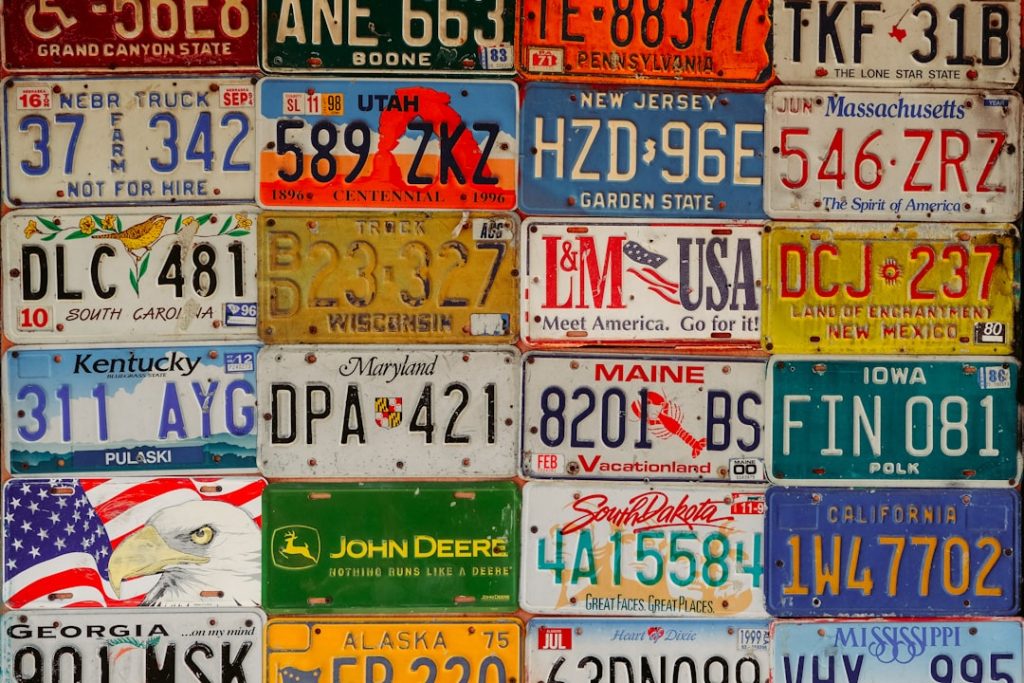
Imagine the thrill of owning a car, ready to hit the road, but there’s one vital step you can’t overlook: getting a license plate. It’s more than just a piece of metal; it’s your car’s identity on the highways and byways.
Without it, you’re not legally ready to drive. Have you ever wondered about the process? Whether you’re a first-time car owner or simply need a refresher, understanding how to get a license plate is crucial. In this guide, we’ll walk you through every step to ensure your ride is compliant and ready for the open road.
You’ll discover the essential details, avoid common pitfalls, and feel confident in handling this task. Let’s dive into the world of license plates and make sure your car is fully equipped to go wherever you desire.
Understanding License Plates
Understanding license plates is an essential part of owning a car. They are more than just a set of numbers and letters; they serve multiple purposes that are vital for both legal compliance and personal identification. If you’ve ever wondered why your car needs one and how they differ, you’re about to find out.
Purpose And Importance
License plates are primarily meant for identification. They link the vehicle to its owner and provide essential data to authorities, ensuring road safety and law enforcement efficiency. Without a plate, tracking a vehicle’s history or its involvement in incidents becomes nearly impossible. Have you ever thought about how much easier it is for police to solve cases with the help of a license plate?
Beyond identification, they play a crucial role in enforcing regulations. Whether it’s collecting tolls or monitoring traffic, license plates help maintain order. They are indispensable in fighting crime and maintaining public safety. Imagine the chaos on roads without them!
Types Of License Plates
Not all license plates are created equal. There are various types tailored for different needs and circumstances. For instance, standard plates are commonly issued for everyday vehicles. However, specialized plates exist for those who have specific requirements.
- Personalized Plates:These allow you to express individuality through custom combinations of numbers and letters.
- Dealer Plates:Used by car dealerships for vehicles that are yet to be sold.
- Temporary Plates:Issued for short-term use, often when purchasing a new car.
Knowing the type of plate you need can save you time and ensure compliance. Have you ever considered which type best suits your vehicle? Understanding these options can significantly simplify the process of getting your car road-ready.
Preparing For Application
Research your local DMV requirements to start the process. Gather necessary documents, including proof of ownership and identification. Submit your application and pay any required fees to obtain your license plate.
Preparing for Application Getting a license plate for your car might seem daunting at first, but breaking it down into manageable steps can make the process smooth and stress-free. Before you even think about heading to the Department of Motor Vehicles (DMV), it’s essential to gather everything you need. Being well-prepared not only saves time but also ensures you don’t make multiple trips.Gather Required Documents
Start by compiling all the necessary documents. This typically includes your vehicle’s title, proof of insurance, and a valid driver’s license. Having these documents ready will streamline the application process, reducing the chances of delays. Consider creating a checklist to ensure nothing is overlooked. Missing a single document could mean having to reschedule your entire day.Check State-specific Requirements
Each state has its own set of rules for registering a vehicle and obtaining a license plate. It’s crucial to familiarize yourself with these unique requirements. Visit your state’s DMV website for the most accurate and up-to-date information. This proactive step can prevent unexpected surprises and additional fees. Have you ever been caught off guard by a seemingly small detail? In the realm of vehicle registration, overlooking a state-specific requirement can lead to just that. Stay informed to avoid unnecessary hurdles.Applying For A License Plate
Obtaining a license plate for your car involves visiting the DMV or using online services. Prepare necessary documents, including proof of ownership and identification. Fees may vary depending on your location and vehicle type.
Applying for a license plate is a crucial step when getting your new car on the road. Whether you’ve just bought your dream car or inherited a family vehicle, ensuring it has a proper license plate is essential. Let’s explore the different ways you can apply for a license plate and get your car ready for the journey ahead.Online Application Process
Applying online is often the most convenient method. Many states offer digital services that allow you to apply for a license plate from the comfort of your home. Start by visiting your local DMV website. You’ll typically find a dedicated section for vehicle registration. Prepare your vehicle documents, including proof of ownership, insurance, and identification. These are often required to complete your application. Once you’re ready, fill out the online form with accurate details. Double-check for errors before submitting to avoid delays. Pay the required fees using a secure payment method offered by the DMV. Fees can vary, so make sure you’re aware of the total cost upfront. After submission, you might receive a confirmation email with tracking information. Stay alert for any follow-up instructions or notifications.In-person Application Process
If you prefer face-to-face interaction or have complex questions, visiting the DMV in person might be your best option. Before heading out, ensure you have all necessary documents in hand. This includes your driver’s license, proof of vehicle ownership, insurance, and any applicable inspection records. Expect to fill out a physical application form. It’s wise to arrive early to avoid long lines and ensure you have ample time to complete the process. Once your application is reviewed, you’ll pay the required fees directly at the counter. Cash, credit, or debit payments are usually accepted. Don’t hesitate to ask questions if you’re unsure about any part of the process. DMV staff are there to assist and guide you. Walking out with your license plate in hand is rewarding. You’ll leave knowing your car is legally ready for the road. How does the convenience of online services compare with the personal touch of in-person interactions for you?Temporary License Plates
Visit your local Department of Motor Vehicles (DMV) to apply for a temporary license plate. Provide vehicle details and pay the required fee. Temporary plates are issued while waiting for permanent registration.
Temporary license plates are a crucial aspect of vehicle ownership, offering a legal and practical solution when you’re in transition. These plates serve as a temporary measure, allowing you to drive your car legally while waiting for your permanent plates to be processed. Whether you’ve just bought a new car or are awaiting registration paperwork, temporary plates provide the flexibility you need to stay on the road without delay.When Temporary Plates Are Needed
Temporary plates come into play in several scenarios. If you’ve recently purchased a vehicle, you might need them while your registration is being processed. They are also essential if you’re transferring ownership or moving to a new state and waiting for official documents. Imagine you’ve just bought a car from a different state. You can’t wait to hit the road, but you need temporary plates to do so legally. These plates bridge the gap between purchase and full registration, ensuring you comply with local laws.How To Obtain Temporary Plates
Obtaining temporary plates is generally straightforward. Start by visiting your local Department of Motor Vehicles (DMV) or equivalent agency. Many DMV offices allow you to apply online, saving you time and hassle. Ensure you have all necessary documentation. Typically, you will need proof of insurance, a bill of sale, and identification. Fees vary, so checking the specific requirements of your state or region is wise. If you’re unsure, don’t hesitate to ask questions at the DMV. They are there to help and can guide you through the process efficiently. Remember, getting your temporary plates is just one step closer to enjoying your new car with peace of mind.Renewing License Plates
Getting a license plate for your car involves a few straightforward steps. Visit your local Department of Motor Vehicles (DMV) office. Bring necessary documents like car registration and proof of insurance. Pay the required fee, and receive your new license plate.
Renewing your car’s license plate is a crucial task that ensures you remain compliant with state regulations and keeps your vehicle roadworthy. Missing out on the renewal process can lead to fines and unnecessary stress. With a little preparation and understanding of the process, you can avoid the last-minute rush and keep your vehicle in good standing.Renewal Process
Renewing your license plate is often more straightforward than it seems. Most states offer multiple ways to renew, such as online, via mail, or in-person at the Department of Motor Vehicles (DMV). Online renewal is the most convenient option, allowing you to complete the process from the comfort of your home. You’ll typically need your vehicle’s registration details and a credit card for payment. If you prefer the traditional way, mailing the necessary documents and payment to your DMV is another option. It’s wise to send your renewal well in advance to account for mailing times. Visiting the DMV in person is ideal if you have questions or need immediate assistance. Remember to bring all required documents, such as your current registration and proof of insurance.Fees And Deadlines
Understanding the fees associated with license plate renewal can save you from unexpected charges. Fees vary depending on your state, vehicle type, and any additional services you might opt for. You can usually find a detailed fee structure on your DMV’s website. Be sure to check if there are any discounts available for veterans or seniors. Deadlines are crucial; missing them can result in penalties or even a suspension of your registration. Renewal notices are often sent out a month before your current registration expires. Mark the date on your calendar or set a reminder on your phone. Have you ever faced a renewal deadline with just days to spare? That sense of urgency can be a wake-up call to better manage your renewal schedule. Staying informed and organized can make renewing your license plate a smooth and stress-free experience.Replacing Lost Or Damaged Plates
Need to replace a lost or damaged license plate? Visit your local Department of Motor Vehicles. Bring required documents like identification and vehicle registration. Fill out the necessary forms and pay the fee to get a new plate.
Replacing a lost or damaged license plate can be stressful. It is essential to understand the process to keep your vehicle compliant. Thankfully, replacing plates is usually straightforward. Follow the steps below to make the process smooth.Steps To Replace Plates
First, visit your local Department of Motor Vehicles (DMV) office. Bring necessary documents like vehicle registration and identification. Some DMVs offer online services for plate replacement. Check if you can apply through their website. Fill out the replacement form accurately. Ensure all information matches your vehicle’s registration details. Submit the completed form along with any required documents. Pay the replacement fee, if applicable. Once approved, the DMV will issue new plates. Install the new plates securely on your vehicle.Costs Involved
Replacing lost or damaged plates often involves a fee. The cost varies by state and DMV policies. Some states charge a flat fee for replacement. Others may have additional charges for special plates. Check with your local DMV for exact pricing. Budget accordingly to avoid surprises. Keep the receipt as proof of payment. Having up-to-date plates ensures you comply with state laws.Personalized And Specialty Plates
Personalized and specialty license plates add a unique touch to your vehicle. They offer a chance to express individuality or support a cause. These plates can feature custom designs, letters, or numbers. Many drivers enjoy the creative freedom these plates offer. This section explores options and the application process.
Options For Personalization
Personalized plates allow custom combinations of letters and numbers. You can choose a nickname, hobby, or message. Some states offer themed designs, like sports or wildlife. Consider the guidelines for character limits and restricted words. Check available designs on your local DMV website.
Application Process For Specialty Plates
Applying for specialty plates involves several steps. First, visit your state’s DMV website. Look for the specialty plate section. Select your preferred design or cause. Fill out the application form with your choice. Pay the required fee and submit your application. Wait for approval and delivery of your plates.
Common Mistakes To Avoid
Skipping important paperwork and not checking local regulations can delay getting your car’s license plate. Ensure all documents, including proof of ownership and insurance, are ready before visiting the registration office. Avoid using temporary plates for too long to prevent legal issues.
Getting a license plate for your car seems straightforward, but there are common pitfalls that can lead to delays and frustration. Avoiding these mistakes can save you time, energy, and even money. Let’s look at some of the typical errors people make and how you can steer clear of them.Incomplete Applications
One of the most frequent mistakes is submitting an incomplete application. Missing information, such as your vehicle identification number (VIN) or proof of insurance, can halt the process. Double-check all required fields and documents before submission. Consider creating a checklist to ensure nothing is overlooked. It might seem tedious, but a few minutes of preparation can prevent weeks of delay. Have you ever had that sinking feeling when your application is returned? Avoid that by taking the extra time to review everything.Missing Deadlines
Another common issue is missing crucial deadlines. Every state has its timeline for registration, and missing these can result in fines or penalties. Set reminders on your phone or calendar to keep track of due dates. Imagine standing in line at the DMV only to find out you’re late. It’s not just inconvenient but potentially costly. Stay ahead of the game by marking your calendar well in advance and planning your visit accordingly. Procrastination can be tempting, but it’s your responsibility to act promptly. What strategies can you implement to ensure you never miss a deadline again?Frequently Asked Questions
How Much Are License Plates In Texas?
Texas license plates cost $50. 75 annually for most vehicles. Fees may vary for specialty plates. Additional fees apply for custom plates. Visit the Texas Department of Motor Vehicles website for more details and specific pricing.
How To Get License Plates In Texas For A New Car?
Visit the Texas Department of Motor Vehicles (DMV) office. Bring necessary documents like the vehicle title, proof of insurance, and identification. Complete the Application for Texas Title and/or Registration form. Pay the required fees to receive your license plates.
What Is Required To Register A Vehicle In Tx?
To register a vehicle in Texas, provide proof of ownership, insurance, and identification. Complete the Application for Texas Title and/or Registration form. Pay fees for title, registration, and any applicable taxes. Get the vehicle inspected if required. Visit your local county tax office to finalize registration.
How Do I Apply For A License Plate?
To apply for a license plate, visit your local DMV office. Complete the required application form and provide necessary documents like your vehicle’s title and proof of insurance. Pay the applicable fees to finalize the process. Check your state’s DMV website for any specific requirements or additional steps.
Conclusion
Getting a license plate is simple. Start with gathering required documents. Visit your local DMV office. Fill out the application form. Pay the necessary fees. Wait for processing. Receive your new license plate. Attach it to your car properly. Remember to follow local rules.
Keep your registration up to date. This ensures you drive legally. Always check for changes in requirements. Stay informed to avoid any issues. You’re now ready to enjoy your drive. Safe travels on the road ahead!