
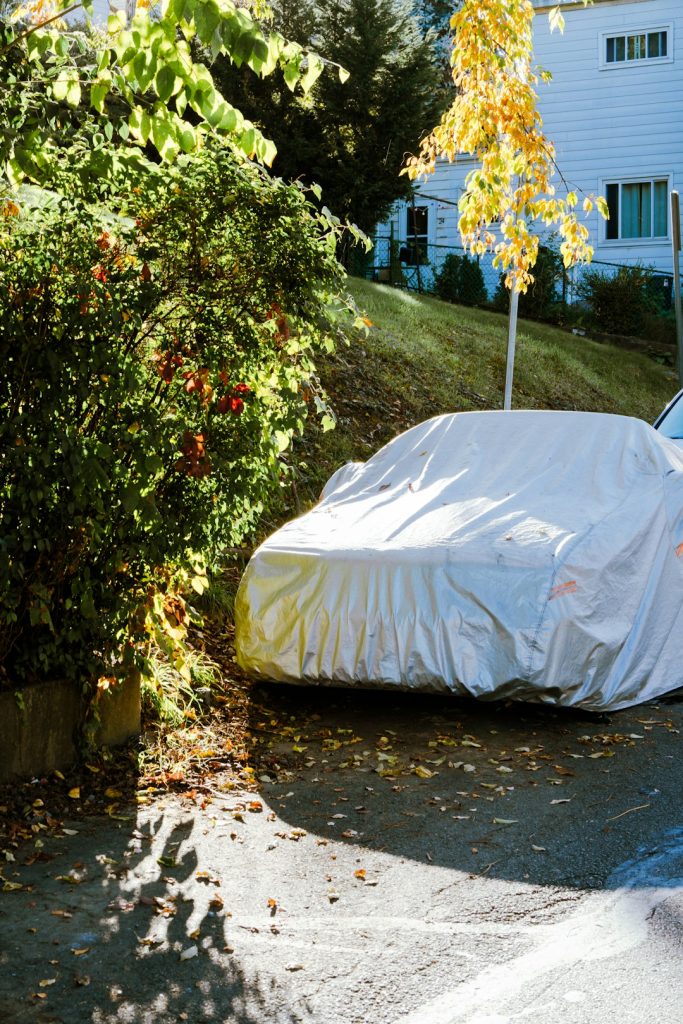
Have you ever wondered if car covers are actually good for your car? You might be surprised to learn that while they are designed to protect your vehicle, they could potentially do more harm than good if not used correctly.
This topic is crucial for anyone who wants to keep their car in top condition. You invest time and money into your car, so understanding how to protect it properly is important. Dive into this article to uncover the truth about car covers, ensuring you make the best choice for your prized possession.
Are you ready to find out if your car cover is helping or hurting your vehicle? Let’s explore the real impact of car covers and what you need to know to keep your car safe.
Pros Of Using Car Covers
Car covers offer significant benefits for vehicle owners. They shield cars from various elements. This protection can extend the lifespan of your vehicle. Let’s explore the advantages of using car covers.
Protection From Weather Elements
Car covers protect against harsh weather. They block harmful UV rays from the sun. This prevents paint from fading. During rain or snow, covers keep moisture away. This helps prevent rust and corrosion. Wind can blow debris, but covers shield your car.
Guarding Against Dust And Debris
Dust accumulates quickly on cars. A cover keeps dust off the surface. It also prevents debris from settling. This reduces the need for frequent cleaning. A clean car looks better and lasts longer.
Preventing Scratches And Dents
Car covers act as a protective layer. They prevent minor scratches from daily interactions. Parking lots can be dangerous for car exteriors. Covers guard against accidental bumps and dents. Keeping a cover on reduces potential damage.
Cons Of Using Car Covers
Car covers might trap moisture, leading to rust and paint damage. Rough materials can scratch the car’s surface. Poorly fitting covers can cause chafing due to wind movement.
Car covers, while often seen as a protective solution, can sometimes pose problems for your vehicle. Though they provide a shield against external elements, certain drawbacks might make you think twice before wrapping your car in one. Let’s dive into some of the cons that you should be aware of.Potential For Paint Damage
Car covers are usually designed to be gentle, but not all of them are created equal. Some materials, especially those that are abrasive, can rub against your car’s paint. This friction can lead to unsightly scratches or dull patches over time. Have you ever noticed tiny scratches after removing a cover? It’s frustrating and can be costly to repair. Choosing a cover with a soft inner lining might help, but it’s not always a guarantee.Moisture Retention Issues
Although car covers can protect against rain, they might inadvertently trap moisture. This can become a breeding ground for mold and mildew, potentially damaging your car’s exterior. Imagine peeling off a cover to find a damp, unpleasant smell or even mold spots. That’s a scenario no car owner wants to face. Ensuring good ventilation or using breathable materials can mitigate this, yet it’s a risk worth considering.Difficulty In Proper Fit
Finding a car cover that fits perfectly can be a challenge. A cover that’s too tight can strain and warp the surface, while one that’s too loose may not offer adequate protection. Ever tried wrestling with a cover that just won’t fit right? It’s not only irritating but can also lead to inefficiency in protection. Custom-fit covers are an option, but they often come at a higher price point. Would you invest more for a better fit or risk potential damage?Choosing The Right Car Cover
Choosing the right car cover is crucial for protecting your vehicle. A good cover can shield your car from dust, dirt, and weather elements. It also prevents scratches and keeps the paint job intact. Making the right choice involves considering several factors.
Material Considerations
The material of a car cover affects its performance. Cotton covers are gentle on paint but not waterproof. Polyester blends offer better protection against rain. Look for breathable materials to prevent moisture buildup. Some covers come with UV protection for sunny areas. Assess your needs before selecting.
Size And Fit Importance
A proper fit ensures maximum protection. Measure your car carefully. Universal covers may not fit snugly. A tight fit prevents debris from getting underneath. It also stops the cover from flapping in the wind. Custom-fit covers offer the best protection. They are worth the investment.
Indoor Vs Outdoor Covers
Indoor covers are designed for garage use. They guard against dust and minor bumps. Outdoor covers offer robust weather protection. Consider weather patterns in your area. Some covers are suitable for both settings. Decide based on your parking situation.
Proper Usage Tips
Car covers can protect your vehicle from various elements. Using them correctly is essential to avoid potential harm. Proper usage ensures your car stays safe without any unintended damage. Here are some tips to help you use car covers effectively.
Securing The Cover Correctly
Make sure the cover fits your car snugly. Loose covers can flap and scratch the paint. Use straps or ties to hold it in place. Check that the cover’s edges are smooth and won’t catch on sharp parts.
Regular Cleaning And Maintenance
Keep your car cover clean to prevent dirt buildup. Dirt can scratch the car’s surface. Wash the cover using mild soap and water. Dry it completely before putting it back on the car. Check for any tears or wear regularly.
Avoiding Common Mistakes
Don’t cover a wet car. Moisture can cause mold and rust. Avoid using a cover on a freshly painted vehicle. Paint needs time to cure. Don’t leave the cover on for extended periods without checking. Long use can trap moisture underneath.
Alternatives To Car Covers
Car covers might not always be the best option for protecting your vehicle. They can trap moisture, leading to potential damage. Exploring alternatives can provide better protection for your car. Below are some effective options that can keep your car in pristine condition.
Carports And Garages
Carports and garages offer solid protection from the elements. They shield your car from rain, snow, and intense sunlight. A garage provides enclosed protection, while a carport offers a covered space. Both options reduce weather-related wear and tear. This can extend your car’s lifespan significantly.
Wax And Sealant Protection
Applying wax and sealants helps protect your car’s paint. These products create a barrier against dirt, UV rays, and moisture. Wax enhances your car’s shine, making it look new. Regular application is key for maintaining effectiveness. Choose quality products for the best results.
Regular Cleaning Practices
Regular cleaning keeps your car looking great. It removes dirt and grime that can harm the paint. Wash your car weekly for the best results. Use a microfiber cloth to avoid scratches. Don’t forget to clean the undercarriage and wheels. Consistent cleaning prevents long-term damage.
Frequently Asked Questions
What Are The Disadvantages Of Car Covers?
Car covers can trap moisture, leading to mold and mildew. They may scratch paint if not properly fitted. Covers can be cumbersome to store and use. They may not fully protect against extreme weather conditions. Some covers can fade or deteriorate over time, reducing effectiveness.
Is It Good To Put A Car Cover On Your Car?
Using a car cover protects your vehicle from dust, UV rays, and weather damage. It helps prevent scratches and maintains the car’s finish. Choose a breathable, high-quality cover for best results. Regular use can extend your car’s lifespan and maintain its value.
Does A Car Cover Damage Your Car?
A car cover can cause damage if it traps dirt or moisture. Choose a breathable, properly fitting cover to prevent scratches and paint damage. Regularly clean both your car and the cover to maintain protection.
Does A Car Cover Do More Harm Than Good?
A car cover offers protection against weather damage, dust, and scratches. It can prevent harmful UV rays from fading paint. Some covers might trap moisture, which could lead to mold or corrosion. Ensure using breathable material to avoid these issues.
Proper use generally provides more benefits than harm.
Conclusion
Car covers can protect or harm. It depends on usage. A quality cover shields against dust and scratches. Choose breathable materials to prevent moisture buildup. Avoid covers in windy areas to reduce scratches. Always fit the cover properly. It must not be too tight or loose.
Check for a soft inner lining. This helps avoid paint damage. Use a cover carefully to benefit your car. Regular inspections ensure no harm occurs. Car covers can be a wise investment. Handle with care for the best results.