
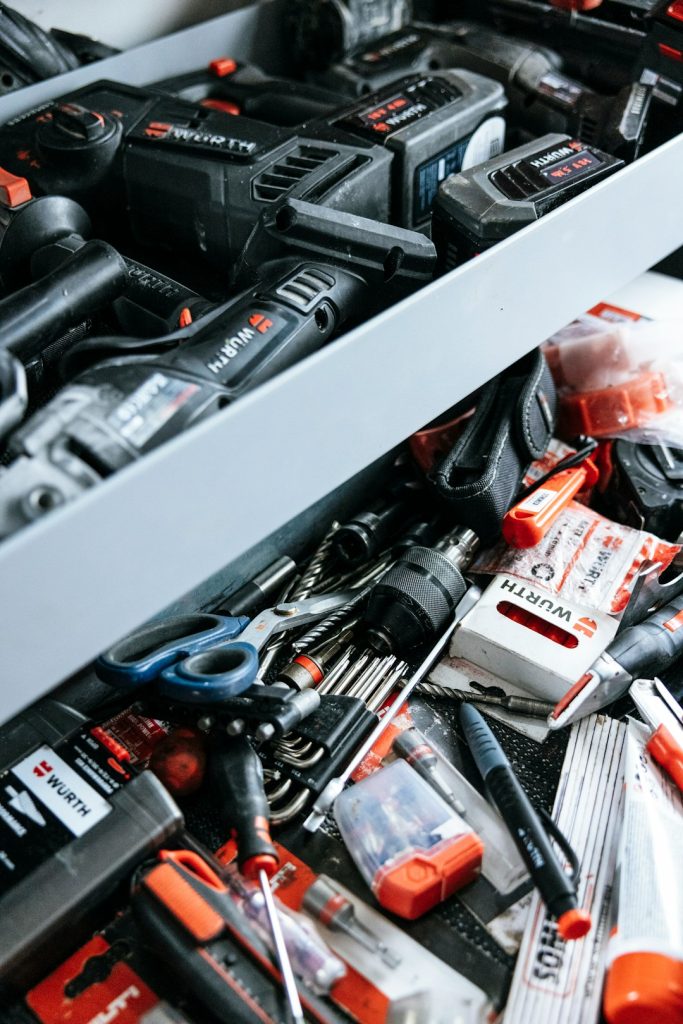
Changing your car battery might seem daunting at first, but with the right tools, it can be a straightforward task that saves you both time and money. Imagine the satisfaction of knowing that you have the power to solve this common car maintenance issue on your own.
You don’t have to rely on pricey mechanics or waste time waiting for roadside assistance. By learning what tools you need to change your car battery, you can gain confidence and independence in handling your vehicle’s needs. We’ll guide you through the essential tools required to change a car battery.
Whether you’re a beginner or someone who simply wants to refresh your knowledge, you’ll find this information valuable and easy to follow. Get ready to empower yourself with the know-how to tackle this task effortlessly. Your car’s reliability and your peace of mind depend on it. Let’s dive into the tools that will help you master this skill.
Safety Gear
Safety goggles and gloves are essential for changing a car battery. They protect your eyes and hands from harmful substances. Always ensure you’re using these protective items to stay safe.
Changing a car battery might seem straightforward, but safety should be your top priority. It’s easy to overlook the importance of proper safety gear when you’re eager to get your car running again. However, neglecting these precautions can lead to injuries or accidents. Equipping yourself with the right gear not only protects you but also boosts your confidence in handling the task. Let’s dive into the essential safety equipment you need.Gloves
Wearing gloves is crucial when dealing with car batteries. Batteries contain acid that can cause burns or irritation if it comes into contact with your skin. A good pair of rubber or latex gloves will shield your hands from harmful substances. Plus, they provide a better grip on tools and battery terminals, reducing the risk of slipping. Imagine trying to maneuver a heavy battery without gloves, and it suddenly slips from your grasp. Avoid such scenarios by having a sturdy pair of gloves at the ready. They’re inexpensive, but the protection they offer is invaluable.Safety Glasses
Your eyes are especially vulnerable when working with car batteries. Battery acid can splash unexpectedly, and even a small droplet can cause severe eye damage. Safety glasses act as a barrier, preventing any harmful substances from reaching your eyes. Think about how often you blink when a tiny speck of dust flies into your eye. Now, imagine that speck is corrosive acid. It’s a risk you don’t want to take. Safety glasses are lightweight and comfortable, making them an easy addition to your safety gear lineup. By investing in these simple pieces of safety gear, you ensure that your battery-changing experience is both safe and successful. Have you ever underestimated the importance of safety gear? Share your thoughts in the comments below!Basic Tools
Changing a car battery requires basic tools like a wrench set, gloves, and safety glasses. A battery terminal cleaner can help ensure a secure connection. Having a battery terminal puller can also make the process easier.
Changing a car battery doesn’t require a garage full of tools. With a few basic tools, you can accomplish this task efficiently. These tools help loosen, tighten, and remove parts safely. Having the right tools ensures the process is smooth and hassle-free. Let’s explore the essential tools needed for this job.Wrench Set
A wrench set is crucial for loosening the battery terminals. Different cars may have varying sizes of nuts. A set ensures you have the right size handy. Adjustable wrenches can also be useful if you’re uncertain about the size. Make sure the wrench grips well to avoid slipping.Screwdrivers
Screwdrivers come in handy for removing any screws holding the battery in place. Both flathead and Phillips types may be needed. Ensure they’re in good condition for a firm grip. A magnetic tip can prevent losing screws during removal.Battery-specific Tools
Gather the right tools to change a car battery with ease. A wrench, pliers, and gloves are essential. Keep a battery cleaner and a wire brush handy for maintenance.
Changing a car battery might seem straightforward, but having the right tools can make the process smooth and hassle-free. Battery-specific tools are essential to ensure you do the job safely and effectively. These tools not only protect your battery but also ensure the longevity of your car’s electrical system. Let’s dive into some of these indispensable tools, starting with a few that might surprise you with their importance.Battery Terminal Cleaner
A battery terminal cleaner is vital to maintaining a strong connection between your battery and your car. Dirty or corroded terminals can lead to poor electrical performance or even prevent your car from starting. Using a terminal cleaner ensures these connections remain pristine. You might recall a time when your car hesitated to start, and a simple cleaning resolved the issue. Regularly cleaning the terminals can prevent such inconveniences. It’s a small investment that pays off with consistent vehicle performance. Have you checked your terminals lately?Battery Hold Down Clamp
A battery hold down clamp is often overlooked but plays a crucial role in securing your battery in place. Without it, your battery can shift, potentially causing damage or disconnections. If you’ve ever driven on a bumpy road and noticed strange noises, it might be your battery moving around. This simple clamp prevents such issues, ensuring your battery stays put even on rough terrain. Imagine the peace of mind knowing your battery is secure. Is your battery hold down clamp doing its job?Testing Equipment
Changing a car battery requires essential tools like a wrench to loosen bolts and a battery terminal cleaner for corrosion. A pair of gloves and safety goggles ensure protection during the replacement process.
Changing a car battery might seem straightforward, but ensuring the new battery is in good working condition requires testing equipment. Before you roll up your sleeves, it’s essential to have the right tools to test the battery’s health. This not only saves time but also prevents potential issues down the road. Let’s delve into two critical tools: the multimeter and the battery tester.Multimeter
A multimeter is a versatile tool that measures voltage, current, and resistance. It’s invaluable for checking the voltage of your car battery. A healthy car battery should read around 12.6 volts when the engine is off. If your reading is significantly lower, it might be time for a replacement. Using a multimeter is straightforward. Set it to the DC voltage setting and connect the probes to the battery terminals. It’s a quick check that can tell you a lot about the battery’s current state. Investing in a good multimeter can also help diagnose other electrical problems in your car, making it a handy tool for any vehicle owner.Battery Tester
A battery tester goes a step further than a multimeter by measuring the battery’s ability to hold a charge. It simulates the load a battery would experience while starting the engine. This gives a clear picture of its health beyond just voltage levels. Battery testers are user-friendly and often come with easy-to-read digital displays. Just connect the tester to your battery, and within seconds, you’ll know if your battery is good, weak, or needs replacing. These testers can provide peace of mind, especially before long trips where a dead battery is the last thing you need. Have you ever been stranded due to a faulty battery? A battery tester could be your new best friend. Incorporating these tools into your car maintenance routine can save you time and money. They’re an investment in your vehicle’s reliability and your peace of mind.Additional Supplies
Changing a car battery is not just about having the right tools. Additional supplies ensure the process is smooth and safe. These supplies help protect your car and extend the battery’s life. With a few extra items, you can avoid future issues. Let’s explore some essential supplies.
Battery Terminal Grease
Battery terminal grease is vital for preventing corrosion. This grease forms a protective layer over the terminals. It keeps moisture and dirt at bay. Corroded terminals can hinder the battery’s performance. Applying grease extends the battery’s life and ensures a reliable connection. You only need a small amount to cover the terminals. It’s easy to apply and doesn’t take much time. Investing in terminal grease saves you from future headaches.
Cable Ties
Cable ties are handy for organizing loose wires. They secure cables, preventing them from moving around. This reduces wear and tear on the wires. Neatly tied cables improve the overall look under the hood. They also make future maintenance easier. Cable ties are affordable and come in various sizes. Choose a size that fits your needs. Keeping the battery area tidy boosts its functionality and safety.
Disposal And Recycling
Changing a car battery requires simple tools. Gather a wrench or socket set to remove battery terminals. Use gloves for safety and a wire brush to clean terminals.
Changing a car battery might seem straightforward, but the aftermath of the process involves responsible disposal and recycling, which is equally important. Not only is it crucial for environmental preservation, but it’s also mandated by law in many regions. Properly disposing of your old car battery ensures harmful chemicals don’t leak into the soil or water systems. But how do you go about this task effectively? Let’s explore some practical tools and locations that will help you dispose of and recycle your car battery safely and responsibly.Battery Disposal Bags
To start with, using battery disposal bags is a smart move. These specialized bags are designed to safely contain the battery, preventing any leakage of acid or other hazardous materials during transport. They’re typically made from durable, leak-proof materials, ensuring that your old battery doesn’t cause harm before it reaches its recycling destination. You can often find these bags at auto shops or online retailers. Investing in one not only protects the environment but also makes transportation easier. Imagine the peace of mind knowing your vehicle isn’t at risk of contamination from a leaking battery.Local Recycling Center
Once you’ve safely bagged your old battery, the next step is to find a local recycling center. Many communities have designated centers that specialize in handling hazardous waste, including car batteries. These centers ensure that batteries are recycled properly, recovering valuable materials like lead and plastic while safely handling the acid. Research your local facilities online or give them a call to confirm they accept car batteries. Some centers even offer pick-up services, adding convenience to the responsible act of recycling. Have you ever considered how often we overlook the impact of recycling on our environment? By visiting your local recycling center, not only are you contributing to environmental conservation, but you’re also participating in a community effort to responsibly manage waste.Frequently Asked Questions
What Size Nut Holds A Car Battery?
Car battery terminals typically use a 10mm nut. Ensure you have the correct wrench size for installation or removal. Always check the manufacturer’s specifications for precise requirements. Proper nut size ensures secure battery connection and optimal vehicle performance.
Can I Use Pliers To Change Car Battery?
It’s not recommended to use pliers for changing a car battery. Use a proper wrench or socket. Pliers can slip or damage battery terminals, leading to safety hazards. Always prioritize safety and use the right tools for car maintenance tasks.
Do I Connect Black Or Red First?
Connect the red cable to the positive terminal first. Ensure it’s secure before attaching the black cable to the negative terminal. This sequence reduces the risk of short circuits and sparks, ensuring safety during battery connection. Always follow proper safety measures while handling car batteries.
Is It Hard To Replace A Battery Yourself?
Replacing a battery yourself can be challenging. It requires basic tools and some technical know-how. Always consult your device’s manual for guidance. If unsure, seek professional help to avoid damage or injury. Proper disposal of the old battery is crucial for safety and environmental reasons.
Conclusion
Changing a car battery is easier with the right tools. Always have gloves for safety. A wrench helps loosen battery terminals. Use a battery brush to clean corrosion. A voltage tester ensures battery health. These tools keep the process smooth.
Remember, preparation matters. Having all tools ready saves time. Don’t forget to wear protective gear. Safety first, always. Follow these tips for a hassle-free battery change. The right tools make the job simpler. With practice, it becomes routine. Anyone can do it with care and patience.
Keep these tools handy for future battery changes.