
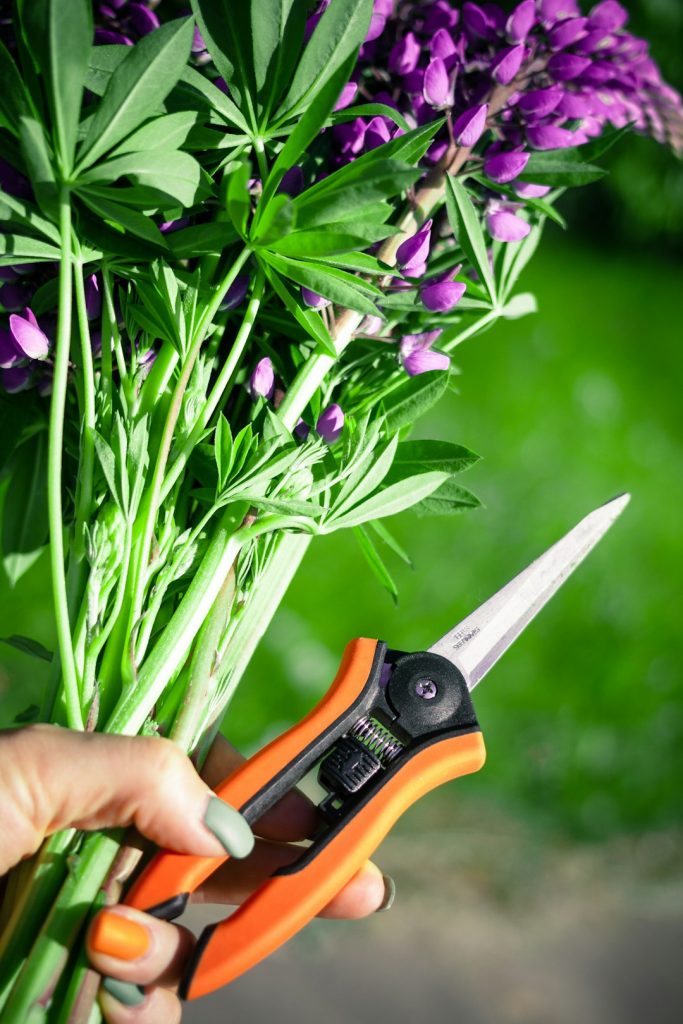
Imagine stepping into your garden, ready to nurture your plants, only to find your trusty trowel looking rusty and your shears refusing to cut. Frustrating, isn’t it?
Your gardening tools are more than just accessories; they are your partners in cultivating beauty and life. But, like any relationship, they need care and attention to stay in top shape. Neglecting them could lead to poor performance and even damage your beloved plants.
So, how can you ensure your tools are always ready to help you create your garden paradise? You’ll discover simple and effective ways to maintain your gardening tools, prolong their lifespan, and enhance your gardening experience. Get ready to transform your garden chores into a seamless and satisfying routine!
Choosing The Right Tools
Selecting the right tools ensures proper care and longevity. Choose rust-resistant materials for durability. Opt for ergonomic designs to ease handling and reduce strain.
Choosing the right tools is a pivotal step for any gardener, whether you’re a seasoned pro or just getting your hands dirty for the first time. The right tools not only make your gardening tasks easier, but they also enhance your efficiency and effectiveness. Imagine wielding a sharp, well-balanced pruner—it feels like an extension of your own hand, transforming tedious tasks into enjoyable experiences.Essential Gardening Tools
Every gardener needs a set of basic tools to tackle routine tasks. A sturdy spade, a reliable pair of gloves, and a durable hand trowel are must-haves. These essentials form the backbone of any gardener’s toolkit, allowing you to dig, plant, and protect your hands with ease. Pruning shears are another crucial tool, offering precision for cutting back plants and shrubs. A good quality hose ensures your plants are watered efficiently, while a wheelbarrow can transport soil and compost effortlessly.Specialized Tools For Specific Tasks
As your gardening skills grow, you might find the need for more specialized tools. Loppers are excellent for reaching higher branches without a ladder. They provide the leverage needed to prune thick branches with minimal effort. If you’re into vegetable gardening, consider investing in a hoe for effective weed control. It allows you to quickly slice through weeds without disturbing your plant roots. Garden forks are perfect for aerating soil and breaking up dense ground. Their strong tines penetrate hard soil, making them ideal for preparing beds for planting. Is there a particular task in your garden that seems to take forever? Perhaps a specialized tool could be the solution. The right tool can transform a laborious task into a quick, satisfying accomplishment.Cleaning Tools Properly
Regular cleaning prevents rust and wear on gardening tools. Wipe dirt off with a damp cloth after use. Store tools in a dry place to prolong their life.
Cleaning your gardening tools is more than just a task; it’s an investment in their longevity and performance. Proper cleaning ensures your tools remain effective and easy to use, avoiding rust and wear that can compromise their efficiency. You’ve likely experienced the frustration of trying to dig with a dull shovel or prune with sticky shears. With consistent care, you can prevent these issues and keep your tools in top shape.Cleaning Techniques For Different Materials
Different materials require different approaches to cleaning. Metal tools, like shovels and trowels, often benefit from a thorough scrub with a wire brush to remove soil and rust. On the other hand, wooden handles need a gentler touch; wiping them down with a damp cloth helps maintain their integrity without causing damage. Plastic tools, though durable, should be rinsed to prevent cracking over time from accumulated dirt. Consider the material before deciding on your cleaning method. What type of tools do you mostly use, and how do you currently clean them?Using Eco-friendly Cleaning Solutions
Eco-friendly cleaning solutions are not only better for the environment but also for your garden. Consider using a mixture of vinegar and baking soda, a natural yet effective cleaner, to scrub your metal tools. For wooden handles, a mild soap solution can clean without stripping away the natural oils. Have you tried using lemon juice to polish and disinfect metal surfaces? It’s surprising how well it works. Using non-toxic solutions not only protects your plants from harmful residues but also keeps your soil healthy.Sharpening And Maintenance
Gardening tools are essential companions for every gardener, but they demand regular care to ensure they perform at their best. Sharpening and maintenance are crucial aspects that can prolong the life of your tools and enhance your gardening experience. Imagine slicing through soil effortlessly with a sharp spade, or pruning with precision using well-maintained shears. Regular attention to these details can make gardening less of a chore and more of a joy.
Sharpening Blades And Edges
Sharp blades make all the difference when you’re digging, cutting, or pruning. Dull edges can not only make tasks harder but also damage plants. Invest in a good quality file or sharpening stone to keep your tools’ edges in top condition. Consider setting up a regular schedule—perhaps the start of each season—to ensure your tools are always ready to go.
Start by cleaning the blades thoroughly to remove dirt and debris. Then, hold the tool at the appropriate angle, usually around 20 to 30 degrees, and use a smooth, consistent motion to sharpen. Pay attention to the blade’s original shape and maintain it during sharpening. Have you ever noticed how much easier it is to prune once your shears are sharp?
Lubricating Moving Parts
Moving parts, such as those in pruning shears or hedge trimmers, need regular lubrication to function smoothly. Without proper care, rust and stiffness can set in, making your gardening tasks unnecessarily strenuous. Apply a light oil, like 3-in-1 oil or WD-40, to the joints and hinges to keep them moving freely.
After cleaning, apply a few drops of oil and work the tool to ensure the lubricant reaches all the necessary areas. Wipe off excess oil to prevent attracting dirt. Have you ever been frustrated by a stiff tool? Regular lubrication can prevent this, making your gardening experience seamless.
What’s your favorite way to keep your gardening tools sharp and well-maintained? Share your tips in the comments below!
Storing Tools Correctly
Proper storage keeps gardening tools in good condition. Clean and dry them before storing to prevent rust. Use hooks or racks for organized storage in a shed or garage.
Storing gardening tools correctly extends their life and keeps them efficient. Proper storage prevents damage and ensures tools are ready for use. It also helps maintain a tidy and organized garden space.Ideal Storage Conditions
Store tools in a dry, cool place. Avoid direct sunlight to prevent handles from cracking. Hang tools on a wall or place them in a toolbox. This saves space and keeps them accessible.Preventing Rust And Damage
Clean tools before storing to remove dirt and moisture. Apply a thin layer of oil to metal parts to prevent rust. Check wooden handles for splinters. Sand and oil them to maintain their condition. Use pegboards or wall hooks to prevent tools from touching the ground. This reduces exposure to moisture and potential damage.Seasonal Care Tips
Gardening tools are the unsung heroes of any flourishing garden, but they often get neglected once the planting season is over. Taking a few moments each season to care for your tools can extend their lifespan and keep your garden thriving. Whether you’re gearing up for a winter hibernation or a summer surge, these seasonal care tips will help you maintain your gardening tools in top condition.
Winterizing Gardening Tools
As the chill of winter approaches, it’s vital to protect your tools from rust and damage. Start by cleaning every tool thoroughly. Use a stiff brush to remove caked-on dirt and debris. Dry them completely to prevent rust.
- Sharpen blades to ensure they’re ready for spring. A dull blade can harm plants and make your work harder.
- Apply a thin coat of oil to metal parts to prevent rust. Linseed oil is a great choice.
- Check wooden handles for splinters or cracks. Sand them down and apply a wood conditioner for protection.
Store your tools in a dry place. Consider hanging them to prevent moisture build-up. Your tools will thank you when spring comes around.
Summer Maintenance Strategies
Summer is the peak time for gardening, and so is tool maintenance. Regular checks can prevent unexpected breakdowns. Before each use, give your tools a quick inspection. Look for any signs of wear and tear.
- Hose off tools after use to remove dirt. This prevents rust and keeps them sharp.
- Keep a sharpening stone or file handy. A quick sharpen can save you time and effort.
- Lubricate moving parts regularly. Use a spray lubricant for easy application.
Store tools in the shade when not in use. Direct sun can damage handles and dull blades. By maintaining your tools, you ensure they remain reliable and effective, just like your garden.
Have you ever thought about how a little care now can save you money and effort in the long run? Your tools are an investment, treat them well!
Repairing Damaged Tools
Proper care extends the life of gardening tools. Clean blades after use to prevent rust. Sharpen edges regularly for efficiency, and oil moving parts to keep them smooth. Repairing damaged tools promptly ensures they’re ready for next season.
Repairing damaged gardening tools can save both time and money. Regular use may wear out your tools, but simple repairs can extend their life. Whether it’s a chipped shovel or a rusted pruner, knowing how to fix them is essential. Let’s delve into the steps to identify and repair common tool issues.Identifying Common Issues
Gardening tools face many challenges. Rust is a frequent problem, especially on metal parts. Wooden handles may splinter or break over time. Blades and edges can become dull or chipped. Loose screws or bolts can make tools difficult to use. Recognizing these issues early helps in planning repairs. Regular checks keep tools in good condition.Diy Repair Techniques
Fixing gardening tools doesn’t require special skills. For rust, use a wire brush or sandpaper to clean the metal. Apply a rust remover if needed. To fix wooden handles, sand down splinters and apply wood glue to cracks. Replace the handle if it’s severely damaged. Sharpen dull blades with a file or sharpening stone. Tighten loose screws or bolts with a wrench or screwdriver. Regular maintenance ensures tools remain efficient.Extending Tool Lifespan
Proper cleaning and storage can extend the lifespan of gardening tools. Regularly remove dirt and moisture to prevent rust. Sharpen blades and oil moving parts to maintain their efficiency and longevity.
Extending the lifespan of your gardening tools is not just about keeping them clean; it’s about ensuring that they are always ready for the next planting season. This proactive approach saves you money and enhances your gardening experience. Imagine reaching for your trusty trowel, only to find it dull or rusted—it’s not just frustrating but can also hamper your gardening efforts.Regular Inspections
Regularly inspect your gardening tools to catch any signs of wear and tear early. Look for rust, loose screws, or cracks in handles. A quick visual check every few weeks can prevent minor issues from becoming major problems. During one of my routine checks, I noticed a small crack in the handle of my favorite shovel. Fixing it promptly saved me from buying a new one. These inspections are simple yet crucial.Replacing Parts As Needed
Don’t hesitate to replace parts when necessary. A dull blade or a splintered handle can make gardening more difficult and less enjoyable. Many tool manufacturers offer replacement parts, making it cost-effective to maintain your tools. Consider keeping a small toolkit with essential replacement parts like screws and handles. This readiness allows you to address issues immediately, ensuring your tools are always in peak condition. Have you ever been mid-project only to realize your shears don’t cut like they used to? Replacing the blade can make them feel brand new, enhancing your gardening efficiency.Frequently Asked Questions
What Is The Best Way To Maintain Garden Tools?
Clean tools after use to prevent rust. Sharpen blades regularly for efficiency. Oil moving parts to ensure smooth operation. Store in a dry place to avoid moisture damage. Inspect for wear and repair promptly to extend their lifespan.
Should You Oil Your Garden Tools?
Yes, oiling garden tools prevents rust and ensures smooth operation. Clean tools first, then apply a thin layer of oil. Regular maintenance extends their lifespan. Use vegetable or machine oil for best results. Properly oiled tools improve gardening efficiency and reduce effort.
Keep them stored in a dry place.
What Is The Best Way To Store Garden Tools?
Store garden tools in a dry, organized space. Use wall racks for hanging and pegboards for smaller items. Keep larger tools upright in a corner. Regularly clean and oil tools to prevent rust. Secure sharp tools for safety, and label shelves or bins for easy access.
What Oil To Use To Protect Garden Tools?
Use linseed oil or mineral oil to protect garden tools. These oils prevent rust and maintain tool longevity. Apply a thin coat after cleaning to ensure optimal protection. Regular maintenance with these oils keeps tools in good condition, making gardening easier and more efficient.
Conclusion
Caring for gardening tools ensures they last longer and work well. Regular cleaning removes dirt and rust. Proper storage prevents damage and keeps tools safe. Sharpening blades maintains efficiency in cutting. Oiling moving parts prevents rust and keeps tools smooth.
Inspect tools for wear and repair issues quickly. Avoid leaving tools out in bad weather. Use tool covers for extra protection. Remember, well-maintained tools make gardening tasks easier and more enjoyable. Invest time in care, and your tools will serve you better.
Happy gardening!