
Imagine you’re in a hurry, heading to an important meeting or embarking on a long-awaited road trip, when you notice a flat tire. Panic sets in as you wonder, “Can I inflate a car tire with CO2 canisters?”
You’re not alone in this predicament. Many drivers face similar situations, searching for quick and efficient solutions. You might be tempted by CO2 canisters’ promise of speedy inflation, but is it really the answer you need? This article will guide you through the ins and outs of using CO2 canisters for tire inflation, helping you make an informed decision.
Stay with us as we delve into the benefits, potential risks, and expert advice on this intriguing method, ensuring you’re prepared for any tire-related emergencies that come your way.
Co2 Canisters Basics
When you’re on the road and faced with a flat tire, the thought of inflating it with CO2 canisters might cross your mind. These small, portable tools are known for their quick inflation capabilities, but how exactly do they work? Understanding the basics of CO2 canisters will help you determine if they’re the right fit for your emergency tire needs.
What Are Co2 Canisters?
CO2 canisters are small, pressurized containers filled with carbon dioxide gas. They are typically made of steel or aluminum and come in various sizes, commonly ranging from 12g to 25g. The pressure inside these canisters is quite high, which enables them to release gas rapidly when activated.
These canisters are designed to be single-use, providing a burst of CO2 that can quickly inflate items. Their compact size makes them ideal for carrying in a car or backpack. But remember, they are not refillable, so you’ll need a new one each time you use it.
Common Uses Of Co2 Canisters
CO2 canisters are popular among cyclists for inflating bicycle tires swiftly during rides. They save time and effort compared to manual pumps, especially in competitive settings. You may have also seen them used in paintball guns, where they propel the paintballs with force.
Some people use CO2 canisters for inflating sports equipment, like soccer balls and basketballs. Their ability to deliver high pressure in a short burst makes them perfect for these applications. However, can they handle the demands of a car tire?
Before you decide to use CO2 canisters for your car tire, consider their limitations and whether they’re suited for such a task. Have you ever tried using one? What was your experience?
Inflating Car Tires With Co2
Inflating car tires with CO2 canisters is possible and convenient for emergencies. They provide quick inflation but may not be ideal for regular use. CO2 dissipates faster than air, requiring more frequent checks.
Inflating Car Tires with CO2 Have you ever found yourself stranded with a flat tire and no air pump in sight? CO2 canisters might just be your unexpected savior. These compact tools, often used by cyclists, can quickly inflate a car tire, getting you back on the road in no time. It’s a handy trick that’s gaining popularity among drivers looking for efficient solutions. But how exactly does this process work, and is it safe? Let’s delve into it.Process Of Using Co2 Canisters
Using CO2 canisters to inflate your car tire is surprisingly straightforward. First, ensure you have the right adapter that fits both the canister and your tire valve. Attach the canister to the adapter, and then secure it to the tire valve. Once connected, release the CO2 by twisting the canister. The gas will quickly fill the tire. It’s essential to monitor the tire pressure using a gauge to prevent over-inflation. Repeat the process if necessary, but remember CO2 canisters are designed for temporary fixes.Safety Precautions
While CO2 canisters are convenient, they require caution. Always ensure the canister is correctly connected to avoid leaks. CO2 expands rapidly, which can lead to sudden bursts if not managed well. Be mindful of the canister’s temperature, as it can become extremely cold during use. Wearing gloves can protect your hands from frostbite. Additionally, CO2 gas dissipates faster than regular air, so check your tire pressure frequently until you can get a permanent fix. Have you ever considered the impact of tire pressure on your car’s performance? Proper inflation can enhance fuel efficiency and ensure safety. With CO2 canisters, you have an emergency tool that can make a significant difference.Benefits Of Using Co2 Canisters
CO2 canisters offer a quick solution for inflating car tires. They are easy to use and save time. Many drivers find them useful, especially in emergencies. Below are the main benefits of using CO2 canisters for tire inflation.
Speed And Convenience
CO2 canisters inflate tires in seconds. They are faster than hand pumps. This speed is crucial during roadside emergencies. Quick inflation gets you back on the road faster. The convenience is unmatched, especially for those in a hurry.
Portability And Storage
CO2 canisters are compact and lightweight. They fit easily in a glove box or trunk. This makes them ideal for travel or long trips. You don’t need a lot of space to store them. Their size allows easy transportation without hassle.
Limitations And Considerations
Inflating car tires with CO2 canisters has limitations. They may not provide consistent pressure. Consider the cost and availability of canisters.
Inflating a car tire with CO2 canisters might seem like a convenient option, especially in emergencies or when you’re off the beaten path. However, there are some crucial limitations and considerations you should be aware of before reaching for that canister. Understanding these can help you decide if CO2 canisters are the right choice for your tire inflation needs.Capacity And Pressure Limits
CO2 canisters have a limited capacity. They are designed to inflate smaller tires or provide a temporary fix. A single canister might not be enough to fully inflate a standard car tire. You may need multiple canisters, and this could become cumbersome. Additionally, CO2 canisters may not reach the pressure levels required for your car tires. Always check your tire’s recommended PSI and ensure your canister can meet this need.Environmental Impact
Using CO2 canisters for tire inflation raises environmental concerns. Each use releases carbon dioxide, contributing to greenhouse gas emissions. Consider the environmental footprint when deciding how often to use them. If you frequently need to inflate tires, a portable air compressor might be a more sustainable choice. Are you prepared to handle the disposal of empty canisters responsibly? Think about the environmental impact and waste management of these products. Incorporating CO2 canisters in your tire maintenance routine requires careful thought. Weighing the convenience against these limitations and considerations will ensure you’re making an informed decision.Alternatives To Co2 Canisters
CO2 canisters can inflate car tires, but they are not the best choice. They provide quick inflation but have limited capacity. Consider portable air compressors or manual pumps for more sustainable and versatile options.
Inflating car tires using CO2 canisters is convenient. Yet, there are more sustainable and economical options. These alternatives ensure you can inflate tires anytime, without needing special cartridges. Let’s explore some common options.Traditional Air Pumps
Traditional air pumps are easy to use and widely available. They require manual effort, making them ideal for emergencies. These pumps are compact and fit in your car trunk. You can use them without electricity, which is useful during power outages. They are durable, offering a long lifespan with minimal maintenance.Electric Tire Inflators
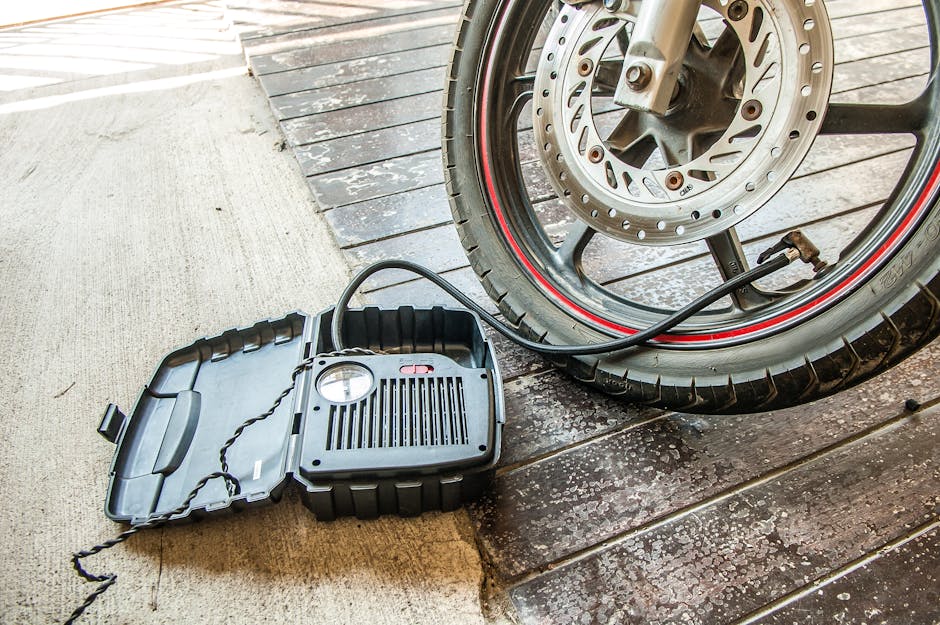
Electric tire inflators are efficient and user-friendly. They operate with a power source, such as your car’s cigarette lighter. These inflators are fast, filling a tire within minutes. They often include pressure gauges for precise inflation. Many models come with automatic shut-off features to prevent over-inflation. Electric inflators are compact, making them easy to store. They are suitable for those seeking a quick, effortless tire inflation solution.Choosing The Right Option
Inflating car tires with CO2 canisters can be a quick solution. These canisters are portable and easy to use, making them ideal for emergencies. Always check tire pressure to ensure safety on the road.
Choosing the Right Option Inflating car tires is crucial for safety and efficiency. Many drivers wonder if CO2 canisters are a good choice. Before deciding, consider various factors. CO2 canisters offer convenience and speed but require careful assessment. Understanding your needs and comparing costs and efficiency will help in choosing the best option.Assessing Your Needs
Consider how often you drive and tire conditions. Regular commuters may need frequent tire checks. Weekend drivers might have different needs. Think about ease of use and portability. CO2 canisters are compact and easy to store. They provide quick inflation, which is useful in emergencies. Consider if you need a permanent solution or just a temporary fix.Comparing Costs And Efficiency
CO2 canisters have varying costs. Initial purchase might seem cheap, but refills add up. Compare this with traditional air pumps. Electric pumps have higher upfront costs but are reusable. Consider the efficiency of each option. CO2 inflates tires quickly, saving time. Electric pumps are slower but more economical in the long run. Weighing these factors can guide your decision.Frequently Asked Questions
Can You Use A Co2 Cartridge To Inflate A Car Tire?
CO2 cartridges are not suitable for inflating car tires. They lack the necessary pressure and volume. Use a compressor or air pump instead. Car tires require more air than CO2 cartridges can provide, ensuring proper inflation and safety.
How Much Psi Does A Co2 Canister Hold?
A CO2 canister typically holds around 800 to 850 psi. Pressure can vary based on temperature and canister size.
Can You Inflate Tubeless With Co2?
Yes, you can inflate tubeless tires with CO2 cartridges. They provide a quick, high-pressure burst. Ideal for seating tubeless beads on the rim. CO2 is convenient for on-the-go inflation, but may leak faster than regular air. Always check tire pressure after using CO2 and refill if necessary.
How To Inflate A Tyre With Co2?
To inflate a tire with CO2, attach the CO2 cartridge to the inflator. Securely connect the inflator to the tire valve. Release the CO2 by pressing the inflator trigger until the tire reaches the desired pressure. Disconnect the inflator once done.
Always check tire pressure with a gauge.
Conclusion
Using CO2 canisters for tire inflation is quick and handy. They offer convenience, especially in emergencies. Yet, they are not ideal for daily use. Regular air pumps are safer for frequent inflation. CO2 canisters might not maintain tire pressure for long.
They are best for short-term fixes. Always check tire pressure after using CO2. Proper tire care ensures safety and prolongs tire life. Consider your needs before choosing CO2 canisters. Plan ahead for reliable tire maintenance.