
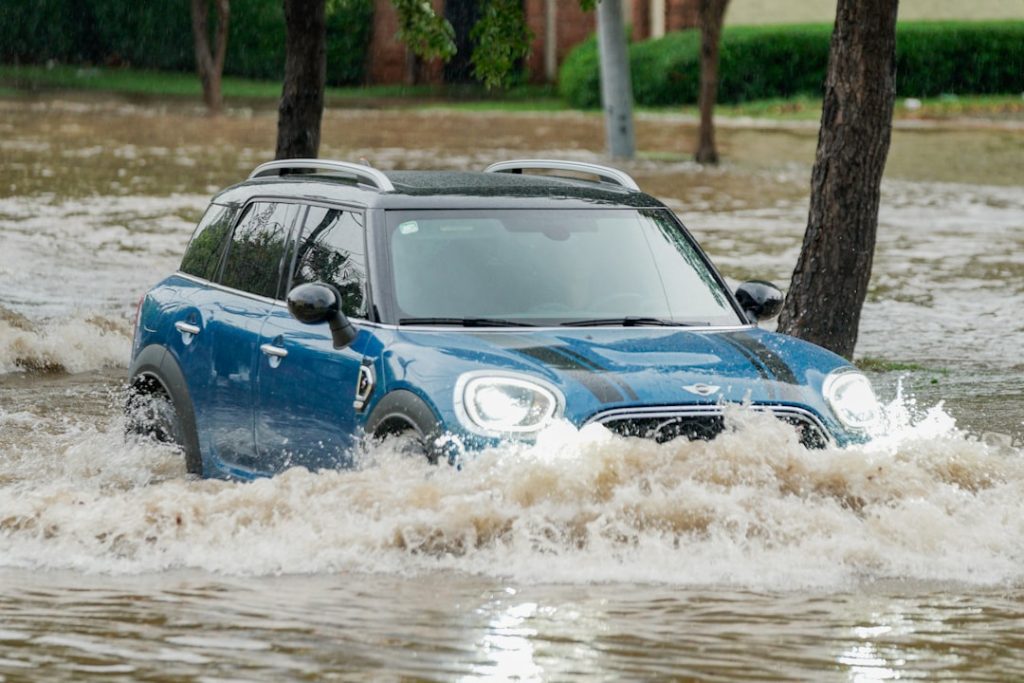
Imagine waking up to find your car submerged in water after a night of heavy rain. Your heart races as you wonder if your car insurance will cover the damage.
Floods can wreak havoc on vehicles, leaving you with expensive repairs and a lot of stress. But before you panic, it’s crucial to understand how car insurance works when it comes to floods. We’ll unravel the mystery and help you find peace of mind.
We’ll answer your burning questions about whether your policy protects you against flood damage, and what steps you can take to ensure you’re covered. Understanding your coverage can save you from financial headaches and give you control over unexpected situations. Dive in to learn how you can protect your investment and drive away from floods with confidence.
Car Insurance Basics
Car insurance is a vital part of owning a vehicle, providing peace of mind when you’re out on the road. But when natural disasters like floods strike, understanding how your car insurance coverage responds can be crucial. It’s important to know the basics of car insurance to make informed decisions about your coverage.
Types Of Coverage
Car insurance typically offers several types of coverage, each designed to protect you in different situations. The most common types include:
- Liability Coverage:Covers costs if you’re at fault in an accident, including damage to other vehicles and property.
- Collision Coverage:Helps pay for repairs to your vehicle after an accident, regardless of who is at fault.
- Comprehensive Coverage:Offers protection against non-collision-related incidents like theft, vandalism, and natural disasters such as floods.
- Personal Injury Protection (PIP):Covers medical expenses for injuries sustained in an accident.
Have you ever considered how each type of coverage applies to your specific situation? It’s worth reviewing your policy details to understand what you’re covered for.
What Standard Policies Include
Standard car insurance policies often cover the basics, but it’s crucial to know what’s included before you find yourself in need of a claim. Here are some typical inclusions:
- Basic Liability:This is mandatory in most states and covers damage to others in an accident.
- Collision and Comprehensive:These are optional but recommended, especially if you live in areas prone to natural disasters.
- Uninsured/Underinsured Motorist:Protects you if you’re in an accident with someone who lacks adequate insurance.
Does your policy include these protections? If not, now might be the time to consider adding them, especially if you’re worried about flood damage.
Understanding the nuances of your car insurance policy can be the difference between stress and relief when disaster strikes. Regularly reviewing and updating your coverage ensures you’re protected against life’s unexpected challenges.
Floods And Car Insurance
Floods can wreak havoc on vehicles, causing extensive damage. Many people wonder if their car insurance will cover flood damage. Understanding how car insurance policies address floods is crucial for vehicle owners.
Comprehensive Coverage
Comprehensive coverage often includes flood damage. This type of insurance protects against non-collision incidents. It covers natural disasters like floods, storms, and hurricanes. Owners with comprehensive coverage generally find relief after a flood. Filing a claim can help recover repair costs or vehicle replacement.
Exclusions And Limitations
Not all policies cover flood damage. Some plans exclude specific natural disasters. It’s vital to read your policy details carefully. Exclusions may apply to certain flood zones or high-risk areas. Limitations could affect the amount paid for repairs. Understanding these terms helps avoid surprises after an incident. Discuss with your insurer to clarify coverage specifics.
Assessing Flood Risk
Understanding flood coverage in car insurance is crucial. Standard policies often exclude flood damage. Checking policy details helps in assessing risks properly.
Assessing flood risk is crucial when considering car insurance options. Understanding the likelihood of flooding can help you make informed decisions about coverage. By examining geographical factors and historical data, you can better gauge your risk and ensure your car is adequately protected.Geographical Factors
Your location plays a significant role in flood risk. Coastal areas, riverbanks, and regions prone to heavy rainfall are more susceptible to flooding. Living in a flood zone increases the likelihood of water damage to your car. Consider your daily routes. Do you drive through low-lying areas or places known for flash floods? These geographical factors can significantly affect your car’s exposure to flood risks. Even urban environments are not immune. Cities with poor drainage systems can experience severe flooding during heavy rains. Knowing these geographical nuances can better prepare you for potential flood threats.Historical Data
Past flood events can offer insights into future risks. Reviewing historical data can reveal patterns and frequencies of flooding in your area. This information can be pivotal in deciding whether to add flood coverage to your car insurance policy. Insurance companies often use this data to assess risk levels. You can access similar resources online or through local government websites, giving you a clearer picture of your flood risk. Think about the last major flood in your area. Did it impact your community significantly? Historical data not only informs but also reminds us of the real consequences of inadequate coverage. Understanding these aspects helps you make informed choices about your car insurance. Are you prepared for the next flood event? Assessing these risks could save you from unexpected costs and stress.Steps To Ensure Coverage
Floods can cause serious damage to vehicles. Understanding your car insurance policy is essential. Not all policies cover flood damage. To protect your vehicle, follow these steps. They help you ensure coverage in case of flood damage.
Policy Review
Start by examining your current car insurance policy. Look for terms related to flood damage. Comprehensive coverage usually includes protection against floods. If your policy lacks comprehensive coverage, consider updating it. Make sure you understand all terms and conditions. Contact your insurance provider for clarification on unclear details. Keeping informed helps avoid surprises during claims.
Additional Coverage Options
Explore adding optional coverage to your existing policy. Some insurers offer specific flood damage coverage. This can be added to your comprehensive insurance. Consider purchasing this if your area is prone to flooding. Check if there are any additional benefits. These could include rental car coverage or roadside assistance. Weigh the benefits against the cost. Ensure it fits your budget and needs.
Claims Process
Filing a car insurance claim for flood damage can feel overwhelming. Understanding the claims process helps simplify the steps involved. A successful claim requires gathering key documents, meeting deadlines, and communicating effectively with your insurer.
Documentation Required
Proper documentation is crucial for a flood damage claim. Collect photos of the damage immediately. Include both the interior and exterior of your vehicle. Obtain a copy of the police report if available. Secure repair estimates from certified mechanics. Keep all receipts related to temporary repairs or towing services.
Timeline For Filing
Filing your claim promptly is vital. Most insurers have specific deadlines. Typically, you need to file within a few weeks of the incident. Late submissions may lead to denial of your claim. Contact your insurer as soon as possible. Ask about their specific timeline requirements.
Preventive Measures
Understanding car insurance coverage for floods is vital. Many standard policies don’t cover flood damage. Consider comprehensive coverage for protection against such natural events.
Preventive Measures Floods can wreak havoc on your vehicle, and dealing with the aftermath can be stressful. While insurance might cover some of the damages, taking preventive measures is a smart way to minimize potential losses. By focusing on protecting your vehicle and being prepared for emergencies, you can reduce the impact of floods on your life.Vehicle Protection Tips
Protecting your vehicle before a flood hits can save you from a lot of trouble. Start by parking your car in an elevated area or a garage. This simple step can keep it above rising water levels. Consider using a car cover designed for water resistance. These covers provide an additional layer of protection against water damage. Also, regularly check your car’s drainage holes to ensure they aren’t clogged, allowing water to escape easily.Emergency Preparedness
Being prepared for a flood involves more than just protecting your car. Have an emergency kit ready in your vehicle. Essentials like a flashlight, first-aid supplies, and bottled water should be included. Stay informed about weather conditions and have an evacuation plan. Know your local area’s flood zones and plan alternate routes to avoid flooded roads. This foresight can not only save your car but also ensure your safety. It’s also wise to keep important documents, such as your insurance policy, in a waterproof bag. This ensures you have everything you need in the event of an emergency. How prepared are you for a flood? Taking these steps can make a significant difference when the waters rise.Alternatives To Insurance Coverage
Car insurance might not cover flood damage. Consider alternatives like comprehensive coverage or specific flood insurance policies. These options can offer more protection against natural disasters affecting your vehicle.
When unexpected floods occur, and you find that your car insurance doesn’t cover such damages, it can be quite stressful. But fret not; there are other ways to protect your vehicle and finances. Let’s explore some viable alternatives to traditional car insurance coverage that can help you navigate these turbulent waters.Self-insurance Strategies
Consider setting up a dedicated emergency fund for your vehicle. This fund can act as a financial buffer in case of flood damage. Start by saving a small amount every month, and over time, this fund will grow into a substantial safety net. Have you thought about investing in a waterproof car cover? It might not be foolproof, but it adds an extra layer of protection. Coupled with regular maintenance checks, these strategies can significantly reduce potential damage costs.Government Assistance Programs
Governments sometimes offer relief programs during natural disasters, including floods. Familiarize yourself with the assistance programs available in your area. This knowledge could be crucial when you’re in need. Check if your local government provides financial aid or other resources during flood emergencies. Such programs might help cover repair costs or provide temporary transportation solutions. Being informed can make a significant difference when disaster strikes.Frequently Asked Questions
Does Most Car Insurance Cover Flooding?
Most car insurance policies do not cover flooding. Comprehensive coverage includes flood protection. Check your policy details for coverage specifics.
What Happens If My Car Goes Through A Flood?
Driving through a flood can damage your car’s engine, electronics, and interior. It may lead to costly repairs. Check for water in the engine and oil. Dry the interior and electrical components immediately. Consider professional inspection to ensure safety and functionality.
Act quickly to minimize damage.
How To Claim Flood Damage On Car?
Contact your insurance company immediately. Document the damage with photos. Provide necessary details and file a claim. Follow their instructions for assessment and repairs.
Is It Worth Filing An Insurance Claim For Water In A Car?
Filing an insurance claim for water damage in a car can be beneficial. It depends on the extent of damage and your deductible. Assess repair costs versus claim impact on premiums. Consult your policy to ensure coverage for water damage before proceeding.
Conclusion
Understanding car insurance coverage for floods is crucial. Not all policies cover flood damage. Check your policy details carefully. Consider comprehensive insurance for better protection. This type often includes flood damage. Ask your insurance agent for clarity. It’s vital to know what your policy covers.
Make informed decisions about your coverage. Avoid surprises during natural disasters. Protect your car and finances effectively. Stay prepared for unexpected events. Review your insurance options today. Ensure your vehicle’s safety and your peace of mind.