
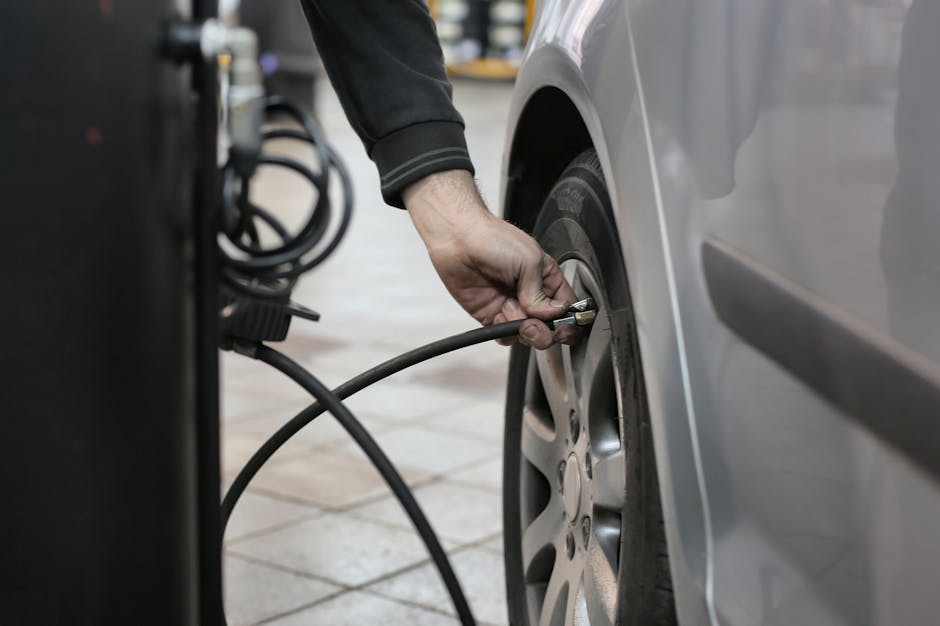
Ever found yourself wondering whether it’s the right time to inflate your car tires after a long drive? You’re not alone.
Many drivers are uncertain about the best practices for maintaining tire pressure, especially after hitting the road. The truth is, knowing the perfect moment to inflate your tires can save you from unwanted headaches, improve your car’s performance, and even extend the life of your tires.
This article will guide you on when to inflate your car tires after driving, ensuring you keep your vehicle running smoothly and safely. Stick around to find out how you can make this simple yet impactful change.
Importance Of Proper Tire Inflation
Inflate car tires after they cool down, usually a few hours post-driving, for accurate pressure readings. Proper tire inflation ensures safety, better fuel efficiency, and longer tire life. Overheated tires can give false readings, leading to under or over-inflation.
Proper tire inflation is crucial for safe driving. It ensures better control and reduces the risk of accidents. Correctly inflated tires improve fuel efficiency, saving you money on gas. They also extend tire life, preventing early wear. This means fewer replacements and more savings.Why Tire Pressure Changes After Driving
Tire pressure increases when driving. Heat from the road and brakes causes this. Tires expand as they warm, raising pressure. This change can affect tire performance and safety.Checking Tire Pressure After Driving
It’s best to check pressure when tires are cold. Cold tires give a more accurate reading. Wait a few hours after driving before checking. This ensures the tires have cooled down.Risks Of Overinflated Tires
Overinflated tires can be dangerous. They reduce contact with the road. This affects grip and handling. Overinflation can also lead to blowouts. It stresses the tire walls, making them weaker.Risks Of Underinflated Tires
Underinflated tires wear out faster. They cause uneven tread wear. This shortens the lifespan of the tires. Underinflation also reduces fuel efficiency. It increases rolling resistance, using more gas.Maintaining Proper Tire Inflation
Regularly check tire pressure. Use a reliable gauge for accurate readings. Follow the manufacturer’s guidelines for pressure levels. Inflate or deflate tires as needed. Proper maintenance ensures safety and efficiency.Factors Affecting Tire Pressure
Tire pressure changes with temperature and driving. Inflate tires when they’re cool for accurate readings. After driving, wait a few hours before checking and inflating. This ensures the tires have cooled down, providing the most precise pressure measurement.
Factors affecting tire pressure play a crucial role in car maintenance. Proper tire pressure ensures safety and fuel efficiency. Various elements impact tire pressure, demanding attention post driving.Temperature Variations
Tire pressure changes with temperature. Cold weather reduces pressure, while heat increases it. Check tire pressure early morning for accuracy. Avoid checking immediately after driving. Heat from driving expands air inside tires. This gives a false high reading. Wait for tires to cool down. Then, measure and adjust accordingly.Driving Conditions
Road conditions affect tire pressure. Rough terrains may cause tires to lose air. City driving keeps tires at a steady pressure. Long highway journeys heat up tires. This raises air pressure. After such drives, let tires cool before checking. Frequent braking and acceleration also impact tire wear and pressure. Regularly monitor tire conditions for safe driving. Adjust pressure based on driving habits and road types.Ideal Timing For Tire Inflation
Inflating car tires at the right time is crucial for safety. Proper timing ensures better grip, fuel efficiency, and tire life. Understanding the ideal moment to inflate tires can prevent issues. This section will guide you through the best times for tire inflation.
Cold Tire Inflation
Inflate tires when they are cold. This means before driving or after the car has been parked for hours. Cold tires give an accurate pressure reading. Driving heats the tires, increasing pressure temporarily. Inflating hot tires can lead to overinflation. Check tire pressure in the morning or after a long rest.
Post-drive Considerations
After driving, let the tires cool before checking pressure. Wait at least three hours after driving. This cooling period helps avoid false pressure readings. If immediate inflation is necessary, add 3-4 psi above the recommended cold pressure. Once the tires cool, check pressure again to ensure accuracy.
Tools For Accurate Tire Pressure Measurement
Driving can affect your car tires’ pressure, making it crucial to measure them accurately before inflating. Accurate tire pressure measurement ensures optimal vehicle performance and safety. To achieve this, you need reliable tools that can precisely gauge your tire pressure. Whether you’re a seasoned driver or a newbie, understanding these tools can simplify the process and keep your vehicle in top condition.
Types Of Tire Gauges
There are several types of tire gauges you can choose from, each offering different features and levels of precision.
- Stick Gauges:These are simple and affordable, resembling a pencil in shape. They are easy to use but can be less accurate compared to digital options.
- Digital Gauges:Offering a digital readout, these gauges provide more accuracy and are user-friendly. They may require batteries but are worth the investment for precision.
- Dial Gauges:Known for their durability, these gauges feature a circular dial similar to a clock. They offer good accuracy and are often used by professionals.
Which type do you prefer? Consider your needs and how often you check your tire pressure.
Using A Tire Inflator
A tire inflator is a handy tool for maintaining the correct tire pressure. It’s an essential part of your car care toolkit.
- Portable Inflators:These are compact and ideal for on-the-go adjustments. They plug into your car’s power outlet, making it easy to inflate tires anywhere.
- Stationary Air Compressors:Perfect for home garages, these offer more power and can inflate tires quickly. They are a good choice if you frequently need to adjust tire pressure.
When using a tire inflator, check the manufacturer’s instructions for proper usage. Have you ever tried inflating your tires after a long drive? Ensure the tires have cooled down for accurate pressure measurement.
Tips From Tire Experts
Allow tires to cool for at least 30 minutes before checking and inflating. Heat from driving affects pressure. Properly inflated tires ensure safe, efficient driving.
When should you inflate your car tires after driving? This question often stumps even the most seasoned drivers. Tire experts offer valuable tips to help you make the best decision. Properly inflated tires ensure safety, improve fuel efficiency, and prolong tire life. So, let’s dive into what the pros recommend.Routine Checks
Make it a habit to check your tire pressure regularly. Experts suggest doing this at least once a month and before long trips. Use a reliable tire pressure gauge for accuracy. Did you know that tire pressure can change with temperature? As you drive, the tires heat up and the air inside expands. For accurate readings, check the pressure when the tires are cold—ideally, before you start driving in the morning.Seasonal Adjustments
Different seasons mean different tire care needs. In colder months, tire pressure tends to drop. This happens because the air contracts with lower temperatures. You might notice your tire pressure warning light coming on more frequently in winter. Don’t ignore it. Refill your tires to the recommended PSI, usually found on a sticker inside the driver’s door. As temperatures rise in summer, the air inside your tires expands. Over-inflated tires can be just as hazardous as under-inflated ones. Regular checks ensure your tires remain at the right pressure, keeping you safe on the road. Are you adjusting your tire pressure with the changing seasons? If not, it’s a simple habit that can save you from potential problems. Listen to the tire experts and keep your ride smooth and safe.Common Mistakes In Tire Inflation
Inflating car tires might seem straightforward, but many drivers unknowingly fall into common traps that can affect their vehicle’s performance and safety. It’s not just about pumping air; it’s about doing it right. Understanding the risks and consequences of incorrect tire inflation can make all the difference. Let’s dive into the common mistakes that drivers often make when inflating their tires.
Overinflation Risks
Overinflating your tires is a mistake that can lead to a host of problems. It might seem like a good idea to pump them up a little more for better fuel efficiency, but this can backfire. Overinflated tires are more prone to damage from road hazards. Imagine hitting a pothole with rock-hard tires — the impact can cause significant harm. Plus, your ride becomes less comfortable. Have you ever felt like you’re bouncing down the highway? That’s often due to overinflated tires.
Moreover, overinflation can lead to uneven tread wear. The center of the tire wears out faster than the edges, shortening its lifespan. You might save a bit on gas, but you’ll end up spending more on tire replacements. Is that trade-off worth it?
Underinflation Consequences
On the flip side, underinflation is equally problematic. Low tire pressure increases the tire’s contact with the road, which sounds good for traction but isn’t. It leads to excessive heat buildup, risking a blowout. Imagine cruising down the highway only to have a tire suddenly give out. That’s a scary situation no one wants to face.
Underinflated tires also impact your fuel efficiency. They cause your engine to work harder, burning more gas. Ever notice your fuel expenses creeping up? Check your tire pressure. Additionally, poor handling and increased stopping distances are common with underinflated tires. In an emergency, those extra seconds can make a critical difference.
So, when should you inflate your tires after driving? Consider the tire’s temperature and pressure changes post-drive. Always check your vehicle’s manual for recommended pressure levels. What’s your tire inflation strategy? Make it accurate and consistent for a safer driving experience.
Impact Of Tire Pressure On Vehicle Performance
Maintaining the correct tire pressure is crucial for optimizing your vehicle’s performance. It’s not just about keeping your tires inflated; it’s about ensuring that they are inflated to the right level. Proper tire pressure affects everything from your car’s fuel efficiency to its handling and safety. Let’s explore how tire pressure can make or break your driving experience.
Fuel Efficiency
Did you know that under-inflated tires can significantly impact your car’s fuel efficiency? When tires are not inflated properly, they create more rolling resistance. This means your engine has to work harder, burning more fuel to keep your car moving. Imagine driving a car with a flat tire; it takes more effort, doesn’t it? Keeping your tires inflated to the recommended level can save you money at the pump and reduce your carbon footprint.
Handling And Safety
Your car’s handling and safety are also at stake when tire pressure isn’t optimal. Under-inflated tires can compromise your vehicle’s ability to grip the road, especially in wet or slippery conditions. This can lead to longer stopping distances and a higher risk of skidding. On the other hand, over-inflated tires can make your ride feel bumpy and reduce the contact area with the road, affecting braking efficiency. Have you ever felt your car swaying a bit too much on a sharp turn? That could be a sign to check your tire pressure.
Ensuring your tires are properly inflated is not just a maintenance task but a step towards a safer, more economical driving experience. Next time you check your tires, think about the money you could save and the accidents you might prevent. Are your tires ready for the road? Make it a habit to check and adjust their pressure regularly.
Frequently Asked Questions
How Long Should I Wait To Put Air In My Tires After Driving?
Wait 30 minutes after driving to let your tires cool before adding air. Hot tires give inaccurate pressure readings. Cool tires ensure accurate inflation, maintaining safety and performance. Regularly check tire pressure to ensure optimal driving conditions. Proper tire care enhances fuel efficiency and prolongs tire life.
Should You Inflate Tires When They’re Hot Or Cold?
Always inflate tires when they are cold. Cold tires provide an accurate pressure reading. This ensures optimal performance and safety.
What Is The 5 Psi Rule?
The 5 PSI rule suggests maintaining tire pressure 5 PSI below the maximum recommended by the tire manufacturer. This improves handling and traction while preventing excessive wear. Always check the tire sidewall for the manufacturer’s specifications.
What Is The 4 Psi Rule On Tires?
The 4 PSI rule helps ensure proper tire pressure. Check tire pressure when cold, then drive to warm them. If the pressure increases by more than 4 PSI, the cold pressure was too low. Adjust accordingly for optimal performance and safety.
Conclusion
Proper tire inflation is essential for safe driving. After a long drive, check tire pressure. Warm tires may show higher readings. So, wait for them to cool. This ensures accurate pressure measurement. Underinflated tires affect fuel efficiency. Overinflated tires can cause uneven wear.
Regular checks prevent these issues. Safety and performance depend on correct tire pressure. So, always be mindful. Keep an air pump handy. Simple actions lead to a smoother ride. Enjoy peace of mind with well-inflated tires. Your car will thank you.
Drive safe.