

Imagine driving down the road with the wind in your hair and not a care in the world. But suddenly, a strange noise breaks the tranquility, and you wonder—could it be your car tires?
It’s a moment every driver dreads, and it often comes down to one simple thing: tire pressure. You might ask yourself, “How much pressure should I put in my car tires? ” The answer is crucial for your safety, fuel efficiency, and overall driving experience.
By understanding the perfect tire pressure, you not only protect yourself but also save money in the long run. The right amount of air can be the difference between a smooth journey and a costly mistake. Curious to learn more? Stick with us, and you’ll discover how proper tire pressure can transform your driving.
Importance Of Proper Tire Pressure
Ensuring the right tire pressure boosts safety and fuel efficiency. It prevents uneven tire wear and improves handling. Most cars require 30-35 PSI, but check the manual or driver’s side door for exact numbers.
Proper tire pressure is crucial for vehicle safety and efficiency. It impacts fuel consumption, tire life, and driving experience. Many drivers overlook this simple yet vital aspect. Ensuring the right tire pressure can prevent accidents and save money. Let’s dive into why it’s so important.Enhancing Fuel Efficiency
Correct tire pressure helps improve fuel efficiency. Under-inflated tires increase rolling resistance. This forces the engine to work harder, burning more fuel. Properly inflated tires reduce this resistance, enhancing mileage.Maximizing Tire Lifespan
Proper tire pressure extends tire life. Under-inflation causes uneven wear on tire edges. Over-inflation wears out the center of the tread. Maintaining the right pressure distributes weight evenly across the tire.Improving Vehicle Handling
Tire pressure affects vehicle handling and stability. Under-inflated tires can feel sluggish and unresponsive. Over-inflated tires may make the ride bumpy and uncomfortable. Balanced pressure ensures a smooth and controlled driving experience.Ensuring Safety
The right tire pressure is key for safety. Incorrect pressure increases the risk of tire blowouts. Blowouts can lead to loss of vehicle control. Keeping tires properly inflated reduces this risk significantly.Reducing Carbon Footprint
Proper tire pressure contributes to reducing carbon emissions. Improved fuel efficiency means burning less fuel. This leads to fewer emissions, benefiting the environment. Simple maintenance can make a big difference.Checking Tire Pressure Regularly
Regular tire pressure checks are important. Tires naturally lose pressure over time. Temperature changes can also affect tire pressure. Use a reliable pressure gauge for accurate measurements. Always follow the manufacturer’s guidelines for your vehicle.Factors Affecting Tire Pressure
Tire pressure is crucial for your car’s safety and performance. It’s not just about filling them up and moving on. Several factors can influence how much air should be in your tires. Understanding these factors can help you maintain optimal tire pressure for a smoother ride and better fuel efficiency.
Temperature Variations
Temperature plays a significant role in tire pressure. Have you ever noticed your tire pressure light flashing on a cold morning? That’s because tire pressure drops in lower temperatures. Conversely, on a hot day, the pressure increases. Your tires can lose or gain 1 PSI for every 10-degree change in temperature. So, if you live in an area with fluctuating temperatures, regular checks are essential.
Load And Weight
The weight your car carries affects tire pressure. Think about the last time you packed your car for a family vacation. The added load increases pressure on your tires, potentially making them over-inflated. On the other hand, driving with minimal load might require you to adjust the tire pressure to ensure optimal contact with the road. Always refer to your vehicle’s manual for guidance based on load conditions.
Driving Conditions
The type of roads you drive on can influence tire pressure needs. Are you mostly cruising on highways or navigating through rugged terrains? High-speed driving generates more heat, affecting tire pressure. Meanwhile, rough roads may require a slight adjustment for better traction and comfort. It’s essential to consider your regular driving conditions when checking tire pressure.
Have you considered how these factors might be impacting your car’s performance? Regularly checking your tire pressure and adjusting it based on these conditions can make a noticeable difference in your driving experience.
How To Check Tire Pressure
Checking tire pressure ensures safety and efficiency. Use a gauge to measure pressure when tires are cold. Consult your car’s manual or the driver’s side door sticker for the recommended PSI. Adjust the pressure accordingly for a smoother, safer drive.
Checking your tire pressure might sound like a minor task, but it can significantly impact your car’s performance and safety. Properly inflated tires ensure optimal traction, fuel efficiency, and tire longevity. But how do you go about checking your tire pressure accurately? Let’s dive into the essentials, ensuring you have all the necessary tools and a clear process to follow.Tools Needed
Before you begin, gather the essential tools to make the task straightforward and efficient: – Tire Pressure Gauge: This is crucial for measuring the pressure. Digital gauges are easy to read and accurate. – Air Compressor: Handy for adding air if your tires are under-inflated. – Tire Valve Caps: Although not a tool, keeping these on hand ensures no air escapes after checking. Having these tools ready simplifies the process and ensures you’re prepared for any pressure adjustments needed.Step-by-step Process
Checking tire pressure doesn’t have to be a daunting task. Follow these steps to ensure your tires are properly inflated: 1. Find the Recommended Pressure: Check your car’s manual or the sticker on the driver’s side door jamb. This tells you the optimal PSI (pounds per square inch) for your tires. 2. Use the Tire Pressure Gauge: Remove the valve cap from the tire and press the gauge onto the valve stem. Ensure a tight seal for an accurate reading. 3. Read and Adjust: Compare the reading with the recommended PSI. If it’s too low, add air using the air compressor. If it’s too high, release some air until it matches the recommended level. 4. Recheck and Secure: Once adjusted, recheck the pressure to confirm accuracy. Afterward, replace the valve cap to prevent air leaks. Routine checks, especially during seasonal temperature changes, ensure your tires remain in top condition. So, when was the last time you checked your tire pressure? Maybe it’s time to give it a quick look!
Credit: www.youtube.com
Recommended Tire Pressure Levels
Maintaining the right tire pressure ensures safety and efficiency on the road. Proper inflation can improve fuel economy and extend tire life. It also enhances handling and prevents accidents. But what is the recommended tire pressure? Let’s explore.
Manufacturer Guidelines
Each car model has a specific tire pressure recommendation. You can find this information in the vehicle’s owner’s manual. It is also often printed on a sticker inside the driver’s door. These guidelines are based on the car’s design and weight. Following them helps maintain optimal performance and safety.
Seasonal Adjustments
Temperature changes affect tire pressure. Cold weather can decrease tire pressure. Warm weather can increase it. Regular checks are crucial during season changes. Adjust your tire pressure according to the temperature. This ensures your tires are neither overinflated nor underinflated.
Consequences Of Incorrect Tire Pressure
Incorrect tire pressure can lead to poor fuel efficiency and uneven tire wear. It affects handling and braking, increasing accident risks. Proper tire pressure ensures a safer and smoother drive.
Incorrect tire pressure can lead to several issues, impacting not just your wallet but also your overall driving experience. Ensuring your car tires are properly inflated is crucial for maintaining safety, efficiency, and longevity. Understanding the consequences of incorrect tire pressure can motivate you to check your tires regularly.Impact On Safety
Driving with incorrect tire pressure is like playing a risky game. Under-inflated tires can cause your car to skid, especially on wet roads. Over-inflated tires, on the other hand, reduce traction, making it harder to stop quickly. Imagine trying to brake suddenly, but your tires aren’t gripping the road well enough. This can make a significant difference in an emergency, possibly leading to accidents. Keeping your tire pressure just right ensures you’re prepared for any driving conditions.Effects On Fuel Efficiency
Incorrect tire pressure can quietly drain your fuel tank. Under-inflated tires create more rolling resistance, forcing your engine to work harder and consume more fuel. This means more trips to the gas station and more money spent. On a long road trip, you might notice your fuel gauge dropping faster than expected. Proper tire pressure can improve your car’s fuel efficiency, saving you money and reducing your carbon footprint.Tire Wear And Damage
Tires with incorrect pressure wear out faster and unevenly. Under-inflation causes the edges of the tire to wear down more quickly. Over-inflation leads to faster wear in the center. You might find yourself replacing tires more often than necessary if you neglect tire pressure. This not only affects your budget but also the overall performance of your vehicle. Regular checks can extend the life of your tires, keeping your rides smooth and hassle-free. Have you checked your tire pressure lately? Consider making it a regular habit to avoid these common pitfalls.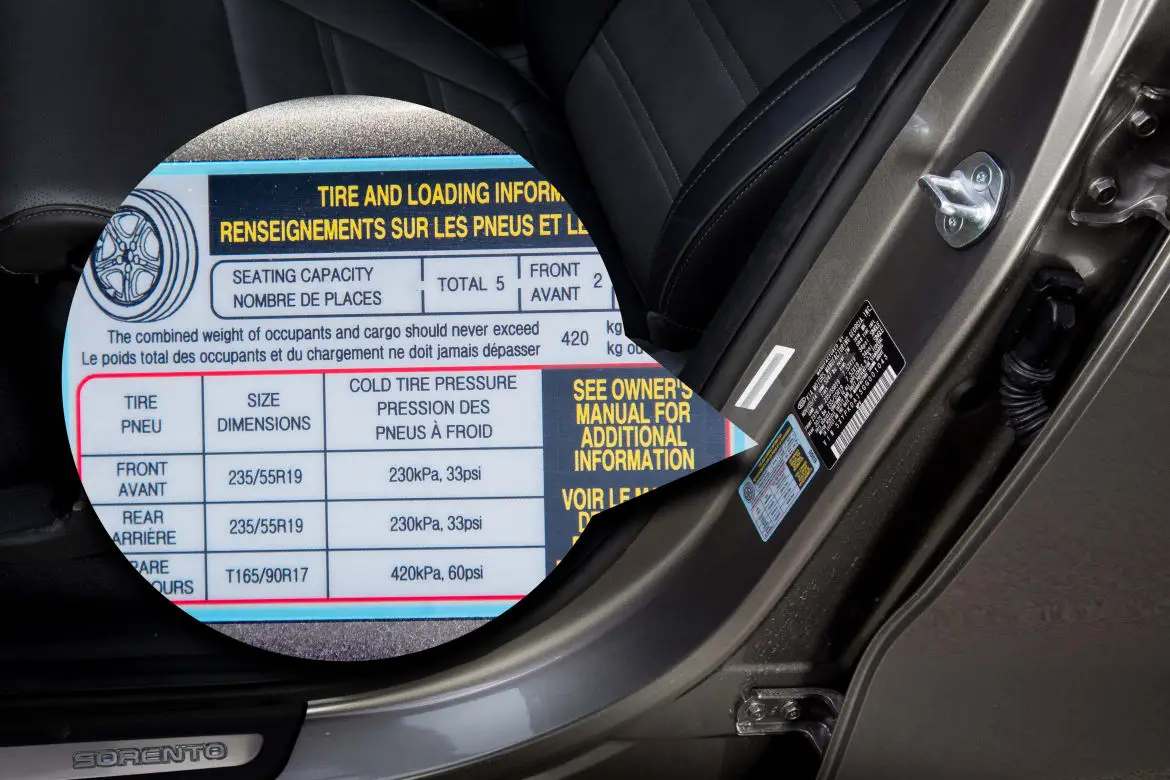
Credit: www.cars.com
Tips For Maintaining Correct Tire Pressure
Maintain optimal tire pressure by consulting your car’s manual. Regular checks ensure safety and longevity. Use a reliable gauge for accuracy.
Maintaining the correct tire pressure is essential for your vehicle’s safety and performance. Properly inflated tires enhance fuel efficiency, improve handling, and reduce the risk of tire-related accidents. It’s not just about inflating them once; regular care is key. But how do you ensure your tire pressure is always spot on? Here are some practical tips to keep your tires in tip-top shape.Regular Checks
Checking your tire pressure regularly is crucial. Aim to do this at least once a month and before long trips. You can use a digital tire gauge for accurate readings. Ensure your tires are cold, as driving heats them up, which can affect readings. Have you ever noticed your tires looking a bit deflated? That’s a sign to check them. You’ll find the recommended pressure in your car manual or on a sticker inside the driver’s door frame.Responding To Pressure Alerts
Modern cars often come equipped with Tire Pressure Monitoring Systems (TPMS). These systems alert you when tire pressure is low. If you see an alert, don’t ignore it. Drive to a safe location and check your tires immediately. Responding promptly can save you from bigger problems down the road. Imagine you’re on a road trip; an alert could mean the difference between a smooth journey and a breakdown. Always have a portable air compressor in your trunk for emergencies. By keeping a close eye on these alerts and checking your tires often, you ensure a safer, smoother ride. Isn’t it worth the peace of mind?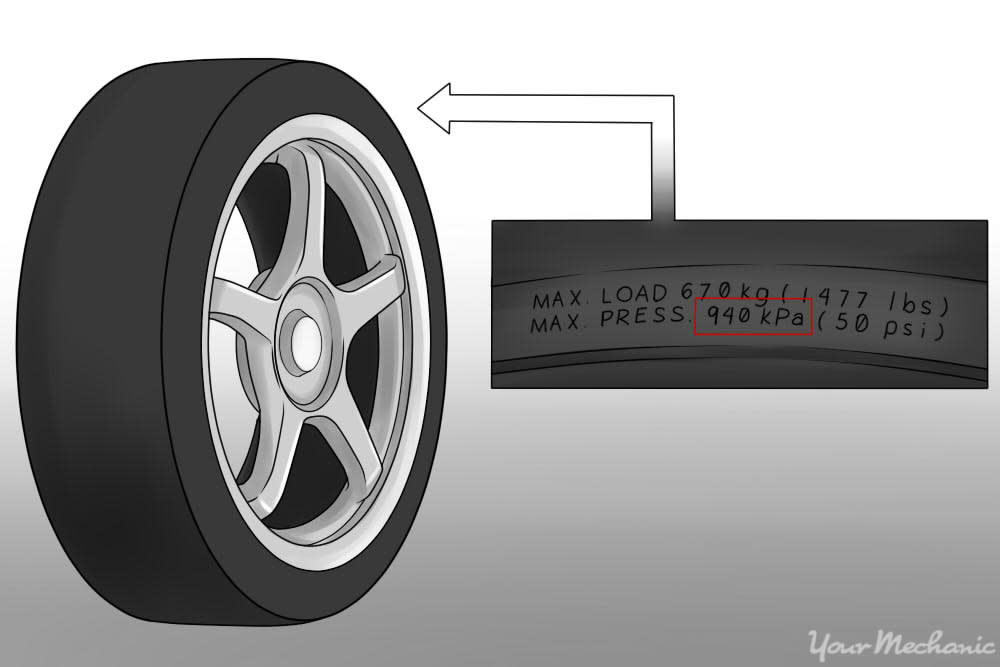
Credit: www.yourmechanic.com
Frequently Asked Questions
Is 40 Psi Good Tire Pressure?
40 psi is generally good for most car tires. Always check your vehicle’s manual for recommended tire pressure. Proper inflation improves fuel efficiency and safety. Regularly inspect tires to ensure they maintain the correct pressure. Adjust as needed for specific driving conditions or loads.
What Is The 5 Psi Rule?
The 5 psi rule suggests adding 5 psi to the recommended tire pressure for better handling, fuel efficiency, and tire longevity. Always check the vehicle’s manual and tire specifications before making adjustments.
How Do I Know How Much Psi To Put In My Tires?
Check your vehicle’s owner’s manual or the tire placard on the driver’s side door jamb. These sources specify the recommended PSI. Adjust the tire pressure accordingly using a reliable gauge. Regularly check and maintain tire pressure for optimal performance and safety.
Is 35 Psi Too High For Car Tires?
35 psi is generally safe for most car tires. Always check your vehicle’s manual for the recommended tire pressure. Proper tire inflation ensures safety, fuel efficiency, and tire longevity. Regularly inspect tire pressure to avoid under or over-inflation issues.
Conclusion
Proper tire pressure is crucial for safe driving. It ensures smooth rides and better fuel efficiency. Check your tire pressure regularly. A simple habit that prevents wear and tear. Use a reliable pressure gauge. Most cars have recommended pressure in the manual or door sticker.
Keep an eye on changes in weather. Cold weather lowers pressure, warm weather increases it. Regular checks save money and extend tire life. Remember, well-maintained tires mean safer journeys. Make tire care a routine. Your car and wallet will thank you.
Safe travels start with the right tire pressure!