
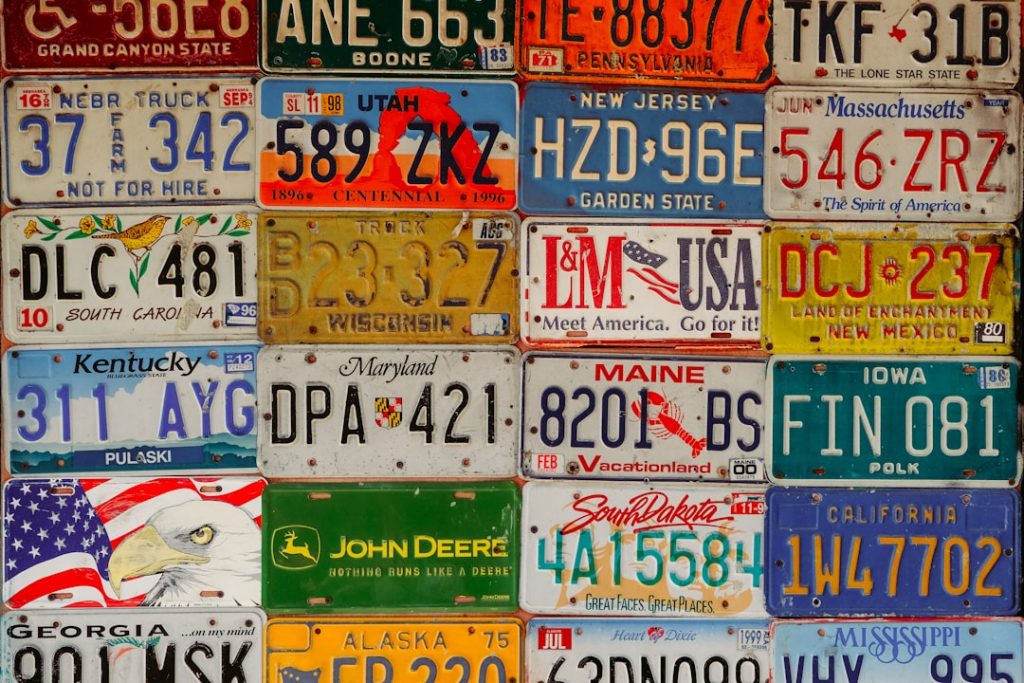
Selling your car can be a liberating experience, but it often leaves you with a burning question: what should you do with the license plates? This little piece of metal carries more importance than you might think.
Whether you’re an experienced seller or it’s your first time parting ways with a vehicle, understanding the fate of those plates is crucial. Are you supposed to keep them, toss them, or hand them over to someone else? If you’re unsure, you’re not alone.
Many individuals overlook this step, potentially leading to unwanted fines or legal hiccups. Dive into this article to uncover the simple yet vital steps you should take to ensure you’re handling your license plates correctly. By the end, you’ll not only feel confident but also relieved that you’ve ticked off this essential task without any stress or hassle.
Handling License Plates Post-sale
After selling your car, it’s important to remove and keep your license plates. Some states allow you to transfer them to a new vehicle. Always check local DMV rules to avoid penalties.
Selling your car can be an exciting milestone, but what happens to those trusty license plates you’ve relied on for so long? Handling license plates post-sale is an essential part of the car-selling process that requires careful attention. Whether you plan to reuse them, store them, or surrender them, understanding the proper steps ensures a smooth transition and avoids any unnecessary legal headaches.Immediate Steps To Take
Once your car is sold, the first task is to remove the license plates. This might seem straightforward, but it’s a crucial step that can prevent future complications. If you leave the plates on, you risk potential fines or even liability issues if the new owner gets into trouble. As soon as the car is no longer yours, take a few minutes to unscrew those plates and keep them safe. Consider your next move for these plates. Are you transferring them to a new vehicle? Or are you planning to return them to your local DMV? Each choice has its own set of actions, so choose wisely.State-specific Regulations
Not all states handle license plates the same way, making it vital to understand your local laws. In some states, you may keep the plates for future use, while others require you to surrender them immediately. Research your state’s DMV website to find the specific regulations that apply to you. This might save you a trip to the DMV or help avoid unnecessary fees. Have you ever thought about how these laws might affect you if you move to another state? Keeping abreast of these rules can prevent surprises and ensure compliance, no matter where you reside.Options For License Plates
After selling your car, one of the tasks that might slip your mind is what to do with the license plates. You might be surprised to learn that there are several options available, each offering a different advantage. Whether you’re planning to acquire another vehicle soon or just want to keep your plates safe, understanding these choices can save you time and money. Let’s dive into the options you have for those little pieces of metal.
Transferring To Another Vehicle
If you’re purchasing another vehicle, transferring your license plates can be a straightforward option. Many states allow you to transfer plates from your old car to a new one, which can be both economical and convenient.
- Cost-saving:Transferring plates can save on new registration fees.
- Sentimental value:If your plate holds a special number or meaning, keeping it can be appealing.
To transfer, you usually need to visit your local DMV or use their online services. This process typically involves filling out forms and paying a small fee. Have you ever wondered if your lucky number plate might bring good fortune to your new ride?
Storing For Future Use
Not planning to buy another car immediately? No problem. You can store your license plates for future use. This option is particularly useful if you have personalized plates that you’d like to keep.
- Safe storage:Keep them in a secure location to prevent damage or theft.
- Future planning:When you’re ready, simply retrieve them for your next vehicle.
A friend once stored his vintage plates only to rediscover them years later, sparking fond memories of road trips past. Could storing your plates hold similar sentimental value for you?
Disposal Methods
Remove the license plates from your sold car. Return them to the Department of Motor Vehicles for proper disposal. This prevents misuse and ensures compliance with local regulations.
Selling your car is an exciting transition, but it often leaves you wondering what to do with those old license plates. Instead of letting them gather dust in your garage, consider some responsible disposal methods. Whether you want to contribute to a greener planet or simply adhere to local regulations, understanding the options available can make the process seamless and stress-free.Recycling License Plates
Recycling your old license plates is a fantastic way to give back to the environment. Most license plates are made of aluminum, which is highly recyclable. Check with your local recycling center to see if they accept license plates. You might be surprised at how simple the process is. Some states even offer specific guidelines for recycling plates, making it easier for you to do your part. Imagine turning a mundane task into a contribution to sustainability—it’s a rewarding feeling. By recycling, you’re ensuring these materials are reused efficiently, reducing the need for new resources.Proper Disposal Practices
Before you dispose of your license plates, make sure you’re following proper practices. Most importantly, remove any stickers or tags that could reveal personal information. This step is crucial in protecting your privacy. If recycling isn’t an option, consider returning them to your local Department of Motor Vehicles (DMV). Many DMVs have specific disposal bins for license plates, ensuring they’re processed correctly. Following these practices not only keeps you compliant with local laws but also ensures you’re handling the plates safely. Have you ever thought about upcycling them into unique home decor or art projects? While not every plate needs to end up in a landfill, sometimes creative solutions can breathe new life into old items. This could be a fun way to preserve memories associated with your vehicle.Legal Considerations
Legal considerations play a crucial role when dealing with license plates after selling a car. It’s essential to understand what actions are required to avoid legal issues. Selling your vehicle means transferring ownership, but your license plates may still be tied to your name. Not handling them properly could lead to fines or complications. Knowing the legal requirements can save you from unnecessary trouble.
Avoiding Fines And Penalties
Improper handling of license plates can result in fines. If the plates are used by someone else, you could be liable. Always remove and retain your plates before handing over your car. Check your state’s laws; some require you to return the plates to the DMV. Failure to comply can lead to penalties. Protect yourself by following local regulations.
Updating Dmv Records
Updating DMV records is vital after selling your car. This ensures the vehicle is no longer tied to your name. Start by notifying the DMV about the sale. Provide necessary documents, like the bill of sale. This prevents future liability for the car’s actions. Confirm the DMV has updated its records. This step secures your legal standing and prevents complications.
Common Mistakes
When you sell your car, dealing with the license plates might seem like a minor detail. Yet, overlooking this step can lead to unforeseen complications. Many car sellers make common mistakes with license plates that can have legal and financial repercussions. These errors often stem from ignoring essential guidelines and not understanding the rules. By knowing what these common pitfalls are, you can avoid them and ensure a smooth transition.
Ignoring State Laws
One of the most prevalent mistakes is ignoring state-specific laws regarding license plates. Each state has distinct regulations about whether you should keep, surrender, or transfer your plates after selling your car. Failure to comply can result in fines or penalties. Are you aware of the rules in your state? Knowing and adhering to these laws can save you from unnecessary trouble.
Overlooking Transfer Details
Another common oversight is neglecting the details involved in transferring plates to a new vehicle. Many sellers assume they can simply swap plates without any formal process. This misconception can lead to issues with registration and insurance. If you’ve ever thought you could skip the paperwork, think again. Properly transferring your plates ensures your new vehicle is legally recognized and covered.
Expert Recommendations
After selling a car, remove the license plates immediately. Store them securely until you visit the DMV. Transfer or surrender them based on local regulations.
When selling a car, handling license plates can be confusing. Knowing the right steps ensures a smooth transition. Experts offer valuable advice to guide you. By following their recommendations, you can avoid legal issues and protect your personal information. Let’s explore some expert recommendations.Consulting With Professionals
Seeking expert advice is a smart first step. Local DMV offices provide accurate information. They help with understanding state-specific rules. It’s crucial as laws vary by location. Automobile associations can also offer guidance. They have the expertise to assist with paperwork. Ensure you have all necessary documents ready. This will make the process easier and quicker. Contacting professionals prevents mistakes that could cause delays.Using Online Resources
The internet is a treasure trove of useful resources. Many DMV websites have detailed guides. These guides explain what to do with old plates. Online forums are another great resource. They offer advice from people who’ve been through the process. Reading about others’ experiences can be enlightening. It’s also a good idea to check for any recent law changes. Staying informed helps you comply with current regulations. This ensures you’re taking the right steps forward.Frequently Asked Questions
Do I Need To Return License Plates In Tx?
You generally don’t need to return license plates in Texas. However, it’s recommended to keep them for personal security or transfer them to a new vehicle. Contact your local DMV for specific instructions if you choose to dispose of them.
Always follow state guidelines for license plate management.
Should I Return My License Plate After Selling My Car?
Yes, you should return your license plate after selling your car. Check local DMV rules for specific requirements. It ensures legal compliance and prevents misuse by the new owner. Some states may allow transferring plates to a new vehicle. Always verify local regulations to avoid penalties.
Do I Keep License Plates After Selling My Car?
When you sell your car, you typically keep your license plates. In most states, you transfer them to your new vehicle. Always check local DMV regulations for specific requirements. Keeping them prevents misuse by the new owner. If you don’t need them, you can return them to the DMV.
How Do I Return License Plates To The Dmv?
To return license plates, visit your local DMV office. You can also mail them if your state allows. Ensure you follow the specific procedures and include necessary documentation. Returning them can prevent potential misuse or fraud, and some states may offer a small refund.
Conclusion
Selling your car brings new responsibilities. Don’t forget the license plates. These are important. You can keep them for your next car. Or, return them to the DMV. Check local rules. Some places require you to surrender plates. Others might let you keep them as souvenirs.
Remember, license plates are not just metal. They link to your name and address. Handle them carefully. Following these steps ensures a smooth transition. You’ll avoid potential legal issues too. Stay informed and make smart choices with your plates. Your next vehicle journey starts on the right foot.