
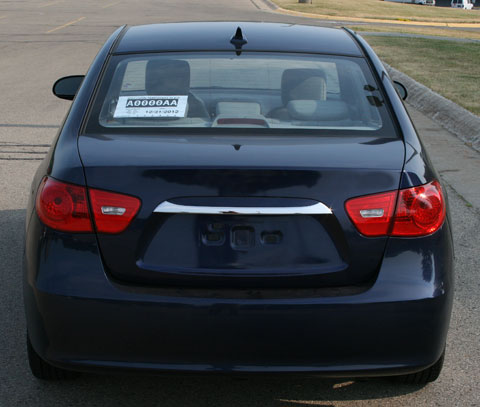
You’ve just purchased a shiny new car, and you’re eager to hit the road and show it off. But wait—can you drive your new car without a license plate?
You might find yourself pondering this question, especially if you’re caught in the excitement of owning a new vehicle. It’s crucial to understand the rules and regulations that come with your new set of wheels. Not only can this affect your driving experience, but it can also have legal implications.
This article will guide you through everything you need to know about driving without a license plate, ensuring you stay on the right side of the law. Keep reading to discover how to enjoy your new car responsibly and avoid any unwanted surprises along the way.
Driving Without A License Plate
Buying a new car often raises the question of driving without a license plate. It’s usually allowed for a short period, but rules vary by state or country. Check local laws to avoid fines or penalties.
Driving without a license plate can be confusing. Many people wonder if they can drive their new car home. The answer depends on local laws and regulations. Some states allow temporary solutions. Others have strict rules. Understanding these options can save you from fines.Temporary Tags And Permits
Temporary tags offer a short-term solution. They act as placeholders until permanent plates arrive. Most dealerships provide these tags. You must check their validity period. Temporary permits can also be obtained from the DMV. These permits ensure legal driving. Keep them visible on your vehicle. Always carry the paperwork with you.Dealer Plates Usage
Dealer plates can be used for test drives. Dealerships use them for cars not yet sold. These plates are not for personal use. Misusing dealer plates can lead to legal issues. Make sure to follow dealership guidelines. They are accountable for their plates. Always ask before using dealer plates.Legal Requirements By State
Driving a new car without a license plate can be confusing. Each state has its own rules, making it important to know the specifics before hitting the road. Understanding these legal requirements can save you from fines and penalties.
State-specific Regulations
Each state has different laws for driving without a plate. Some states allow temporary plates, while others require immediate registration. It’s crucial to check local DMV guidelines. Some states have stricter enforcement, demanding immediate compliance.
Grace Periods For New Vehicles
Many states offer grace periods for new cars. This period allows you to drive without plates for a short time. The length of these periods varies, usually ranging from a few days to a month. During this time, you must have proof of purchase and other required documents in the car.
Potential Consequences
Driving a new car without a license plate can lead to serious trouble. Many drivers overlook the consequences that come with this decision. It is crucial to understand what might happen if you drive without proper registration.
Fines And Penalties
Law enforcement may stop you and issue fines for missing plates. These fines can vary depending on local laws. Some regions have higher penalties. Driving without plates can result in more than just fines. You could face legal actions or even court appearances.
Impact On Insurance
Driving without a license plate can affect your insurance coverage. Insurance companies might deny claims if your car lacks registration. This can lead to high out-of-pocket costs after an accident. Your insurance policy may become invalid, causing financial strain.

Credit: www.csuohio.edu
Obtaining License Plates
Driving a new car without a license plate is possible in some regions. Temporary permits are often issued by dealerships or local authorities. Always check local laws to ensure compliance and avoid fines.
Purchasing a new car is an exciting experience, but the journey doesn’t end when you drive it off the lot. One crucial step that follows is obtaining your license plates. These plates are not just a legal requirement; they symbolize your vehicle’s identity. Whether you’re a first-time car owner or adding to your collection, understanding the process of getting these plates ensures you stay on the right side of the law and enjoy your new ride to the fullest.Registration Process
To get your license plates, the first step is registering your vehicle with the appropriate government agency, often your state’s Department of Motor Vehicles (DMV). This registration connects your car to you legally, allowing you to drive it on public roads. You might wonder how long this process takes. Typically, you can complete your registration on the same day if you have all the necessary documents ready. Many DMVs offer online services, making it even more convenient. Remember, driving without proper registration can lead to fines or penalties, so getting it done promptly is crucial.Required Documentation
Before heading to the DMV, gather all essential documents. This includes your car’s title, proof of insurance, and personal identification, such as your driver’s license. Having these documents organized can save you time and frustration. If you’re missing any, contact the car dealership or previous owner for assistance. A pro tip: double-check the spelling and details on all forms to avoid any hiccups in the registration process. Are you fully prepared to get your license plates, or is there a document you might have overlooked?Tips For New Car Owners
Understanding local laws is crucial when driving a new car without a license plate. Temporary permits might be necessary, depending on your region. Always check with your local DMV to ensure compliance with legal requirements before hitting the road.
Purchasing a new car is an exciting milestone, but it also comes with a set of responsibilities. Navigating the world of vehicle regulations can be confusing, especially when it comes to driving without a license plate. To make your transition from dealership to driveway smooth, here are some essential tips for new car owners that ensure compliance and help you avoid common mistakes.Ensuring Compliance
Compliance is key when driving a new car without a license plate. Temporary tags are typically issued by dealerships, allowing you to drive legally while waiting for your permanent plates. Ensure these tags are displayed correctly and are not expired. Consider keeping all necessary documentation, such as the bill of sale and proof of insurance, in your vehicle. This can save you time and trouble if you are stopped by law enforcement. Check your state’s specific regulations, as they can vary significantly.Avoiding Common Mistakes
One common mistake new car owners make is assuming that all states have the same rules. This is not the case. Research and understand your local laws to avoid fines or penalties. Another frequent error is neglecting the expiration date on temporary tags. Missing this can lead to tickets or even impounding of your vehicle. Set a reminder on your phone or calendar to renew your tags before they expire. Finally, remember to update your insurance details immediately after purchasing your new car. Driving without proper coverage can lead to serious legal and financial consequences. Have you ever thought about how a small oversight could lead to big headaches? By paying attention to these details, you can enjoy your new ride with peace of mind.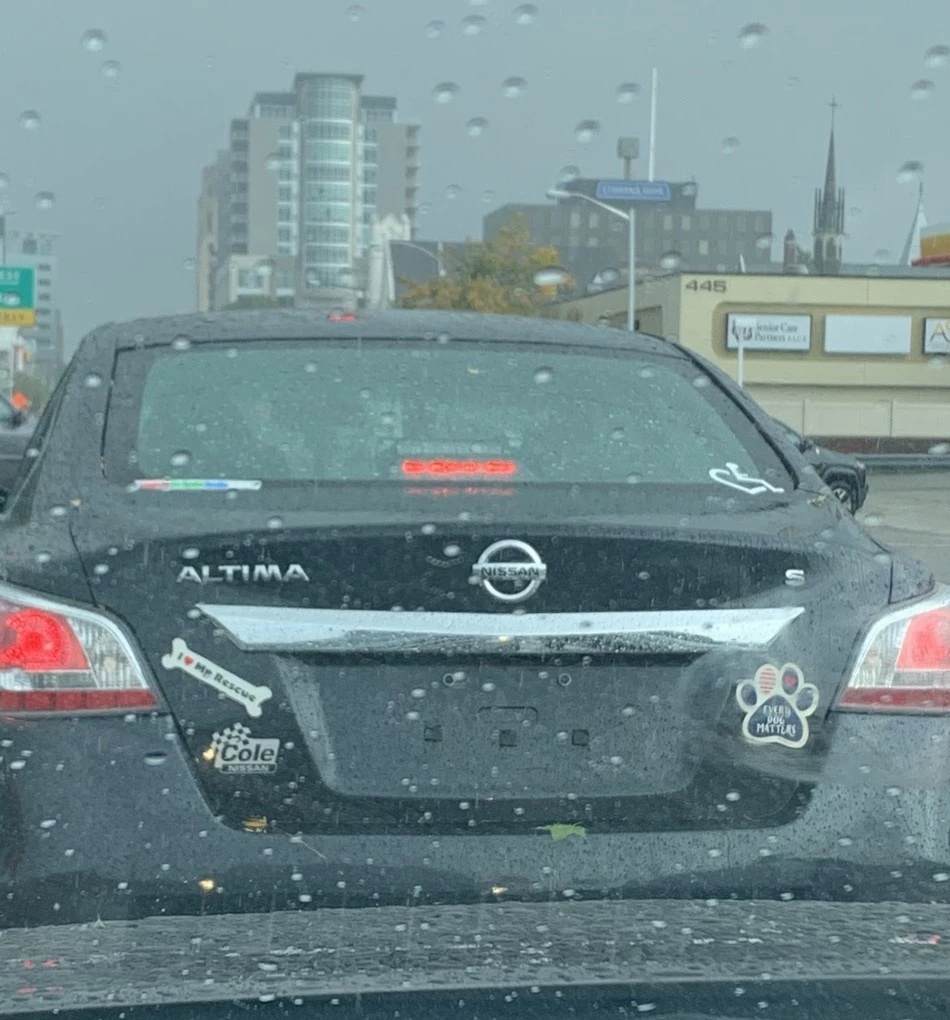
Credit: en.lcshoes-plus.com

Credit: www.progressive.com
Frequently Asked Questions
Can You Drive A Car Right After You Buy It?
Yes, you can drive a car immediately after purchase if you have insurance and registration. Ensure all paperwork is complete. Confirm your insurance covers the new car. Properly register the vehicle to comply with local laws. Always carry necessary documents while driving.
Can You Drive A Newly Purchased Car Without A License Plate?
Driving a newly purchased car without a license plate varies by state. Temporary tags or permits are typically required. Check local DMV regulations to ensure compliance. Fines or penalties may apply for non-compliance. Always carry necessary documents, like the bill of sale, for verification during transit.
What Happens If I Don’t Get My License Plate Within 30 Days After Buying A Car In Tx?
Failing to obtain a license plate within 30 days can result in fines. You must contact the DMV for assistance. Avoid legal issues by ensuring timely registration. Keep all purchase documents ready for verification. Stay informed about Texas vehicle registration laws to prevent penalties.
Can I Drive My Car If My License Plate Was Lost?
You cannot legally drive without a license plate. Report the loss to the DMV immediately. Obtain a temporary permit if needed. Driving without plates can result in fines or penalties. Always ensure your vehicle displays valid plates to comply with local laws.
Conclusion
Driving a new car without a license plate can be risky. Laws vary by state or country. Always check local regulations. Temporary tags might be an option. Dealers often provide these. Avoid fines by staying informed. Safety and legality are key.
Make sure your paperwork is complete. Insurance should be in place too. Drive responsibly to avoid issues. Stay updated on any changes in laws. Protect yourself and others on the road. Stay within the legal boundaries. This ensures peace of mind.
Happy and safe driving!