

Imagine this: you’re rushing to an important meeting, turn the key in your car’s ignition, and… Nothing happens.
The dreaded silence of a dead battery. You might wonder if your car battery is covered under warranty. This question is more crucial than it seems. Knowing the answer could save you from unexpected expenses and stress. You deserve peace of mind when it comes to your vehicle.
Understanding warranty coverage can be the difference between a smooth solution and a headache. This article will unravel the mystery surrounding car battery warranties. We’ll dive into what you need to know, so you can handle any battery hiccup with confidence. Keep reading to ensure you’re fully equipped for any battery-related surprise that comes your way.
Credit: www.reddit.com
Warranty Basics
Understanding the basics of car warranties can be crucial when it comes to addressing unexpected vehicle issues. Car batteries, essential for your vehicle’s operation, are often a point of concern when you face starting problems. Knowing if your car battery is covered under warranty can save you time and money. Let’s dive into the essentials of car warranties and what they typically cover.
Types Of Car Warranties
Car warranties can vary widely, depending on the manufacturer and the vehicle model. Here are some common types:
- Basic Warranty:Often referred to as a bumper-to-bumper warranty, it covers most parts of the vehicle but usually excludes the battery.
- Powertrain Warranty:Focuses on the engine, transmission, and other key components. Batteries are typically not included.
- Battery Warranty:Some manufacturers offer specific warranties for batteries, especially for hybrid and electric vehicles. Always check the specifics of your vehicle’s warranty.
Have you ever found yourself stuck in a parking lot, wondering if your battery issue is covered? Knowing the type of warranty you have can make all the difference in such situations.
Standard Warranty Coverage
Standard warranties usually cover defects in materials and workmanship. They often last for a specific number of years or miles. However, car batteries might not fall under this umbrella.
Manufacturers often consider batteries as wear-and-tear items. As a result, they may have limited coverage. It’s worth checking your warranty documents to see if there’s any mention of battery coverage.
Have you checked your warranty documents recently? It might be time to revisit them and ensure you know what’s covered. You might be surprised at the nuances in your warranty agreement.
Battery Coverage Details
Understanding the specifics of a car battery warranty can save you from unexpected expenses. Car batteries are essential for vehicle performance, but they don’t last forever. Knowing what’s covered under warranty can help you make informed decisions about maintenance and potential replacements. Let’s dive into the details of battery coverage.
Inclusions In Warranty
When you purchase a car, the battery typically comes with a warranty that covers manufacturing defects. This means if your battery fails due to a defect in materials or workmanship, you might be eligible for a replacement at no cost. It’s crucial to check the warranty period, as it can vary significantly between manufacturers. Some might offer coverage for up to three years, while others might only provide one-year protection.
Additionally, many warranties also cover prorated replacements, which allow you to pay a reduced price for a new battery if yours fails after the full replacement period. This can be a great saving, especially if your battery gives up just outside the full coverage timeline.
Exclusions In Warranty
However, not everything is covered under a car battery warranty. Regular wear and tear, environmental damage, and improper maintenance are typically excluded. If your battery dies because you left your headlights on overnight or due to extreme weather conditions, you’ll likely have to cover the replacement cost yourself.
Moreover, warranties often exclude damage resulting from improper installation. So, if you decide to change the battery yourself and make a mistake, you might void the warranty. Always ensure a professional handles installations to keep your warranty intact.
Have you ever faced a battery issue that caught you off guard? Understanding these nuances can make all the difference in managing unexpected car troubles. Always read the fine print and ask questions to ensure you know exactly what’s covered and what’s not.
Manufacturer Vs. Third-party Warranties
When your car battery unexpectedly fails, the question of whether you’re covered by a warranty can be confusing. You might wonder if the protection comes from the manufacturer or a third-party provider. Understanding the difference between these warranties can help you make informed decisions that save you money and hassle.
Manufacturer Warranty Terms
Manufacturer warranties typically offer straightforward coverage for your car battery. These warranties often range from two to four years, depending on the make and model of your vehicle. They are usually included in the purchase price, giving you peace of mind right from the start.
However, they come with specific terms and conditions. It’s vital to read the fine print. Does the warranty cover full replacement or just a prorated amount? Sometimes the warranty only applies if the battery fails under specific conditions. Knowing these details can prevent unpleasant surprises.
Third-party Warranty Options
Third-party warranties offer flexibility and can be tailored to your needs. You might find longer coverage periods or additional perks such as roadside assistance. These warranties can be purchased separately, allowing you to choose the best fit for your lifestyle.
But be cautious—third-party warranties can have hidden pitfalls. They may require regular maintenance checks or have exclusions that limit your coverage. Always scrutinize the terms before committing. Is the extra coverage worth the additional cost?
Ultimately, the choice between manufacturer and third-party warranties depends on your priorities. Do you value the simplicity of a manufacturer warranty, or are you drawn to the customizable options offered by third-party providers? Consider what aligns best with your needs and ensure your choice provides you with the security you deserve.
Duration Of Battery Warranty
Understanding the duration of a car battery warranty is crucial for every vehicle owner. It’s not just about knowing how long you’re protected, but also about making the most of your warranty period. Have you ever wondered if your car battery will last as long as the warranty promises?
Typical Warranty Periods
Car battery warranties typically range from two to five years. This period often depends on the brand and type of battery you purchase. Some companies offer pro-rated warranties, which means the coverage decreases as the battery ages.
Imagine buying a battery with a three-year warranty, only to find it faltering after two years. It’s essential to understand the terms so you don’t get caught off guard. Always check if the warranty covers replacement or just repairs.
Extended Warranty Considerations
Extended warranties can offer peace of mind, but are they worth it? They usually cover additional years beyond the standard warranty period. Consider how long you plan to keep your vehicle and the battery’s performance history before purchasing an extended warranty.
Manufacturers sometimes offer these warranties, but you might find third-party providers with more flexible terms. Weigh the costs and benefits carefully. Is the extra coverage worth the price?
Ultimately, understanding the duration of your car battery warranty can save you time and money. Next time you purchase a battery, pay close attention to the warranty details. Are you ready to make an informed decision?
Claiming Warranty
Car batteries often come with warranties, but coverage details vary. Check your warranty terms for specific conditions. Some warranties cover defects, while others might include wear and tear.
Claiming warranty on a car battery can seem daunting, but it’s a straightforward process if you follow the right steps. Whether you’re experiencing issues or your battery died sooner than expected, understanding how to claim your warranty can save you time and money. Knowing what to expect will give you peace of mind and ensure you’re not left out in the cold. Let’s walk through the process of claiming your car battery warranty, so you’re prepared when the need arises.Steps To File A Claim
To successfully file a warranty claim, start by checking the warranty policy provided by the manufacturer or retailer. Ensure that your battery’s purchase date falls within the warranty period. Next, contact the retailer or manufacturer directly, either through a phone call or their online portal, to initiate the claim. Be ready to explain the issue clearly and concisely. Some companies may have a dedicated customer service representative to guide you through the process. Don’t forget to ask about the timelines and any specific steps you need to follow.Documentation Requirements
Gather all necessary documents before reaching out to file your claim. You’ll typically need the original purchase receipt, which serves as proof of purchase and indicates the date of sale. Additionally, provide any warranty cards or documentation that came with the battery at the time of purchase. Keep notes of any communication with customer service, including dates, names, and the advice given. If the company requires you to return the faulty battery, make sure to confirm whether they will handle the shipping costs. Having all documents ready can streamline the process, ensuring a faster resolution.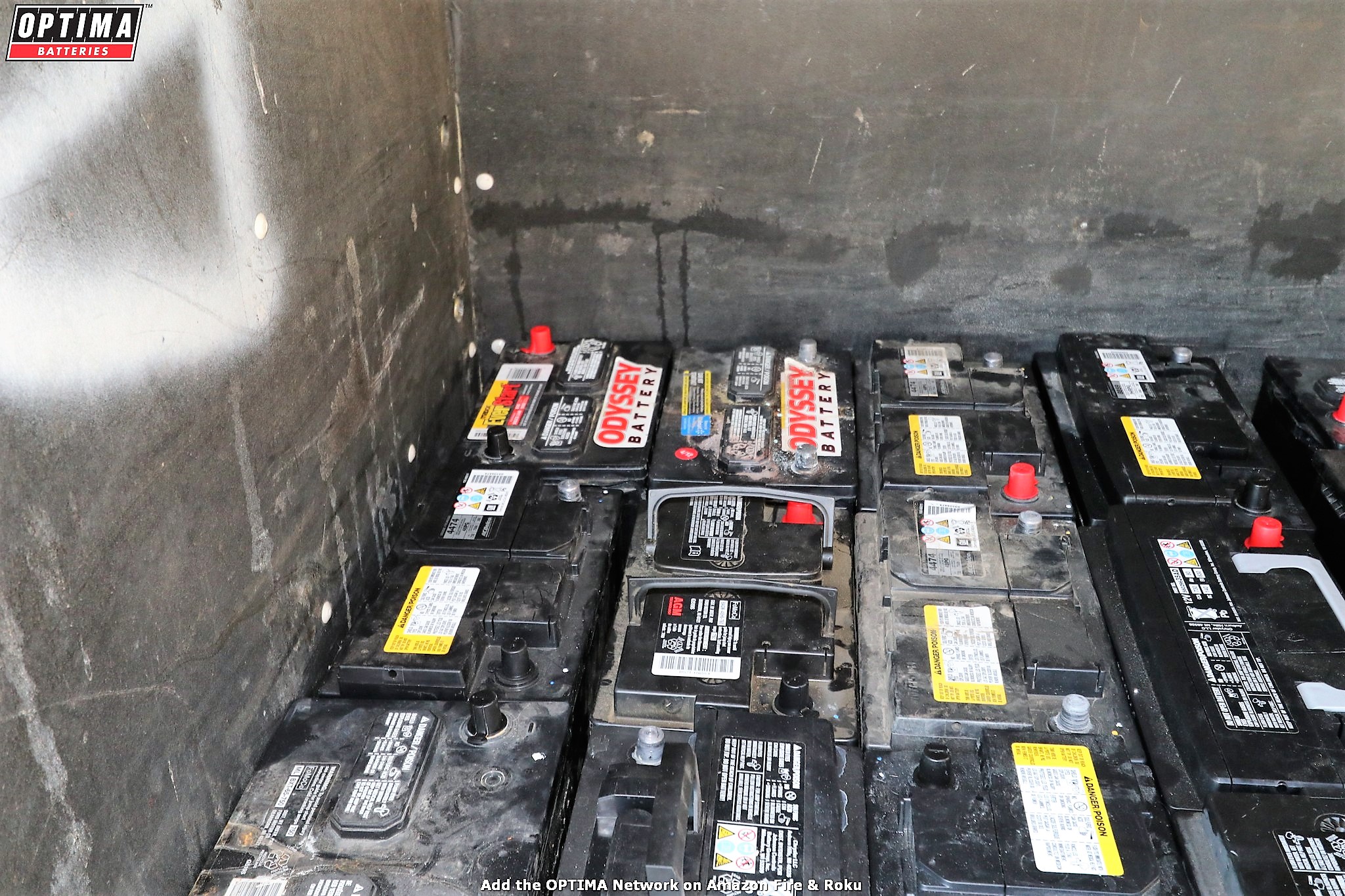
Credit: www.optimabatteries.com
Factors Affecting Warranty
Car battery warranty coverage depends on factors like manufacturer policies, battery type, and purchase location. Some warranties include a full replacement, while others offer pro-rated coverage based on battery age. Understanding these terms helps in assessing warranty validity and potential costs.
Understanding the factors that affect a car battery’s warranty can save you from unexpected expenses and ensure your battery stays protected. A warranty doesn’t always cover every scenario, and knowing what influences its coverage can help you make informed decisions. Let’s explore some of these crucial factors.Usage And Maintenance
Your car battery’s warranty can be significantly impacted by how you use and maintain your vehicle. Regularly driving your car helps keep the battery charged and in good condition. On the other hand, infrequent use or leaving your car unused for long periods can drain the battery faster. Proper maintenance plays a pivotal role in extending your battery’s life and maintaining its warranty. Simple actions like cleaning the battery terminals and ensuring a secure connection can make a difference. If you’ve ever faced a dead battery on a cold morning, you know how crucial regular checks are.Environmental Impact
The environment in which you drive and park your car can also affect your battery warranty. Extreme temperatures, both hot and cold, can shorten a battery’s life. Parking in shaded areas during hot weather or using a battery warmer in winter can mitigate these effects. Humidity and salt exposure, especially in coastal areas, can cause corrosion and damage. Are you proactive about addressing these environmental challenges? Taking measures to protect your battery from harsh conditions can preserve its functionality and warranty coverage.Tips For Battery Maintenance
Car battery warranties vary by manufacturer and model. Understanding your warranty details helps avoid unexpected costs. Regular maintenance extends battery life, ensuring reliable performance.
Maintaining your car battery can extend its lifespan. Proper care ensures the battery performs well and reduces unexpected failures. Here are some easy tips to keep your battery in top shape.Regular Checkups
Schedule regular checkups for your car battery. This helps identify issues early. A mechanic can test the battery’s health. Check for corrosion on terminals. Clean them with a mix of baking soda and water. Tighten loose connections. A well-maintained battery lasts longer.Proper Charging Techniques
Avoid overcharging your battery. Use a quality battery charger. Follow instructions carefully. Charging at the right voltage prevents damage. Turn off lights and electronics when the engine is off. This prevents unnecessary battery drain. Keep your battery fully charged, especially in cold weather. Cold can weaken your battery quickly. Implement these tips to keep your car battery running smoothly. Regular care leads to fewer problems and reliable performance.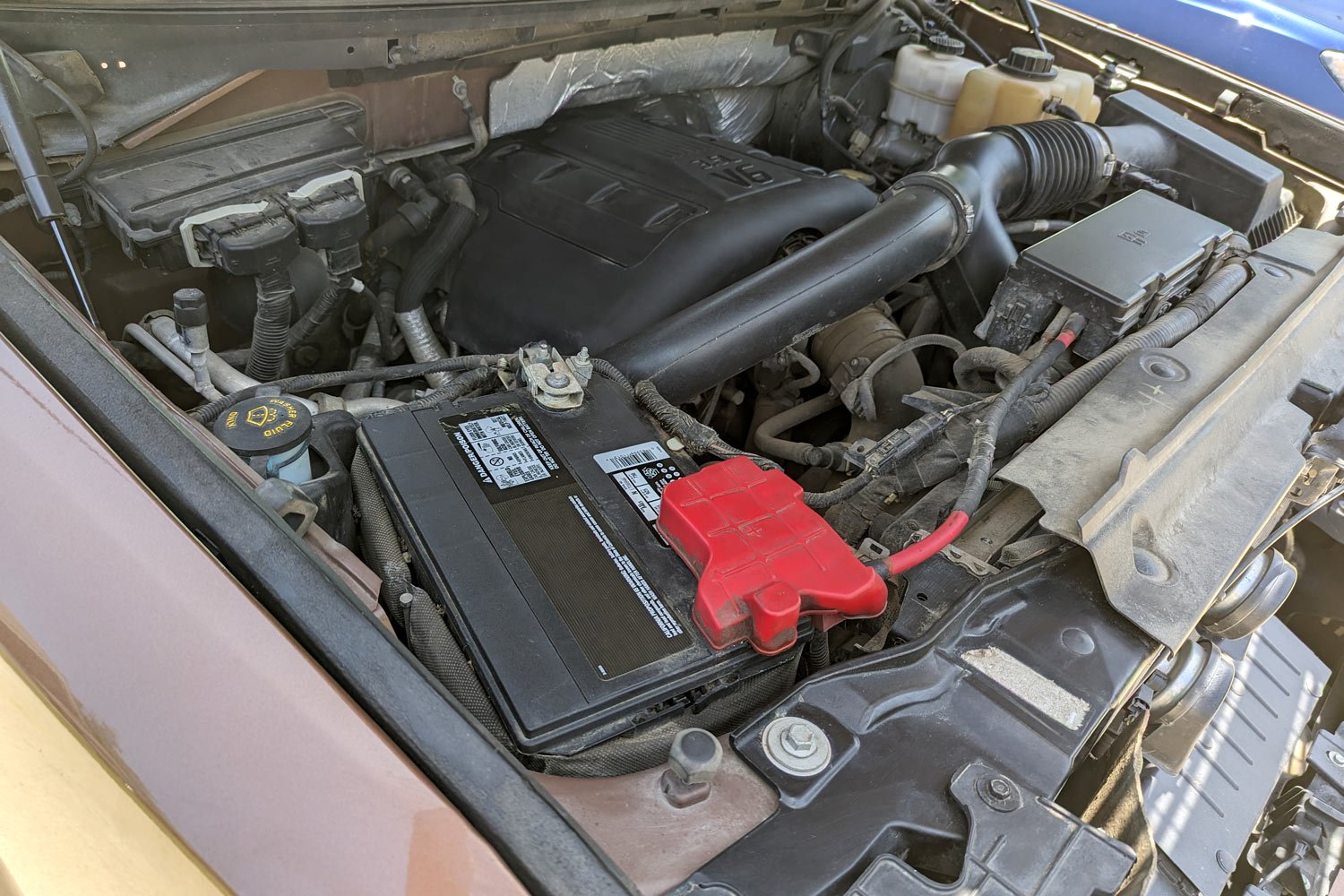
Credit: www.capitalone.com
Alternatives To Warranty Coverage
Car batteries can be unpredictable. Warranty coverage provides peace of mind. But, it may not always apply. Understanding alternatives can be useful. There are options beyond warranty for your car battery. Let’s explore some practical solutions.
Battery Insurance
Battery insurance is a viable option. It covers unexpected battery failures. You pay a small premium for protection. This can save money long-term. Check with your car insurer. Some offer add-ons for battery insurance. Make sure to compare policies. Choose one that fits your needs.
Diy Solutions
DIY solutions can extend battery life. Regular maintenance is key. Clean battery terminals often. Corrosion can affect performance. Use a mixture of baking soda and water. Scrub gently with a brush. Check battery fluid levels. Top up with distilled water if needed.
Invest in a battery tester. It helps monitor battery health. You can catch issues early. This prevents sudden breakdowns. Keep a portable charger handy. It provides a quick boost in emergencies. These DIY steps can reduce dependency on warranties.
Frequently Asked Questions
How Long Is The Warranty On A Car Battery?
Car battery warranties typically range from 2 to 5 years. Always check your manufacturer’s specific warranty terms. Different brands and models may offer varying coverage durations. For precise details, consult the battery’s documentation or the retailer.
How Do I Know If My Car Battery Is Still Under Warranty?
Check your purchase receipt or warranty card for details. Contact the retailer or manufacturer for verification. Review the battery’s label or documentation for warranty duration. Many warranties last 2-5 years, depending on the brand. Always keep records for easy reference.
Is A Battery Covered Under A Standard Warranty?
A standard warranty often covers the battery, but terms can vary. Always check the warranty details for specifics. Coverage typically includes manufacturing defects, not wear and tear. Verify with the manufacturer or retailer for precise information.
Is A Car Battery Covered On Warranty?
Car battery coverage depends on the manufacturer’s warranty terms. Typically, warranties cover defects but not wear and tear. Always check the warranty details for specific coverage. Contact your car dealer or manufacturer’s service center for precise information.
Conclusion
Car battery warranties vary by manufacturer and type. Always check your warranty details. Some cover defects, others offer limited protection. Read terms carefully. Understanding your coverage saves frustration. Replacement policies differ. Know the duration and conditions. Ask questions before buying.
Customer service can clarify. Keep your purchase receipt safe. It might be needed for claims. Regular maintenance extends battery life. This reduces the need for warranty claims. Stay informed and proactive. Protect your investment. Knowledge ensures peace of mind. Batteries are crucial for vehicle performance.
Stay prepared and informed.