
Have you ever wondered how much pressure should be in your car tires? Getting this right is crucial for your safety and the vehicle’s performance.
Imagine cruising down the highway with peace of mind, knowing your tires are in perfect condition. Sounds great, right? Many drivers overlook this simple yet essential aspect of car maintenance, putting themselves at risk for accidents and costly repairs. By understanding the ideal tire pressure, you can ensure a smoother ride, better fuel efficiency, and a longer lifespan for your tires.
Keep reading to discover the secrets to mastering tire pressure and make your driving experience safer and more enjoyable.

Credit: www.tireoutlet.com
Importance Of Tire Pressure
Understanding the importance of tire pressure is crucial for every car owner. Properly inflated tires are essential for ensuring safety, enhancing fuel efficiency, and extending the life of your tires. Let’s explore why maintaining the right tire pressure is something you should prioritize.
Safety Implications
Did you know that incorrect tire pressure can significantly affect your car’s handling and braking? Low tire pressure reduces traction, especially on wet surfaces, increasing the risk of accidents. On the flip side, overinflated tires may lead to a blowout. Keeping your tires at the recommended pressure ensures better grip and control, safeguarding you and your passengers.
Fuel Efficiency
Have you ever noticed a dip in your car’s fuel efficiency? It could be due to low tire pressure. Underinflated tires create more rolling resistance, making your engine work harder and consume more fuel. By maintaining the correct tire pressure, you can travel further on a tank of gas, saving money and reducing your carbon footprint.
Tire Longevity
Want to get the most out of your tires? Proper tire pressure is key. Incorrect pressure can cause uneven tire wear, leading to premature replacement. Regularly checking your tire pressure ensures even wear, prolonging the life of your tires and keeping them in optimal condition.
So, when was the last time you checked your tire pressure? A simple habit that can make a big difference in your driving experience. Keep a pressure gauge handy and make checking your tire pressure a regular part of your car maintenance routine. Your wallet and your safety will thank you.
Understanding Tire Pressure Units
Understanding tire pressure units is essential for car maintenance. Car tire pressure is usually measured in PSI (pounds per square inch). Proper PSI ensures safety and efficiency on the road.
Understanding the right tire pressure is vital for car safety. It impacts fuel efficiency and tire lifespan. Tire pressure is measured using different units. Knowing these units helps you maintain your car properly.Psi Explained
PSI stands for Pounds per Square Inch. It measures tire pressure in terms of weight. PSI is commonly used in the United States. It’s easy to read on most tire gauges. Knowing the correct PSI for your tires is crucial. It ensures smooth driving and good fuel economy. Check your car manual for recommended PSI levels.Bar Measurement
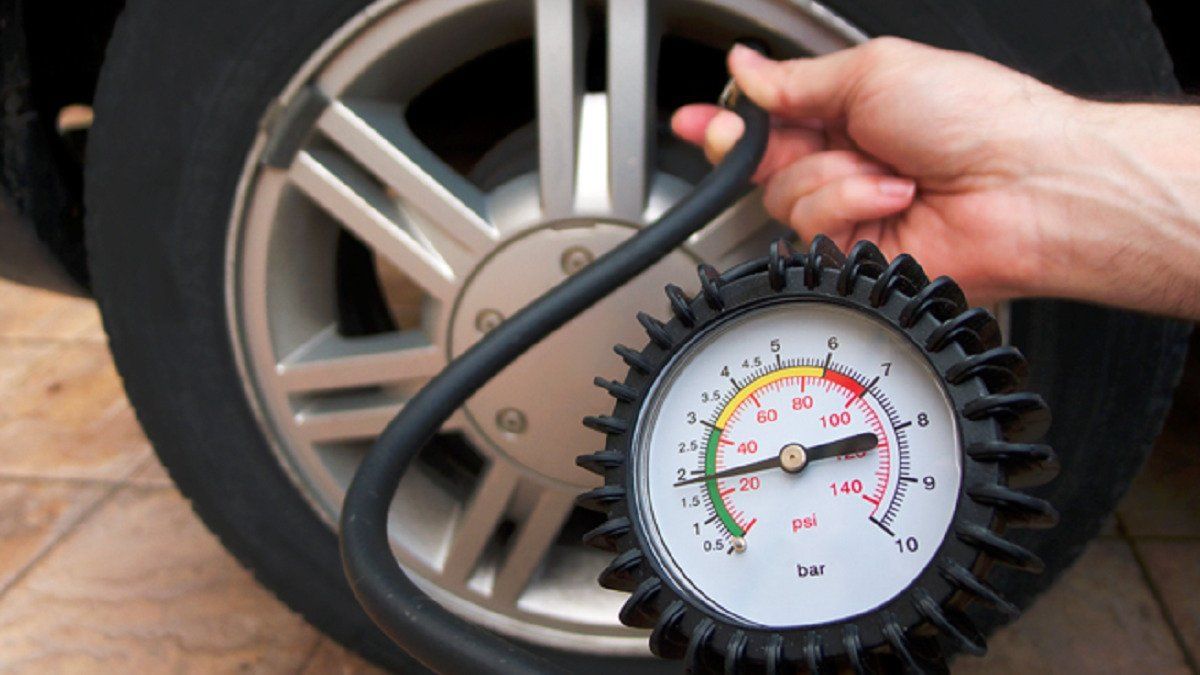
Bar is another unit for measuring tire pressure. It’s popular in Europe and other parts of the world. One bar is equal to 14.5 PSI. Bar is a metric unit and aligns with other metric measurements. Tire gauges often display pressure in both PSI and Bar. Understanding both units helps when traveling internationally. Always ensure your tires are set to the recommended pressure in bar. This ensures safety and optimal performance.Checking Tire Pressure
Proper tire pressure ensures safety and fuel efficiency. Most car tires require around 30 to 35 PSI. Check the owner’s manual for precise guidelines.
Checking tire pressure is a crucial aspect of car maintenance. Proper tire pressure ensures your car runs smoothly, increases fuel efficiency, and extends tire life. It’s a task that can be easily overlooked, but keeping a close eye on your tire pressure can save you from unexpected breakdowns and costly repairs.Manual Pressure Gauges
Manual pressure gauges are the classic choice for checking tire pressure. They are simple, reliable, and do not require batteries. To use a manual gauge, remove the valve cap from your tire, press the gauge onto the valve, and read the measurement. Some people prefer manual gauges for their durability and ease of use. You can keep one in your glove compartment for quick access. These gauges are available in most auto parts stores and are typically inexpensive. Investing in a good manual gauge can pay off in the long run.Digital Pressure Gauges
Digital pressure gauges offer convenience and precision. They provide a digital readout, making it easier to read accurate pressure levels. Using a digital gauge is straightforward. Just turn it on, place it on the tire valve, and wait for the reading to appear on the screen. Many digital gauges come with added features like backlit displays and automatic shut-off. These features can be handy, especially in low-light conditions. While they tend to be slightly more expensive than manual gauges, the ease of use and accuracy can be worth the extra cost. Having a digital gauge can give you peace of mind, knowing you are getting precise readings every time.Have you checked your tire pressure lately? Taking a few minutes to do so can make a significant difference in your driving experience. Whether you prefer a manual or digital gauge, the important thing is to make tire pressure checks a regular habit.
Optimal Tire Pressure For Different Vehicles
Understanding the optimal tire pressure for different vehicles is essential for safety. Tire pressure affects fuel efficiency, handling, and tire lifespan. Each vehicle type requires a specific tire pressure range. Let’s explore the ideal tire pressure for various vehicles.
Sedans And Hatchbacks
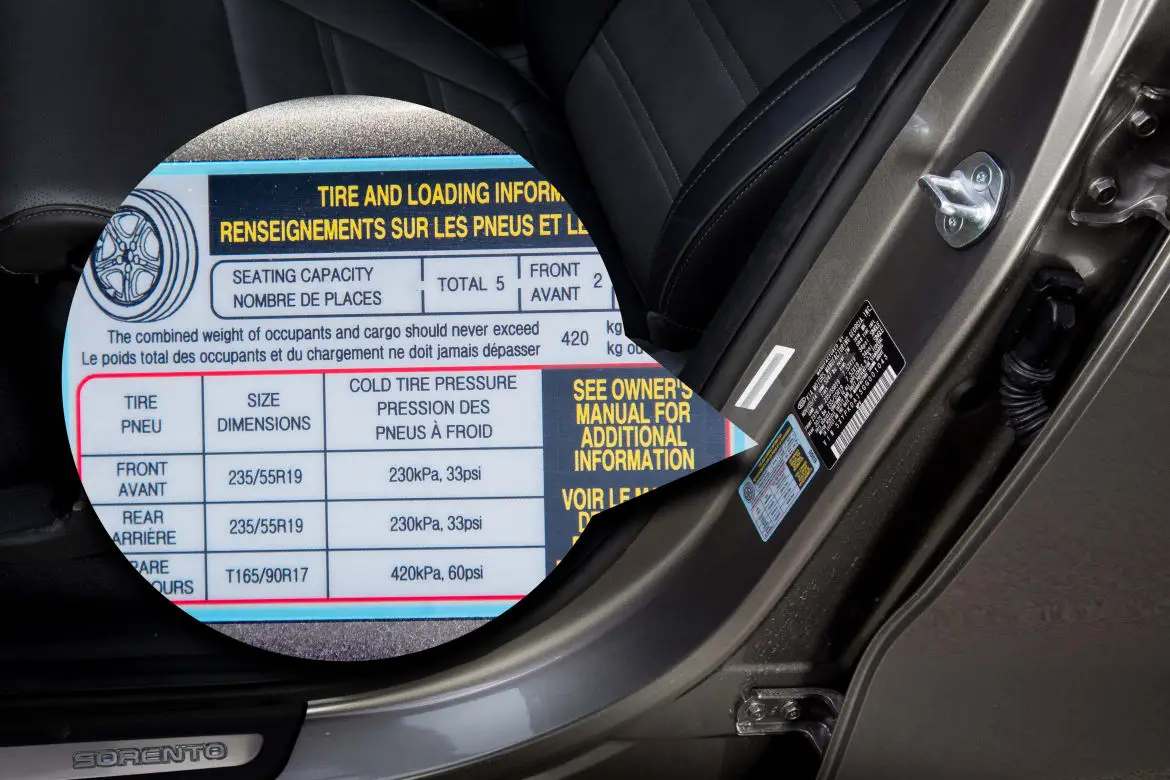
Sedans and hatchbacks often require a tire pressure between 30 to 35 PSI. This range ensures a smooth ride and good fuel economy. Always check the sticker inside the driver’s door for specific numbers. Regularly inspect tires to maintain this optimal pressure.
Suvs And Trucks
SUVs and trucks usually need higher tire pressure. A range of 35 to 45 PSI is common. This pressure supports the heavier weight of these vehicles. It also provides better stability and control. For accurate pressure, consult the vehicle’s manual or door sticker.
Sports Cars
Sports cars demand precise tire pressure for performance. Typically, they need between 30 to 40 PSI. Proper pressure enhances grip and handling. Always use a reliable gauge for checking. Adjust accordingly to maintain peak performance.
Effects Of Incorrect Tire Pressure
Incorrect tire pressure can lead to uneven wear and reduced fuel efficiency. Too much pressure affects handling, while too little pressure increases risk of blowouts. Properly inflated tires ensure a safer and smoother ride.
The pressure in your car tires affects many things. Performance, safety, and fuel efficiency all depend on it. Incorrect tire pressure can cause problems. It impacts your driving experience and your wallet.Underinflation Consequences
Underinflated tires can be dangerous. They create more friction with the road. This friction leads to overheating. Overheating can cause tire failure. It also reduces your fuel efficiency. You spend more money on gas. Underinflated tires wear out faster. They cause uneven tread wear. This means you need to replace them sooner. The handling of your car becomes poor. Stopping distances increase. It’s unsafe, especially in wet conditions.Overinflation Risks
Overinflated tires are not safe either. They reduce the contact area with the road. This decreases traction and increases stopping distances. The ride becomes bumpy and uncomfortable. Overinflated tires are more likely to get damaged by potholes. They wear out more quickly in the center. This uneven wear shortens their lifespan. High pressure can also affect the suspension system. It leads to costly repairs over time.Maintaining Proper Tire Pressure
Proper tire pressure ensures safety and efficiency on the road. The ideal pressure typically ranges from 30 to 35 PSI. Regular checks can prevent tire wear and improve fuel economy.
Maintaining the proper tire pressure is one of the simplest yet most critical aspects of car maintenance. Ensuring your tires have the right amount of air not only enhances your vehicle’s performance but also extends the lifespan of the tires. Plus, it can significantly improve your car’s fuel efficiency, saving you money at the pump. But how often do you actually check your tire pressure, and do you adjust it according to the seasons? Let’s dive into some practical tips.Regular Checks
Regularly checking your tire pressure is essential. Ideally, you should do it at least once a month. Use a reliable tire pressure gauge to get an accurate reading. It’s best to check the pressure when your tires are cold, as driving heats them up and can give a false reading. If you’re like me and sometimes forget, try setting a reminder on your phone. You’ll be amazed at how this small habit can prevent bigger issues down the road.Seasonal Adjustments
Did you know that temperature changes can affect tire pressure? For every 10°F drop in temperature, tire pressure decreases by about 1 PSI. In colder months, you might find your tires need more air. Conversely, in warmer months, you may need to let some air out. Paying attention to these seasonal adjustments ensures that you maintain optimal tire pressure year-round. This not only enhances safety but also ensures a smoother ride, regardless of the weather. By keeping these adjustments in mind, you can tackle the challenges of seasonal changes like a pro. How do you plan to make tire maintenance a regular part of your routine?Common Mistakes In Tire Pressure Management
Proper tire pressure management is essential for car safety and efficiency. Many drivers make common mistakes that compromise tire performance and longevity. Understanding these errors can help maintain tires in optimal condition.
Neglecting Regular Checks
Many drivers skip regular tire pressure checks. Tires naturally lose air over time. Changes in temperature can also affect tire pressure. Without regular checks, tires may become under-inflated. This can lead to uneven wear and reduced fuel efficiency.
Checking tire pressure monthly is vital. Use a reliable tire gauge for accurate readings. Do not rely solely on visual inspections. Even a slightly low tire can impact vehicle handling.
Ignoring Vehicle Recommendations
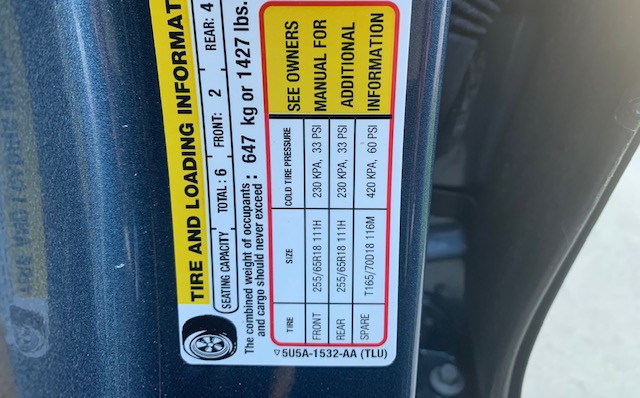
Each vehicle has specific tire pressure recommendations. These are usually found in the owner’s manual or on a sticker inside the driver’s door. Ignoring these guidelines can lead to over-inflation or under-inflation.
Some drivers mistakenly inflate tires to the maximum pressure listed on the tire. This number indicates the tire’s maximum capacity, not the optimal pressure for your vehicle. Always follow the manufacturer’s recommendations for best results.
Credit: www.cars.com
Tools For Tire Pressure Maintenance
Maintaining the correct tire pressure is vital for safe driving. The right tools make this task easy and efficient. There are various gadgets designed to help you. They ensure your tires remain in optimal condition. Let’s explore some of these essential tools.
Portable Air Compressors
Portable air compressors are handy devices. They allow you to inflate tires anywhere. These compressors are compact and easy to use. Many come with digital displays for accurate readings. Some even have automatic shut-off features. This prevents over-inflation, ensuring safety. They are ideal for emergencies and long trips.
Tire Pressure Monitoring Systems
Tire Pressure Monitoring Systems (TPMS) alert drivers to low pressure. They are often built into modern vehicles. These systems monitor pressure in real-time. Alerts appear on the dashboard when pressure drops. This helps drivers act quickly to prevent issues. TPMS ensures tires are always at the right pressure.
Credit: www.spinny.com
Frequently Asked Questions
What Is The Correct Tire Pressure For A Car?
Check the vehicle’s manual or the driver’s side door jamb for the recommended tire pressure. Typically, it’s around 32-35 PSI for most cars. Maintain correct tire pressure for safety and optimal fuel efficiency. Always use a reliable tire gauge to measure tire pressure accurately.
Is 28 Tire Pressure Ok To Drive?
28 tire pressure may be too low for many vehicles. Always check your car’s manual for recommended PSI. Driving with underinflated tires can cause poor fuel efficiency and increase tire wear. Maintaining proper tire pressure ensures safe handling and optimal performance.
Regularly inspect and adjust tire pressure as needed.
Is 35 Tire Pressure Okay?
35 PSI tire pressure is generally okay for most passenger cars. Always check your vehicle’s manual for specific recommendations. Proper tire pressure improves safety, fuel efficiency, and tire lifespan. Regularly monitor and adjust tire pressure to ensure optimal performance.
Is 40 Psi Too High For Tire Pressure?
40 psi may be high for some tires. Check your vehicle’s manual for recommended tire pressure. Proper inflation ensures safety and tire longevity. Adjust pressure based on load and driving conditions. Regularly inspect tires to maintain optimal performance and fuel efficiency.
Conclusion
Keeping your car tires properly inflated is crucial for safety. Correct tire pressure improves fuel efficiency. It also ensures a smooth ride. Driving with low tire pressure is dangerous. It can lead to tire failure. Regularly check your tire pressure with a gauge.
Always refer to your car’s manual for guidelines. Proper tire maintenance extends tire life. It saves money on replacements too. Understanding tire pressure is essential for all drivers. Check, adjust, and drive safely. Your car and wallet will thank you.
Keep your journey safe by maintaining the right tire pressure.