
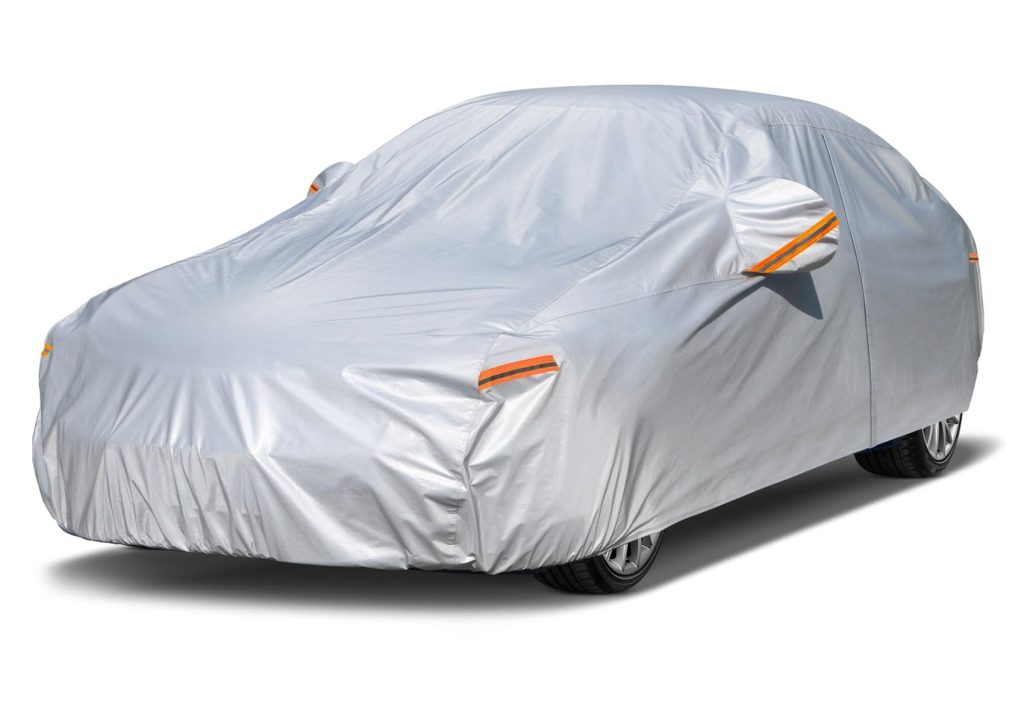
Are you tired of worrying about your car getting soaked during unexpected downpours? Or perhaps you’re concerned about the harsh sun fading your car’s paint job?
If you’ve ever asked yourself, “Are car covers waterproof? “, you’re not alone. Many car owners are on the hunt for the perfect solution to protect their prized possessions. You deserve peace of mind knowing your vehicle is shielded from the elements.
This article will dive into the world of car covers, unraveling the truth about their waterproof capabilities and helping you make an informed decision. Stick around to discover how the right car cover can safeguard your investment and enhance your car’s lifespan, leaving you stress-free and confident in your choice.

Credit: www.amazon.com
Benefits Of Car Covers
Waterproof car covers protect vehicles from rain, snow, and moisture damage. They prevent rust and maintain the car’s appearance. Durable and easy to use, these covers extend the lifespan of your vehicle.
Car covers offer several advantages for vehicle owners. They shield your car from various elements that can cause damage over time. These covers are designed to fit snugly, providing a layer of defense. Let’s delve into the benefits of car covers.Protection From Weather Elements
Car covers guard against harsh weather conditions. Rain, snow, and sun can harm your car’s exterior. A waterproof cover keeps moisture away, preventing rust and corrosion. It blocks harmful UV rays that fade and crack surfaces. This protection extends the life of your vehicle.Preventing Scratches And Dents
A car cover acts as a barrier against minor impacts. It prevents scratches from debris and accidental contact. This layer reduces the risk of dents caused by falling objects. Keeping your car covered minimizes wear and tear.Preserving Paint Quality
The paint job is crucial for your car’s appearance. Car covers protect the paint from dust, dirt, and bird droppings. This helps maintain the shine and vibrancy of the paint. It also saves money on frequent repainting and touch-ups. Protecting the paint enhances the car’s resale value.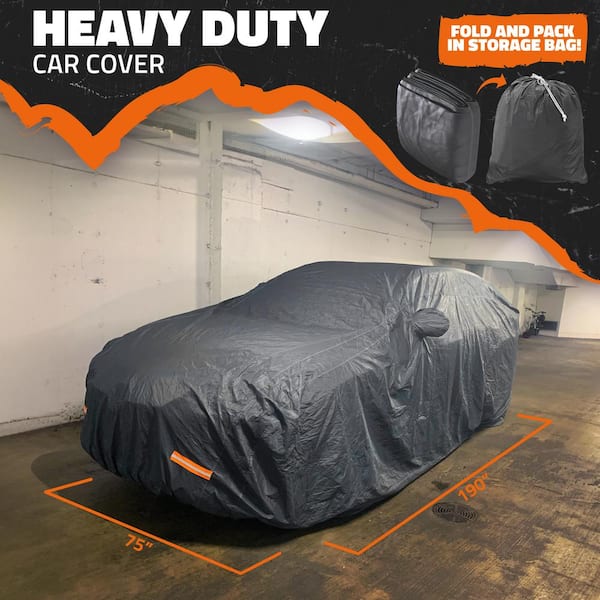
Credit: www.homedepot.com
Types Of Car Covers
Choosing the right car cover can be a game-changer for your vehicle’s protection. With a variety of options available, it’s crucial to understand the different types of car covers to ensure you pick the one that best suits your needs. Are you looking to shield your car from the elements, or perhaps maintain its pristine condition indoors? Let’s dive into the types of car covers that can cater to these needs.
Indoor Vs. Outdoor Covers
Indoor car covers are designed to protect your vehicle from dust, dirt, and minor scratches in a controlled environment. They are typically made from soft materials like cotton or polyester, ensuring your car’s paint remains unblemished.
In contrast, outdoor covers offer robust protection against harsh weather conditions. Whether it’s rain, snow, or sun, these covers are crafted from durable materials like polyethylene or polypropylene, providing a waterproof barrier. Consider where your car is typically parked to determine which type suits you.
Universal Vs. Custom-fit Covers
Universal car covers are designed to fit a wide range of vehicle sizes. They’re a great option if you’re looking for something versatile and budget-friendly. However, they may not offer a snug fit, potentially leaving parts of your car exposed.
Custom-fit covers, on the other hand, are tailored to the exact dimensions of your vehicle. They offer superior protection by hugging every curve and contour, minimizing exposure to the elements. While they may cost more, the enhanced protection they provide is often worth the investment.
Material Variations
The material of a car cover plays a significant role in its effectiveness. Some common materials include polyester, which is great for indoor use due to its lightweight and breathable nature.
For outdoor protection, materials like polyethylene offer waterproof features, ensuring your car remains dry even in a downpour. There are also multi-layer covers that combine different materials for maximum protection. What material would you trust to keep your car safe?
Waterproof Vs. Water-resistant
Choosing the right car cover is crucial for protecting your vehicle. The terms “waterproof” and “water-resistant” often confuse buyers. Understanding these differences helps in selecting the best cover for your needs.
Defining Waterproof
Waterproof covers prevent water from passing through. They have tightly sealed layers. These layers stop water, keeping your car dry. High-quality materials like polyethylene ensure full protection. Waterproof covers are ideal for heavy rain areas.
Exploring Water-resistant Features
Water-resistant covers offer partial protection. They repel water but are not fully sealed. These covers protect against light rain and moisture. Materials like polyester provide water-resistant features. They are more breathable than waterproof covers.
Comparing Effectiveness
Waterproof covers provide complete water blockage. Water-resistant covers offer limited protection. Waterproof options are more durable. Water-resistant covers are often lighter. Choose based on local weather conditions. Waterproof is best for heavy rain. Water-resistant suits milder climates.
Choosing The Right Cover
Selecting the best car cover involves understanding if it’s waterproof or merely water-resistant. Waterproof covers shield your vehicle from rain and moisture. This protection can prevent rust and maintain your car’s finish.
Choosing the right car cover is crucial for protecting your vehicle. Not all covers offer the same protection. Consider your specific needs to make the best choice.Climate Considerations
Different climates demand different types of car covers. In rainy areas, waterproof covers are essential. They protect your car from moisture and potential rust. In sunny regions, UV-resistant covers prevent paint damage. If you experience harsh winters, opt for a cover that can withstand snow and ice.Frequency Of Use
How often you use your car affects your cover choice. If you drive daily, choose a lightweight cover. Easy to put on and take off. For occasional use, a heavier cover provides better long-term protection. Consider ease of handling based on your usage pattern.Budget Constraints
Car covers come in various price ranges. A higher budget means more features and durability. However, even affordable options offer basic protection. Determine your priorities and find a cover that fits your budget. Investing in the right cover can save money on repairs.Maintaining Your Car Cover
Are Car Covers Waterproof Car covers vary in waterproofing capabilities. Some are fully waterproof, while others offer limited water resistance. Understanding the material and design helps in choosing the right one for your needs. Regular maintenance ensures the car cover remains effective and extends its lifespan.
Maintaining your car cover ensures its effectiveness and extends its lifespan. Regular care keeps it in top shape, providing reliable protection for your vehicle. A well-maintained cover guards against weather elements, dust, and debris. Proper cleaning, storage, and timely replacement are essential.Cleaning Techniques
Regular cleaning prevents dirt build-up and keeps the cover breathable. Use a gentle brush to remove loose dirt before washing. Hand wash using mild soap and lukewarm water. Rinse thoroughly to remove all soap residues. Avoid using harsh chemicals or bleach. Let the cover air dry completely before using it again.Storage Tips
Storing your car cover properly prevents damage. Fold it neatly to avoid wrinkles and creases. Keep it in a cool, dry place away from direct sunlight. Use a storage bag for added protection against dust and moisture. Ensure the cover is completely dry before storing to prevent mold growth.Longevity And Replacement
Regular checks help you spot signs of wear and tear. Inspect seams, straps, and material for any damage. Replace the cover if you notice significant wear or reduced waterproofing. A new cover ensures optimal protection for your car. Investing in a high-quality cover can increase its longevity.Common Misconceptions
Car covers are often misunderstood. Many people believe they are completely waterproof. This misconception can lead to unrealistic expectations. Understanding the truth about car covers is important for effective car maintenance.
Misunderstanding Waterproof Claims
Many car covers claim to be waterproof. This does not mean they can block all moisture. Most are water-resistant, not waterproof. Water-resistant covers repel water to some extent. They protect against rain but not heavy downpours. Always read the product description carefully.
Expectations Vs. Reality
Expectations often differ from reality. People expect car covers to keep cars completely dry. Realistically, covers prevent major water damage but not all moisture. Some moisture might seep through, especially in heavy rain. It’s important to set realistic expectations.
Impact On Car Maintenance
Using car covers can impact car maintenance. They protect paint from rain and sun. This reduces the need for frequent washes. But, if moisture gets trapped, it can cause issues. Properly ventilated covers help prevent moisture buildup. Regular checks ensure your car stays in good condition.

Credit: www.budgecovers.com
Frequently Asked Questions
What Are The Disadvantages Of A Car Cover?
Car covers can trap moisture, leading to mold or rust. They may scratch paint if not properly fitted. Frequent removal might cause wear and tear. Some materials degrade under harsh weather conditions. Covers can be cumbersome to store when not in use.
Does Rain Go Through Car Covers?
Some car covers are waterproof, preventing rain from seeping through. Others are water-resistant, offering limited protection. Always check the product specifications to ensure it suits your needs. Proper fit and material quality significantly impact effectiveness against rain. Investing in a high-quality car cover ensures better protection for your vehicle.
When Should You Not Use A Car Cover?
Avoid using a car cover in strong winds to prevent damage. Wet or damp conditions can trap moisture, causing rust. Avoid in extremely hot weather, as it may stick to the paint. Don’t cover a dirty car to prevent scratches.
Avoid on freshly painted surfaces.
Is There A 100% Waterproof Car Cover?
No car cover is 100% waterproof. Most are water-resistant, offering protection from rain and moisture. Opt for high-quality materials for better performance. Regular maintenance ensures longevity.
Conclusion
Car covers offer good protection for vehicles. Most are not fully waterproof. They resist water but may not stop heavy rain. Choosing the right car cover is important. Look for quality material. Check for features like durability and breathability. Waterproof covers help against rain, snow, and dust.
They extend car life and keep it clean. Regular care and maintenance are key. Inspect the cover often. Replace if damaged or worn. Your car deserves quality protection. Choose wisely for the best results.