
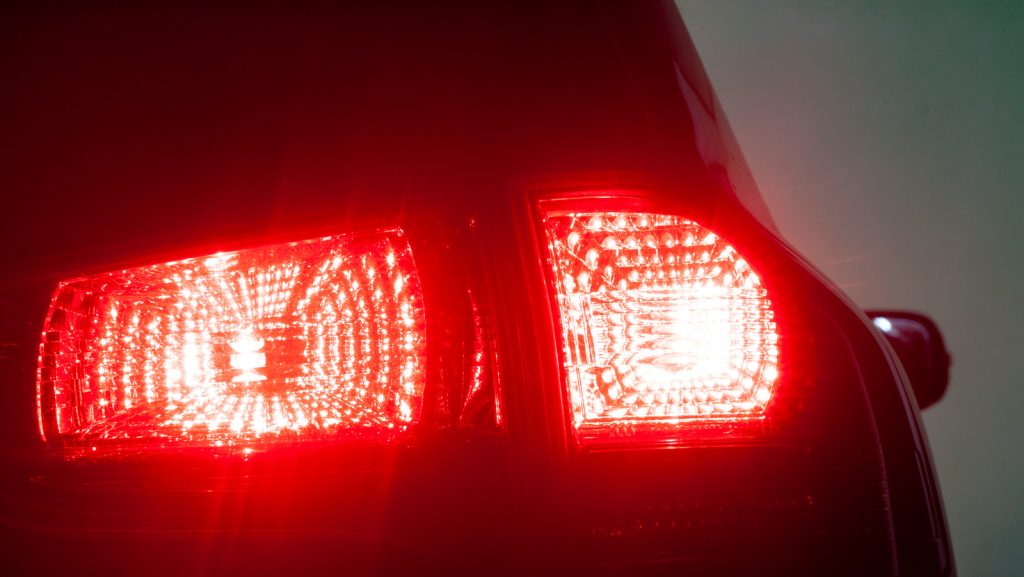
Have you ever parked your car only to notice that the brake lights remain stubbornly lit? It’s a situation that can leave you puzzled and concerned.
Not only do you worry about your car’s battery draining, but you might also wonder if there’s a bigger issue lurking beneath the surface. You’re not alone in this, and you’re about to uncover why this happens and how you can address it.
Imagine the relief of knowing what causes this problem and how simple it could be to fix it. By understanding the reasons behind persistent brake lights, you can save yourself from potential headaches and costly repairs. Keep reading to find out the common causes and solutions that can prevent your car’s brake lights from staying on, and take control of your vehicle’s health.

Credit: www.icartea.com
Common Causes
Understanding why car brake lights remain on is crucial for safety. Persistent brake lights can confuse drivers and lead to accidents. Let’s explore common causes of this issue, ensuring your vehicle stays safe on the road.
Brake Light Switch Malfunction
The brake light switch is a key component. It activates the brake lights when you press the pedal. If it malfunctions, the lights may stay on. Often, wear and tear cause the switch to fail. Replacing the switch can solve the problem.
Faulty Electrical System
An electrical system issue may keep brake lights on. Faulty wiring or a blown fuse could be the culprit. These problems disrupt the normal functioning of the lights. Inspecting the electrical system helps identify and fix the issue.
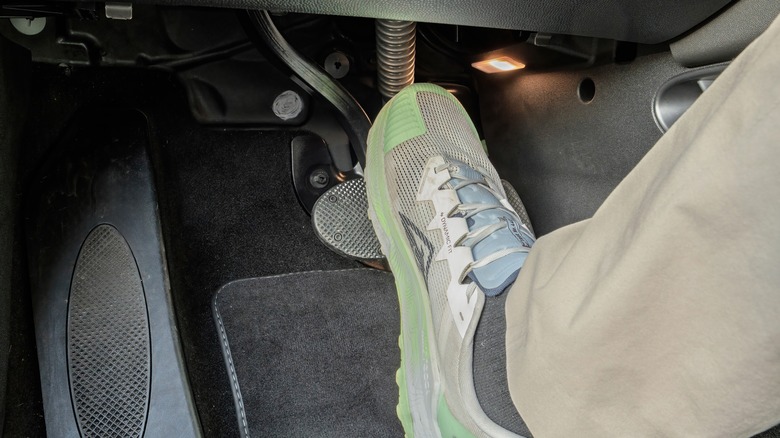
Issues With Brake Pedal
A misaligned brake pedal can trigger constant light activation. Sometimes, the pedal does not return to its original position. This keeps the lights on even when not pressing the pedal. Adjusting the pedal alignment can resolve this.
Wiring Problems
Wiring issues often lead to brake light problems. Damaged or frayed wires can cause continuous illumination. Regular checks of the vehicle’s wiring can prevent this. Repairing or replacing damaged wires restores proper light function.
Credit: www.jalopnik.com
Diagnosing The Problem
Brake lights are crucial for safety. They signal when a vehicle is slowing down. If they stay on, it can confuse other drivers. Diagnosing the issue is essential. Here’s how to pinpoint the problem.
Visual Inspection
Start with a visual check. Look for obvious issues. Check the brake pedal. Ensure it’s not stuck or misaligned. Inspect the brake light switch. It’s usually near the pedal. Look for signs of wear or damage. Check the wiring. Ensure there are no frayed wires or loose connections.
Using Diagnostic Tools
Use diagnostic tools for deeper insights. A multimeter can check electrical flow. Ensure the switch is getting power. Test the brake light switch with a multimeter. Check the vehicle’s fuse box. A blown fuse can cause lights to malfunction. Use an OBD-II scanner for modern vehicles. It can detect electrical faults.
Consulting A Professional Mechanic
Seek professional help if unsure. A mechanic has the expertise needed. They can diagnose complex electrical issues. They can inspect the wiring thoroughly. Professional mechanics have advanced diagnostic tools. They ensure a precise diagnosis. A mechanic can fix or replace faulty components.
Diy Fixes
Car brake lights staying on can indicate a malfunctioning brake light switch or a faulty electrical system. It might also be caused by sticky brake pedals or faulty wiring. Identifying the root cause early can prevent further issues and ensure safe driving.
Dealing with car brake lights that refuse to turn off can be both frustrating and perplexing. But before you rush to the mechanic, there are several DIY fixes you can try yourself. These solutions are not only practical but can also save you a considerable amount of money. Wondering if you have the skills to tackle this issue? You’ll be surprised by how straightforward these solutions can be. Let’s dive into some effective DIY fixes for persistent brake lights.Adjusting The Brake Light Switch
The brake light switch is often the culprit when brake lights stay on. You might wonder how this small component can cause such a nuisance. It’s located near your brake pedal, and sometimes, it just needs a little adjustment. – Locate the Brake Light Switch: Check beneath the dashboard, close to the brake pedal. You’ll find the switch in most vehicles there. – Test the Switch: Press the brake pedal and see if the switch is engaging correctly. If it doesn’t click or feels loose, it might need tightening. – Adjust the Position: Use a wrench or screwdriver to adjust the switch’s position. A small tweak can make a big difference. Ensure the switch is aligned properly to avoid further issues.Repairing Or Replacing Wiring
Faulty wiring can also lead to brake lights staying illuminated. This might sound intimidating, but with a systematic approach, it’s manageable. – Inspect the Wiring: Look for any visible damage or fraying in the wires connected to the brake lights. – Repair Minor Issues: If you notice slight damage, try patching it up with electrical tape. It’s a quick fix that can resolve the problem. – Consider Replacement: For extensive damage, replacing the affected wiring might be necessary. You can purchase wiring kits from auto parts stores that come with instructions.Lubricating The Brake Pedal
Sometimes, the brake pedal itself can be the issue, especially if it’s not returning to its original position after being pressed. Lubrication can be a simple solution. – Check Pedal Movement: Press the pedal and observe its movement. If it feels sticky or doesn’t return smoothly, lubrication might help. – Apply Lubricant: Use a suitable automotive lubricant on the pivot points of the pedal. Be careful not to over-apply, as excess lubricant can attract dirt. – Test the Pedal: After lubrication, test the pedal’s movement again. You might be surprised how a bit of grease can solve the problem. These DIY fixes for brake lights staying on are practical steps that you can try at home. Have you ever tackled a car repair yourself? It can be incredibly satisfying to solve a problem without professional help. Give these solutions a shot, and you might just find yourself fixing more than just your brake lights in the future.
Credit: urbsgarage.com
When To Seek Professional Help
Persistent brake lights can signal an underlying issue. Seek professional help if they stay on despite checking the switch and fuse. Timely intervention prevents further damage and ensures safety on the road.
When your car’s brake lights refuse to turn off, it can be more than just a nuisance. It may signal underlying issues that require professional intervention. While some problems can be resolved with a quick fix, others might demand the expertise of a skilled mechanic. Knowing when to seek professional help not only saves you time but also ensures your safety on the road.Complex Electrical Issues
Modern cars are equipped with advanced electrical systems. If your brake lights stay on due to electrical complications, it might be challenging to diagnose and fix on your own. You might notice flickering lights or inconsistent brightness, indicating a wiring issue. These symptoms often require a mechanic’s expertise to trace and resolve. An experienced technician can efficiently handle complex electrical problems. They have the tools and knowledge to diagnose issues correctly. Attempting a DIY fix could exacerbate the problem, leading to costly repairs.Persistent Brake Light Problems
Sometimes, the problem isn’t apparent. You might replace a faulty brake light switch, only to find the lights still won’t turn off. This persistence suggests a deeper issue. It could be related to your car’s control module or other hidden components. Consulting a professional in such cases can be beneficial. They can perform a thorough inspection and pinpoint the exact cause. It’s better to invest in professional help than to risk damage by attempting uncertain fixes.Safety Considerations
Brake lights play a crucial role in road safety. They signal your intentions to other drivers, preventing accidents. If your brake lights malfunction, it puts you and others at risk. Imagine driving at night with brake lights constantly on. It confuses drivers behind you, potentially leading to collisions. Seeking professional help ensures your car’s lights function correctly, keeping you and fellow drivers safe. Is it worth risking your safety over a minor repair? Prioritize safety and reach out to a trusted mechanic when needed.Preventive Measures
Faulty brake light switches can cause car brake lights to stay on. Regular maintenance can prevent this issue. Check and replace malfunctioning parts promptly.
Preventive measures can keep your car brake lights from staying on. Addressing issues early helps avoid costly repairs. Here are some essential steps to ensure your brake lights function properly.Regular Maintenance Checks
Perform regular checks on your car’s brake system. Inspect brake pads, rotors, and fluid levels. This helps spot potential problems early. Schedule professional inspections at least twice a year. Catching issues early keeps your car safe and reliable.Keeping Electrical Systems In Good Condition
Ensure all electrical systems are in top shape. Check the battery, fuses, and wiring regularly. Clean battery terminals to prevent corrosion. Replace faulty fuses immediately. Secure loose wires to avoid short circuits. A well-maintained electrical system helps brake lights work correctly.Replacing Worn-out Components
Replace worn-out parts promptly. Old brake switches can cause lights to stay on. Inspect and replace them when necessary. Look for damaged bulbs and sockets. Replace them as needed to ensure proper functioning. Keeping components fresh prevents unexpected failures.Frequently Asked Questions
Why Are My Brake Lights Staying On When The Car Is Off?
Your brake lights may stay on due to a faulty brake light switch or misaligned brake pedal stopper. Check for issues with these components and replace or adjust as needed to resolve the problem. A professional inspection can ensure proper diagnosis and repair.
What To Do If Your Brake Lights Won’t Turn Off?
Check the brake light switch near the pedal. Adjust or replace if faulty. Inspect wiring for damage. Ensure brake pedal returns fully. Consult a mechanic if needed.
Can A Bad Alternator Cause Brake Lights To Stay On?
A bad alternator can cause electrical issues, affecting brake lights. Insufficient power might keep them on. Check your alternator if brake lights stay illuminated unexpectedly. Proper diagnosis ensures safety and prevents battery drainage.
How To Fix Car Brake Lights On All The Time?
Check the brake light switch near the pedal. Adjust or replace it if faulty. Inspect wiring for damage. Ensure brake pedal returns fully. Test the lights after adjustments. If problems persist, consult a mechanic for further diagnosis.
Conclusion
Brake lights staying on can be frustrating. Common reasons include faulty switches, wiring issues, or stuck pedals. These problems lead to safety concerns and battery drain. Regular maintenance helps prevent these issues. Checking brake components can save time and money.
Fixing brake lights promptly ensures safer driving. Stay alert to changes in your car’s lighting. Consult a mechanic if unsure. Correctly functioning brake lights are crucial for road safety. Remember, safe driving protects you and others. Always address car issues quickly to maintain vehicle health.
Keep your car in top shape for peace of mind.