

Imagine you’re driving down a lonely road, miles away from the nearest town, and suddenly, your car stalls. Panic sets in as you realize you’re unprepared for an emergency.
What if you had the perfect car emergency kit to turn this stressful situation into a manageable one? You can transform your anxiety into confidence with just a little preparation. Having the right items in your car emergency kit is like having a guardian angel riding along with you.
It’s not just about safety; it’s about peace of mind every time you hit the road. Are you ready to discover what essentials you should keep in your car to ensure you’re always prepared for the unexpected? Let’s dive into what your kit should include to keep you safe and stress-free on your journeys.
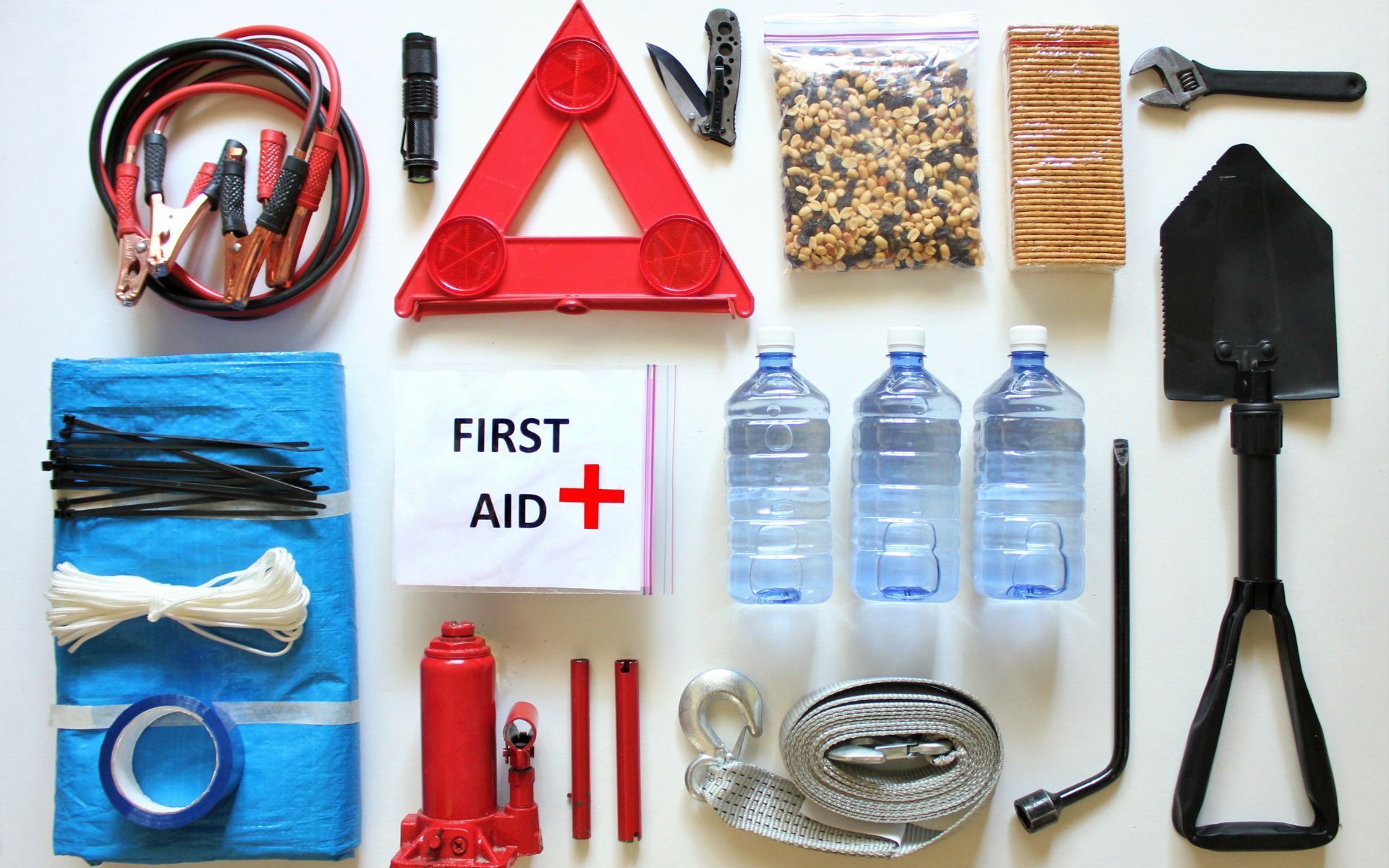
Credit: www.dilawri.ca
Basic Tools
A car emergency kit is essential for unexpected situations on the road. Basic tools form the backbone of this kit. They help address common car problems without hassle. Knowing which tools to include can make a real difference.
Wrench And Screwdriver
A wrench and screwdriver are vital tools in your kit. The wrench helps tighten bolts and nuts. It is useful for small repairs. Screwdrivers come in handy for loosening or tightening screws. Keep both flathead and Phillips screwdrivers. They cover different types of screws.
Tire Jack And Lug Wrench
A tire jack and lug wrench are crucial for changing flat tires. The tire jack lifts your car off the ground safely. It helps you access the tire easily. A lug wrench removes the nuts holding the tire in place. Ensure the lug wrench fits your car’s lug nuts.
Jumper Cables
Jumper cables are lifesavers when your battery dies. They connect your battery to another car’s battery. This allows your car to start. Make sure the cables are long enough. They should reach both car batteries comfortably. Quality cables reduce the risk of damage.

Credit: tech.yahoo.com
Safety Gear
When you’re on the road, your safety is your top priority. A well-stocked car emergency kit can be a lifesaver in unexpected situations. Safety gear is an essential component of your kit, designed to keep you visible, prepared, and protected. But what should you include to ensure you’re ready for anything?
Reflective Triangles
Imagine your car breaks down at night on a busy highway. Reflective triangles are vital to alert oncoming drivers that your vehicle is stationary. These simple devices can make a huge difference in preventing accidents. Position them strategically behind your car to create a visible warning. Have you ever considered how visible your car is at night without them?
Flashlight With Extra Batteries
A flashlight is an indispensable tool for nighttime emergencies. Whether you’re checking under the hood or navigating your surroundings, a reliable flashlight can illuminate your path. Make sure to pack extra batteries to avoid being left in the dark. Have you ever tried changing a flat tire without proper lighting?
First Aid Kit
No emergency kit is complete without a first aid kit. Accidents happen, and having basic medical supplies on hand can be crucial. Bandages, antiseptic wipes, and pain relievers are just a few essentials to include. Have you equipped your car for minor injuries during unexpected incidents?
Each piece of safety gear plays a unique role in ensuring your well-being on the road. Are you prepared for the unexpected?
Personal Items
When building your car emergency kit, personal items are crucial for ensuring comfort and survival in unexpected situations. These items cater to your basic needs and provide a sense of relief during a roadside breakdown or harsh weather conditions. Let’s dive into what you should pack to stay prepared.
Blanket And Warm Clothes
Imagine being stranded in freezing temperatures without proper clothing. A warm blanket and clothes can be lifesavers. Keep a fleece blanket or a compact sleeping bag in your kit. Layered clothing like thermal tops, gloves, and scarves are perfect for keeping the chill at bay. These items not only provide warmth but also comfort during a stressful time.
Non-perishable Snacks
Hunger can strike unexpectedly during a long wait for help. Stock up on non-perishable snacks such as granola bars, nuts, or dried fruits. These foods are easy to store and have a long shelf life. Snacking can keep your energy levels up and provide a small sense of normalcy in an emergency.
Bottled Water
Thirst can be a serious issue if you’re stuck for hours. Bottled water is essential for hydration. Consider storing several small bottles or a large jug. Water can also be used for basic hygiene needs if necessary. Having enough to drink can keep you focused and alert while waiting for assistance.
Navigation Aids
Road maps and a compass are vital navigation aids for a car emergency kit. They ensure you can find your way if digital devices fail.
Navigating unfamiliar roads can be daunting, especially during emergencies. You might rely heavily on GPS, but what happens if it fails or your phone dies? This is where traditional navigation aids come into play. They serve as a reliable backup, ensuring you never lose your way.
Road Maps
Road maps might seem old-fashioned, but their importance in a car emergency kit is undeniable. They don’t require batteries or signal, making them a perfect backup when technology fails. Consider keeping a detailed map of your local area and any regions you frequently travel to. They provide a visual overview that can help you understand alternative routes and identify nearby facilities. Have you ever had a GPS suggest a questionable route? A road map can give you a second opinion, ensuring your trip remains smooth and safe.
Compass
A compass is a small tool with big benefits. It offers direction when you’re feeling lost, both literally and figuratively. Imagine breaking down in a remote area where roads twist and turn. A compass can guide you back to the main road or help orient you toward civilization. Incorporating a compass into your kit is easy and space-efficient. It’s an inexpensive addition with the potential to be invaluable in times of need. Have you thought about how you might navigate if your digital tools fail? A compass might just be your guiding star.
Communication Devices
Including a reliable communication device in a car emergency kit is crucial. It ensures help is just a call away. A charged mobile phone or a portable radio can be lifesavers during unexpected situations on the road.
In emergencies, staying connected is essential. Communication devices in your car kit ensure you can call for help. They can also provide critical information during unexpected situations. Let’s explore vital communication tools.
Portable Phone Charger
A portable phone charger is indispensable. Your phone is your lifeline during emergencies. A dead phone battery can leave you stranded. A portable charger keeps your phone powered. It ensures you can make calls or access maps. Choose a charger with high capacity. This ensures multiple charges.
Emergency Radio
An emergency radio is crucial for information. During disasters, regular communication channels may fail. An emergency radio provides weather updates and news. Look for a hand-crank or solar-powered model. This ensures you have power without relying on batteries. Some models also include USB ports. This allows you to charge other devices.

Credit: www.amazon.ca
Miscellaneous Supplies
A car emergency kit should include essential items for safety and preparedness. Pack a flashlight, first aid kit, and jumper cables. Consider adding a tire pressure gauge, blanket, and basic tools for unexpected situations.
Miscellaneous supplies in a car emergency kit can be lifesavers. They might seem simple, but they pack a punch in crucial moments. These items ensure that you are prepared for unexpected situations. Let’s explore some essential items you should include.
Duct Tape
Duct tape is incredibly versatile. It fixes broken parts temporarily and seals leaks effectively. You can use it to mend torn hoses or secure loose parts. It can even help with simple first aid by keeping bandages in place. Having duct tape in your kit is a smart move.
Multi-tool
A multi-tool is a compact powerhouse. It combines several tools in one, like pliers, screwdrivers, and knives. This tool can assist with minor repairs and adjustments. You can use it to cut wires or tighten screws. It’s handy for various tasks, making it a must-have.
Fire Extinguisher
A fire extinguisher is crucial for safety. It can put out small fires quickly, preventing major damage. Ensure it’s rated for vehicle fires. Check its pressure regularly to keep it ready. A fire extinguisher adds a layer of protection in emergencies.
Frequently Asked Questions
What Should You Include In An Emergency Kit?
Include water, non-perishable food, flashlight, batteries, first aid kit, multi-tool, blankets, and personal hygiene items. Add medications, important documents, cash, and a whistle. Ensure you have a mobile charger and local maps. Tailor the kit to your specific needs and regularly update it.
What Emergency Equipment Is Required In A Car?
Essential car emergency equipment includes a first-aid kit, jumper cables, flashlight, tire pressure gauge, and spare tire. Keep reflective triangles, a fire extinguisher, and basic tools handy. Carry a blanket, bottled water, and non-perishable snacks for safety. Regularly check and replace expired or damaged items to maintain readiness.
What To Put In A Car Essentials Bag?
A car essentials bag should include a first aid kit, water, flashlight, jumper cables, and a tire repair kit. Add snacks, emergency blanket, multi-tool, and a phone charger. Consider road maps, rain poncho, and extra clothing for added preparedness. Keep your documents like insurance and registration handy.
What Should Be In A Vehicle Trauma Kit?
A vehicle trauma kit should include bandages, gauze, antiseptic wipes, scissors, gloves, adhesive tape, a tourniquet, and a CPR mask. Include a blanket, flashlight, and emergency contact information. These essentials help manage injuries until professional medical help arrives, ensuring safety and preparedness during emergencies.
Conclusion
A car emergency kit can save the day. Prepare yours with the essentials. Include a first aid kit, flashlight, and jumper cables. Don’t forget water, snacks, and a blanket. A multi-tool and spare tire are also handy. Keep the kit in an easy-to-reach spot.
Check items regularly for expiration dates. These basics can provide peace of mind on the road. Stay prepared and drive safely, knowing you’re ready for any situation.