

Imagine you’re in a situation where someone needs immediate medical help. Your heart races, your mind is in overdrive, and you’re faced with a crucial decision: should you call for help first or jump straight into providing care?
This dilemma is more common than you might think, and understanding when to call before administering first aid can be vital. You want to act fast, but also wisely. You’ll discover the key moments when dialing for emergency services should be your priority.
By knowing exactly when to reach out for professional help, you can ensure the best possible outcome for those in need. Your actions can make a difference, but timing is everything. Keep reading, because mastering this knowledge will empower you to act confidently in emergencies, turning your concern into life-saving action.
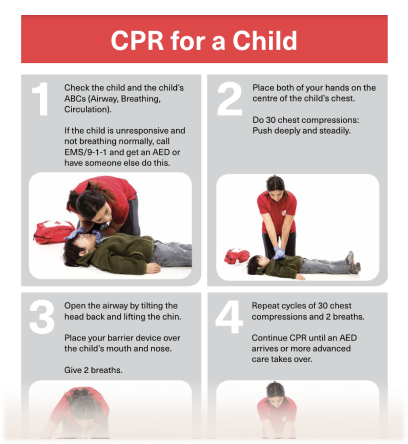
Credit: myrc.redcross.ca
Emergency Situations
In emergency situations, knowing when to call for help before administering care can be crucial. It’s a delicate balance between providing immediate aid and ensuring that professional medical assistance is on its way. Timing is everything. Imagine a scenario where every second counts; that’s when making the right call is vital. Let’s explore these scenarios more closely.
Life-threatening Injuries
Consider a car accident where someone is bleeding profusely. You’re there, ready to help, but you must dial emergency services first. In such cases, every passing second without professional help can mean the difference between life and death. Your immediate action should be to stop the bleeding, but getting paramedics on their way should be your top priority. Have you ever witnessed an accident and felt unsure about what to do? Remember, calling for help is never wrong in these situations.
Unresponsive Individuals
Encountering someone who is unresponsive can be startling. What should you do first? Checking for responsiveness should be your initial step. If there’s no response, call for emergency help immediately. While waiting, begin CPR if trained. In these moments, your ability to stay calm and act quickly is crucial. Have you ever wondered how you would handle finding someone unconscious? Preparing yourself with the knowledge to call before care can make all the difference.
Severe Allergic Reactions
Imagine you’re at a picnic and a friend suddenly starts showing signs of a severe allergic reaction. Their breathing becomes labored, and swelling is apparent. This is a situation where calling for professional help must precede care. Administering an epinephrine auto-injector can be life-saving, but ensuring that emergency services are alerted is essential. Ever thought about carrying an epi-pen for such unexpected events? It’s a small step that can have significant impacts.
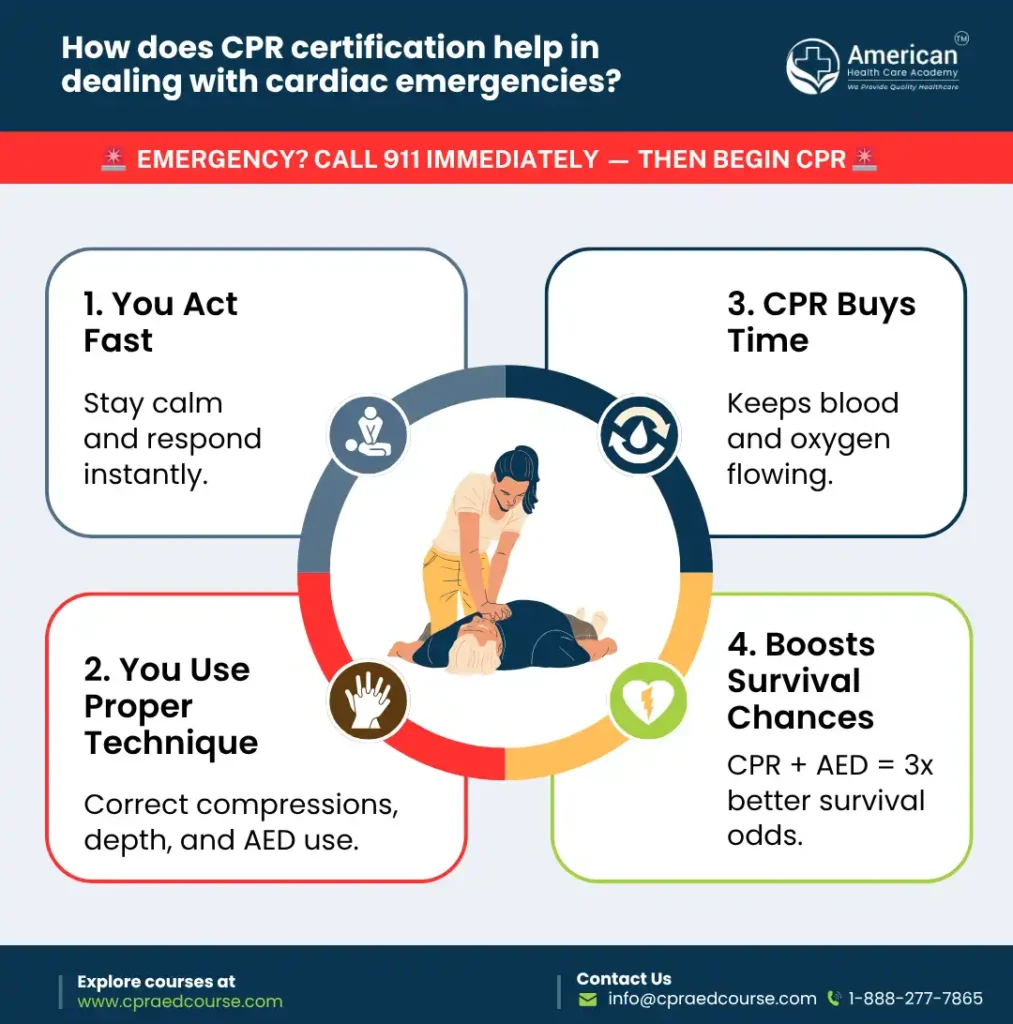
Credit: cpraedcourse.com
Assessing The Scene
In any first aid situation, assessing the scene is crucial before deciding whether to call for help or provide immediate care. This initial assessment can be the difference between life and death. By understanding the environment and the potential hazards, you position yourself to make informed decisions swiftly.
Checking For Danger
Before rushing in to help, pause and scan the surroundings. Is there oncoming traffic or a risk of fire? You need to ensure your safety first. If you’re injured, you can’t help anyone. Consider situations where you might encounter chemical spills or electrical hazards. Would you know what to do? Your safety is paramount.
Evaluating The Severity
Next, observe the victim’s condition. Are they conscious and breathing? Is there severe bleeding or visible distress? These signs help you gauge the urgency. A victim with a minor cut may not need immediate emergency services, but someone unconscious definitely does. Trust your instincts, but also rely on visible evidence to guide your actions.
Identifying Immediate Risks
Look beyond the immediate scene. Is there a risk of the situation worsening? Consider natural elements like rising water or an unstable building. Could these factors escalate quickly? Being proactive about potential risks allows you to make timely calls for help, ensuring the scene remains controlled. Remember, a calm and collected assessment can save lives.
When To Call First
Call first in first aid situations like unconsciousness or severe bleeding. Immediate contact with emergency services can save lives.
In the world of first aid, deciding when to call for help can make all the difference. While you might want to rush in and provide care immediately, there are situations where calling for professional assistance first is essential. Knowing when to dial emergency services before administering aid ensures the victim receives the best possible care. So, how do you determine when to make the call first?Critical Conditions
In any first aid scenario, time is of the essence. Recognizing critical conditions like heart attacks, strokes, or severe allergic reactions is crucial. These situations can escalate rapidly, requiring immediate professional intervention. If someone is unconscious, has difficulty breathing, or shows signs of severe pain, it’s vital to call emergency services first. Imagine being at a family gathering and someone suddenly collapses. Would you know what to do? The key is to prioritize calling for help to ensure trained professionals are en route while you provide initial assistance.Need For Advanced Medical Support
Certain injuries or illnesses demand more than basic first aid. Situations like severe burns, deep cuts, or suspected spinal injuries require advanced medical support. Calling first guarantees that specialized equipment and expertise are on their way. Consider your own experiences. Have you ever encountered a situation where your first aid kit simply wasn’t enough? Knowing you’ve called for additional help can provide peace of mind, allowing you to focus on stabilizing the victim until help arrives.Situations Beyond Basic First Aid
Some emergencies are beyond the scope of basic first aid. Poisoning, choking that doesn’t resolve quickly, or severe bleeding are cases where immediate professional intervention is necessary. These situations are unpredictable and can worsen quickly, making it imperative to call for help first. Think about your readiness. Are you prepared to handle situations that might spiral out of control? Being aware of when to call first can be the difference between a minor incident and a life-threatening emergency. How prepared do you feel to make that call?Steps To Take While Waiting
Call before care when the situation is life-threatening. Ensure the scene is safe, then dial emergency services. Provide clear information about the incident and follow their instructions carefully while waiting for help.
When you find yourself in an emergency situation where calling for help is necessary, the moments while waiting for assistance can be crucial. It’s essential to act calmly and efficiently, providing the best care possible until professionals arrive. Knowing what steps to take can make a significant difference in the outcome.Providing Basic Care
Start with basic care. Ensure the person is safe from further harm. If needed, move them away from dangerous areas like busy roads or unstable structures. Use your first aid knowledge to address any immediate concerns such as bleeding, choking, or unconsciousness. Keep your actions simple yet effective. If the person is bleeding, apply pressure to the wound with a clean cloth. If they’re choking, perform the Heimlich maneuver if trained. These basic interventions can stabilize the situation temporarily.Keeping The Person Calm
Your calm demeanor can be reassuring. Speak softly and maintain eye contact. Let them know help is on the way and that they are not alone. Ask simple questions to distract them from pain or panic. Share a quick story or memory to divert their attention. Your goal is to keep them engaged and their mind occupied, reducing anxiety.Monitoring Vital Signs
Keep an eye on their vital signs. Check their pulse if possible and watch their breathing patterns. Are they short of breath or breathing unusually fast? Observe their skin color and responsiveness. If their skin becomes pale or bluish, or if they become unresponsive, these could be signs of deterioration. Share these observations with emergency responders when they arrive; it can be critical information. Are you prepared to take these steps in a real-life scenario? What would you do if faced with an emergency right now? Your readiness can truly make all the difference.Common First Aid Mistakes
Knowing when to call before providing care is crucial in first aid situations. Dial emergency services if the person is unconscious or has severe injuries. Immediate medical help ensures proper treatment and can prevent further harm.
Common First Aid Mistakes First aid is a critical skill that can make a significant difference in emergencies. Yet, even with the best intentions, mistakes are common. Understanding these pitfalls can help you be more effective when it matters most.Delaying Emergency Calls
Every second counts in an emergency. Waiting too long to call for help can lead to worse outcomes. You might think you can handle the situation, but professional help is crucial. Imagine witnessing a car accident. Your first move might be to rush and help the injured. However, calling emergency services should be your priority. Ask yourself: Are you confident in managing this alone? If not, make that call immediately.Inappropriate Interventions
Knowing first aid basics is important, but applying them wrongly can harm more than help. For instance, moving someone with a potential spine injury can worsen their condition. If you’re unsure, it’s better to wait for professionals. Assess if your action is truly beneficial or potentially dangerous. Consider learning basic first aid through certified courses. It prepares you for correct interventions in emergencies.Ignoring Personal Safety
Your safety is as crucial as the person you’re helping. Rushing into a hazardous situation can make you a victim too. Picture this: you see someone unconscious in a smoky room. Entering without protection risks your safety. Think about how you can stay safe before acting. Use protective gear if available or wait for emergency responders if the situation is risky. Being prepared and aware of these common mistakes enhances your ability to provide effective first aid. Always remember, your safety and timely professional assistance are vital in any emergency.Tips For Effective First Aid
First aid is more than just a set of skills; it’s about making quick decisions in critical moments. Knowing when to call for help before administering care is key to effective first aid. By mastering a few essential tips, you can greatly enhance your ability to respond in emergencies. Let’s explore some practical insights that can make all the difference.
Staying Calm Under Pressure
Panic can be your worst enemy in an emergency. Keeping a clear mind allows you to assess the situation accurately and decide the best course of action. Try taking a deep breath to steady yourself before jumping into action.
Consider how you react in everyday stressful situations. Training yourself to stay calm in small challenges can prepare you for bigger emergencies. Remember, your calm demeanor can also reassure the person you’re helping.
Clear Communication With Emergency Services
When calling emergency services, clarity is crucial. Clearly state your location and the nature of the emergency. This information helps responders arrive quickly and well-prepared.
Practice describing situations succinctly. Imagine yourself in a real scenario and think about what details would be most important to convey. This practice can make your communication more effective when every second counts.
Knowledge Of Basic Procedures
Familiarity with basic first aid procedures is invaluable. Knowing how to perform CPR or treat wounds can save lives. Take a first aid course to build your knowledge and confidence.
Refresh your skills regularly to ensure you’re always ready. Even simple techniques like the recovery position can be vital while waiting for professional help. Ask yourself, are you prepared for the unexpected?
By embracing these tips, you’re not only enhancing your first aid skills but also contributing to a safer community. Your readiness can be a lifeline when it matters most.
Training And Resources
Determining when to call before giving care in first aid is crucial. Call for help if the situation is life-threatening, like severe bleeding or unconsciousness. Always prioritize getting emergency services involved when immediate medical attention is needed.
When faced with an emergency, knowing whether to call first or provide care can be life-saving. To make the right decision, having the right training and resources at your fingertips is crucial. Whether you’re a seasoned first aider or a beginner, equipping yourself with the right knowledge and tools can empower you to act confidently in critical situations.First Aid Certification Courses
Enrolling in a first aid certification course is a powerful step toward readiness. Courses offered by organizations like the American Red Cross or St. John Ambulance cover crucial skills, from CPR to handling fractures. These programs often include hands-on practice, which is invaluable in building your confidence for real-world emergencies.Helpful Apps And Tools
In today’s digital age, your smartphone can be a vital first aid tool. Apps like the Red Cross First Aid app provide quick guides and videos on handling emergencies. Having this information just a tap away means you can refresh your knowledge on-the-go or get instant advice during an emergency.Community Resources And Support
Your local community can be a treasure trove of support and learning opportunities. Check if your community center or local hospital offers workshops or support groups. Engaging with these resources not only enhances your knowledge but also connects you with others who share your commitment to being prepared. Are you ready to take the next step in first aid preparedness? Investing in training and tools today could mean the difference between panic and poised action tomorrow.
Credit: www.instagram.com
Frequently Asked Questions
Which Of The Following Situations Require You To Call Before You Care (call First)?
Call first in emergencies involving unconscious adults, sudden collapse of a child, or suspected heart issues. Immediate action is crucial.
When Should You Call For Help During First Aid?
Call for help during first aid if the injury is severe or life-threatening. Dial emergency services for unconsciousness, chest pain, or severe bleeding. Seek assistance when unsure about the situation or if the person’s condition worsens. Always prioritize safety and health over uncertainty.
What Are Four Of The Conditions For Which You Should Call 911?
Call 911 for severe chest pain, difficulty breathing, sudden confusion, or uncontrollable bleeding. Always prioritize immediate medical attention in emergencies.
When Should You Call First In An Emergency?
Call first in an emergency when the situation is life-threatening. Examples include severe injuries, fires, or unconsciousness. Immediate medical attention is critical. Always dial emergency services immediately to ensure swift assistance.
Conclusion
Knowing when to call before giving first aid is crucial. In emergencies, seconds matter. Call if the situation is life-threatening. Examples include severe bleeding or unconsciousness. Always assess the scene quickly. Safety first for you and the victim. Stay calm and focused.
Help arrives faster with a call. Your actions can save lives. Practice these skills regularly. Stay informed about first aid basics. Preparedness boosts confidence in emergencies. Remember, every second counts. Prioritize safety and quick action.